Neck Wrinkles: Can Posture, Stretching and Massage Help?
Neck wrinkles involve more than aging alone. Learn how posture, sun exposure, skin changes and neck anatomy contribute—and what massage and stretching can realistically do.
Read guideExplore the collection
Neck wrinkles involve more than aging alone. Learn how posture, sun exposure, skin changes and neck anatomy contribute—and what massage and stretching can realistically do.
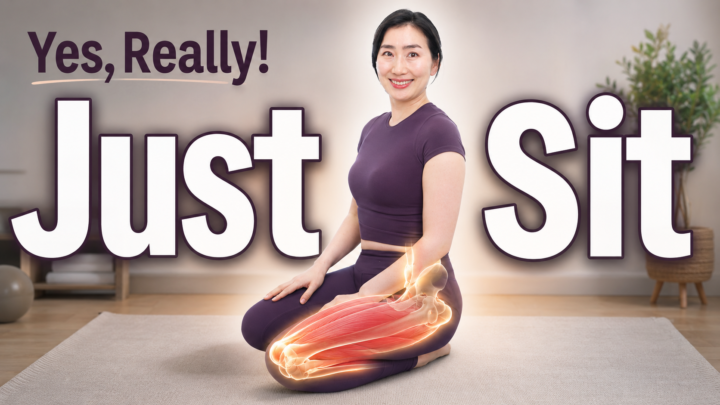
Read guideFloor sitting exercises can gently challenge the hips, knees, ankles and core while encouraging more varied movement throughout the day. Learn five accessible ways to practice safely, including supported sitting, Seiza, Kiza and a resting squat.
Read guideFacial exercises are often promoted as a natural way to lift the cheeks, soften the appearance of wrinkles, and keep facial muscles active. Here is what current research actually suggests, plus three gentle exercises you can try at home.
Read guideCould tension in the muscles around your mouth and jaw make your face look more tired? Explore the role of the DAO muscle, platysma, facial massage and gentle exercises—and what they realistically can and cannot do.
Read guideExplore how scalp and neck massage may ease muscle tension, support circulation and reduce temporary puffiness, helping the face appear more relaxed and refreshed. Learn simple, gentle techniques and what they can—and cannot—do for facial appearance.
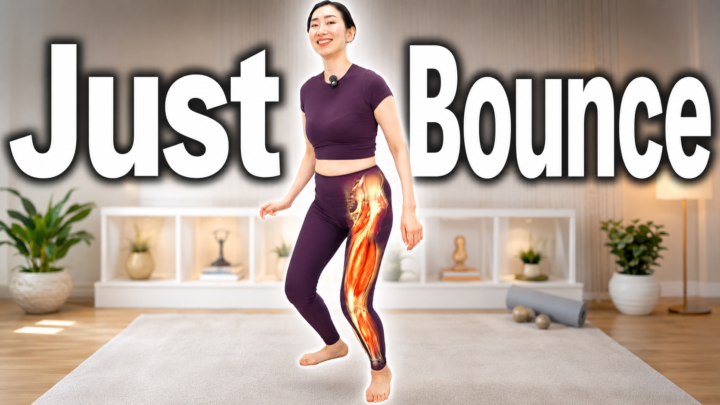
Read guideA gentle bouncing routine that may support mobility, circulation and relaxation while providing a simple, low-impact way to get the body moving.
Read guideArms can appear softer, heavier or less defined for many reasons, including body fat, muscle loss, skin changes and posture. Rounded shoulders do not directly create arm fat, but the way your shoulders and upper back are positioned can change how your arms hang and how defined they appear. Here is what actually helps.
Read guide