A tired-looking face does not always begin with the skin itself. Long hours at a desk, forward-head posture, jaw clenching, screen use, stress and chronic tension through the neck and shoulders can all influence how the upper body—and sometimes the face—feels and appears. This is one reason scalp massage, neck mobility and gentle shoulder work have become popular parts of facial self-care routines.
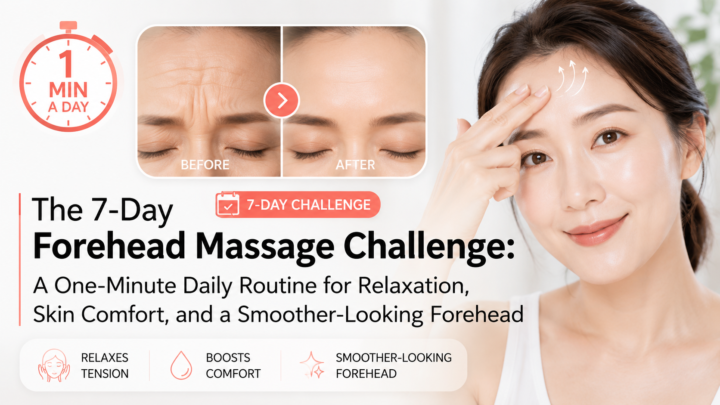
The important distinction is that massage cannot permanently lift loose skin or reverse structural facial aging. Aging involves changes in collagen, elastin, bone, fat distribution and connective tissue that simple massage cannot undo. However, relaxing tense muscles, improving local comfort and temporarily reducing mild puffiness can make the face look more rested and refreshed.
Understanding that difference allows us to use scalp and neck massage for what it does well without turning a useful self-care practice into an unrealistic anti-aging promise.
Why the Scalp, Neck and Face Are Connected
The scalp and face are not completely separate structures. Across the top of the skull lies a broad connective-tissue layer associated with the galea aponeurotica, which links muscles at the front and back of the scalp.
The scalp also moves over connective tissue covering the skull, while muscles surrounding the forehead, temples, jaw and neck work together during facial expression, chewing, speaking and head movement.
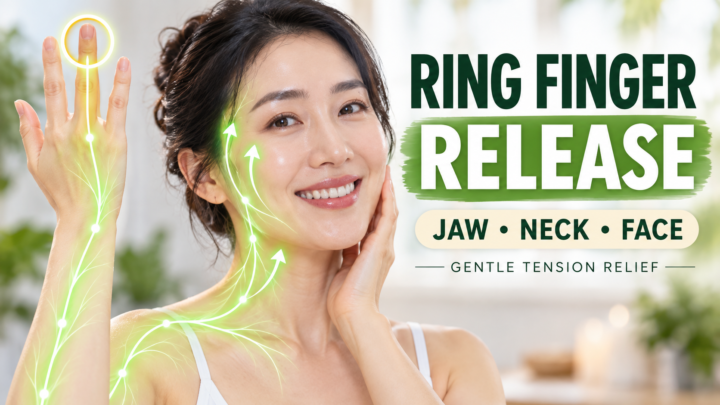
At the base of the skull, numerous muscles help stabilize and move the head. The upper trapezius, suboccipital muscles, sternocleidomastoid and other cervical muscles can become uncomfortable or tense after prolonged sitting, stress or repetitive posture.
This does not mean tight shoulders literally “pull the face downward.” But persistent tension can contribute to headaches, neck stiffness, jaw discomfort and a generally strained appearance.
When those areas relax, people often report that their head, eyes and face simply feel more open.
Why Your Scalp May Feel Surprisingly Tight
Place your fingertips on your scalp and gently try to move the skin over the skull.
Some areas may move easily while others feel relatively firm.
This variation is normal. Scalp mobility can differ from person to person and even from one area of the head to another.
A sensation of tightness may also become more noticeable when you have been clenching your jaw, raising your shoulders, concentrating intensely or spending hours looking down at a screen.
Gentle scalp massage provides mechanical stimulation to the skin and underlying soft tissues. Research on massage more broadly suggests that massage can temporarily increase local blood flow and reduce perceptions of muscle tension and stress.
That does not mean more pressure produces better results. Aggressive rubbing can irritate the scalp, damage fragile hair or aggravate existing skin conditions.
Gentle is enough.
Can Scalp Massage Actually Lift the Face?
This is where social-media claims often go too far.
Scalp massage cannot reposition facial fat pads, tighten significantly loose skin or permanently lift facial tissues. If a person has age-related skin laxity, massage cannot reproduce the structural effects of medical or surgical procedures.
What it may do is more modest—and still useful.
After massage, some people experience less muscle tension around the forehead, temples or jaw. Mild temporary puffiness may also fluctuate naturally throughout the day depending on sleep, sodium intake, allergies, hormones and fluid balance.
If your face is less tense or less puffy, your eyes may look more open and your facial contours may appear somewhat more defined.
Think refreshed rather than reconstructed.
That is a much more realistic expectation.
Start With the Neck and Shoulders
Before working aggressively on the face, it can be helpful to address the muscles that support head posture.
Try sitting or standing comfortably with your ribs stacked over your pelvis. Allow your shoulders to drop away from your ears and keep your chin roughly parallel to the floor.
Slowly roll the shoulders backward several times.
Next, gently tilt one ear toward the same-side shoulder until you feel a mild stretch along the opposite side of the neck. Do not pull forcefully on the head.
Hold briefly while breathing normally, then switch sides.
A gentle overhead reach can also help restore movement after prolonged sitting. Reach both arms upward while keeping the shoulders relaxed rather than shrugging aggressively toward the ears.
These simple movements are not a facelift, but they can make the upper body feel less compressed.
A Gentle Scalp Massage Routine
Use the pads of your fingers rather than your nails.
Place your fingertips over the scalp and gently move the skin in small circular motions rather than aggressively rubbing the hair back and forth.
Spend roughly 30 to 60 seconds over several regions:
- the temples
- the sides of the scalp
- the crown
- the back of the head
- the area just above the base of the skull
Pressure should feel pleasant, not painful.
Tenderness does not automatically mean that an area is “blocked.” Significant or persistent scalp pain deserves medical evaluation rather than increasingly aggressive massage.
If your scalp is dry, a small amount of a product suitable for your skin and hair type may reduce friction, although oil is not required.
Don’t Forget the Base of the Skull
People who use computers or phones extensively frequently notice discomfort near the junction between the head and neck.
Small muscles in this region help control precise head movements and can become fatigued during prolonged static posture.
Using the fingertips, you can gently massage the muscular areas beside the spine at the base of the skull.
Avoid pressing directly into the cervical vertebrae or using extreme pressure around sensitive structures in the neck.
Combine massage with slow breathing and relaxed shoulders.
For many people, the most valuable outcome is simply the feeling that the neck and head are no longer working so hard.
What About Lymphatic Drainage?
Facial puffiness is often attributed online to “blocked lymph,” but the physiology is more complicated.
The lymphatic system does help return excess interstitial fluid to circulation, and specialized manual lymphatic drainage techniques are used clinically in selected conditions such as lymphedema.
For otherwise healthy people, however, ordinary facial puffiness does not automatically indicate a blocked lymphatic system.
Sleep quality, allergies, alcohol, sodium intake, hormonal changes, medications and several medical conditions can all influence swelling.
Extremely gentle facial massage may temporarily move superficial fluid and make some people feel less puffy, but it should not be presented as a detoxification treatment.
Your liver and kidneys—not facial massage—perform the body’s major metabolic and filtration functions.
Can Scalp Massage Improve Hair Growth?
This is another area where enthusiasm should remain proportional to the evidence.
A few small studies have explored scalp massage and hair thickness, but research remains limited. Massage should not be considered a proven treatment for androgenetic alopecia, alopecia areata, thyroid-related hair loss, iron deficiency or other causes of thinning hair.
It can still be a pleasant addition to a hair-care routine.
Just avoid the idea that pulling hard enough to make hairs fall out is beneficial. Excessive traction can damage hair.
If you notice sudden shedding, patches of hair loss, scalp inflammation or progressive thinning, seeing a dermatologist is much more useful than increasing massage pressure.
The Stress Connection May Be the Most Valuable Part
One of the strongest reasons to include scalp and neck massage in a wellness routine may have little to do with looking younger.
It is relaxation.
Stress often changes the way we hold the body. Shoulders rise. The jaw tightens. Breathing becomes shallower. The forehead contracts. We may remain in these positions for hours without noticing.
Gentle movement provides an opportunity to reverse that pattern.
Massage the scalp.
Move the shoulders.
Turn the neck gently.
Unclench the jaw.
Take a slow exhale.
None of these actions stops biological aging, but they may reduce some of the tension that makes us look and feel exhausted.
And that can matter.
A Five-Minute Daily Routine
You do not need a complicated twenty-minute facial ritual.
Try this simple sequence:
Minute 1: Relax the shoulders and perform slow shoulder circles.
Minute 2: Gently stretch each side of the neck.
Minute 3: Massage the scalp using small fingertip circles.
Minute 4: Massage the temples and muscles near the base of the skull.
Minute 5: Relax your jaw, close your eyes and take several slow breaths.
The goal is comfort and mobility rather than forcing the tissues into a different position.
Consistency is more useful than intensity.
When You Should Not Massage
Avoid vigorous scalp, face or neck massage over areas with active infection, significant inflammation, open wounds, recent surgery or unexplained swelling.
Stop if you experience dizziness, severe headache, numbness, weakness, visual changes or unusual pain.
Persistent facial swelling—especially if sudden, one-sided or accompanied by breathing difficulty—requires medical attention rather than massage.
The Bottom Line
Your face is influenced by far more than skincare alone. Sleep, stress, posture, muscle tension, hydration, sun exposure, smoking, nutrition and genetics all contribute to how your face ages and how rested it appears on any particular day.
Scalp and neck massage may help reduce tension, improve comfort and temporarily make a tired or mildly puffy face appear more refreshed.
What it cannot do is permanently lift sagging tissue or reverse structural aging.
That distinction does not make the practice worthless. In fact, it makes it more useful.
Instead of attacking your face in pursuit of an instant transformation, treat scalp massage as something simpler: a few minutes to move, relax and care for an area of the body that receives surprisingly little attention.
Sometimes looking more refreshed begins with feeling more relaxed.
FAQ
Can scalp massage permanently lift a sagging face?
No. Massage cannot permanently tighten significantly loose skin or reverse structural facial aging, although reduced tension or temporary changes in puffiness may make the face appear more refreshed.
Does scalp massage improve circulation?
Massage can temporarily increase local blood flow and create warmth in the tissues, but this should not be confused with treating vascular disease or permanently changing facial structure.
Can neck tension affect how the face feels?
Yes. Neck, jaw, scalp and facial muscles function as interconnected regions, so tension around the neck and shoulders may contribute to headaches, jaw discomfort and a strained feeling around the head and face.
How often can I massage my scalp?
Gentle massage can usually be performed regularly if it feels comfortable and does not irritate the scalp. More force is not better.
Can scalp massage regrow thinning hair?
Evidence is currently limited. Persistent or sudden hair loss should be evaluated by a healthcare professional or dermatologist.
Medical Disclaimer: This article is for educational purposes only and is not medical advice. Massage and mobility exercises should not replace diagnosis or treatment from a qualified healthcare professional.
This article is for general education and does not replace individualized care from a qualified health professional. Seek appropriate advice for persistent, severe, or concerning symptoms.
Read the full medical disclaimer