Sanghuang Mushroom and Cancer: What the Research Really Shows
Few natural remedies generate more dramatic stories than medicinal mushrooms.
One of the most talked about examples in East Asian traditional medicine is Sanghuang.
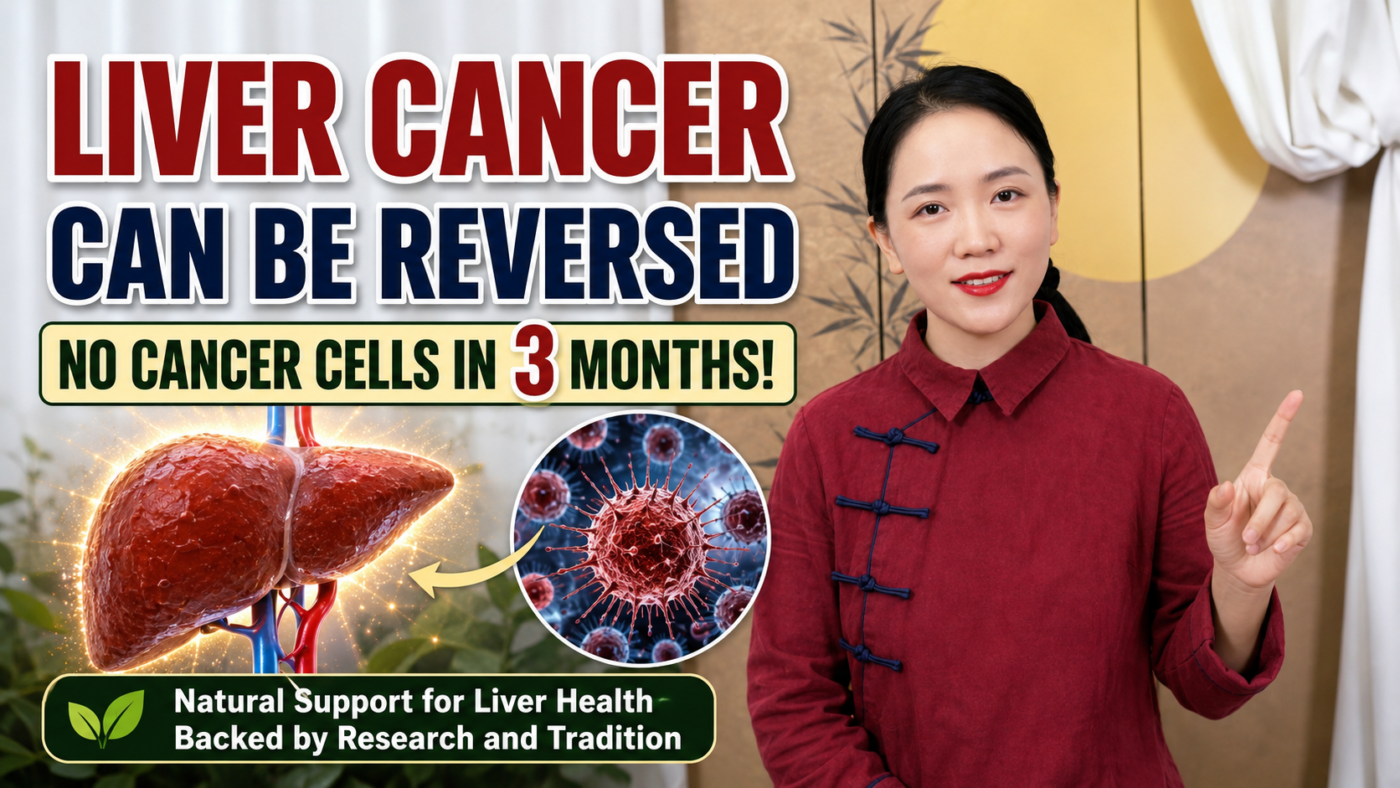
Stories circulating online sometimes claim that a person with advanced liver cancer drank water prepared from Sanghuang for several months, saw abdominal fluid disappear, watched the tumor shrink dramatically and recovered after doctors had supposedly given up hope.
Stories like this understandably attract attention.
They also raise an important question.
Can Sanghuang actually treat cancer?
The scientific answer is much more cautious.
Sanghuang contains biologically active compounds that researchers are studying for possible antioxidant, anti-inflammatory, immune modifying and anticancer effects.
Laboratory and animal studies have produced interesting results.
However, laboratory activity is not the same as a proven cancer treatment in humans.
There is currently not enough high quality clinical evidence to say that drinking Sanghuang tea can reverse liver cancer, eliminate tumors or replace surgery, radiation therapy, chemotherapy, targeted therapy or immunotherapy.
Understanding that distinction is essential.
What Is Sanghuang?
Sanghuang is the Chinese name commonly used for a group of medicinal fungi traditionally associated with mulberry trees and other hardwood species.
The mushroom has been used in East Asian traditional medicine for centuries.
One reason the scientific literature can be confusing is that older studies frequently referred to these mushrooms as Phellinus linteus.
Modern fungal classification has changed considerably.
What people call Sanghuang may involve species belonging to the genus Sanghuangporus, including Sanghuangporus sanghuang and related species such as Sanghuangporus vaninii.
These species are not necessarily chemically identical.
Where the mushroom grows, how it is cultivated, which part is used and how an extract is prepared can all influence its chemical composition.
This matters because one Sanghuang product cannot automatically be assumed to have the same biological activity as another.
Why Researchers Are Interested in Sanghuang
Sanghuang contains several classes of compounds that have attracted scientific attention.
These include polysaccharides.
Polyphenols.
Styrylpyrone compounds such as hispidin.
Flavonoid related compounds.
Triterpenoid compounds.
Other fungal metabolites.
Researchers have studied these compounds for possible effects involving oxidative stress, inflammatory signaling, immune responses and cancer cell biology.
This research provides a scientific reason to continue investigating the mushroom.
But it does not establish that the mushroom is a cure.
What Laboratory Cancer Studies Have Found
Researchers have exposed various cancer cell lines to extracts or isolated components from Sanghuangporus species.
In some experiments, these extracts reduced cancer cell proliferation.
Other studies have reported effects on apoptosis, which is a form of programmed cell death.
Researchers have also investigated changes in cell cycle regulation, inflammatory signaling, tumor cell migration and invasion.
Animal studies have sometimes reported slower tumor growth after administration of particular Sanghuang extracts.
These results are scientifically interesting.
They provide hypotheses for future research.
They do not prove that drinking the mushroom as tea will produce the same effect in a human patient.
The concentration used in a laboratory may differ dramatically from what reaches human tissues after oral consumption.
The extract used by scientists may also be chemically different from a dried mushroom purchased online.
What About Liver Cancer?
Liver cancer deserves special attention because Sanghuang is frequently promoted online as a natural remedy for hepatocellular carcinoma.
Laboratory research involving Phellinus or Sanghuangporus related preparations has investigated human liver cancer cells.
Some studies have reported changes in cancer cell growth and signaling pathways.
Animal models have also been used to explore potential effects.
This is still preclinical research.
It does not demonstrate that a person with liver cancer can drink Sanghuang water for three months and expect the tumor to disappear.
Human liver cancer is a complex disease.
Treatment can depend on tumor number, tumor size, liver function, cirrhosis, blood vessel involvement, metastasis and overall health.
Depending on the situation, treatment may include surgery, liver transplantation, tumor ablation, embolization, radiation, targeted therapies or immunotherapy.
Anyone diagnosed with liver cancer needs oncology and hepatology care rather than relying on a mushroom preparation.
Can Advanced Liver Cancer Really Reverse?
Cancer outcomes can sometimes be surprising.
Tumors can respond dramatically to effective treatment.
Imaging appearances can change.
Ascites can improve after treatment of liver disease, cancer or portal hypertension.
Rare spontaneous changes are also reported in medicine.
But a single personal story cannot determine why something happened.
If a patient was receiving hospital treatment, medications, drainage procedures, nutritional care or anticancer therapy at the same time, improvement cannot automatically be attributed to Sanghuang.
Anecdotes are valuable for generating research questions.
They are not proof of effectiveness.
Cancer Is Not Simply a Blockage
Traditional medicine sometimes describes tumors using concepts such as blood stasis, phlegm, Qi stagnation or accumulation.
These ideas belong to traditional diagnostic frameworks.
Modern cancer biology describes cancer differently.
Cancer develops when cells acquire changes that allow abnormal growth, survival and spread.
Many genetic and environmental factors can contribute.
These include aging.
Tobacco.
Alcohol.
Certain infections.
Ultraviolet and ionizing radiation.
Inherited genetic variants.
Obesity.
Environmental carcinogens.
Hormonal factors.
Random cellular mutations.
Cancer therefore cannot be medically reduced to the idea that blood or Qi became blocked.
Traditional concepts may be discussed culturally, but they should not replace cancer biology.
Does Sanghuang Directly Kill Cancer Cells?
This statement needs an important qualification.
Some Sanghuang extracts can damage or inhibit cancer cells under laboratory conditions.
That does not mean consuming Sanghuang directly kills cancer cells in a patient.
Thousands of substances can inhibit cultured cancer cells at a sufficiently high concentration.
Only a small fraction eventually become useful medicines.
A potential anticancer compound must answer many additional questions.
Can the body absorb it?
Does it reach the tumor?
At what concentration?
How quickly is it metabolized?
Does it damage normal tissues?
What dose is effective?
Does it interact with medications?
Does it improve survival?
These questions require carefully designed human clinical trials.
What About the Immune System?
Medicinal mushrooms are also frequently marketed as immune boosters.
Research involving Phellinus linteus extracts has explored immune markers such as natural killer cell activity and cytokines.
Small randomized human studies have investigated immune related outcomes in people without cancer.
This provides some early human evidence that certain standardized extracts may influence measurable immune parameters.
However, improving one laboratory marker does not prove that the supplement prevents cancer or treats an existing tumor.
The immune system is highly complex.
More immune activity is not always better.
Cancer immunology involves precise interactions among tumor cells, immune cells and signaling pathways.
A supplement should not be described as activating immunity against cancer unless clinical evidence demonstrates that effect.
What About a Recent Human Cancer Study?
Clinical research is beginning to appear, but it remains preliminary.
A retrospective study published in 2025 examined Phellinus linteus use in people who had undergone surgery for pancreatic cancer and were receiving adjuvant chemotherapy.
Some survival differences were observed in particular groups.
This is interesting, but retrospective research cannot prove that the mushroom itself caused the improvement.
Patients were not randomly assigned to mushroom treatment.
Other differences between the groups may have influenced outcomes.
Such findings support conducting better trials.
They do not justify replacing chemotherapy with Phellinus or Sanghuang.
Sanghuang and Lung Cancer Research
Researchers have also examined Sanghuangporus sanghuang extracts in lung cancer models.
A 2023 study reported reduced proliferation, migration and invasion of human lung cancer cells and effects in mouse xenograft models.
Again, this is preclinical evidence.
Mouse tumors and cultured human cancer cells are useful research tools, but they are not equivalent to treating a person with lung cancer.
Human trials are still required before therapeutic conclusions can be made.
Sanghuang and Colorectal Cancer Research
Research continues to expand.
A 2026 experimental study involving Sanghuangporus vaninii investigated inflammation associated colorectal cancer models and reported effects on inflammatory signaling, tumor cell proliferation and macrophage behavior.
This illustrates why Sanghuang remains scientifically interesting.
It also illustrates an important limitation.
Much of the strongest looking evidence still comes from cells and animals rather than randomized cancer trials in humans.
What About Nodules?
Online claims often move from cancer to a much broader statement.
If Sanghuang can affect tumors, the argument goes, it should also dissolve thyroid nodules, breast nodules, lung nodules, liver nodules and lymph nodes.
That reasoning is incorrect.
The word nodule simply describes a small lump or lesion.
Different nodules have completely different causes.
A thyroid nodule is not biologically the same as a lung nodule.
A benign breast cyst is not the same as a malignant breast tumor.
An enlarged lymph node is not the same as a liver lesion.
Some nodules require no treatment.
Some require surveillance.
Some require biopsy.
Some require surgery or other medical care.
There is no reliable evidence that drinking Sanghuang tea makes all types of nodules disappear.
What About Uterine Fibroids and Ovarian Cysts?
The same caution applies.
Uterine fibroids are benign tumors arising from uterine smooth muscle.
Ovarian cysts can develop for several different reasons.
Neither condition should automatically be described as blood stagnation that can be dissolved by a medicinal mushroom.
Some laboratory research has explored Sanghuang related compounds in gynecological cancer models.
That is different from proving that Sanghuang treats fibroids, ovarian cysts or gynecological cancers in clinical practice.
Persistent pelvic symptoms require appropriate gynecological evaluation.
Can Sanghuang Treat Hepatitis or Cirrhosis?
Research has explored antioxidant and liver related biological effects of Sanghuang compounds.
That does not establish Sanghuang as a treatment for viral hepatitis, alcoholic liver disease, metabolic liver disease or cirrhosis.
Modern treatment depends on the underlying cause.
Hepatitis B may require antiviral therapy.
Hepatitis C can often be cured with direct acting antiviral medication.
Alcohol associated liver disease requires alcohol cessation and medical management.
Metabolic liver disease involves weight, metabolic risk factors and other treatments.
Advanced cirrhosis requires specialized medical care.
A mushroom should not replace these therapies.
Can Sanghuang Treat Fatty Liver?
There is currently no strong clinical evidence showing that Sanghuang tea reverses fatty liver disease in humans.
For metabolic fatty liver disease, factors such as body weight, physical activity, diet, blood glucose, cholesterol and other cardiometabolic risks are much better established treatment targets.
Natural products may eventually prove useful as adjuncts.
They should not distract from interventions already known to matter.
Can It Treat High Blood Pressure or Diabetes?
Claims that Sanghuang can save the lives of people with hypertension or diabetes are not supported by adequate clinical evidence.
Laboratory studies of Sanghuang compounds have explored glucose metabolism and other biological effects.
But hypertension and diabetes are serious chronic conditions with proven treatments.
Stopping blood pressure medication or diabetes medication in favor of Sanghuang could be dangerous.
Anyone interested in using a medicinal mushroom alongside treatment should first discuss it with the clinician managing those conditions.
Is Sanghuang Completely Free of Side Effects?
No health product should be described as having absolutely no side effects.
Preclinical safety studies of certain standardized Sanghuangporus preparations have suggested relatively low toxicity under studied conditions.
That is encouraging.
It does not prove that every commercial product is harmless for every person.
Safety can depend on:
Species identification
Purity
Contamination
Extraction method
Dose
Duration of use
Other medications
Liver and kidney function
Pregnancy
Underlying disease
Product quality
Wild mushrooms also create another problem.
Correct identification can be difficult.
A product labeled Sanghuang may not necessarily contain exactly the species or composition a consumer expects.
Why Product Identity Matters
The commercial market frequently uses names such as Sanghuang, Phellinus linteus, Meshima and Sanghuangporus interchangeably.
Modern taxonomy shows that these names do not always refer to the same fungus.
This is not a minor scientific detail.
Different species and strains may contain different concentrations of active compounds.
The fruiting body can also differ chemically from cultured mycelium.
Water extracts can differ from alcohol extracts.
A laboratory result involving one standardized extract therefore cannot automatically be applied to a random slice of wild mushroom boiled in a kitchen.
Should Cancer Patients Take Sanghuang?
A cancer patient should first discuss it with their oncology team.
This is especially important during chemotherapy, radiation therapy, immunotherapy or targeted therapy.
Natural products can sometimes interact with medicines.
They may affect metabolism, bleeding risk, immune responses or other biological processes.
Even when a supplement itself is relatively safe, delaying proven cancer treatment because of an unproven remedy can cause serious harm.
The safest position is straightforward.
Do not replace cancer treatment with Sanghuang.
Do not reduce prescribed medication because someone online claims the mushroom cures cancer.
Do not postpone imaging, biopsy, surgery or oncology appointments while testing a natural product.
What About Drinking Sanghuang as Tea?
Traditional preparations sometimes involve simmering dried mushroom material in water.
However, there is currently no medically established universal Sanghuang tea dose for treating cancer.
Therefore, claims that everyone should boil approximately 10 grams per day or consume it continuously for three months should not be presented as evidence based medical advice.
Cancer patients in particular should not start high dose or prolonged herbal regimens without reviewing them with their healthcare team.
The fact that something is natural does not automatically make an arbitrary dose safe or effective.
Can Ginger, Jujube or Astragalus Be Added?
Traditional formulas frequently combine multiple ingredients according to traditional pattern diagnosis.
Combining ingredients also increases complexity.
Astragalus, herbal medicines and concentrated extracts may interact with medications or may not be appropriate in particular medical situations.
Someone receiving cancer treatment should not build a multi herb anticancer formula from social media instructions.
If traditional Chinese herbal medicine is used, it should ideally be coordinated between a qualified practitioner and the patient’s conventional medical team.
Traditional Use Still Matters
Rejecting exaggerated cancer claims does not require dismissing the history of Sanghuang.
Traditional knowledge has often inspired modern drug discovery.
Medicinal mushrooms are biologically complex organisms containing compounds worthy of research.
Sanghuang has a long cultural history in China, Korea and Japan.
Traditional texts and folk practices are therefore important historical evidence of how people used the mushroom.
But historical use and modern clinical proof are different forms of evidence.
Both can be discussed without pretending that one automatically proves the other.
Why Wild Sanghuang Is So Expensive
Authentic wild specimens can be scarce.
Growth is slow.
Species identification can be difficult.
Demand has increased because of health marketing.
These factors can make some products expensive.
A higher price does not mean stronger anticancer activity.
Wild does not automatically mean medically superior.
Cultivation can sometimes provide greater consistency and reduce pressure on wild resources.
For scientific research, standardized identity and composition are usually more useful than rarity alone.
How to Evaluate a Sanghuang Product
If someone chooses to use Sanghuang as a general wellness product rather than as a cancer treatment, quality matters.
Look for clear species identification.
Look for the plant or fungal scientific name.
Look for the part used, such as fruiting body or mycelium.
Look for manufacturing information.
Look for independent contaminant testing when available.
Avoid products promising to cure cancer.
Avoid products promising to dissolve every nodule.
Avoid products claiming zero side effects.
Avoid sellers telling patients to stop conventional treatment.
Those are major warning signs.
Frequently Asked Questions
Can Sanghuang Cure Liver Cancer?
There is currently no reliable clinical evidence that Sanghuang cures liver cancer.
Laboratory research is promising enough to justify further study, but it should not replace established cancer treatment.
Can Sanghuang Shrink Tumors?
Certain Sanghuang extracts have reduced tumor growth or cancer cell activity in laboratory and animal studies.
It has not been established that ordinary Sanghuang tea reliably shrinks tumors in humans.
Does Sanghuang Kill Cancer Cells?
Some extracts can inhibit or kill certain cancer cells under laboratory conditions.
That is not the same as demonstrating that consuming the mushroom kills cancer cells in patients.
Can Sanghuang Remove Lung Nodules?
There is no strong evidence that Sanghuang removes lung nodules.
Lung nodules have many causes and should be managed according to imaging characteristics and medical risk.
Can Sanghuang Treat Thyroid Nodules?
There is no established clinical evidence that it eliminates thyroid nodules.
Thyroid nodules should be assessed according to ultrasound features, thyroid function and other clinical factors.
Can Sanghuang Treat Uterine Fibroids?
There is insufficient evidence to recommend Sanghuang as a treatment for uterine fibroids.
Is Sanghuang Good for the Liver?
Laboratory studies have explored liver related and antioxidant properties of Sanghuang compounds.
That is different from proving that it treats liver disease in humans.
Is Wild Sanghuang Better Than Cultivated Sanghuang?
Not necessarily.
Species identity, cultivation conditions, extraction method and chemical standardization all matter.
Wild origin alone does not prove greater effectiveness.
Is Sanghuang Safe?
Some experimental safety studies suggest relatively low toxicity for particular preparations.
That does not establish universal safety for all products, doses and patients.
Can I Take Sanghuang During Chemotherapy?
Do not assume that it is automatically safe.
Discuss the specific product with your oncologist or oncology pharmacist before combining it with cancer treatment.
Bottom Line
Sanghuang is one of the more scientifically interesting medicinal mushrooms in traditional East Asian medicine.
Researchers have identified polysaccharides, polyphenols, hispidin related compounds and other biologically active substances.
Laboratory and animal studies have reported potentially important effects involving inflammation, immunity and cancer cell biology.
Those findings deserve continued research.
But they do not support the claim that drinking Sanghuang water for three months reverses liver cancer.
They do not prove that Sanghuang dissolves every nodule.
They do not establish it as a cure for fibroids, cysts, hepatitis, cirrhosis, diabetes or hypertension.
And no responsible health article should tell a cancer patient that a medicinal mushroom can replace oncology treatment.
The most accurate conclusion is also the most interesting.
Sanghuang is a promising subject of biomedical research.
It may eventually contribute useful compounds or complementary strategies to medicine.
But promising is not the same as proven.
For now, anyone with cancer should use evidence based oncology care as the foundation of treatment and discuss any medicinal mushroom or herbal supplement with the medical team managing that treatment.
Traditional knowledge can inspire research.
Modern research can test traditional ideas.
The safest and most useful approach respects both without turning early scientific findings into miracle cures.
Affiliate Disclosure
This article may contain affiliate links. Affiliate relationships do not influence our editorial standards or health recommendations.
Because this article discusses cancer and an unproven medicinal product, we do not recommend purchasing or using Sanghuang as a substitute for cancer screening, diagnosis or treatment.
Medical Disclaimer
This article is for educational and informational purposes only and is not medical advice. Sanghuang and other medicinal mushrooms have not been proven to cure cancer. Do not stop, postpone or change cancer treatment based on information in this article. Anyone receiving chemotherapy, immunotherapy, targeted therapy, radiation therapy or other medical treatment should consult their healthcare team before using herbal or mushroom supplements.
This article is for general education and does not replace individualized care from a qualified health professional. Seek appropriate advice for persistent, severe, or concerning symptoms.
Read the full medical disclaimer