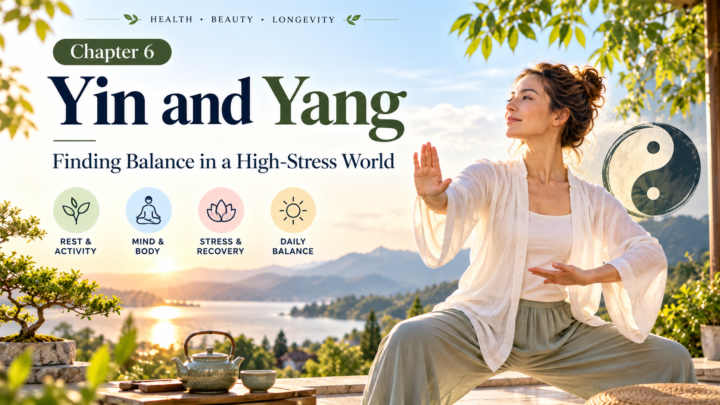
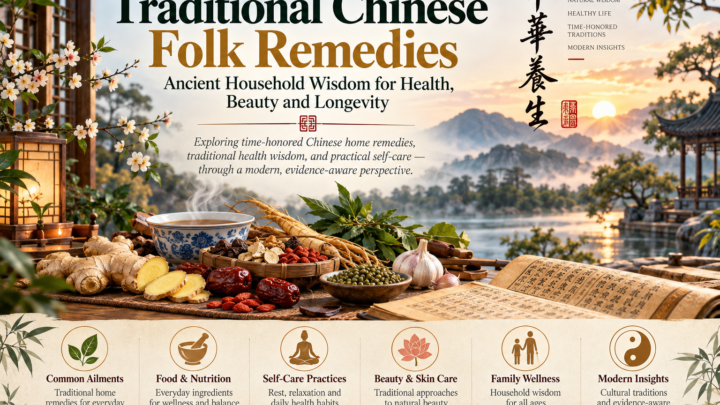
Chinese herbal medicine has been used for centuries within Traditional Chinese Medicine, combining botanical ingredients according to traditional theories of health and balance. Today, researchers are investigating the benefits, risks, and biological effects of various herbal preparations. But natural does not always mean safe, and historical use does not guarantee clinical effectiveness. This evidence-based guide explores herbal formulas, Yin-Yang theory, chronic fatigue, drug interactions, and the scientific standards needed to evaluate traditional remedies.An evidence-based guide to traditional Chinese herbs, personalized herbal formulas, Yin and Yang, chronic fatigue, and the safety of natural remedies.
For thousands of years, plants have played an important role in how people understand and treat illness. From ancient Chinese herbal formulas to modern medicines derived from botanical compounds, the natural world has provided both traditional remedies and valuable starting points for pharmaceutical research.
Today, Chinese herbal medicine continues to attract international interest. Many people turn to it because they want a more personalized approach to health, hope to relieve persistent symptoms, or are interested in traditional practices that consider the body as an interconnected system.
But an essential question deserves careful attention:
How much of what we hear about Chinese herbal medicine is supported by modern scientific evidence?
The answer is neither that all traditional remedies are effective nor that ancient practices have nothing to contribute.
Some plant-derived compounds have demonstrated important biological effects and have inspired successful modern medicines. Other herbal treatments remain insufficiently studied, while certain products can cause harmful interactions, contamination-related illness, or organ damage.
Traditional Chinese medicine also uses a distinct philosophical framework involving Qi, Yin and Yang, and patterns of bodily balance. These ideas are historically significant, but they should not be confused with scientifically established explanations of anatomy and physiology.
Understanding both the traditional perspective and the modern evidence can help people approach herbal medicine with greater knowledge, realistic expectations, and appropriate caution.
1. What Is Chinese Herbal Medicine?
Chinese herbal medicine is a major component of Traditional Chinese Medicine (TCM), a medical tradition that developed through centuries of practice, observation, and philosophical interpretation.
Despite its name, Chinese herbal medicine does not use only herbs in the botanical sense.
Historical formulas have included roots, leaves, bark, flowers, seeds, fungi, minerals, and, in some traditions, animal-derived ingredients.
Modern herbal products may be sold as dried ingredients, concentrated extracts, powders, granules, tablets, capsules, or prepared formulas.
Different preparations can contain different concentrations of active compounds.
This variability is one reason why research findings from one product cannot necessarily be applied to another.
The Role of Herbal Formulas
Rather than relying exclusively on single plants, traditional Chinese practitioners frequently combine multiple ingredients into formulas.
Within traditional theory, different ingredients may be selected to address a particular pattern of symptoms.
For example, two people reporting fatigue might receive different traditional assessments depending on associated complaints, sleep, digestion, temperature sensations, and other observations.
This approach is often described as pattern differentiation.
Its historical purpose is to tailor treatment to the individual rather than treating all people with similar symptoms identically.
However, the fact that a formula is individualized does not automatically demonstrate that it is more effective.
Clinical benefits and safety still require reliable evaluation.
2. Ancient Herbal Knowledge and Modern Drug Discovery
Plants contain thousands of biologically active compounds.
Some affect enzymes, receptors, inflammatory pathways, and other physiological processes.
Throughout pharmaceutical history, natural compounds have provided starting points for important medicines.
A well-known example connected with Chinese medical history is artemisinin.
Artemisinin was developed through scientific investigation of compounds found in Artemisia annua, a plant with a history of use in traditional Chinese remedies.
Artemisinin-based combination therapies are now important treatments for certain forms of malaria.
This achievement demonstrates how studying traditional knowledge can contribute to modern drug development.
But it also illustrates an essential distinction.
An isolated, scientifically evaluated compound with standardized dosing and established clinical indications is not equivalent to consuming an unstandardized herbal preparation.
Why Scientific Validation Matters
Developing a reliable medicine requires multiple steps.
Researchers investigate the chemical composition of a candidate substance, its biological activity, appropriate dose, toxic effects, interactions, and clinical outcomes.
Controlled trials help determine whether a treatment provides meaningful benefits.
Manufacturing standards help ensure consistent identity, purity, and concentration.
A traditional remedy may inspire this process, but historical use alone cannot replace it.
The strongest contribution of traditional herbal knowledge may be the research questions it generates—not an automatic guarantee that every inherited treatment works.
3. Understanding Yin and Yang in Chinese Herbal Theory

Yin and Yang are foundational concepts in Chinese philosophy and traditional medical theory.
Yin and Yang are among the most recognizable ideas associated with Chinese medicine.
In classical philosophy, they describe complementary, interacting aspects of natural phenomena.
Yin is traditionally associated with qualities such as coolness, darkness, rest, and inward movement.
Yang is associated with warmth, brightness, activity, and outward movement.
The relationship between these qualities is understood as dynamic rather than fixed.
Day turns into night. Activity alternates with rest. Seasonal conditions change throughout the year.
Traditional Chinese medical theory applies this framework to the interpretation of health and illness.
What Does Yin–Yang Imbalance Mean?
A practitioner may interpret certain combinations of symptoms as reflecting Yin deficiency, Yang deficiency, or other traditional patterns.
Herbal formulas may then be selected according to the traditional assessment.
But Yin and Yang should not be presented as independently measured biological substances.
There is no validated medical test that directly measures the body’s total Yin or Yang.
Traditional descriptions also cannot be equated automatically with hormone concentrations, immune function, or nervous system activity.
The language of balance may offer a useful philosophical metaphor, but that does not prove the underlying traditional mechanism.
4. Qi and the Traditional Explanation of Fatigue
Qi is another central concept in TCM.
It is sometimes translated as vital energy, although its historical meanings are broader than the English word energy.
Traditional theory associates Qi with vitality, movement, transformation, and physiological function.
Persistent tiredness may be interpreted through categories such as Qi deficiency.
However, Qi is not equivalent to a scientifically established biological energy source.
Modern physiology explains energy metabolism through measurable processes involving nutrient utilization, mitochondrial function, ATP, oxygen delivery, and other mechanisms.
Why Fatigue Is More Complicated Than Low Energy
The everyday word fatigue can describe several different experiences.
Some people feel sleepy. Others struggle with physical weakness, reduced stamina, mental exhaustion, or difficulty concentrating.
These experiences can have different causes.
Possible contributors include insufficient sleep, iron deficiency anemia, thyroid disorders, depression, medication effects, chronic illness, and other medical conditions.
An herbal formula prescribed for a traditional diagnosis of Qi deficiency may not address the underlying cause of these symptoms.
For example, someone with fatigue caused by untreated hypothyroidism needs appropriate medical assessment and treatment, not simply a remedy promoted as restoring energy.
Traditional descriptions can be studied as part of medical history, but persistent symptoms require clinical evaluation.
5. Does Chinese Herbal Medicine Really Work?
The effectiveness of Chinese herbal medicine cannot be answered with a single yes or no.
There are many herbal products, formulas, preparation methods, and proposed indications.
Evidence must be assessed for each specific product and health condition.
According to the U.S. National Center for Complementary and Integrative Health (NCCIH), clinical studies of Chinese herbal products have produced mixed results, and methodological limitations prevent firm conclusions about many proposed uses.
NCCIH
Why Research Results Are Often Uncertain
Several factors make herbal medicine research challenging.
Herbal formulas may differ between practitioners, and ingredient concentrations may vary between manufacturers.
Some studies have small sample sizes or lack appropriate control groups.
Others do not adequately report adverse effects, product composition, or long-term outcomes.
Blinding may also be difficult when products have distinctive tastes or odors.
Consequently, a positive result from one small study should not be treated as definitive proof.
Likewise, evidence supporting one standardized herbal ingredient cannot establish the effectiveness of all Chinese herbal formulas.
A responsible assessment considers the quality, consistency, and clinical relevance of the entire body of evidence.
6. Personalized Herbal Prescriptions: A Traditional Approach With Modern Questions
Individualization is a frequently emphasized feature of Chinese herbal medicine.
Within TCM, two patients with the same biomedical diagnosis may be assigned different traditional patterns.
They may consequently receive different formulas.
This is sometimes contrasted with modern medicine, but the distinction should not be exaggerated.
Conventional healthcare also individualizes treatment according to factors such as age, kidney function, allergies, genetics, disease severity, medications, and patient preferences.
Personalized Does Not Automatically Mean Proven
Individual treatment decisions can be valuable when guided by reliable diagnostic information and evidence.
But an individualized herbal prescription still requires appropriate safety assessment.
It is not enough to assume that a formula is safe because it has been tailored to a person’s traditional symptoms.
Ingredients may have known toxicities or interact with existing medications.
There may also be insufficient evidence to determine effective doses.
The most useful approach is coordinated care in which patients disclose all products they take and healthcare professionals evaluate potential risks.
7. The Hidden Risks of Herbal Products
都築学園](https://images.openai.com/static-rsc-4/haxQNgNi4FpDKXazKJMa92B_44Cmhp75iYGIldH3FeN61Nky3B7yYZphXYZfv-4YnNKWutGJ8lmZq1wxMHyx0xehC5v5eed5gsXgX_04BxYfEspWf2aBijANQwGmwOySSiylTk6TLSaNScuCK2I4cC89ds8waVfQElIm8Eqo03ViVZU5xDkW64L6yR1gYxD3?purpose=fullsize)
Herbal preparations can contain pharmacologically active substances and require careful quality and safety assessment.
Many people assume that natural products are gentler or safer than manufactured medicines.
That assumption is unreliable.
Plants produce biologically active chemicals, including substances that may be toxic at certain doses.
Herbal products can also vary in quality because of differences in species identification, cultivation, harvesting, processing, and storage.
The NCCIH has documented concerns involving contamination, incorrect ingredients, undeclared pharmaceuticals, and harmful substances in some Chinese herbal products.
Important Safety Concerns
| Risk | Why it matters |
|---|---|
| Herb–drug interactions | Botanical compounds may change medication effects |
| Liver injury | Certain herbal products can damage the liver |
| Kidney toxicity | Some compounds may impair kidney function |
| Contamination | Heavy metals, pesticides, and microbes may be present |
| Adulteration | Products may contain undeclared prescription drugs |
| Incorrect plant identification | Substitution can introduce toxic species |
| Variable dosage | Different preparations may contain inconsistent active compounds |
These risks do not imply that every herbal product is dangerous.
They mean that safety must be demonstrated rather than assumed.
8. Herbal Medicines and Prescription Drug Interactions
Herbal supplements can interact with prescribed and over-the-counter medicines.
Some plant compounds influence the enzymes or transport proteins that help process drugs.
Others may have effects that overlap with medications, increasing the possibility of adverse reactions.
For example, interactions may be particularly concerning for patients taking anticoagulants, certain cancer medications, or medicines with narrow therapeutic ranges.
The NCCIH emphasizes that many potential herb–drug interactions remain insufficiently studied, but clinically important interactions and toxicities are established concerns.
Who Should Be Especially Careful?
Additional caution is warranted for people who are pregnant or breastfeeding, have liver or kidney disease, take multiple medications, or are receiving treatment for serious illnesses.
Children and older adults may also have different risks.
Before using a herbal preparation, provide healthcare professionals with its exact product name, ingredient list, dose, and manufacturer when available.
Avoid replacing prescribed therapy with herbal products unless a qualified healthcare professional has evaluated the change.
9. Can Chinese Herbal Medicine Improve Chronic Fatigue?
Fatigue is one of the symptoms commonly discussed in traditional Chinese medicine.
Within TCM, it may be attributed to different patterns involving Qi, Yin, Yang, or traditional organ systems.
But the scientific evaluation of fatigue requires a different approach.
Persistent tiredness may result from many medical and lifestyle factors.
There is currently insufficient high-quality evidence to recommend Chinese herbal medicine as a general cure for unexplained chronic fatigue.
Chronic Fatigue Is Not Always ME/CFS
Myalgic encephalomyelitis/chronic fatigue syndrome (ME/CFS) is a serious, complex illness that goes well beyond ordinary tiredness.
Its core features include substantial functional impairment, unrefreshing sleep, and post-exertional malaise—a worsening of symptoms following physical or mental activity that would previously have been tolerated.
Cognitive problems or orthostatic intolerance may also occur.
According to the CDC, ME/CFS has no single confirmatory diagnostic test, and its diagnosis requires careful assessment of symptoms and other possible causes.
Why Energy-Boosting Remedies Can Be Misleading
A person with persistent fatigue may be tempted to use stimulating herbs or supplements promising rapid improvement.
But temporary feelings of alertness do not necessarily indicate recovery from an underlying condition.
For people with ME/CFS, pushing beyond personal activity limits can trigger prolonged symptom worsening.
The CDC recommends individualized activity management, often called pacing, to help prevent post-exertional malaise.
Herbal preparations should not replace appropriate medical care, and claims that they restore lost vitality should be evaluated critically.
10. Acupuncture and Herbal Medicine: Why Their Evidence Should Be Evaluated Separately
Acupuncture and herbal medicine are both associated with TCM, but they are fundamentally different interventions.
Acupuncture uses physical stimulation, usually through fine needles inserted into the skin.
Herbal medicine involves exposure to chemical substances that may be absorbed, metabolized, and eliminated by the body.
Their potential benefits and risks therefore require different forms of research.
For example, some evidence suggests that acupuncture may help selected chronic pain conditions or reduce headache frequency in certain patients.
That does not mean Chinese herbal preparations are equally effective for those conditions.
Similarly, the clinical success of a plant-derived pharmaceutical does not validate acupuncture meridian theory.
Even within a single traditional medical system, each treatment should be judged on its own evidence.
Are Combined Treatments Better?
Some practitioners recommend combining acupuncture with herbal medicine.
But adding two therapies does not automatically make treatment more effective.
Combined interventions can also make it more difficult to identify which component produces benefits or adverse effects.
High-quality research is needed to establish whether a particular combination is superior to standard care.
For serious conditions such as stroke, asthma, heart disease, or substance use disorders, complementary therapies must not replace established treatments.
11. The Cultural Meaning of Balance in Traditional Chinese Medicine
Traditional Chinese medical theory emphasizes relationships among different aspects of the body and its environment.
This perspective is often described through Yin and Yang.
An imbalance is understood within the traditional framework as a disruption of harmonious relationships.
However, Yin and Yang are not simply two quantities that can be measured on opposite sides of a scale.
Classical descriptions are more complex, involving relative qualities, transformations, and interdependence.
Is Every Disease Caused by Imbalance?
No universal scientific evidence establishes Yin–Yang imbalance as the cause of all diseases.
Illnesses may arise through identifiable mechanisms such as infection, genetic changes, autoimmune activity, nutritional deficiencies, vascular injury, or other biological processes.
Furthermore, not every illness is caused by unhealthy habits, emotional distress, or poor personal choices.
The broad concept of balance can be useful when discussing nutrition, activity, recovery, and stress management.
But it should not be used to blame patients for being ill or to replace evidence-based explanations.
A person can maintain excellent lifestyle habits and still develop disease.
Healthcare should therefore combine prevention with appropriate medical investigation and treatment.
12. How to Choose a Qualified Traditional Chinese Medicine Practitioner
Professional training and licensing requirements vary considerably across countries and jurisdictions.
Before consulting a practitioner, it is reasonable to verify their recognized qualifications, experience, and legal authorization to provide the relevant service.
A responsible practitioner should be willing to discuss the limits of the evidence, potential adverse effects, and possible interactions with medications.
The consultation should not involve promises of guaranteed cures.
Questions Worth Asking
- What qualifications and legal authorization do you hold?
- What is the exact name and composition of the recommended herbal formula?
- What evidence supports its use for my condition?
- What adverse effects or medication interactions are possible?
- How is the product manufactured and tested for quality?
- How will treatment outcomes and side effects be monitored?
- When should I seek conventional medical evaluation?
Be particularly cautious if a practitioner discourages necessary medical tests, insists that prescribed medication must be stopped, or claims that one formula can cure many unrelated illnesses.
The NCCIH recommends discussing traditional Chinese medical approaches with healthcare professionals and avoiding delays in established medical treatment.
13. Seven Evidence-Based Principles for Using Herbal Medicine Responsibly
A thoughtful approach to herbal medicine does not require rejecting traditional knowledge. It requires applying appropriate standards of evidence and safety.
1. Understand the intended purpose. Identify the specific condition or symptom a product is supposed to address, rather than relying on vague claims such as restoring energy or removing toxins.
2. Check the research. Look for reliable clinical trials and independent scientific reviews concerning the exact preparation.
3. Verify product quality. Choose products with transparent ingredient information and appropriate manufacturing oversight.
4. Discuss medication interactions. Tell healthcare professionals about all herbs, supplements, and medicines you use.
5. Avoid self-prescribing complex formulas. Multiple ingredients can create unexpected effects, especially for people with medical conditions.
6. Monitor symptoms and adverse reactions. Stop using a suspected harmful product and seek medical advice if concerning symptoms develop.
7. Never delay necessary medical care. Persistent fatigue, significant pain, fever, progressive weakness, or other concerning symptoms deserve appropriate evaluation.
These principles apply not only to Chinese herbal preparations but also to botanical supplements from other medical traditions.
14. Frequently Asked Questions About Chinese Herbal Medicine
What is Chinese herbal medicine?
Chinese herbal medicine is a component of Traditional Chinese Medicine that uses individual ingredients or combinations of botanical and, historically, other materials according to traditional theories of health and illness.
Are Chinese herbal medicines scientifically proven?
Some ingredients have been studied and certain plant-derived compounds have become established medicines. However, evidence for many traditional herbal formulas remains limited, inconsistent, or uncertain.
Is Chinese herbal medicine safe?
Safety varies by product, ingredients, dosage, manufacturing quality, medical conditions, and medication use. Some products can cause serious adverse effects or contain contaminants.
Can Chinese herbs increase energy?
There is insufficient reliable evidence that Chinese herbal medicine generally improves unexplained fatigue. Persistent tiredness should be evaluated for possible medical causes.
What is the difference between Yin and Yang?
Yin and Yang are complementary concepts in Chinese philosophy representing relative and interacting qualities. They are central to traditional medical theory but are not directly measurable biological substances.
Can herbal medicine replace prescription drugs?
Herbal products should not replace prescribed treatment without appropriate medical supervision. Doing so can delay effective care or introduce harmful interactions.
Can acupuncture and herbal medicine be used together?
They are sometimes combined in traditional practice, but the safety and effectiveness of a particular combination must be evaluated individually.
What should I do before taking Chinese herbal supplements?
Consult an appropriately qualified healthcare professional, especially if you take medication, are pregnant, have a chronic illness, or are considering a product containing multiple ingredients.
Conclusion: Traditional Herbal Knowledge Deserves Respect—and Rigorous Scientific Evaluation
Chinese herbal medicine represents a rich historical tradition with an extensive record of plant use, formula development, and philosophical interpretation.
Its emphasis on individual differences and the interconnected nature of health continues to attract interest.
Modern scientific research has demonstrated that plants can contain biologically important compounds, and traditional knowledge has sometimes helped inspire valuable pharmaceutical discoveries.
But the effectiveness of one compound does not prove the effectiveness of every herbal remedy.
Similarly, historical concepts such as Qi and Yin–Yang balance remain important for understanding Chinese medical philosophy without being established biological mechanisms.
The responsible future of herbal medicine depends on transparent research, reliable manufacturing, accurate diagnosis, and careful attention to potential adverse effects.
For people experiencing chronic fatigue or other persistent symptoms, medical evaluation remains essential.
The most valuable approach to Chinese herbal medicine is neither blind acceptance nor automatic rejection. It is informed curiosity guided by scientific evidence, cultural understanding, and patient safety.
Scientific References and Further Reading
- National Institutes of Health, NCCIH. Traditional Chinese Medicine: What You Need To Know.Reviewstheavailableevidence,safetyconcerns,andclinicallimitations.
- National Institutes of Health, NCCIH. Herb–Drug Interactions.Reviewsclinicallyrelevantinteractionsandevidencelimitations.
- Centers for Disease Control and Prevention. Diagnosing ME/CFS.ExplainsdiagnosticevaluationofpersistentfatigueandME/CFS.
- Centers for Disease Control and Prevention. Strategies to Prevent Worsening of ME/CFS Symptoms.Describespost-exertionalmalaiseandindividualizedpacing.
- Safety Surveillance of Traditional Chinese Medicine: Current and Future. PubMed Research Review.Discussesherbalproductsafetyandquality-controlconcerns.
- NIH Office of Dietary Supplements. Dietary Supplements: What You Need to Know.
Educational content only. Not medical advice. This article is intended for general health education and does not replace professional medical advice, diagnosis, or treatment. Herbal products may cause adverse reactions and interact with medications.

This article is for general education and does not replace individualized care from a qualified health professional. Seek appropriate advice for persistent, severe, or concerning symptoms.
Read the full medical disclaimer