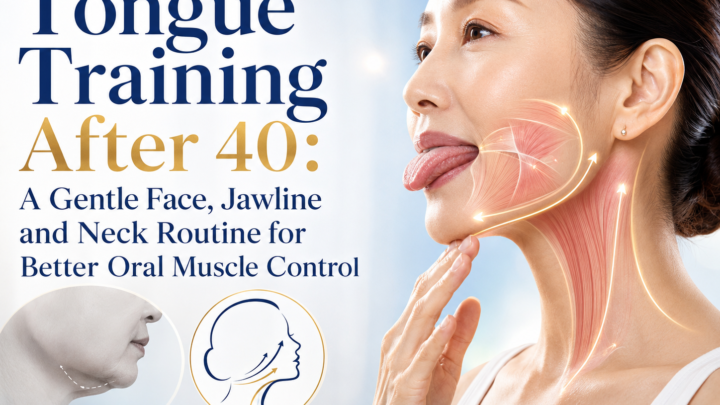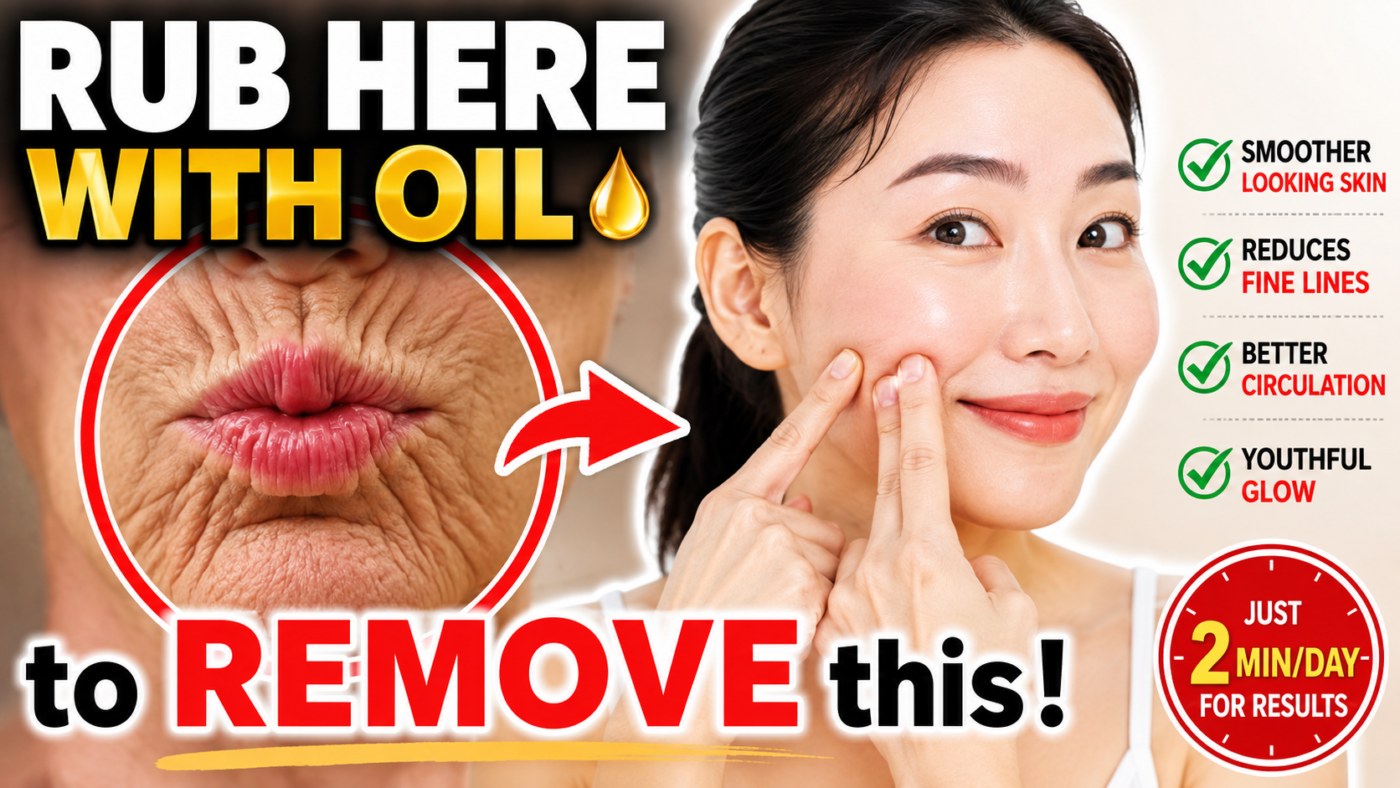
Nasolabial folds—the lines that run from the sides of the nose toward the corners of the mouth—are a normal part of facial anatomy.
Everyone has them.
They become more noticeable with smiling, facial movement and, for many people, age.
As the years pass, changes in skin elasticity, collagen, facial fat compartments, bone structure and the support of deeper facial tissues can make these folds appear more pronounced.
This has led to an enormous number of facial-massage techniques promising to “erase” nasolabial folds by pushing the cheeks upward, draining lymph, increasing circulation or loosening supposedly stuck facial muscles.
Some of those techniques feel wonderful.
But the biological explanation is often exaggerated.
A gentle facial massage can temporarily warm the skin, increase superficial circulation, reduce the sensation of facial tension and improve the way dry skin looks when used with a moisturizer or facial oil.
What it cannot reliably do is permanently reposition facial fat, peel muscles away from deeper tissues, remove lymphatic “waste,” or make established nasolabial folds disappear.
The most useful approach is therefore not to reject facial massage, but to understand what it can realistically accomplish.
Why Nasolabial Folds Become More Noticeable
Nasolabial folds are not simply wrinkles in the skin.
They are created by the interaction of several facial structures.
The cheeks contain fat compartments, muscles, connective tissue and ligaments that help determine facial shape.
With aging, several changes can occur simultaneously.
Skin gradually loses some collagen and elasticity.
Facial fat may change in volume and position.
Underlying bone structure also changes over time.
Supportive ligaments and soft tissues may become less firm.
Repeated facial expressions continue to fold the skin along familiar lines.
All of these factors can make the transition between the cheek and upper lip more visible.
That is why aggressively rubbing one particular muscle cannot simply erase the fold.
What Facial Massage Can Actually Do
Massage provides mechanical stimulation.
As you move your fingers over the skin, superficial blood flow may temporarily increase.
The tissues may feel warmer.
Facial muscles may feel more relaxed.
If you use a moisturizer or oil, the surface of the skin may also become smoother and better hydrated.
These changes can make the face look fresher immediately after massage.
Very fine dehydration lines may appear less visible.
The cheeks may feel softer.
But those short-term effects should not be confused with permanent structural lifting.
The “Cheek Muscle Peeling” Idea
Some facial routines describe an intense technique in which one finger is pressed deeply into the cheek and dragged upward toward the nose.
It may be called “muscle peeling,” “scraping,” or even a facial bulldozer.
The imagery is dramatic.
Anatomically, however, you are not peeling a cheek muscle away from the face.
The muscles, fascia, fat, ligaments, nerves and blood vessels of the face form an interconnected three-dimensional structure.
Trying to mechanically separate those tissues with aggressive finger pressure is neither necessary nor desirable.
A safer interpretation is deep but comfortable soft-tissue massage.
Even then, more pressure does not mean better results.
Facial Massage Should Not Be Extremely Painful
Pain is frequently presented in beauty routines as evidence that an area is blocked.
It is not.
If pressure beside the nose or underneath the cheekbone hurts badly, possible explanations include simple sensitivity, excessive pressure, irritated muscles, dental problems, sinus discomfort, skin inflammation or other causes.
Pain is not a diagnostic test for poor lymphatic flow.
Nor does worsening the pain “open” the lymphatic system.
Facial massage should generally feel comfortable.
If you find yourself having to “bear with” severe pain because a routine promises better results, reduce the pressure.
What Is Lymphatic Drainage?
The lymphatic system is a genuine biological network.
It helps maintain fluid balance and participates in immune function.
Specialized manual lymphatic drainage techniques are used in certain medical situations, particularly for people with diagnosed lymphedema.
Those techniques usually involve very light, carefully directed pressure.
They do not involve aggressively digging into the cheek until it hurts.
In a healthy person, facial massage may temporarily influence superficial fluid movement and reduce mild puffiness in some circumstances.
But describing every tender facial area as “blocked lymph” is not scientifically justified.
Can Massage Remove “Waste” From the Face?
The body continuously processes metabolic waste through the lymphatic circulation, blood circulation, liver, kidneys and other systems.
Massage does not literally excavate waste from beneath the cheekbone.
A better way to describe the post-massage sensation is that movement may change local circulation, tissue pressure and sensory input.
This can make the face feel lighter or less tense.
That subjective improvement is real enough without inventing a detoxification mechanism.
Can Increased Blood Flow Make Skin Glow?
Temporarily, yes.
Mechanical stimulation can increase superficial blood flow.
This may produce mild warmth and redness, giving the skin a temporarily brighter appearance.
The same phenomenon occurs after exercise or a warm shower.
It does not necessarily mean collagen has been restored or facial aging reversed.
The glow is real.
The permanent rejuvenation claim is not.
Choosing an Oil or Moisturizer
Oil can be useful during facial massage because it reduces friction.
That may help the fingers glide over the skin instead of pulling aggressively.
However, no particular oil is required.
Coconut oil, sesame oil, jojoba oil, squalane or an ordinary moisturizer can all behave differently on different skin types.
Coconut Oil
Coconut oil is highly occlusive and may work well for some dry skin types.
However, it can be too heavy for some acne-prone or congestion-prone skin.
Sesame Oil
Sesame oil provides lubrication and contains several naturally occurring fatty acids.
People with sesame allergy should obviously avoid it.
Facial Moisturizer
For many people, a familiar fragrance-free moisturizer is the simplest choice.
The best product is one your own skin already tolerates.
Oil Does Not Need to “Penetrate Deep Into the Cells”
Another common beauty claim is that pressing warm hands against the face drives nutrients from oil deep into living facial tissues.
Topical skincare products mainly act within or near the skin barrier depending on their ingredients and formulation.
Ordinary plant oils do not travel deeply through the cheek and rejuvenate individual facial cells simply because you hold your palm over them.
Their primary benefit during massage is lubrication and surface moisturization.
That is still useful.
Step 1: Prepare the Skin
Wash your hands.
Cleanse the face if necessary.
Apply enough moisturizer or facial oil to reduce friction.
Your fingers should glide comfortably.
You do not need to coat the face heavily.
If the skin becomes too slippery to control your movements, remove a small amount.
Step 2: Warm the Neck Gently
Place your hands along the sides of the neck.
Use gentle contact.
Do not squeeze the throat.
Do not press deeply over the front of the neck or carotid arteries.
Take a slow breath.
Allow the shoulders to relax.
The purpose is warmth and relaxation, not forceful “drainage.”
Step 3: Move From the Neck Toward the Jaw
Use broad, light strokes along the side of the neck toward the jawline.
Keep the pressure comfortable.
Think of this as a warm-up.
You are helping the skin and muscles feel relaxed before working on the cheeks.
Step 4: Rest Your Palms Over the Cheeks
Place both hands gently over the cheeks and temples.
Do not press hard.
Take a few slow breaths.
This simple pause can help relax unconscious jaw and facial tension.
Many people carry more tension in the cheeks and jaw than they realize.
Step 5: Gentle Cheek Lift Massage
Place the pad of an index finger beside the mouth or lower cheek.
Support the hand with the other hand if needed.
Slowly glide upward toward the cheekbone.
Use light-to-moderate pressure.
Do not put your full body weight through one finger.
Do not try to scrape the gums through the cheek.
Repeat several times.
Then switch sides.
What Should This Feel Like?
You may feel pressure in the cheek.
You may notice tenderness around the masseter or other facial muscles.
A mild sensation is acceptable.
Severe pain is not required.
If the skin becomes red for more than a short period, bruised or sore afterward, you are probably pressing too hard.
Step 6: Massage Around the Cheekbones
Use two fingertip pads.
Begin beside the nose and move gently along the underside or outer border of the cheekbone.
Avoid fingernails.
Do not attempt to “dig out” the cheekbone.
The goal is to follow the contour of the bone with comfortable pressure.
Repeat on the other side.
Why Cheekbone Massage Can Feel Good
Several facial muscles attach near the zygomatic, or cheekbone, region.
The zygomaticus muscles play a role in smiling.
Massaging this region may feel relaxing after a day of repeated facial expression.
That does not mean you are freeing a trapped muscle.
It means sensory stimulation and movement can temporarily change how the tissues feel.
Step 7: Massage the Area Above the Upper Lip
Using gentle fingertips, move across the skin between the nose and upper lip.
Avoid aggressive rubbing.
The skin here can be sensitive.
If you have active cold sores, broken skin or significant irritation, skip the area.
Can Massage Make the Lips Plumper?
A brief massage may temporarily increase local blood flow and mild swelling.
This can make lips appear slightly fuller for a short time.
It will not produce the same effect as a dermal filler or permanently enlarge the lips.
Step 8: Use the Palms for Warmth
Place your palms over the cheeks and mouth area.
Hold gently.
Notice the warmth.
This can feel soothing and may help distribute moisturizer.
There is no need to imagine that nutrients are being pushed deep into the facial muscles.
Think hydration and relaxation instead.
Step 9: Gentle Jawline Massage
Place your fingers along the chin.
Glide slowly toward the ears along the jawline.
Keep the pressure moderate.
Do not squeeze the tissues hard enough to bruise.
Repeat on both sides.
This may reduce the sensation of jaw tension and make the area temporarily feel less puffy.
Can You Sculpt a Permanent Jawline With Your Hands?
Not in the literal sense.
Facial shape is determined by bone structure, fat distribution, muscles, connective tissues, skin and body composition.
Massage cannot permanently mold those structures into any desired shape.
Short-term changes in fluid distribution, muscle relaxation or head posture may change how defined the jaw appears.
Those effects are different from structural remodeling.
Step 10: Chin and Under-Jaw Massage
Use the pads of the thumbs rather than the nails.
Work gently beneath the chin.
Avoid pressing forcefully into the throat.
Move outward toward the sides of the jaw.
If you feel a lump, swollen lymph node or persistent focal tenderness, do not keep pressing it.
Have unexplained abnormalities medically evaluated.
Step 11: Finish With Slow, Gentle Vibration
Place the fingertips over the cheeks.
Use very small, gentle shaking or vibration.
Then relax the hands.
Take a slow breath.
Notice whether the face feels warmer or less tense.
That is a more useful endpoint than trying to decide whether your face has been permanently lifted.
Can Facial Massage Reduce Nasolabial Folds?
The most accurate answer is:
It may temporarily soften their appearance, but it cannot reliably erase them.
Massage may improve hydration, reduce puffiness and change muscle tension.
Each of those effects can subtly alter how deep a fold appears under certain lighting.
But established nasolabial folds involve deeper anatomical structures.
For long-term cosmetic improvement, treatments with stronger evidence may include professionally selected skincare, energy-based procedures, injectable treatments or other dermatologist-guided interventions depending on the individual.
What Actually Helps Prevent Deeper Facial Aging?
Daily Sun Protection
Ultraviolet radiation accelerates collagen degradation and photoaging.
Regular broad-spectrum sunscreen is among the most evidence-based strategies for protecting facial skin.
Retinoids
Topical retinoids have substantial evidence for improving photoaging and fine wrinkles over time.
Moisturization
Regular moisturization improves the skin barrier and can make superficial lines less noticeable.
Avoid Smoking
Smoking accelerates skin aging and collagen breakdown.
Stable Weight
Large fluctuations in body weight can change facial volume and tissue support.
Sleep and General Health
Healthy sleep, nutrition, physical activity and stress management can influence how the skin and face look, even though none represents an instant lifting treatment.
Why After-40 Facial Changes Are Normal
Facial aging after 40 is not caused by one “blocked” muscle.
Skin changes.
Fat compartments change.
Bone changes.
Hormonal transitions may affect skin and body composition.
Facial ligaments and connective tissues also evolve.
That means no single massage technique can reverse everything.
A more realistic goal is to maintain healthy skin, reduce unnecessary tension, support hydration and use evidence-based treatments when stronger cosmetic changes are desired.
Sensitive Skin Requires Extra Care
If you have rosacea, eczema, active acne, fragile capillaries or very reactive skin, vigorous massage may worsen redness or irritation.
Use lighter pressure.
Choose bland, fragrance-free products.
Stop if burning, itching or persistent redness develops.
Avoid Massage After Certain Cosmetic Treatments
Follow your clinician’s instructions after Botox, fillers, thread lifts, laser treatments, microneedling or other procedures.
Aggressive facial manipulation immediately after some treatments may be inappropriate.
Do not assume that all facial massage is automatically safe after cosmetic procedures.
When Not to Massage the Face
Avoid vigorous massage over active infection, painful dental abscesses, unexplained facial swelling, acute sinus pain, open wounds, severe inflammatory acne or suspicious skin lesions.
New facial weakness, drooping or numbness requires medical evaluation rather than massage.
A More Realistic 10-Minute Facial Massage Routine
For a comfortable home routine:
Minute 1: Slow breathing and neck relaxation.
Minutes 2–3: Gentle neck and jawline strokes.
Minutes 4–6: Cheek massage from the center outward and upward.
Minutes 7–8: Gentle work around the cheekbones and mouth.
Minute 9: Jawline and chin massage.
Minute 10: Warm palms over the cheeks followed by relaxed breathing.
There is no need to endure pain.
What Results Should You Expect?
Immediately afterward, you may notice:
A warmer face.
Softer-feeling skin.
Less facial tension.
A temporary glow.
Mild reduction in puffiness.
Fine dehydration lines that look slightly less noticeable.
Those are realistic short-term effects.
You should not expect established nasolabial folds to permanently disappear after one session.
Does Consistency Matter?
Yes, but mainly for comfort and skincare habits.
Regular gentle massage can become part of a relaxing skincare routine.
It may encourage consistent moisturizing and awareness of jaw tension.
But repeating massage every day does not guarantee progressive anatomical lifting.
If the goal is long-term skin rejuvenation, sun protection and evidence-based skincare remain more important.
The Most Important Rule: Do Not Fight Your Face
Facial massage should not be an attempt to punish wrinkles into disappearing.
Your face does not need to be scraped, bulldozed or painfully remodeled.
Skin and facial tissues are delicate.
Treating them gently is more sensible than assuming extreme pressure produces extreme beauty.
The most useful massage leaves the face comfortable.
Not bruised.
Not inflamed.
Not painful.
Final Takeaway
Facial massage can be an enjoyable way to reduce the sensation of tension, warm the skin and support a relaxing skincare routine.
Massage around the cheeks, jawline and nasolabial area may temporarily improve hydration, puffiness and facial comfort, which can subtly soften the appearance of lines.
But nasolabial folds cannot be permanently “peeled away.”
Pain does not prove lymphatic blockage.
Aggressive cheek scraping is unnecessary.
Plant oils do not penetrate deeply enough to rebuild facial tissues simply through hand pressure.
And your hands cannot permanently sculpt the deeper anatomy of the face.
The better approach is simple:
Use enough lubrication. Work slowly. Keep the pressure comfortable. Protect the skin from the sun. And treat massage as supportive self-care—not a substitute for evidence-based dermatology.
Frequently Asked Questions
Can facial massage remove nasolabial folds?
It may temporarily soften their appearance through hydration, reduced puffiness and changes in muscular tension, but it cannot reliably erase established folds.
Does cheek massage increase blood circulation?
Mechanical massage can temporarily increase superficial skin blood flow and warmth.
Does painful massage mean the lymph is blocked?
No. Pain with pressure is not a reliable sign of lymphatic blockage.
Can facial massage drain toxins?
The body does not rely on facial massage to remove toxins. The lymphatic and circulatory systems already handle normal fluid and waste transport.
Can massage lift the cheeks?
It may temporarily change tissue fluid and muscle tension, creating a subtle lifted appearance, but it does not permanently reposition facial tissues.
Can coconut oil be used for facial massage?
Some people tolerate coconut oil well, especially with dry skin. Others—particularly people prone to clogged pores—may find it too heavy.
Is sesame oil safe for facial massage?
It may be suitable for some people, but anyone with sesame allergy should avoid it. Patch testing is sensible for reactive skin.
Should facial massage hurt?
No. Comfortable pressure is sufficient. Severe pain, bruising or lingering soreness suggests excessive force.
Can facial massage make the lips fuller?
Massage may temporarily increase circulation and mild swelling, making the lips look slightly fuller for a short period. It does not permanently enlarge them.
Is facial massage useful after 40?
It can be a pleasant addition to skincare and may help with tension and temporary puffiness, but it cannot reverse all age-related structural facial changes.
Medical and Skincare Disclaimer
This article is for educational purposes only and is not medical diagnosis, dermatologic treatment or individualized cosmetic advice. Stop facial massage if you develop significant pain, bruising, persistent swelling, skin irritation or neurological symptoms. People with active skin disease, recent facial procedures, unexplained lumps or significant facial swelling should seek appropriate professional guidance before using intensive massage techniques.
This article is for general education and does not replace individualized care from a qualified health professional. Seek appropriate advice for persistent, severe, or concerning symptoms.
Read the full medical disclaimer