Leg massage for swelling can feel surprisingly soothing when your thighs, calves or knees feel heavy, tight or mildly puffy after a long day. Many people also notice that their legs temporarily look a little more defined after massage. But massage is not a way to melt fat, permanently eliminate cellulite or “flush toxins” from the body. Its more realistic benefits involve comfort, relaxation, temporary fluid movement and relief of muscle tension.
If your legs often feel heavy, stiff or tired, understanding why this happens can help you decide whether massage belongs in your self-care routine—and when swelling deserves medical attention instead.
Why Legs Can Feel Heavy, Puffy or Tight
Leg appearance can change from one day to another for reasons that have little to do with body fat. Prolonged sitting or standing, hot weather, strenuous exercise, salty meals, hormonal changes and normal fluid shifts can all contribute to temporary puffiness.
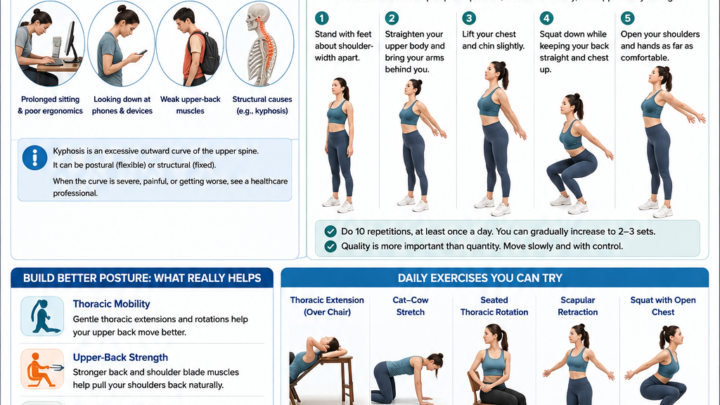
Muscles can also become tight after repetitive movement or inactivity. When the hips, thighs and calves are not moving comfortably, the entire leg may feel stiff or “compressed.” For some people, simply walking, stretching and changing position regularly makes a noticeable difference.
Cellulite is different. The familiar dimpled texture of the thighs is influenced by connective tissue, fat distribution, skin structure, hormones and genetics. It is extremely common and is not a sign that something is wrong with the body.
How Leg Massage for Swelling May Help
Gentle leg massage for swelling may help move superficial tissue fluid and temporarily reduce the sensation of heaviness in some people. The rhythmic pressure of massage can also encourage relaxation and make tight muscles feel more comfortable.
Massage may also temporarily increase local blood flow to the skin. This can create warmth, a slightly pinker appearance and a feeling that the legs have “woken up.”
The important word is temporarily.
Massage does not permanently reshape bones, remove fat cells or fundamentally realign the legs. A dramatic change immediately after massage is more likely to reflect temporary changes in fluid distribution, muscle tension and posture than actual fat loss.
Can Massage Get Rid of Cellulite?
Massage can sometimes make cellulite appear less noticeable for a short period because manipulating the tissue may temporarily alter fluid distribution and skin appearance.
That is different from eliminating cellulite.
Cellulite involves structural features beneath the skin, so rubbing, pinching or kneading cannot permanently “break it apart.” Aggressive massage may actually cause bruising, irritation and inflammation without improving the underlying condition.
If appearance is your main goal, think of massage as a skin-care and relaxation practice rather than a cellulite cure.
A Gentle Leg Massage Routine
Start somewhere comfortable where your leg can relax rather than remain tense. A bed, exercise mat or supportive chair can work well.
You may use a small amount of moisturizer or body oil if it reduces friction. Avoid products that irritate your skin.
Begin at the lower leg and use smooth, comfortable strokes rather than digging deeply into the tissue. Work gradually around the calves and thighs. Pressure should feel pleasant or mildly stimulating—not sharply painful.
Around the knees, be especially gentle. Massage the muscles above and around the knee rather than pressing aggressively into the kneecap or the back of the knee.
You can then finish with relaxed ankle movements, gentle knee bending and a short walk if comfortable.
A simple session of approximately five to ten minutes per leg is enough for most home self-care routines. More pressure is not necessarily better.
Should You Massage Behind the Knee?
This deserves special caution.
The area behind the knee contains important blood vessels, nerves and lymphatic structures. It is not a place to use forceful knuckles, deep digging or prolonged heavy pressure.
Light touch may feel comfortable, but aggressive massage of the back of the knee should be avoided.
The same principle applies to visible veins, unexplained lumps and areas that are unusually hot, red or painful.
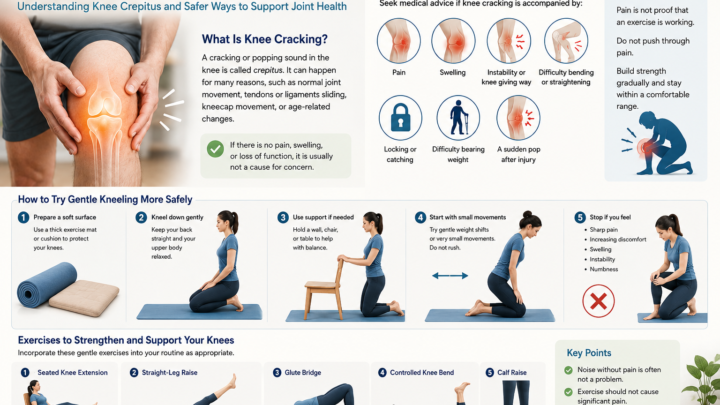
Can Leg Massage Improve Knee Pain?
Massage may help when part of the discomfort is coming from tight muscles surrounding the knee. The quadriceps, hamstrings and calf muscles all influence how the knee feels during movement.
Relaxing these tissues may temporarily make walking or bending feel easier.
However, knee pain can also come from osteoarthritis, ligament or meniscus injuries, inflammatory conditions and other problems that massage cannot correct.
Persistent knee pain, locking, instability or significant swelling needs proper assessment rather than increasingly aggressive self-massage.
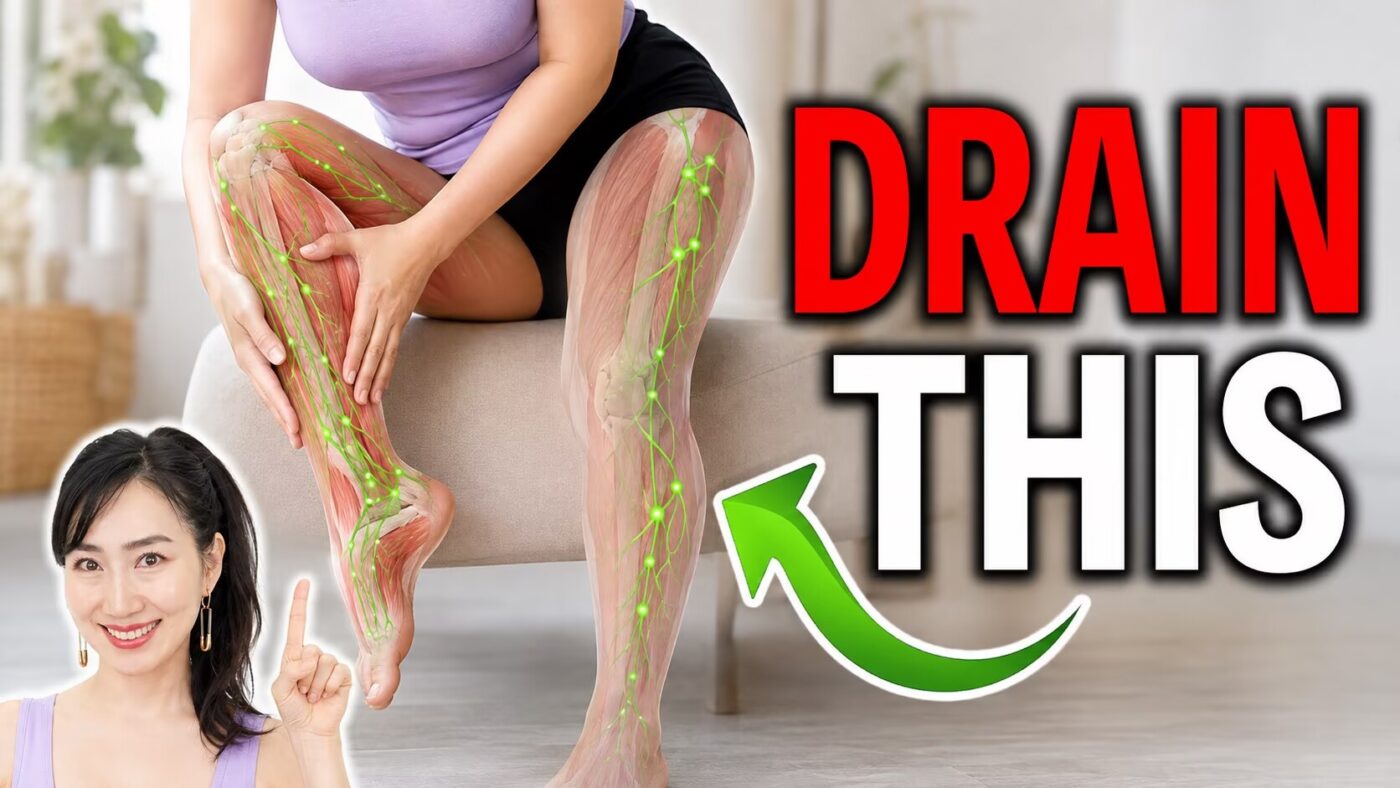
Massage and “Lymphatic Drainage”
The lymphatic system helps return fluid from tissues to the bloodstream and plays important roles in immune function. Normal body movement and muscle contractions already contribute to this process.
Specialized manual lymphatic drainage is a specific gentle technique often used by trained clinicians, particularly in people with certain forms of lymphedema.
That is not the same thing as vigorously crushing or squeezing the legs.
For ordinary healthy adults with occasional mild puffiness, walking, ankle movement, hydration appropriate to individual needs and avoiding prolonged immobility may be at least as important as massage.
Why Your Legs May Look Slightly Slimmer After Massage
If you compare one leg immediately after massage with an untouched leg, the massaged side can sometimes look smoother or slightly more defined.
There are several possible explanations.
Temporary shifts in superficial fluid can change contours. Warm muscles may relax differently. Skin may appear smoother after oil or moisturizer is applied. Your posture can also change once muscle tension decreases.
None of these means that a meaningful amount of body fat disappeared during a massage session.
Long-term changes in body composition still depend primarily on factors such as nutrition, physical activity, muscle development, sleep and overall metabolic health.
Do Not Use Pain as Proof That Massage Is Working
One of the most important corrections to popular massage videos is the idea that a painful spot proves “toxins,” “old waste” or blocked tissue is being broken apart.
Pain does not prove any of those things.
Tenderness can come from muscle soreness, irritated tissue, inflammation, bruising, nerve sensitivity or numerous other causes.
If massage produces sharp pain, burning, numbness, significant bruising or worsening swelling, stop.
A useful home massage should generally leave your legs feeling better—not injured.
Combine Massage With Movement
Massage works best as one part of a broader movement routine rather than the entire strategy.
After massage, try a few minutes of comfortable movement such as ankle circles, gentle calf raises, relaxed walking or simple hip mobility exercises.
Regular strength training can also help maintain muscle function around the hips and knees as you age.
For people who sit for long periods, simply getting up periodically and walking may have a greater long-term impact than repeatedly trying to massage away heaviness at the end of the day.
When Swollen Legs Should Not Be Massaged
Do not assume every swollen leg simply needs better circulation.
Seek medical care for sudden or unexplained swelling, particularly when only one leg is affected.
Redness, warmth, severe tenderness, shortness of breath, chest pain or sudden swelling can require urgent medical evaluation because blood clots and other serious conditions must be ruled out.
People with diagnosed lymphedema, significant vascular disease, heart or kidney disease, active infection, recent surgery or other medical conditions should ask a qualified healthcare professional whether massage is appropriate.
The Bottom Line
Leg massage for swelling can be a pleasant addition to a healthy self-care routine. Gentle massage may temporarily help with mild puffiness, muscle tightness, heaviness and relaxation, and moisturizing oils can leave the skin feeling softer and smoother.
What massage cannot reliably do is permanently drain “toxins,” melt leg fat, erase cellulite, reposition internal structures or cure knee disease.
That does not make massage useless. It simply means the real benefits are more realistic—and often more sustainable—when massage is combined with regular movement, strength, mobility work and appropriate medical care when symptoms are unusual.
Your legs do a remarkable amount of work every day. Caring for them does not require punishment or extreme pressure. Consistent movement, comfortable massage and attention to warning signs are a much better foundation for keeping them strong, mobile and comfortable over time.
FAQ
Can leg massage reduce swollen legs?
Gentle massage may temporarily reduce mild feelings of puffiness or heaviness in some people. Persistent, severe or unexplained swelling should be medically evaluated.
Can massage make thighs slimmer?
Massage can temporarily change fluid distribution and muscle tension, which may make the legs look slightly more defined. It does not directly remove a meaningful amount of body fat.
Does massage remove cellulite?
Massage may temporarily make the skin look smoother, but there is no good evidence that ordinary massage permanently eliminates cellulite.
How often can I massage my legs?
For healthy adults, a short gentle massage can often be performed regularly if it feels comfortable and does not cause bruising, pain or worsening swelling.
Is painful leg massage more effective?
No. Strong pain is not evidence that toxins, fat or “stagnation” are leaving the body. Excessive pressure can cause tissue irritation and bruising.
When should leg swelling be checked by a doctor?
New, persistent or one-sided swelling—especially with redness, warmth, significant pain, chest pain or shortness of breath—requires prompt medical attention.
Medical Disclaimer: This article is for educational purposes only and is not medical advice. Massage should not be used to diagnose or treat unexplained leg swelling, severe knee pain, vascular disease or other medical conditions. Seek professional medical evaluation for persistent or concerning symptoms.
This article is for general education and does not replace individualized care from a qualified health professional. Seek appropriate advice for persistent, severe, or concerning symptoms.
Read the full medical disclaimer