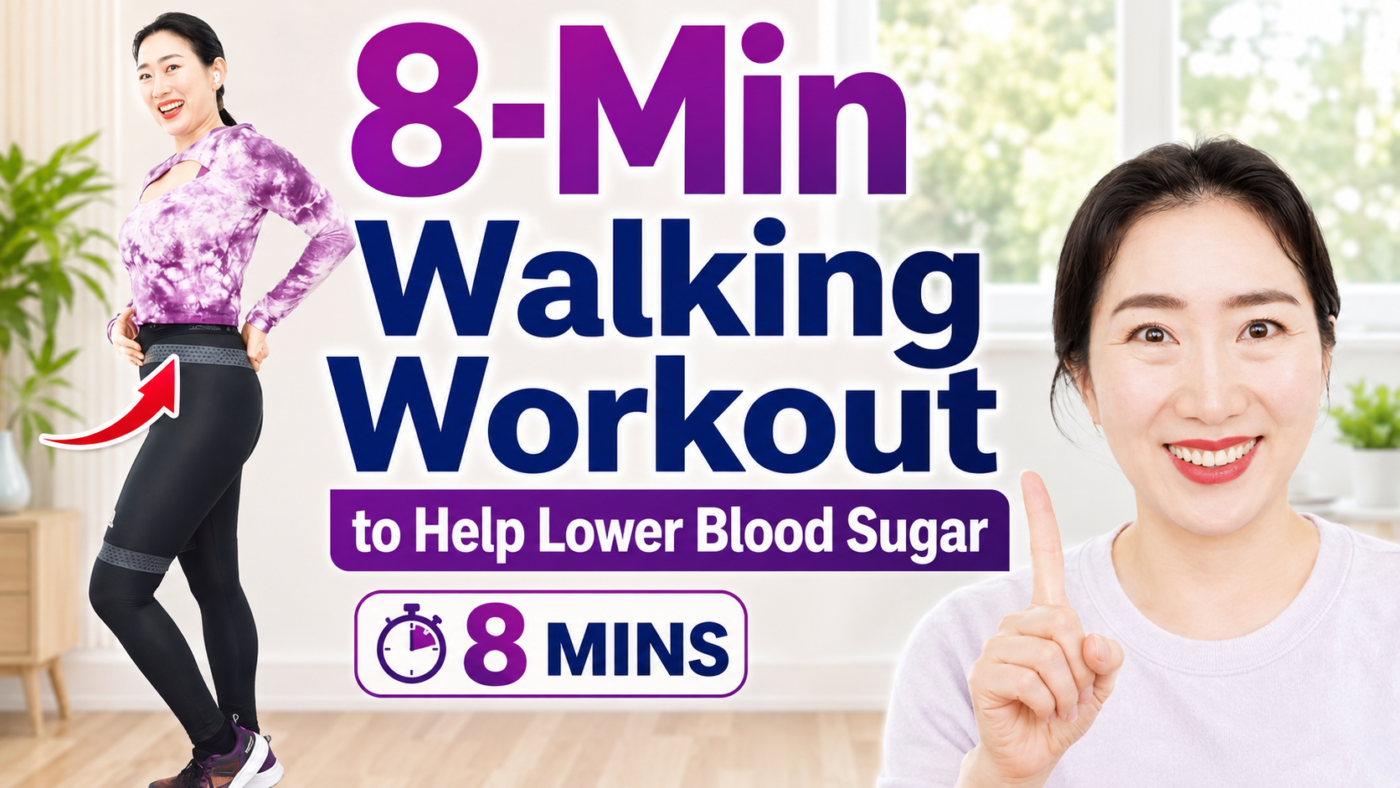
Walking after meals after 40 may be one of the simplest ways to add meaningful movement to your day.
You do not need a gym.
You do not need complicated equipment.
And you do not necessarily need a long workout.
A short walk after eating can help your working muscles use glucose, reduce prolonged sitting, and contribute to your overall weekly activity.
Research increasingly supports the idea that movement performed after meals can reduce post-meal glucose excursions.
That does not mean a 10-minute walk cures diabetes.
It does not mean you should stop prescribed medication.
And it does not mean tapping your knees releases a magical hormone that instantly lowers blood sugar.
The real science is both simpler and more useful:
Muscles use glucose when they move.
That is why a short post-meal walk can be a valuable habit—especially as we get older.
Why Blood Sugar Rises After a Meal
After you eat carbohydrates, digestion breaks many of them down into glucose.
Glucose enters the bloodstream.
In response, the pancreas releases insulin.
Insulin helps move glucose into tissues where it can be:
- Used for energy
- Stored as glycogen
- Used in other metabolic processes
A rise in blood glucose after eating is normal.
The problem is not that blood sugar increases at all.
The concern is when glucose rises excessively or remains elevated repeatedly over time.
Does Every Meal Automatically Turn Into Fat?
No.
The original video oversimplifies this process.
Eating raises blood glucose and insulin, but that does not mean every post-meal glucose increase is immediately converted into body fat.
Body-fat gain depends mainly on longer-term energy balance.
If you consistently consume more energy than you use, excess energy can eventually be stored.
One meal does not automatically create obesity because glucose rose afterward.
Why Walking After Meals Can Help
Muscle contraction increases glucose uptake.
When your leg muscles work during walking, they need energy.
This can help move glucose from the bloodstream into active muscle.
That is one reason post-meal physical activity can reduce the size of postprandial glucose spikes.
A 2023 systematic review and meta-analysis found that exercise performed after eating lowered post-meal glucose excursions compared with pre-meal exercise and inactive control conditions, with earlier post-meal activity generally appearing favorable.
Is Walking After Meals Better Than Sitting?
Generally, yes.
A recent systematic review and meta-analysis examining breaks in prolonged sitting found that short activity breaks reduced postprandial glucose and insulin compared with uninterrupted sitting.
Walking breaks showed particularly favorable effects.
This is important because many adults spend most of the day seated.
Even brief periods of movement can help break up that pattern.
How Soon After Eating Should You Walk?
There is no single perfect minute for everybody.
Some evidence suggests that starting relatively soon after a meal can help reduce the immediate glucose rise.
A systematic review found that exercise after food intake generally produced better acute post-meal glucose control than exercise before meals, although study protocols varied.
One randomized trial found that even a 10-minute walk immediately after glucose intake lowered the two-hour glucose response compared with resting.
So rather than obsessing over an exact 20-minute deadline, a practical rule is:
Move reasonably soon after eating when it is comfortable and safe.
Is 10 Minutes Enough?
Ten minutes can be worthwhile.
Short walks accumulate.
A 10-minute walk after breakfast, lunch and dinner would provide 30 minutes of additional movement across the day.
CDC guidance emphasizes that physical activity can be broken into smaller chunks rather than completed all at once.
That makes post-meal walking especially practical for busy adults.
Do You Need to Walk Fast?
Not necessarily.
A comfortable walk is better than remaining completely sedentary.
A brisker pace may increase energy expenditure and cardiovascular demand, but the best intensity depends on:
- Fitness level
- Joint health
- Medication
- Blood-sugar control
- Balance
- Cardiovascular health
For many adults over 40, a moderate pace is an excellent starting point.
A Simple Talk-Test
At a moderate walking intensity:
You should breathe somewhat faster.
But you should still be able to speak in sentences.
If you cannot talk comfortably, slow down.
Can Post-Meal Walking Help People With Type 2 Diabetes?
Yes, it can be a useful part of diabetes management.
Research in people with type 2 diabetes has found benefits from post-meal physical activity.
A randomized crossover study found that walking after meals improved postprandial glycemia more effectively than general advice to walk without specifying meal timing.
A 2026 systematic review and meta-analysis also found that acute postprandial exercise improved several continuous-glucose-monitoring outcomes in adults with type 2 diabetes.
But this does not mean walking replaces medication.
Never Stop Diabetes Medication Because of a Testimonial
One of the biggest problems in the original video is the statement that a viewer stopped diabetes medication and that this “proves” the exercise works.
It does not.
Medication decisions depend on:
- Blood glucose
- HbA1c
- Kidney function
- Other medical conditions
- Weight changes
- Diet
- Medication interactions
Only a qualified clinician who knows your medical history should adjust diabetes medication.
Exercise can be powerful.
But it should be integrated into medical care—not substituted for it based on an online testimonial.
What About Osteocalcin?
Osteocalcin is a protein produced mainly by bone-forming cells.
Scientists have studied its relationship with:
- Bone metabolism
- Exercise
- Glucose metabolism
- Energy regulation
This is a legitimate area of research.
A recent systematic review and meta-analysis reported that systematic exercise training can influence osteocalcin levels.
However, this does not prove that tapping the knees or striking the heels releases enough osteocalcin to lower blood sugar.
That claim goes beyond the evidence.
Should You Knock Your Knees to Lower Blood Sugar?
No evidence shows that you need to.
You may gently tap your thighs or knees if it feels enjoyable as part of rhythmic exercise.
But the blood-sugar benefit comes primarily from moving the muscles, not from “releasing bone hormones by tapping.”
What About Heel Drops?
Gentle heel raises and controlled heel lowering can be useful exercises.
They work:
- Calves
- Ankles
- Balance
- Lower-leg muscles
But stomping the heels is not a proven glucose-lowering hormone technique.
If you have:
- Osteoporosis
- Heel pain
- Joint problems
- Balance issues
avoid forceful impact.
Can Walking Help Healthy Aging?
Absolutely.
Walking is among the most accessible forms of physical activity.
Regular physical activity supports:
- Cardiovascular health
- Brain health
- Weight management
- Muscle function
- Sleep
- Mood
- Blood-pressure control
- Reduced risk of several chronic diseases
CDC describes regular physical activity as one of the most important things adults can do for health.
Does Walking Make You “20 Years Younger”?
No exercise literally reverses chronological age by 20 years.
But regular physical activity can help preserve physical function and reduce chronic-disease risk.
That is a much more meaningful goal.
Can Walking Rejuvenate the Brain?
“Rejuvenate” is marketing language.
But physical activity does support brain health.
Regular movement is associated with benefits for cognition, mood and overall neurological health.
So a better formulation is:
Walking supports healthy brain aging.
Is Walking the Ultimate Exercise?
Walking is excellent.
But it is not the only exercise adults need.
For complete healthy-aging fitness, include:
- Aerobic activity
- Strength training
- Balance work
- Mobility
CDC recommends adults get at least 150 minutes of moderate-intensity aerobic activity per week and at least 2 days of muscle-strengthening exercise.
Walking can cover much of the aerobic component.
It does not fully replace strength training.
An 8-Minute Indoor Post-Meal Walking Routine
If you cannot walk outdoors immediately after eating, you can still move indoors.
Here is a safer version inspired by the original routine.
Minute 1: Easy March
Stand tall.
March gently in place.
Let the arms swing naturally.
Keep the pace comfortable.
Minute 2: March With Arm Reach
Continue marching.
Reach the arms slightly forward and upward.
Do not force the shoulders.
Minute 3: Alternating Knee Tap
Lift one knee gently.
Tap it lightly with the opposite hand.
Alternate sides.
The goal is coordination—not striking the knee.
Minute 4: Heel Raise and Lower
Rise gently onto the balls of the feet.
Lower slowly.
Repeat.
Use a chair for balance if needed.
Do not slam the heels into the floor.
Minute 5: Forward and Back Steps
Step one foot forward.
Return.
Step backward.
Return.
Alternate sides.
Minute 6: Side Steps
Step right.
Bring the feet together.
Step left.
Continue rhythmically.
Minute 7: March With Overhead Reach
Continue marching.
Raise the arms only as high as comfortable.
Keep breathing.
Minute 8: Easy Cool-Down Walk
Slow the pace.
Relax the shoulders.
Breathe normally.
Finish when your breathing has settled.
Is Indoor Marching as Good as Walking?
It can still be useful.
Research suggests that different forms of post-meal muscular activity may improve glucose response, although walking is especially well studied. PubMed
If bad weather, work or mobility limitations prevent an outdoor walk, moving indoors is still much better than remaining seated.
How Long Should You Walk After Meals?
A practical starting range is:
5–15 minutes
You can increase gradually.
You do not need to turn every meal into a major workout.
For general health, your overall weekly activity remains important.
Do You Have to Walk After Every Meal?
No.
Choose the meals where it fits naturally.
For example:
- 10 minutes after dinner
- 10 minutes after lunch
- 5 minutes after breakfast
Consistency matters more than perfection.
Can You Walk Immediately After Eating?
Many people can.
But if you experience:
- Reflux
- Abdominal discomfort
- Cramping
- Nausea
wait a little longer or reduce the intensity.
A gentle walk is different from vigorous running immediately after a large meal.
What If You Have Diabetes?
Exercise can lower blood glucose.
That is beneficial, but it can also matter for medication management.
People using insulin or medications that can cause hypoglycemia may need individualized guidance about:
- Meal timing
- Exercise timing
- Blood-glucose monitoring
- Medication doses
- Carbohydrate intake
Do not change medication independently.
Warning Signs During Exercise
Stop and seek appropriate care if you experience:
- Chest pain
- Fainting
- Severe shortness of breath
- Confusion
- Sudden weakness
- Severe dizziness
For people with diabetes, symptoms such as shaking, sweating, confusion or sudden weakness can also indicate hypoglycemia.
Can Walking Help With Weight Loss?
Yes—but again, the mechanism matters.
Walking increases energy expenditure.
Weight loss occurs when energy expenditure and dietary intake create a sustained calorie deficit.
CDC notes that physical activity contributes to weight management, although calorie reduction is usually a major part of weight loss.
Walking vs. Gym Workouts
You do not have to choose one.
Walking is excellent for:
- Daily activity
- Cardiovascular health
- Post-meal glucose
- Low-impact movement
Strength training is excellent for:
- Muscle
- Bone
- Strength
- Function
They work best together.
Why Walking After 40 Is Especially Practical
As people enter midlife, exercise adherence often becomes the biggest challenge.
Long gym sessions may be difficult to fit around:
- Work
- Family
- Travel
- Joint discomfort
- Low energy
A short walk is easier to repeat.
And repeated habits are what create long-term change.
The Bottom Line
Walking after meals after 40 is one of the simplest evidence-supported habits you can add to your day.
Post-meal movement can help reduce glucose excursions, especially compared with remaining sedentary.
But you do not need:
- Aggressive heel striking
- Knee pounding
- “Bone hormone activation”
- A strict 20-minute deadline
- Claims of becoming 20 years younger
And you should never stop diabetes medication because someone online did.
The useful message is much simpler:
Eat. Move. Repeat consistently.
Even a short walk counts.
Frequently Asked Questions
Is walking after meals good for blood sugar?
Yes. Research supports post-meal physical activity as a way to reduce acute postprandial glucose excursions.
How soon after eating should I walk?
There is no exact universal rule, but walking relatively soon after a meal appears useful for many people.
Is 10 minutes enough?
Ten minutes can produce measurable benefits and contributes to total daily activity.
Do I have to walk outside?
No. Indoor marching or stepping can also provide muscular activity.
Does tapping my knees release osteocalcin?
There is insufficient evidence that knee tapping meaningfully releases osteocalcin or lowers blood sugar.
Can walking replace diabetes medication?
No. Medication changes should only be made with a qualified healthcare professional.
Can walking help with weight loss?
Yes, by increasing energy expenditure as part of an overall calorie deficit.
Should I walk after every meal?
Not necessarily. Choose a schedule you can maintain.
Is walking enough for healthy aging?
It is excellent aerobic activity, but strength training should also be included.
How much exercise should adults get?
At least 150 minutes of moderate-intensity aerobic activity per week plus muscle-strengthening exercise on at least two days.
Medical Disclaimer:
This article is for educational and informational purposes only and is not medical advice. People with diabetes who take insulin or glucose-lowering medications should discuss exercise timing and hypoglycemia risk with their healthcare professional. Do not stop or reduce prescribed medication because of an exercise video or testimonial. Stop exercising and seek medical care for chest pain, fainting, severe shortness of breath, confusion, or other concerning symptoms.
References
- Engeroff T, Groneberg DA, Wilke J. After Dinner Rest a While, After Supper Walk a Mile? A Systematic Review With Meta-analysis on the Acute Postprandial Glycemic Response to Exercise Before and After Meal Ingestion. Sports Medicine. 2023.
- Effect of Acute Postprandial Exercise on Continuous Glucose Monitoring Outcomes in Type 2 Diabetes: A Systematic Review and Meta-analysis of Crossover Trials. 2026.
- The Acute Effects of Interrupting Prolonged Sitting With Regular Activity Breaks on Postprandial Glucose and Insulin in Adults: A Systematic Review and Meta-Analysis. 2026.
- Reynolds AN, et al. Advice to Walk After Meals Is More Effective for Lowering Postprandial Glycaemia in Type 2 Diabetes Mellitus.
- Centers for Disease Control and Prevention. Adult Activity: An Overview.
This article is for general education and does not replace individualized care from a qualified health professional. Seek appropriate advice for persistent, severe, or concerning symptoms.
Read the full medical disclaimer