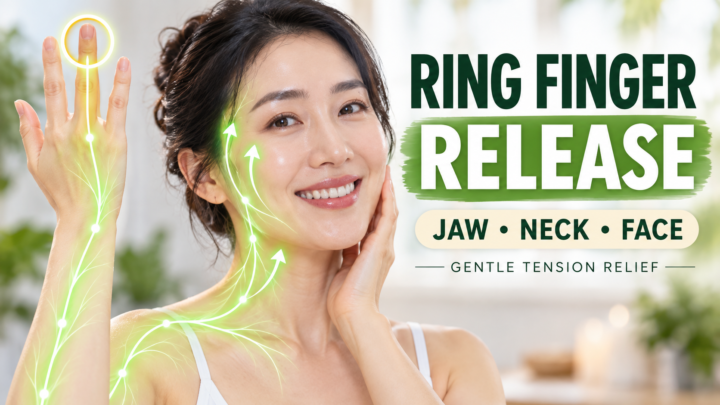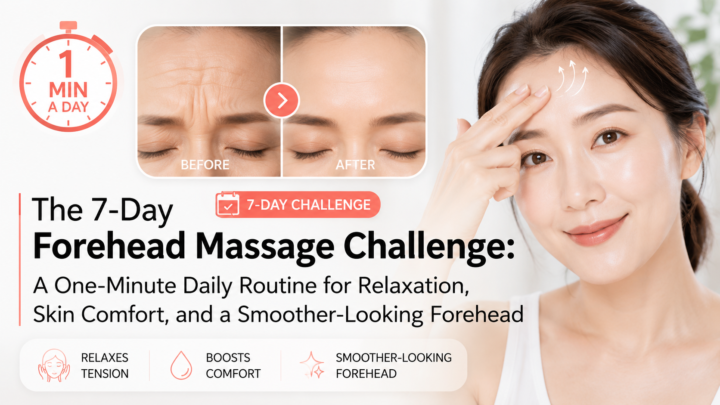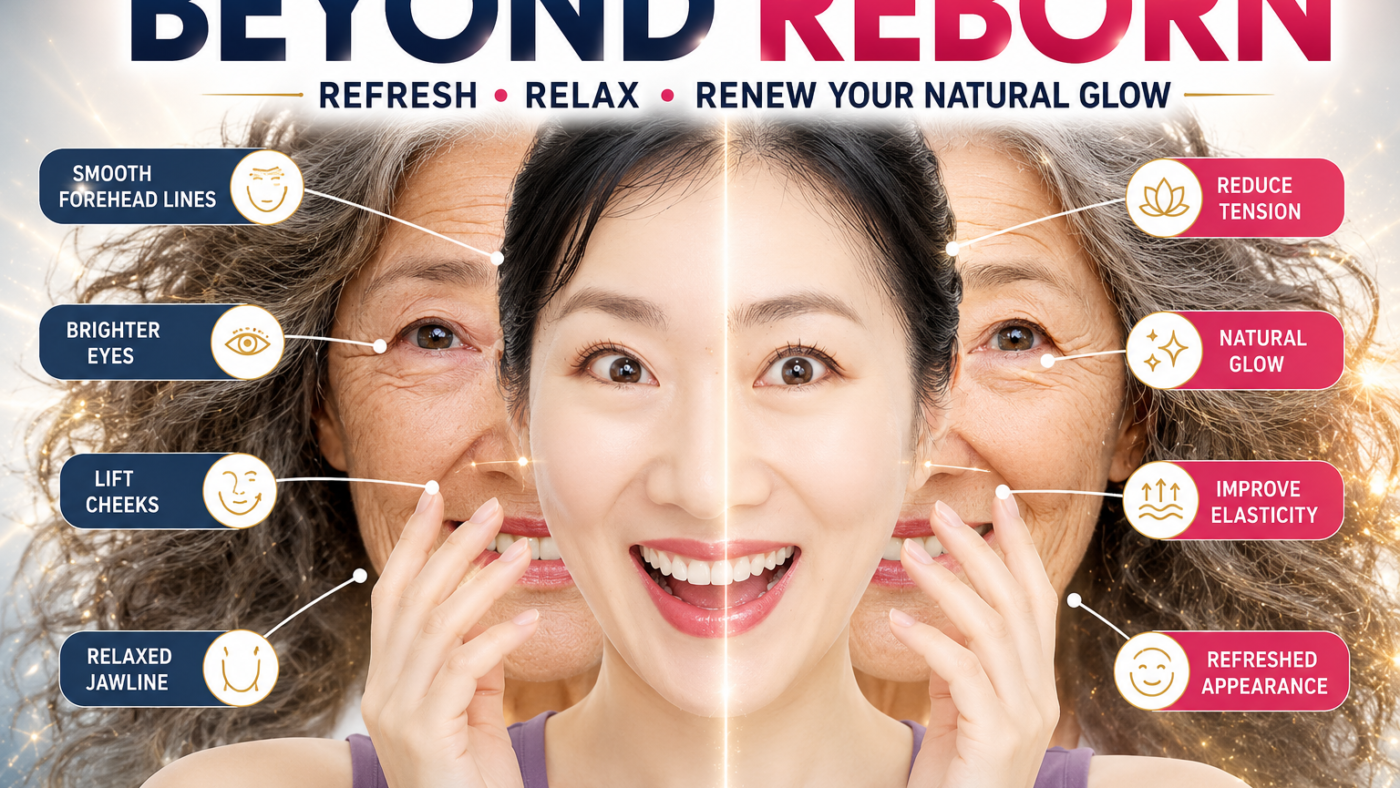
Looking at an older photograph can sometimes make you wonder why your face appeared fresher or more rested just a year ago. Facial appearance can change for many reasons, including sleep, stress, hydration, sun exposure, normal aging, changes in body weight, facial expressions and even how much tension you habitually carry through your jaw, neck and shoulders.
That does not mean your face has suddenly “aged decades” or that a few exercises can reverse biological aging. However, gentle facial movements, massage and relaxation exercises may temporarily reduce feelings of muscular tension and help the face feel more comfortable and refreshed.
The goal is not to force your face into looking younger. A more useful approach is to support mobility, relaxation and healthy daily habits while accepting the normal changes that occur with age.
Why Your Face May Look More Tired at Certain Times
Facial appearance is surprisingly dynamic. Poor sleep can contribute to puffy eyes and a tired appearance. Stress may cause some people to clench their jaw, tighten their forehead or elevate their shoulders. Long periods spent looking at screens can also encourage a forward-head posture and neck discomfort.
Dehydration, alcohol consumption, high-sodium meals, allergies and temporary fluid retention can further affect how the face looks from one day to another.
These short-term changes should not be confused with structural facial aging. Normal aging involves complex changes in the skin, connective tissue, fat compartments, muscles and underlying bone. No facial exercise can completely prevent those processes.
Still, reducing unnecessary muscular tension can be worthwhile for comfort and may leave the face looking temporarily more relaxed.
1. Begin With the Neck and Shoulders
Before concentrating on the face itself, pay attention to your shoulders and neck.
Many people unconsciously raise their shoulders during periods of stress. The upper trapezius muscles can consequently feel tight or fatigued.
Sit or stand comfortably with your spine tall. Allow your shoulders to drop naturally. Slowly tilt your head toward one shoulder until you feel a mild stretch along the opposite side of your neck.
Hold briefly while breathing normally, then repeat on the other side.
The stretch should feel gentle rather than painful. Avoid pulling aggressively on your head or forcing your neck beyond its comfortable range.
2. Relax Your Jaw
Jaw tension is extremely common, particularly among people who clench their teeth when concentrating or sleeping.
Let your lips rest together while keeping your teeth slightly apart. Allow your tongue and jaw to relax.
Slowly open and close your mouth several times without forcing the movement. You can also gently massage the muscles around the jaw with your fingertips.
This is not a method for permanently changing the shape of your jawline. Its more realistic purpose is to increase awareness of habitual clenching and encourage relaxation.
Persistent jaw pain, clicking, locking or difficulty opening the mouth should be evaluated by a dentist or healthcare professional.
3. Try Gentle Tongue Mobility Exercises
The tongue works together with numerous muscles and structures involved in speaking, chewing and swallowing.
A simple mobility exercise is to slowly move your tongue around the inside of your mouth. Trace the inside of your upper and lower gums without straining.
You can then gently extend your tongue forward for a moment before relaxing it.
These movements should be viewed as oral-motor exercises rather than a “natural facelift.” Evidence that tongue exercises can substantially tighten loose facial skin or reverse facial aging is lacking.
If you experience jaw pain, swallowing problems or unusual tongue weakness, seek professional evaluation instead of trying to exercise through the problem.
4. Practice Controlled Facial Expressions
Facial muscles are active throughout the day whenever you speak, smile, squint or express emotion.
For a simple awareness exercise, gently lift the corners of your mouth while keeping your forehead relaxed. Hold the expression briefly and then completely release it.
Next, form several exaggerated vowel shapes with your mouth, moving slowly rather than forcefully.
The objective is controlled movement—not creating the strongest possible contraction.
Repeated aggressive facial movements are unnecessary and may irritate sensitive skin or aggravate jaw tension in some people.
5. Be Especially Gentle Around the Eyes
The skin surrounding the eyes is thin and delicate, so aggressive rubbing, pulling or shaking is not advisable.
Instead, close your eyes comfortably and consciously relax your forehead, eyebrows and eyelids.
After several slow breaths, open your eyes normally and focus on an object across the room. If you spend long periods looking at screens, periodically shifting your gaze toward distant objects can also give your eyes a break from sustained near focusing.
This should not be described as reversing eye aging or restoring vision. Eye exercises do not replace professional treatment for refractive errors, cataracts, glaucoma, retinal disease or other eye conditions.
If you experience persistent blurred vision, eye pain, flashes, new floaters or sudden changes in vision, seek appropriate medical care.
6. Use Light Facial Massage
A gentle facial massage can feel relaxing and may temporarily increase local skin blood flow.
Using clean hands, apply light pressure along the cheeks, temples and jaw. Avoid dragging the skin aggressively.
The area around the eyes deserves particularly light contact.
Facial massage may produce temporary changes in puffiness or appearance, but it should not be presented as a proven method for permanently lifting sagging tissue, eliminating wrinkles or rebuilding facial collagen.
People who have recently undergone facial surgery, injections, laser procedures or other cosmetic treatments should follow their clinician’s instructions before performing massage.
7. Finish With Slow Breathing and Relaxation
After the movements, place your hands comfortably on your lap and take several slow breaths.
Notice whether your jaw is clenched.
Let it soften.
Notice your shoulders.
Allow them to drop.
Relax the muscles between your eyebrows and resist the urge to continually “hold” your face in a lifted position.
This final relaxation may actually be one of the most useful parts of the routine because it encourages awareness of unconscious muscular tension.
Can Facial Exercises Really Make You Look Younger?
This is where expectations matter.
Research into facial exercises and facial appearance remains limited. Some small studies have suggested that structured facial exercise programs could influence perceptions of facial fullness or appearance, but the evidence is not strong enough to conclude that facial exercises reliably reverse aging or provide results comparable with medical or cosmetic procedures.
Short-term improvements seen immediately after massage or exercise may also reflect temporary changes in muscle activation, circulation, expression or fluid distribution rather than permanent structural rejuvenation.
Therefore, claims such as “reverse aging,” “look 20 years younger” or “lift sagging skin instantly” should be treated cautiously.
A better reason to practice gentle facial exercises is because they may help you become aware of tension, encourage comfortable movement and create a relaxing self-care routine.
What Actually Matters Most for Healthy-Looking Skin?
Facial exercises are only a small piece of the healthy-aging picture.
Daily sun protection is particularly important because ultraviolet exposure contributes substantially to premature skin aging. Adequate sleep, avoiding smoking, eating a nutritionally balanced diet, staying physically active and following a suitable skincare routine are also more established strategies for supporting skin health.
Stress management matters as well—not because stress simply “sits inside your face,” but because chronic stress can influence sleep, behaviors and overall well-being.
A five- or ten-minute facial routine can complement these habits, but it should not replace them.
When to Stop
Facial and neck exercises should not hurt.
Stop if a movement causes sharp pain, dizziness, numbness, significant headache, worsening jaw symptoms or visual disturbances.
Avoid forceful pressure on the front or sides of the neck. Be particularly cautious if you have a history of neck injury, temporomandibular joint problems, neurological conditions, recent facial procedures or other medical issues affecting the area.
When uncertain, ask an appropriate healthcare professional whether a particular exercise is suitable for you.
The Bottom Line
Gentle facial exercises cannot turn back the biological clock, but that does not make them useless.
Relaxing the jaw, mobilizing the neck, gently moving facial muscles and becoming more aware of habitual tension can be pleasant additions to a healthy-aging routine. The most sensible goal is not to chase an unrealistic promise of becoming decades younger overnight.
Instead, use these techniques to help your face feel relaxed, comfortable and expressive while supporting your skin and overall health with habits backed by stronger evidence.
A relaxed, well-rested and healthy face often looks more vibrant—and that is a far more realistic goal than trying to stop aging altogether.
Frequently Asked Questions
Can facial exercises reverse aging?
There is currently insufficient evidence to say that facial exercises reverse biological aging. They may help with muscle awareness, mobility and relaxation, and some people may notice temporary changes in appearance.
Can facial exercises tighten sagging skin?
They cannot reliably eliminate significant skin laxity. Facial sagging is influenced by changes in skin, connective tissue, fat and bone as well as muscle.
Can facial massage improve circulation?
Gentle massage can temporarily increase local skin blood flow and may feel relaxing, although this does not necessarily produce permanent lifting or anti-aging effects.
How often can I practice facial exercises?
A short, gentle routine several times per week may be reasonable for many healthy adults. More force is not necessarily better. Stop if exercises cause pain or persistent discomfort.
Are tongue exercises a natural facelift?
No strong clinical evidence supports describing tongue exercises as a facelift. Tongue movement can be part of oral-motor activity, but claims that it dramatically reverses facial aging are not established.
Medical DisclaimerThis article is for educational and informational purposes only and is not intended to diagnose, treat, cure, or prevent any disease or medical condition. Facial, jaw, neck, or eye symptoms can have many causes. Stop any exercise that causes pain or unusual symptoms and seek professional medical advice when appropriate.
This article is for general education and does not replace individualized care from a qualified health professional. Seek appropriate advice for persistent, severe, or concerning symptoms.
Read the full medical disclaimer