For many people, morning begins like an emergency.
The alarm rings.
You jump out of bed.
Check your phone.
Drink coffee.
Rush through breakfast or skip it completely.
Then you immediately begin working, commuting or exercising.
There is another philosophy.
Instead of forcing the body into full speed the moment you open your eyes, traditional Chinese wellness practices often emphasize a gradual transition from sleep into activity.
This philosophy is part of a broader Chinese concept known as Yang Sheng.
Yang Sheng can be translated approximately as nourishing life or cultivating health.
It is not one specific treatment.
It is a way of thinking about everyday habits.
The basic idea is remarkably simple.
Health is influenced not only by dramatic interventions but also by the small things you repeatedly do every day.
How you wake up.
How you eat.
How you move.
How you rest.
How you respond to your body’s signals.
A slower morning will not cure disease or magically transform your health.
But it may help create a routine that feels calmer, more sustainable and more attentive to your physical needs.
The Main Principle: Do Not Treat Morning Like a Race
Sleep is a period of relative inactivity.
When you wake, your body begins transitioning into a more active state.
There is no medical requirement to remain in bed for several minutes, and healthy people can certainly get up immediately if they feel well.
But psychologically and physically, many people enjoy a more gradual start.
Instead of going from sleep to stress in seconds, you can create a transition.
Stretch.
Breathe.
Sit up slowly.
Drink something.
Move gently.
Allow yourself to become fully awake before beginning the most demanding part of your day.
This approach is less about following a strict ancient rule and more about changing the tone of your morning.
- Give Yourself a Few Minutes Before Getting Out of Bed
Many productivity routines encourage you to jump out of bed immediately when your alarm rings.
That can work for some people.
But it is not the only healthy way to wake up.
Try spending two or three minutes gently moving before standing.
Move your ankles.
Flex your feet.
Stretch your arms overhead.
Turn your shoulders.
Take several slow breaths.
Then sit up.
If you occasionally feel lightheaded when standing, moving gradually may also feel more comfortable.
The purpose is not to perform an elaborate exercise routine in bed.
It is simply to stop treating waking up as an abrupt transition.
A Calmer Morning Can Also Help Your Mind
Your body is only part of the equation.
What happens to your attention during the first few minutes of the day also matters.
Many people reach for their phone before their feet touch the floor.
Messages.
News.
Email.
Social media.
Work.
You may immediately begin reacting to other people’s priorities.
Try protecting a small part of your morning instead.
You could spend five minutes doing one of the following:
Quiet breathing.
Prayer.
Meditation.
Reading.
Gratitude.
Journaling.
Gentle stretching.
Simply sitting quietly with a drink.
You do not need to do all of them.
Choose something that helps you begin the day intentionally rather than reactively.
- Start With Water
After several hours of sleep, having some water in the morning is a simple way to begin the day.
Traditional Chinese wellness often favors warm or room temperature water.
Many people find warm water soothing, especially in colder weather or when they have a sensitive stomach.
But an important distinction is necessary.
Cold water is not inherently unhealthy for most people.
There is no good evidence that drinking ordinary cold water damages the digestive system, slows metabolism in a clinically meaningful way or harms the uterus.
If you enjoy cold water and it causes no symptoms, there is generally no reason to fear it.
If very cold drinks make you uncomfortable, however, choosing room temperature or warm water is perfectly reasonable.
Wellness should adapt to your body rather than forcing everyone to follow the same preference.
Traditional Chinese Medicine and Cold Foods
Traditional Chinese Medicine describes foods and drinks using concepts such as warming, cooling, yin and yang.
Within this framework, excessive cold is traditionally believed to weaken digestive function in some individuals.
Some practitioners also use terms such as cold in the uterus or cold womb when describing certain symptom patterns.
These are traditional diagnostic concepts.
They are not equivalent to modern medical diagnoses.
Drinking cold water has not been shown to damage the uterus or cause infertility.
Anyone experiencing persistent pelvic pain, severe menstrual symptoms or fertility concerns should seek appropriate medical evaluation rather than assuming that cold foods or drinks are the cause.
Traditional ideas can be appreciated as part of a cultural wellness system without presenting them as proven biomedical facts.
- Be Thoughtful About Morning Coffee
Coffee is one of the world’s most popular morning rituals.
And for most healthy adults, moderate coffee consumption can fit comfortably into a healthy lifestyle.
The claim that coffee on an empty stomach is universally damaging is too strong.
Coffee does not automatically injure the stomach simply because no food has been eaten.
However, individual tolerance varies.
Some people notice:
Heartburn.
Acid reflux.
Nausea.
Stomach discomfort.
Jitters.
Urgent bowel movements.
Increased anxiety.
If coffee on an empty stomach repeatedly makes you feel uncomfortable, having food first may help.
That is a practical response to your body’s experience rather than a universal rule.
What Should You Eat Before Coffee?
You do not need a special food to coat the stomach.
A normal breakfast is enough if eating before coffee makes you feel better.
Simple options include:
An egg.
Oatmeal.
Whole grain toast.
A banana.
Sweet potato.
Yogurt if you tolerate it well.
Congee.
Fruit with nuts.
There is also no medical need to swallow a spoonful of olive oil before coffee to create a protective stomach lining.
Extra virgin olive oil can be part of a nutritious diet, but it should be treated as food rather than as a protective coating for coffee.
- Choose a Breakfast That Feels Comfortable
Traditional Chinese breakfasts are often warm, simple and lightly seasoned.
One classic example is congee.
Congee is rice cooked with a large amount of water until it develops a soft porridge like texture.
Other common breakfast foods can include:
Eggs.
Steamed sweet potato.
Vegetables.
Soy foods.
Rice dishes.
Warm soups.
Different regions of China have very different breakfast traditions, so there is no single Chinese breakfast.
From a modern nutritional perspective, a useful breakfast often combines some protein, fiber and minimally processed foods.
The best breakfast also depends on your appetite, schedule, health needs and cultural preferences.
Do You Actually Need Breakfast?
Not everyone feels hungry immediately after waking.
That is normal.
Breakfast is not automatically mandatory for every healthy adult.
Some people feel excellent eating early.
Others prefer eating later.
Instead of forcing food because of a rule, pay attention to how your eating pattern affects:
Energy.
Concentration.
Hunger.
Digestion.
Exercise.
Mood.
Later food choices.
If skipping breakfast repeatedly leaves you exhausted and ravenous by midday, eating earlier may help.
If you naturally prefer a later first meal and still meet your nutritional needs, that can also work.
Why Warm Breakfasts Feel Good to Some People
Warm food does not have magical healing properties.
But temperature affects comfort.
A bowl of warm oatmeal or congee can feel soothing on a cold morning.
Cooked foods may also be easier for some people to tolerate than large amounts of raw food first thing in the day.
For someone with a sensitive digestive system, a simple warm breakfast can therefore be a pleasant practical choice.
The key word is comfort.
Not fear.
- Move Gently Before Moving Intensely
Morning movement can be extremely simple.
You do not need a brutal workout at sunrise.
A few minutes of movement can help reduce the stiffness that often appears after sleeping.
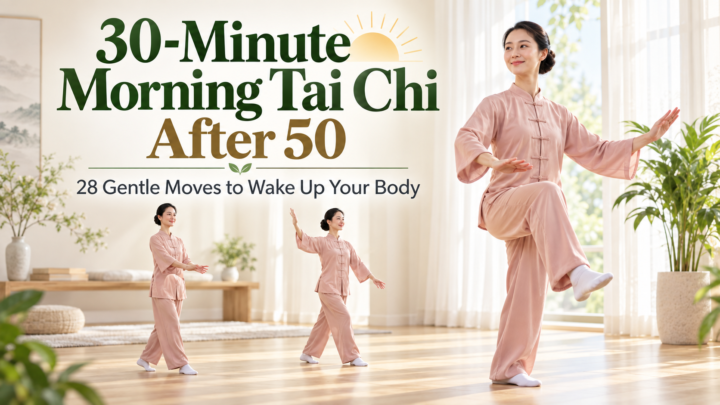
Traditional Chinese wellness practices such as Qigong are particularly suited to this type of morning activity.
Qigong usually combines:
Slow movements.
Controlled breathing.
Relaxed posture.
Balance.
Focused attention.
Gentle stretching.
For many people, this makes it an accessible way to begin moving without immediately demanding maximum effort.
Morning Movement Does Not Have to Be Qigong
The same principle can apply to many activities.
Walking.
Mobility exercises.
Tai chi.
Yoga.
Pilates.
Ballet practice.
Easy cycling.
Light resistance exercise.
Dynamic stretching.
The best form of movement is one you can perform safely and consistently.
If you prefer strength training in the morning, you do not have to abandon it.
Simply warm up appropriately before lifting heavily.
Your joints, muscles and nervous system benefit from preparation regardless of what time you exercise.
A Simple Five Minute Morning Movement Routine
Start standing comfortably with your feet approximately hip width apart.
Relax your shoulders.
Take a slow breath.
Circle your shoulders several times.
Gently turn your upper body from side to side.
Swing your arms loosely.
Perform several slow bodyweight squats if they are comfortable for you.
Raise your arms overhead while inhaling.
Lower them while exhaling.
Walk around for a minute.
That is enough to begin.
If your body feels good, continue into a longer workout.
If not, a few minutes of gentle movement still counts.
You Do Not Need to Exercise at the Perfect Time
There is no universal rule that morning is medically superior to afternoon or evening exercise.
Different people perform better at different times.
Morning exercise may be useful because it is easier for some people to complete before work and other responsibilities interfere.
Other people feel stronger later in the day.
The best exercise schedule is usually the one that supports consistency, recovery and sleep.
Do not turn another wellness habit into another source of pressure.
The Bigger Idea Behind Yang Sheng
The most interesting part of traditional Chinese wellness may not be any single rule.
It is the emphasis on patterns.
One morning does not determine your health.
One glass of ice water does not ruin your digestion.
One skipped breakfast does not destroy your metabolism.
One intense workout does not determine your fitness.
Your overall pattern matters much more.
Yang Sheng encourages you to consider the accumulated effect of everyday behavior.
Sleep consistently.
Eat reasonably.
Move.
Rest.
Manage stress.
Adapt to your environment.
Pay attention to your body.
Repeat.
Listen to Your Body, But Interpret the Signals Carefully
Listening to the body is valuable.
But every sensation does not necessarily reveal its cause.
Suppose you drink something cold and later experience stomach discomfort.
That experience is real.
But it does not automatically prove that cold drinks damaged your digestive organs.
Many factors could influence symptoms.
Meal size.
Acid reflux.
Food intolerance.
Stress.
Caffeine.
Hormonal changes.
Constipation.
Medication.
Underlying digestive conditions.
Personal observation is useful for identifying patterns.
It is not always enough to establish medical cause and effect.
That distinction protects us from both ignoring symptoms and overinterpreting them.
A Gentle Morning Routine You Can Try
Upon Waking
Do not immediately reach for your phone.
Move your hands and feet.
Stretch gently.
Take several slow breaths.
Sit up gradually.
First Drink
Have a glass of water.
Choose warm, room temperature or cold according to comfort.
There is no need to force one temperature.
Mental Reset
Spend five or ten quiet minutes.
Meditate.
Pray.
Read.
Journal.
Practice gratitude.
Or simply enjoy silence.
Breakfast
Eat if you are hungry.
Choose a relatively simple meal with protein, fiber and foods you digest comfortably.
A Chinese inspired breakfast could include congee, egg and sweet potato.
Coffee
Enjoy coffee if it agrees with you.
If coffee on an empty stomach causes reflux, nausea or discomfort, try having it with or after food.
Movement
Begin with gentle mobility.
Walk.
Stretch.
Practice Qigong.
Do Pilates.
Or warm up gradually before a more demanding workout.
Then Begin the Day
Once your body and mind feel awake, move into work and responsibilities.
Frequently Asked Questions
Is warm water healthier than cold water?
For most healthy people, both are acceptable.
Warm water may feel more comfortable for some individuals, but there is no strong evidence that ordinary cold water is harmful to digestion or general health.
Does cold water slow metabolism?
Cold water does not meaningfully slow metabolism in the way traditional wellness claims sometimes suggest.
The body regulates its internal temperature very effectively.
Can cold drinks damage the uterus?
There is no established medical evidence that drinking cold beverages damages the uterus or causes infertility.
Traditional TCM concepts involving cold should not be confused with biomedical diagnoses.
Is coffee bad on an empty stomach?
Not necessarily.
Many people tolerate it without difficulty.
Others experience reflux, nausea, stomach discomfort or jitteriness and may feel better eating first.
Does olive oil protect your stomach from coffee?
There is no good evidence that swallowing olive oil before coffee creates a special protective lining.
Olive oil can be a healthy dietary fat, but it is not necessary as a coffee preparation ritual.
Is congee healthy for breakfast?
Congee can be part of a healthy breakfast.
Because plain white rice congee is relatively low in protein and fiber, consider adding nutritious sides such as eggs, vegetables, tofu or other protein sources.
Is Qigong good in the morning?
Qigong is a gentle form of movement that many people find suitable for mornings because it combines breathing, mobility and focused attention.
It can be particularly appealing to people who do not want intense exercise immediately after waking.
Should everyone exercise in the morning?
No.
Morning exercise is convenient for some people, but afternoon or evening exercise can also be beneficial.
Consistency matters more than following one perfect time.
Bottom Line
A good morning does not have to begin with discipline at maximum intensity.
It can begin with attention.
Wake gradually.
Hydrate.
Eat according to your needs.
Enjoy coffee in a way your stomach tolerates.
Move your body.
Give your mind a few quiet minutes before the outside world enters.
Traditional Chinese wellness describes this as nourishing life.
Modern wellness might simply call it building a sustainable routine.
Either way, the principle is worth remembering.
Your body is not an obstacle you have to force through the day.
It is the body carrying you through the day.
Treat it accordingly.
Affiliate Disclosure
This article may contain affiliate links. If you purchase through one of these links, we may earn a small commission at no additional cost to you. Affiliate relationships do not influence our commitment to providing balanced and educational wellness information.
Medical Disclaimer
This article is for general educational and informational purposes only and is not intended to diagnose, treat, cure or prevent any disease or medical condition.
Traditional Chinese Medicine concepts such as cold, digestive fire, spleen qi and cold womb represent traditional theoretical frameworks and should not be interpreted as modern medical diagnoses.
Persistent abdominal pain, severe menstrual pain, reflux, unusual fatigue, fertility concerns or other ongoing symptoms should be discussed with a qualified healthcare professional.
This article is for general education and does not replace individualized care from a qualified health professional. Seek appropriate advice for persistent, severe, or concerning symptoms.
Read the full medical disclaimer