Abdominal massage for bloating is a gentle self-care practice that may help some people feel more comfortable when temporary bloating is related to gas, constipation or digestive sluggishness. Gentle abdominal massage may also promote relaxation, but it should never replace medical evaluation for persistent, severe or unexplained abdominal symptoms.A tight, tender, or bloated abdomen can make you feel uncomfortable even when nothing serious is wrong. For some people, the sensation appears after a large meal. For others, it accompanies constipation, gas, stress, menstrual changes, or long periods of sitting.
This is one reason abdominal massage has become increasingly popular as a simple self-care practice. Gentle massage cannot “melt belly fat,” reposition internal organs, detoxify the body, or replace medical treatment. But when performed carefully, it may help some people feel more relaxed, encourage normal bowel movement, reduce the sensation of abdominal tightness, and become more aware of how stress affects their digestive system.
The key is understanding what abdominal massage can realistically do—and what claims go beyond the evidence.
Why Your Belly May Feel Bigger Without Gaining Body Fat
A larger-looking abdomen does not always mean increased body fat.
Temporary abdominal fullness can result from several factors, including intestinal gas, constipation, food volume, fluid retention, menstrual-cycle changes, posture, and abdominal muscle tension.
For example, constipation can leave stool accumulating in the colon, producing pressure and visible distension. Gas from digestion can create a similar effect. Large meals naturally increase abdominal volume for several hours.
Stress can matter too.
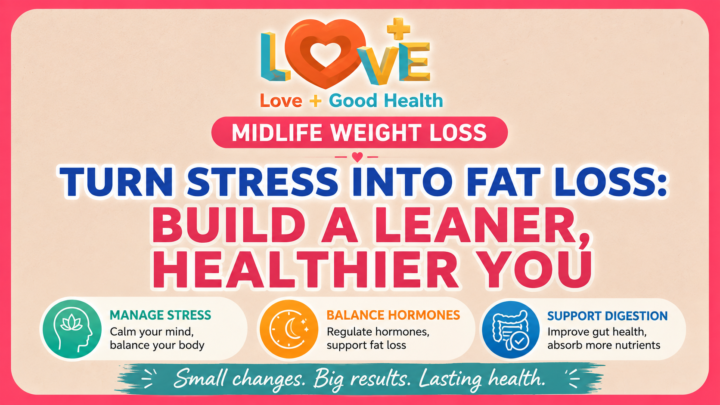
Your digestive tract and nervous system communicate continuously through what researchers call the gut-brain axis. During periods of stress, some people experience changes in bowel motility, abdominal sensitivity, appetite, and digestive comfort.
This is why slowing down and relaxing the abdominal area may sometimes improve how the belly feels even when it does not actually change body fat.
What Abdominal Massage May Do
Gentle abdominal massage mechanically moves the skin and soft tissues of the abdomen while also encouraging relaxation.
Some research suggests that abdominal massage may support bowel regularity in certain people with constipation. It may help stimulate movement through the colon, reduce discomfort related to trapped gas, and improve the subjective feeling of abdominal relaxation.
The effect varies considerably between individuals.
Someone experiencing mild constipation or temporary bloating may notice that massage feels helpful, while another person may notice little difference.
Massage should therefore be viewed as a supportive wellness practice rather than a treatment guaranteed to produce a particular result.
Abdominal Massage Does Not Burn Belly Fat
One of the most important distinctions is between bloating and body fat.
Massage can sometimes make the abdomen temporarily look or feel less distended if gas, stool, muscle tension, or fluid shifts are contributing to fullness.
It does not selectively destroy abdominal fat cells.
Long-term reductions in body fat depend primarily on overall energy balance, nutrition, physical activity, sleep, hormonal health, genetics, and other metabolic factors.
If someone’s waist appears smaller after massage, the change is more likely related to reduced bloating, bowel movement, posture, temporary fluid changes, or relaxation—not rapid fat loss.
The Gut-Brain Connection Matters
The digestive system contains an extensive network of nerves known as the enteric nervous system. It communicates with the brain through neural, hormonal, immune, and metabolic pathways.
That relationship helps explain why emotional stress can produce very physical gastrointestinal symptoms.
Some people experience constipation during stressful periods. Others develop diarrhea, stomach discomfort, nausea, or bloating.
Slow breathing combined with gentle abdominal touch can become a relaxation ritual that encourages you to reduce muscular guarding around the abdomen.
This does not mean massage “balances all hormones” or cures stress-related disease. It simply provides another way to encourage relaxation and body awareness.
A Simple Gentle Belly Massage Routine
You do not need aggressive pressure.
In fact, abdominal massage should usually feel comfortable rather than painful.
Lie on your back with your knees slightly bent or supported by a pillow. This can reduce tension through the abdominal wall.
Take several slow breaths and allow your abdomen to soften.
Place one or both palms over your belly and begin with gentle circular movements. Many people prefer moving clockwise because this broadly follows the direction contents travel through the large intestine.
Continue for several minutes using comfortable pressure.
You can gradually move across the lower right abdomen, upward toward the ribs, across the upper abdomen, and downward along the left side.
There is no need to “dig” deeply into the abdomen.
Deep or painful pressure is not necessary to obtain relaxation benefits and may be inappropriate for some people.
Can You Use Massage Oil?
A small amount of massage oil can reduce friction if you prefer.
Simple options such as an unscented body oil may work well.
The specific oil is much less important than the massage itself. No cosmetic oil has been proven to selectively remove abdominal fat or permanently tighten loose abdominal skin.
If you have sensitive skin, test any new oil on a small area first.
What About Constipation?
Abdominal massage may be particularly interesting for people dealing with occasional constipation.
But massage should complement—not replace—the fundamentals of bowel health.
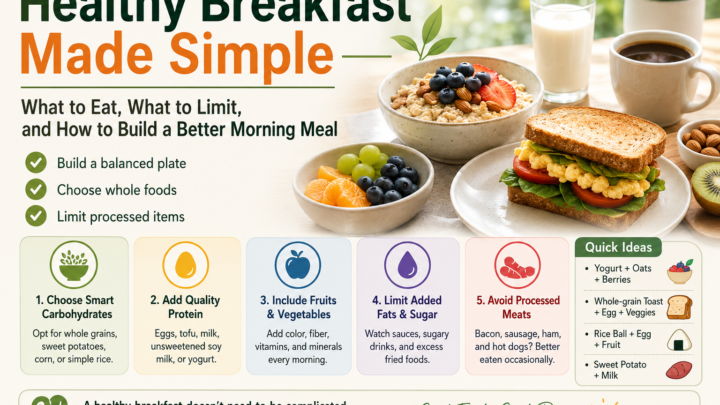
Adequate fluid intake, dietary fiber, regular movement, sufficient food intake, and consistent bathroom habits are generally more important for maintaining bowel regularity.
Increasing fiber should also be gradual. Adding large amounts suddenly can sometimes worsen gas and bloating.
If constipation is persistent, severe, or unexplained, medical evaluation is preferable to repeatedly trying home remedies.
Hydration Helps, but There Is No Universal Magic Number
The source material recommends a specific amount of water. In reality, hydration requirements vary according to body size, climate, diet, activity level, pregnancy, medications, and health conditions.
Rather than forcing a fixed quantity, pay attention to thirst, urine color, environment, and your overall fluid intake.
People with heart disease, kidney disease, or other medical conditions may also have individualized fluid recommendations and should follow medical guidance.
Warm water is perfectly acceptable if you enjoy it, but it does not have a unique ability to “flush toxins” from abdominal tissues.
Can Abdominal Massage Improve Menstrual Discomfort?
Some people find warmth and gentle abdominal massage comforting during menstruation.
Massage may help reduce muscular tension and create a soothing sensation. Heat therapy also has evidence supporting relief from menstrual cramps for some individuals.
However, persistent or severe pelvic pain should not automatically be attributed to “stagnation.”
Conditions including endometriosis, adenomyosis, ovarian cysts, fibroids, gastrointestinal disease, and other disorders can cause pelvic or abdominal pain and deserve proper evaluation.
Does Abdominal Massage Improve Lymphatic Drainage?
The lymphatic system is an important component of immune function and fluid balance, but online wellness content often oversimplifies how it works.
Normal lymph movement is supported by muscle contraction, breathing, physical activity, and the body’s own physiological processes.
Gentle movement and massage may influence superficial fluid movement, but claims that abdominal rubbing can “flush toxins,” unclog every lymphatic pathway, or dramatically increase metabolism are not supported.
Your liver and kidneys already perform the body’s major metabolic waste-processing functions.
Can Massage Prevent Breast Cancer?
No.
This is an especially important correction.
Massage around the chest, armpit, or abdomen has not been established as a method for preventing breast cancer.
Evidence-based breast cancer prevention involves factors such as appropriate screening, maintaining a healthy lifestyle, limiting alcohol exposure, discussing family history and genetic risk when appropriate, and following medical recommendations.
Never present massage as a substitute for screening or medical care.
When You Should Avoid Abdominal Massage
Do not perform strong abdominal massage if you have unexplained severe abdominal pain, recent abdominal surgery, active gastrointestinal inflammation, abdominal injury, suspected appendicitis, intestinal obstruction, significant bleeding, or another acute abdominal condition.
Extra caution is also appropriate during pregnancy, after surgery, with abdominal hernias, or when taking medications or living with conditions that increase bleeding risk.
Stop immediately if massage causes sharp pain, dizziness, nausea, worsening symptoms, or unusual discomfort.
The Most Useful Way to Think About Belly Massage
Abdominal massage works best when it is viewed as a gentle body-awareness practice rather than a dramatic body-transformation technique.
You might use it for five or ten minutes while breathing slowly and allowing your abdominal muscles to relax.
If it helps you feel calmer, less bloated, or more comfortable, that is already a meaningful result.
You do not need pain, aggressive pressure, expensive oils, complicated “detox” protocols, or promises of instant waist reduction.
Consistency, comfort, movement, adequate nutrition, sleep, and attention to digestive symptoms matter far more.
The Bottom Line
Abdominal massage may help some people manage temporary bloating, constipation-related discomfort, muscular tension, and stress. Its benefits are most plausible when massage is gentle and combined with healthy digestive habits.
It should not be promoted as a way to melt abdominal fat, reposition organs, cure hormonal problems, prevent cancer, or produce dramatic permanent reductions in waist size.
Think of it as one small part of a larger wellness routine: breathe, move, eat well, stay appropriately hydrated, sleep consistently, and pay attention to what your digestive system is telling you.
Sometimes feeling better does not require attacking your body.
It requires understanding it.
This article is for general education and does not replace individualized care from a qualified health professional. Seek appropriate advice for persistent, severe, or concerning symptoms.
Read the full medical disclaimer