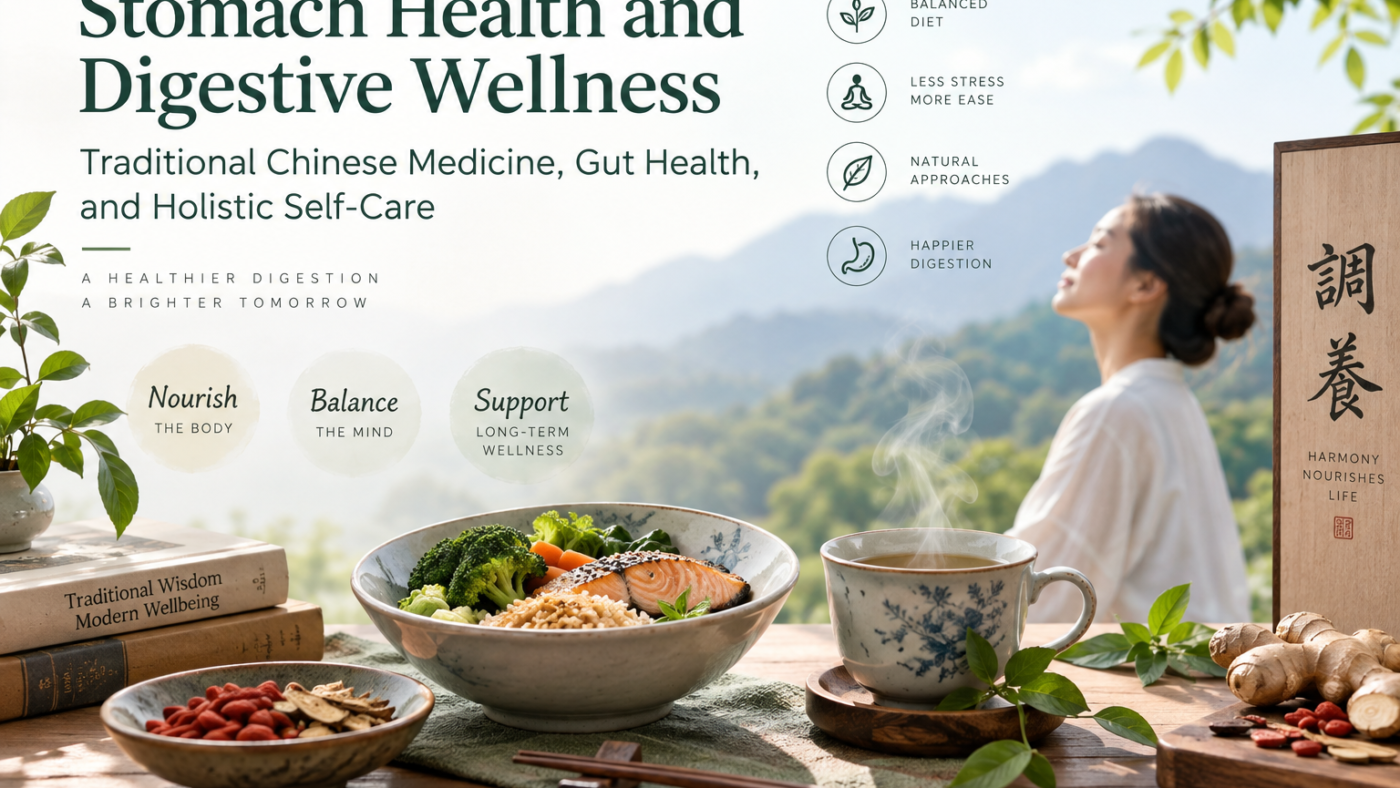
Stomach Health and Digestive Wellness: Understanding the Bigger Picture
Stomach health and digestive wellness are essential foundations of long-term well-being. A healthy digestive system helps the body break down food, absorb nutrients, support immune function, and maintain the energy needed for daily life. When digestion becomes uncomfortable, the effects may extend beyond the stomach, influencing sleep, appetite, emotional well-being, and overall quality of life.
Traditional Chinese Medicine offers a holistic perspective on digestive health, emphasizing the relationship between balanced nutrition, emotional well-being, healthy daily routines, and traditional concepts of bodily harmony. Understanding these connections can help individuals develop sustainable habits that support digestive comfort while recognizing the importance of appropriate medical care.
Digestive health plays an important role in everyday well-being. The digestive system breaks down food, absorbs nutrients, supports immune function, and helps the body obtain the energy needed for daily activities.
When digestion becomes uncomfortable, the effects may extend beyond the abdomen. Persistent bloating, abdominal discomfort, nausea, irregular bowel movements, and reduced appetite can interfere with sleep, concentration, and quality of life.
Traditional Chinese Medicine (TCM) approaches digestive wellness from a broader perspective. Rather than focusing exclusively on an isolated symptom, it considers dietary habits, emotional well-being, daily routines, and traditional patterns of bodily balance.
This perspective is reflected in the concept of Tiao Yang (调养), commonly translated as nurturing and regulating health.
In traditional Chinese health philosophy, regulation refers to restoring balance, while nourishment emphasizes supporting the body’s normal functions through appropriate food, rest, movement, and other health-preserving practices.
The goal is not simply to suppress temporary discomfort but to develop sustainable habits that support long-term digestive wellness.
Importantly, holistic self-care should complement rather than replace appropriate medical diagnosis and treatment.
The Spleen and Stomach in Traditional Chinese Medicine
Traditional Chinese Medicine describes the Spleen and Stomach as the foundation of acquired vitality.
A classical expression states:
“The Kidney is the foundation of inherited constitution, while the Spleen is the foundation of acquired nourishment.”
In TCM, the Spleen is associated with transforming food and fluids into substances that nourish the body, while the Stomach is associated with receiving and processing food.
These traditional concepts do not correspond directly to the anatomical spleen and stomach described in modern medicine. Instead, they represent broader functional relationships within the traditional medical framework.
From this perspective, digestion is closely connected with overall vitality.
When digestive function is perceived as harmonious, a person may experience comfortable digestion, a stable appetite, and consistent energy throughout the day.
When digestive discomfort develops, traditional practitioners may consider not only eating habits but also sleep patterns, emotional stress, activity levels, and other symptoms.
Modern medicine approaches the same concerns through digestive physiology, gastrointestinal motility, gut-brain communication, immune responses, and the identification of specific diseases.
Although the two systems use different explanatory models, both can encourage attention to lifestyle factors that influence digestive comfort.
Why Emotional Stress May Affect Digestion
One of the most recognizable ideas in traditional Chinese medicine is the relationship between emotional well-being and digestive comfort.
Within TCM, the Liver is traditionally associated with maintaining the smooth movement of Qi. The phrase Liver Qi stagnation describes a traditional pattern that may include abdominal discomfort, tension, bloating, and symptoms associated with emotional stress.
Modern research provides a different explanation through the gut-brain connection.
The gastrointestinal tract and nervous system communicate through complex neural, hormonal, and immune pathways.
Stress may influence gastrointestinal sensitivity, movement, and the perception of digestive symptoms.
Some individuals experience bloating, nausea, stomach discomfort, or changes in bowel habits during emotionally demanding periods.
This relationship is especially relevant to functional dyspepsia and certain other disorders of gut-brain interaction.
However, stress-related symptoms should not automatically be attributed to emotional causes. Persistent or worsening digestive discomfort may require medical evaluation to identify other conditions.
A comprehensive digestive wellness routine may include adequate sleep, regular physical activity, relaxation exercises, and attention to emotional well-being.
Gentle practices such as Tai Chi, Qigong, mindful breathing, and walking may help some individuals manage stress and develop consistent daily routines.
Understanding Chronic Gastritis and Peptic Ulcers
Chronic gastritis and peptic ulcer disease are two conditions commonly associated with persistent upper abdominal symptoms.
Gastritis involves inflammation of the stomach lining, while peptic ulcers are sores that develop in the lining of the stomach or duodenum.
Symptoms may include upper abdominal discomfort, nausea, bloating, belching, or an uncomfortable sensation of fullness after meals.
However, symptoms alone cannot reliably distinguish these conditions.
One important cause of peptic ulcers is infection with Helicobacter pylori, a bacterium that can damage the protective lining of the stomach and duodenum.
Another major cause is the use of nonsteroidal anti-inflammatory drugs, including certain commonly used pain relievers.
Effective ulcer management depends on identifying and addressing the underlying cause.
For example, confirmed H. pylori infection generally requires an appropriate medication regimen prescribed by a healthcare professional.
Traditional dietary and lifestyle practices may have a supportive role in improving comfort, but they cannot replace treatment for a bacterial infection or other established causes of ulcer disease.
A long-term approach should therefore combine appropriate medical care with sustainable health habits.
The Traditional Relationship Between the Spleen, Liver, and Kidney
Traditional Chinese Medicine describes digestion through relationships among several functional systems.
The Spleen and Stomach are associated with nourishment and food transformation.
The Liver is associated with the movement of Qi and the regulation of emotional influences.
The Kidney is traditionally associated with inherited vitality and the body’s foundational resources.
Some traditional practitioners interpret persistent digestive discomfort through patterns involving more than one of these systems.
For example, a person experiencing abdominal discomfort during stressful periods might be assessed differently from someone whose symptoms are accompanied by persistent loose stools and a sensation of coldness.
These distinctions belong to the traditional diagnostic framework. They should not be interpreted as evidence that the anatomical liver or kidneys are responsible for a particular digestive disease.
The practical lesson for everyday wellness is that digestive symptoms may be influenced by multiple factors and deserve an individualized approach.
Loose Stools, Abdominal Coldness, and Digestive Sensitivity
Some people experience recurring loose stools, abdominal discomfort, bloating, or an urgent need to use the bathroom after eating certain foods.
Others describe digestive discomfort that seems worse after consuming cold drinks, greasy meals, spicy foods, or alcohol.
In traditional Chinese medicine, some combinations of these symptoms may be interpreted through patterns such as Spleen Yang deficiency or Spleen-Kidney Yang deficiency.
These traditional classifications should not be treated as definitive medical diagnoses.
From a modern medical perspective, recurring diarrhea or loose stools may have several possible causes, including food intolerance, irritable bowel syndrome, medication effects, infections, celiac disease, or inflammatory bowel conditions.
Cold hands and feet are also nonspecific symptoms and do not establish the cause of gastrointestinal discomfort.
If symptoms persist, worsen, or interfere with daily life, professional medical assessment is important.
For everyday digestive support, identifying individual food triggers and developing consistent eating habits may be helpful.
A food and symptom diary can be a practical starting point.
Recording meals, symptom timing, stool patterns, sleep quality, and stress levels may reveal associations worth discussing with a healthcare professional.
Practical Habits for Long-Term Digestive Wellness


6
Supporting digestive health does not require an excessively restrictive diet or an elaborate daily routine.
Instead, the foundation of digestive self-care is consistency.
Choose a balanced and varied diet.
Include appropriate sources of protein, whole grains, fruits, vegetables, and other nutrient-rich foods according to individual tolerance and medical needs.
Pay attention to portion sizes.
Large meals may worsen symptoms for some people with indigestion. Smaller, comfortable portions may be worth trying when fullness or bloating is a recurring concern.
Identify individual food triggers.
Spicy foods, fatty meals, caffeine, carbonated beverages, and alcohol may aggravate symptoms in some individuals. There is no need to eliminate every possible trigger unless there is a clear reason to do so.
Maintain a consistent sleep schedule.
Regular sleep and wake times can support overall well-being and make it easier to maintain healthy eating and activity routines.
Practice gentle daily movement.
Walking, Tai Chi, and other comfortable forms of physical activity can support general health while providing opportunities for relaxation.
Avoid unnecessary gastrointestinal irritants.
Smoking and certain medications can increase the risk of digestive problems. Anyone regularly using anti-inflammatory pain medication should discuss gastrointestinal risks with a healthcare professional.
Seek appropriate medical treatment when necessary.
Persistent symptoms deserve investigation rather than repeated attempts at self-treatment.
These habits can form a practical foundation for digestive wellness regardless of whether a person also incorporates traditional health-preserving practices.
When Digestive Symptoms Require Medical Attention
Many episodes of mild digestive discomfort are temporary.
However, persistent abdominal pain, recurrent vomiting, progressive difficulty swallowing, unexplained weight loss, or ongoing changes in bowel habits should not be ignored.
Black or bloody stools, vomiting blood, fainting, or sudden severe abdominal pain require urgent medical attention.
Individuals with recurring symptoms should also seek assessment when digestive problems affect their ability to eat normally, maintain weight, or carry out daily activities.
Early identification of an underlying condition can make treatment more effective and prevent avoidable complications.
A Balanced Approach to Digestive Health
The traditional concept of nurturing and regulating health offers a useful reminder: daily habits matter, and digestive wellness is influenced by more than one aspect of life.
Food choices, sleep, emotional well-being, physical activity, and medical care all contribute to a comprehensive approach.
Traditional Chinese Medicine provides a historical framework for understanding the relationships among these factors, while modern medicine offers methods for identifying specific digestive disorders and providing evidence-based treatment.
The two perspectives should not be confused or treated as interchangeable.
The most sustainable approach is to combine responsible self-care, individualized lifestyle adjustments, and appropriate professional healthcare.
Supporting digestive health is not about finding a single secret formula or promising permanent freedom from symptoms.
It is about understanding the body, recognizing warning signs, and developing habits that promote comfort and well-being over time.
What is digestive wellness?
Digestive wellness refers to the healthy functioning of the gastrointestinal system and the habits that support digestive comfort. Balanced nutrition, regular physical activity, adequate sleep, stress management, and appropriate medical care all contribute to long-term digestive health.
How does Traditional Chinese Medicine approach stomach health?
Traditional Chinese Medicine considers digestive health through functional concepts involving the Spleen, Stomach, Liver, and Kidney. Practitioners may evaluate dietary habits, emotional well-being, daily routines, and traditional patterns of imbalance. These concepts are distinct from modern anatomical and medical diagnoses.
Can emotional stress affect digestive health?
Yes. The gut and brain communicate through complex neural, hormonal, and immune pathways. Stress can influence gastrointestinal sensitivity, motility, and digestive symptoms in some individuals. Managing stress may help support digestive comfort, although persistent symptoms require appropriate medical evaluation.
What foods support healthy digestion?
A varied, balanced diet containing appropriate amounts of vegetables, fruits, whole grains, protein, and other nutrient-rich foods can support digestive health. Individual tolerance matters, and people with diagnosed digestive conditions may require personalized dietary recommendations.
Can Traditional Chinese Medicine cure chronic gastritis or stomach ulcers?
Traditional Chinese Medicine should not be considered a proven substitute for established medical treatment. Chronic gastritis and peptic ulcers can have specific causes, including Helicobacter pylori infection and certain medications. Appropriate diagnosis and evidence-based treatment are important.
Why do some people experience diarrhea after eating spicy foods?
Spicy foods can aggravate gastrointestinal symptoms in some individuals. Recurring diarrhea may also be associated with food intolerance, irritable bowel syndrome, infections, medication effects, or other digestive conditions. Persistent symptoms should be evaluated by a healthcare professional.
What daily habits can improve digestive wellness?
Maintaining regular meals, identifying personal food triggers, staying physically active, sleeping adequately, managing stress, and avoiding smoking can support digestive wellness. Persistent digestive symptoms should not be managed through lifestyle changes alone without appropriate assessment.
When should someone seek medical attention for stomach problems?
Medical assessment is important for persistent abdominal pain, ongoing diarrhea, unexplained weight loss, recurrent vomiting, or progressive difficulty swallowing. Vomiting blood, black or bloody stools, fainting, or sudden severe abdominal pain require urgent medical attention.
Medical Disclaimer
This article is intended for educational and informational purposes only. It discusses traditional Chinese health concepts alongside modern digestive wellness information. Traditional diagnostic patterns are not equivalent to established medical diagnoses. The content does not replace professional medical advice, diagnosis, or treatment. Consult a qualified healthcare professional before using herbal products or making significant changes to your treatment plan.
This article is for general education and does not replace individualized care from a qualified health professional. Seek appropriate advice for persistent, severe, or concerning symptoms.
Read the full medical disclaimer