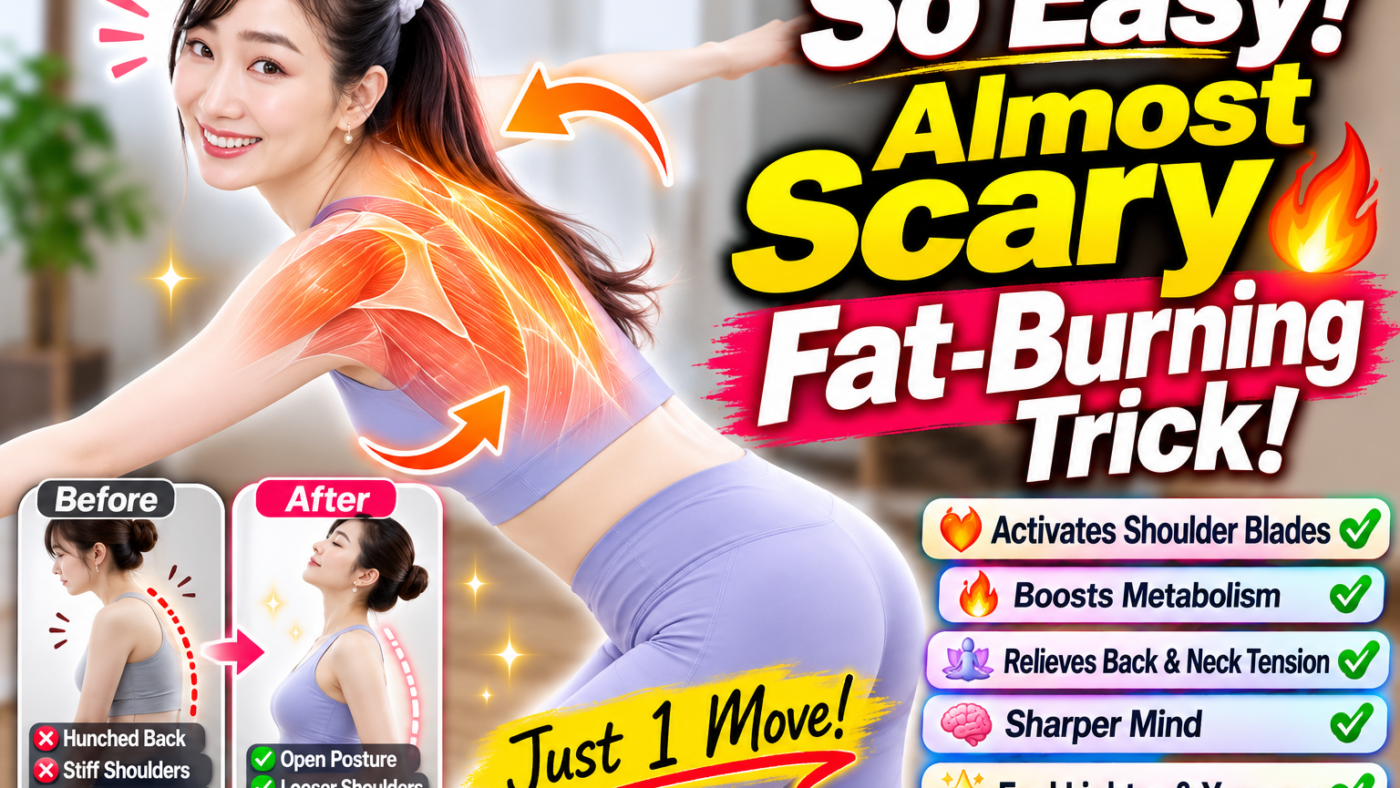
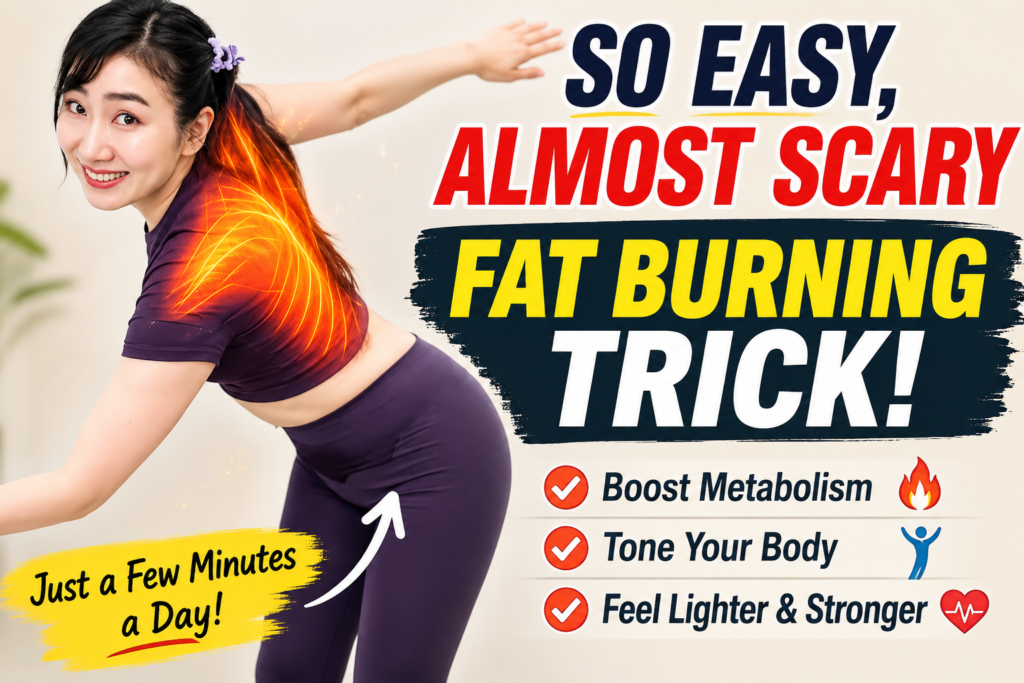
Shoulder stiffness can make the entire upper body feel older, heavier, and less comfortable than it needs to. Long hours at a desk, frequent phone use, limited upper-body movement, stress, and repetitive daily habits can gradually reduce how freely the shoulder blades, upper back, and rib cage move. The good news is that improving this area does not always require complicated equipment or an intense workout. A simple sequence of arm swings, shoulder-blade movements, gentle knee bends, and controlled trunk rotation can help restore comfortable movement and make everyday activity feel easier.
The shoulder blades, or scapulae, are designed to glide across the back of the rib cage as the arms move. They rotate, tilt, elevate, depress, retract, and protract depending on what the arms are doing. When this movement becomes limited, the shoulders may feel tight and the neck and upper back may compensate.
That is why shoulder blade mobility exercises can be useful as part of a regular movement routine. They are not a shortcut for dramatic fat loss, and they do not literally “reverse aging,” but they can help you move more freely, increase daily physical activity, and reduce the sense of stiffness that often builds up after prolonged sitting.
Why Shoulder Blade Mobility Matters
The shoulder is not just one joint. Smooth arm movement depends on coordination between the shoulder joint, shoulder blade, collarbone, rib cage, and upper spine.
When you raise an arm overhead, the shoulder blade should rotate and glide along the rib cage. When you reach forward, it moves outward. When you pull the arms back, it moves toward the spine.
If these patterns become restricted, you may notice:
- tight shoulders
- upper-back stiffness
- reduced overhead reach
- neck tension
- discomfort after desk work
- poor posture awareness
- difficulty relaxing the shoulders
- reduced confidence with upper-body exercise
Regular gentle movement can help maintain these motion patterns.
Can Arm Swings Burn Fat?
Arm swings use muscles and increase movement, so they contribute to overall physical activity and energy expenditure.
However, they should not be described as a special method for melting stubborn fat or targeting fat around the waist, shoulders, or back.
Fat loss occurs primarily when energy expenditure exceeds energy intake over time. Exercise can contribute significantly to that process, particularly when it becomes part of a consistent routine involving cardiovascular exercise, strength training, sleep, and appropriate nutrition.
Arm swings can therefore support an active lifestyle, but they are not a targeted fat-burning treatment.
What About Brown Fat?
Brown adipose tissue is a metabolically active type of fat that helps produce heat. Human brown fat is influenced by factors such as temperature, age, hormones, and nervous-system activity.
It is not accurate to claim that simply moving the shoulder blades suddenly “switches on” brown fat and causes major fat loss.
A shoulder mobility routine can still raise your heart rate and body temperature when performed energetically. Those are normal responses to physical activity and do not require a brown-fat explanation.
A Gentle Shoulder Blade Mobility Routine
This sequence can be performed without equipment. Begin slowly and keep every movement comfortable.
1. Relaxed Arm Swings
Stand with your feet approximately shoulder-width apart.
Keep your knees soft rather than locked.
Allow your arms to hang naturally.
Gently rotate your torso from side to side and let the arms swing freely with the movement.
Do not force the arms.
Continue for 30 to 60 seconds.
This movement can help warm the shoulders, upper back, hips, and trunk.
2. Shoulder Blade Circles
Bring your hands toward your chest with your elbows bent.
Slowly move the elbows forward, outward, backward, and inward to create large circles.
Imagine the shoulder blades gliding around the rib cage rather than simply moving the arms.
Complete 5 to 10 circles.
Then reverse direction.
Keep the neck relaxed.
3. Loose “Noodle Arms”
Let both arms hang completely relaxed.
Gently rotate your body from side to side.
Allow the arms to follow rather than actively pulling them.
This is especially useful after long periods of sitting because it encourages movement without adding much muscular tension.
Continue for approximately 30 seconds.
4. Forward Arm Raises
Stand tall with the ribs relaxed.
Raise both arms forward within a comfortable range.
Lower them slowly.
Avoid excessively arching the lower back to gain additional range.
Repeat 8 to 12 times.
If your shoulders are stiff, stop before discomfort begins.
The goal is smooth movement rather than maximum height.
5. Reach Through the Shoulder Blades
Extend the arms forward.
Reach slightly farther forward by allowing the shoulder blades to move away from the spine.
Return to neutral.
Repeat slowly.
You should feel movement across the upper back without pain.
This exercise helps develop awareness of scapular protraction—the natural forward movement of the shoulder blades.
6. Gentle Torso Rotation
Keep the knees slightly bent.
Bring the hands in front of the chest.
Rotate the torso gently to one side and then the other.
Allow the upper spine, rib cage, and shoulders to move together.
Avoid forcing the lower back.
Perform 10 slow rotations per side.
This can be particularly useful for people whose upper bodies feel rigid after desk work.
7. Controlled Knee Bends With Arm Movement
Stand with the feet comfortably apart.
Bend the knees slightly as the arms move backward.
Straighten the legs as the arms swing forward or upward.
Keep the movement small at first.
Repeat 8 to 15 times.
This transforms a shoulder mobility exercise into a light whole-body movement.
If you have knee discomfort, reduce the depth significantly or perform the arm movements without bending the knees.
8. Relaxed Full-Body Swing
Finish by returning to loose arm swings.
Keep your shoulders relaxed.
Allow the arms, rib cage, trunk, and hips to move naturally.
Take slow breaths.
Continue for 30 to 60 seconds.
You may notice warmth in the shoulders, upper back, and arms. That is a normal response to increased movement and circulation.
Can This Help Neck and Shoulder Tension?
It may.
Shoulder and neck tension can result from many factors, including prolonged sitting, stress, sleep position, repetitive movement, muscle weakness, poor workstation setup, or underlying medical problems.
Gentle movement can sometimes reduce stiffness and improve comfort by preventing the upper body from remaining in one position for too long.
However, persistent pain should not automatically be treated as a simple mobility problem.
Pain that is severe, worsening, associated with weakness or numbness, or follows an injury warrants professional evaluation.
The Importance of Breathing
Breathing and upper-body mobility are closely related because the ribs, diaphragm, spine, and shoulder girdle all move during respiration.
During the routine, avoid holding your breath.
Try this pattern:
Inhale comfortably through the nose.
Exhale slowly while allowing the shoulders to relax.
Do not force unusually deep breaths.
The objective is comfortable breathing combined with movement.
How Often Should You Do Shoulder Blade Mobility Exercises?
A short routine can be performed most days if it feels comfortable.
For people who sit for long periods, even 3 to 5 minutes of movement several times throughout the day may be more practical than waiting for one long workout.
For example:
Morning: 5 minutes of mobility.
During desk work: 1 to 2 minutes of arm swings every few hours.
Before exercise: 5 minutes as a warm-up.
Evening: a short relaxed sequence to reduce stiffness.
Consistency usually matters more than intensity.
Mobility Is Only One Part of Shoulder Health
Mobility exercises can help you move more freely, but healthy shoulders also benefit from strength.
Over time, consider combining mobility work with exercises that strengthen:
- upper-back muscles
- rotator cuff
- rear shoulders
- core
- chest
- arms
Rows, resistance-band exercises, wall slides, controlled overhead movements, and appropriately programmed strength training can complement mobility work.
When to Stop
Stop the routine if you experience:
- sharp shoulder pain
- numbness
- tingling
- sudden weakness
- dizziness
- chest pain
- unusual shortness of breath
- severe neck pain
- pain radiating into the arm
People recovering from shoulder surgery, fractures, major injuries, or significant neurological conditions should follow professional rehabilitation advice rather than a general internet routine.
The Bottom Line
Shoulder blade mobility exercises do not need exaggerated promises to be valuable.
Simple arm swings, shoulder circles, trunk rotation, gentle knee bends, and controlled reaching can help restore movement after prolonged sitting and make the shoulders and upper back feel less rigid.
They can also provide a convenient way to add more physical activity to your day.
Rather than treating the routine as a “metabolism reset” or instant fat-burning technique, think of it as something more useful and sustainable:
a simple daily movement practice that keeps your shoulders, upper back, rib cage, and whole body moving.
Frequently Asked Questions
Do shoulder blade mobility exercises help posture?
They may improve movement awareness and make it easier to move the shoulders and upper back comfortably. Long-term posture also depends on strength, daily habits, ergonomics, and individual anatomy.
Can arm swings reduce belly fat?
Not specifically. They increase activity and energy expenditure, but fat loss cannot be targeted to one body area.
Can shoulder exercises activate brown fat?
Exercise affects metabolism broadly, but there is not enough evidence to claim that shoulder movements specifically activate brown fat to produce meaningful weight loss.
Are arm swings good after sitting all day?
Yes. Gentle arm swings can be an easy way to break up prolonged sitting and restore movement to the shoulders, upper back, trunk, and hips.
How long should the routine take?
Approximately 5 to 10 minutes is enough for a practical mobility session.
Can older adults do these exercises?
Many healthy older adults can perform gentle versions, but the range and intensity should match individual balance, joint health, and fitness level.
Should the exercises hurt?
No. Mild muscular effort is normal, but sharp or persistent pain is not.
Medical Disclaimer:This article is for general educational purposes only and is not medical advice. Stop exercising if you experience sharp pain, dizziness, numbness, weakness, chest pain or unusual shortness of breath. People with significant shoulder, neck, spine or cardiovascular conditions should seek professional guidance before beginning a new exercise routine.
This article is for general education and does not replace individualized care from a qualified health professional. Seek appropriate advice for persistent, severe, or concerning symptoms.
Read the full medical disclaimer