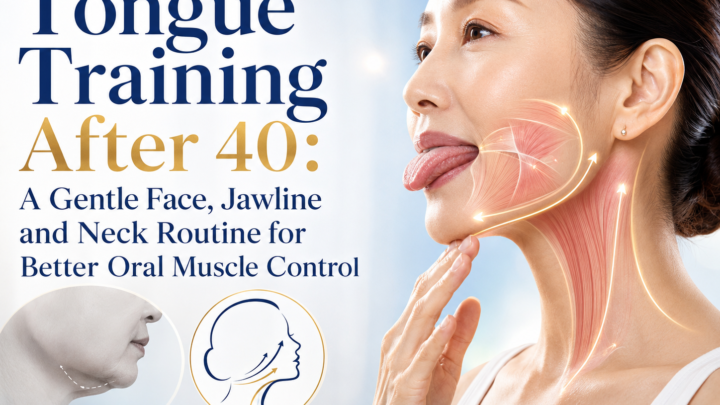
Facial puffiness can make your face look noticeably different from one morning to the next. The area under the eyes may appear fuller, the cheeks may look heavier and the jawline may seem less defined. Because these changes can make fine lines and facial contours appear more noticeable, many people assume they are suddenly aging faster.
In reality, facial puffiness is often temporary.
Fluid balance, sleep, sodium intake, alcohol, allergies, hormonal changes and even the position in which you sleep can influence how much fluid accumulates in facial tissues. Understanding these factors is much more useful than assuming every change in your face represents permanent aging.
What Causes Facial Puffiness?
The body constantly moves water between the bloodstream, tissues and lymphatic system. Small changes in this balance can make certain areas appear temporarily swollen.
The face is particularly noticeable because the skin around the eyes and cheeks can show subtle fluid shifts very easily.
Common contributors include high sodium intake, inadequate sleep, alcohol consumption, allergies, crying, hormonal fluctuations, dehydration, certain medications and sleeping flat for long periods.
A salty restaurant meal, for example, may cause the body to temporarily retain more water. The next morning, the eyelids and cheeks may look fuller.
This does not necessarily mean anything harmful is happening.
Does Dehydration Make Your Face Puffy?
Possibly, although the relationship is more complicated than the popular claim that “not drinking enough water makes the body store every drop.”
Your kidneys carefully regulate water and sodium concentrations. When you become dehydrated, hormonal mechanisms help the body conserve fluid.
For most healthy adults, maintaining reasonable hydration supports normal circulation, kidney function and fluid balance.
There is no universal rule that everyone must drink exactly 1.5 liters of water each day. Fluid needs vary with body size, climate, activity, diet, pregnancy, illness and other factors.
A practical approach is to drink regularly throughout the day and pay attention to thirst rather than forcing excessive amounts of water.
Drinking huge quantities of water does not “flush toxins” from the face and can be dangerous in extreme cases.
Why Salt Can Make Your Face Look Puffy
Sodium plays an important role in nerve function, muscle contraction and fluid balance.
However, a very salty meal may temporarily increase water retention, particularly in people who are sensitive to sodium.
This is one reason the face can look noticeably fuller after pizza, takeout food, processed snacks or restaurant meals.
The solution is usually not to eliminate salt completely.
Instead, focus on an overall eating pattern rich in vegetables, fruit, minimally processed foods, protein and adequate potassium-containing foods while avoiding chronically excessive sodium intake.
Do Carbohydrates Cause Facial Puffiness?
Carbohydrates can influence short-term water weight, but they should not automatically be blamed for a puffy face.
When the body stores carbohydrate as glycogen in the muscles and liver, glycogen is stored together with water.
This helps explain why dramatically lowering carbohydrate intake can produce rapid changes on the scale during the first several days.
Some of that change is water rather than body fat.
However, this does not mean that bread, rice, oats, fruit or other carbohydrate-containing foods inherently make the face unhealthy.
Whole grains, legumes, fruit and other carbohydrate-rich foods can be important parts of a nutritious diet.
If someone notices facial puffiness after highly processed meals, the combination of sodium, refined carbohydrates, alcohol and overall calorie intake may matter more than carbohydrates alone.
Facial Puffiness Is Not the Same as Facial Fat
This distinction matters.
Facial fat represents adipose tissue.
Facial puffiness usually involves temporary fluid accumulation.
The two can sometimes look similar in photographs, but they respond very differently.
A massage may temporarily reduce the appearance of fluid-related puffiness in some people.
It cannot selectively remove facial fat.
Likewise, facial exercises cannot “burn” fat specifically from the cheeks or jawline.
Can Constipation Cause a Puffy Face?
The connection is often exaggerated online.
Constipation can certainly cause abdominal bloating and discomfort, but there is limited evidence that ordinary constipation directly causes facial fluid accumulation.
If constipation is frequent, improving fiber intake, hydration, physical activity and overall diet may help digestive health.
But a persistently swollen face should not automatically be attributed to the gut.
There may be other explanations.
Can Facial Massage Reduce Puffiness?
Gentle facial massage may temporarily improve the appearance of mild puffiness.
Massage can mechanically move superficial fluid and increase local blood flow. Some people notice that their face looks less swollen immediately afterward.
However, the effect is generally temporary.
Massage does not permanently reshape facial anatomy, tighten loose skin or reverse the structural changes associated with aging.
This is an important distinction because social media before-and-after photographs are often taken immediately after massage, when temporary fluid redistribution can make facial contours appear dramatically different.
What About Lymphatic Drainage Massage?
The lymphatic system helps return excess fluid from tissues to the circulation and plays an important role in immune function.
Specialized manual lymphatic drainage is a legitimate therapeutic technique used in certain medical circumstances, particularly lymphedema.
Gentle cosmetic facial massage borrows some principles from these techniques, but it should not be described as “opening blocked lymphatic pathways” in otherwise healthy people.
The lymphatic system is continuously functioning.
For ordinary morning puffiness, light massage may simply encourage temporary movement of superficial fluid.
There is no need to press aggressively.
In fact, the skin around the eyes is delicate, and excessive rubbing can cause irritation.
A Simple Gentle Facial Massage Routine
If facial massage feels comfortable, keep the pressure light.
Begin around the upper chest and collarbone area using gentle strokes rather than deep pressure.
Relax the shoulders and jaw.
Use the fingertips to lightly sweep along the sides of the neck.
Then use gentle outward motions across the cheeks.
Around the eyes, use extremely light pressure.
Avoid forceful pressing directly over the eyeball, swollen lymph nodes or painful areas.
A few minutes is usually enough.
More pressure does not necessarily produce better results.
Jaw and Neck Tension Can Change How Your Face Feels
Long periods of computer work, stress and forward-head posture can contribute to tension in the jaw, neck and shoulders.
Releasing these areas may not literally lift facial tissues, but it can improve comfort and posture.
Try gently rolling the shoulders, stretching the side of the neck and relaxing the jaw.
If you frequently clench or grind your teeth, particularly at night, consider discussing it with a dentist.
Chronic jaw tension can contribute to headaches, facial soreness and temporomandibular joint symptoms.
Sleep May Matter More Than Most Beauty Products
Poor sleep can affect the way the face looks.
After a short night, people may notice darker circles, heavier eyelids, duller skin and greater facial puffiness.
Consistent sleep also influences hormonal regulation, appetite, stress and inflammation.
For many people, improving sleep may make a more noticeable difference to facial appearance than adding another expensive skincare product.
Aim for a regular sleep schedule and adequate sleep duration.
If you consistently wake with severe facial swelling despite sleeping well, investigate the cause rather than simply massaging it away.
Allergies Are an Overlooked Cause
Seasonal allergies can create swelling around the eyes and nasal area.
Histamine release can increase vascular permeability and contribute to congestion, watery eyes, itching and puffiness.
If your facial swelling appears together with sneezing, nasal congestion or itchy eyes, allergies may be playing a role.
Treating the underlying allergy is usually more effective than repeatedly massaging the face.
Alcohol Can Make the Face Look Different the Next Morning
Alcohol can affect sleep, blood vessels, hydration and inflammatory signaling.
A combination of alcohol, restaurant food and poor sleep can easily explain why someone wakes up looking noticeably puffier after a night out.
The effect is usually temporary.
Hydration, returning to a normal diet, sleeping adequately and allowing time for the body to restore normal fluid balance are generally more useful than extreme detox routines.
Hormones Can Influence Facial Fluid Retention
Some women notice changes in facial or body fluid retention during different phases of the menstrual cycle.
Hormonal fluctuations influence sodium handling, blood vessels and fluid balance.
These changes are often temporary.
However, sudden or severe swelling should not automatically be blamed on hormones.
Can Facial Exercises Prevent Aging?
Facial exercises are an interesting area of research, but evidence is still limited.
Facial muscles can obviously be trained because they are muscles.
Small studies have suggested that consistent facial exercise might influence the appearance of certain facial areas.
However, we do not yet have strong evidence that facial exercises prevent wrinkles, permanently lift the face or significantly reverse age-related sagging.
They may be reasonable as a gentle wellness practice if they feel comfortable.
They should not be presented as a substitute for evidence-based dermatologic treatment.
Puffiness Is Not Usually Stretching Your Skin Every Day
One common social media claim is that daily facial puffiness progressively stretches the skin and directly causes wrinkles and sagging.
That statement is too simplistic.
Skin aging is primarily influenced by factors including genetics, ultraviolet exposure, collagen and elastin changes, smoking, environmental exposure, hormonal changes and time.
Chronic severe edema can affect tissues under certain medical circumstances, but ordinary morning facial puffiness should not be treated as though it is slowly destroying the face.
That distinction can prevent unnecessary anxiety.
Five Practical Ways to Reduce Everyday Facial Puffiness
A sustainable routine is more useful than aggressive facial manipulation.
Start with adequate hydration throughout the day.
Moderate extremely salty processed foods if you notice they trigger swelling.
Prioritize consistent sleep.
Treat allergies when appropriate.
Use gentle movement and facial massage for comfort rather than trying to force fluid out of the tissues.
Physical activity can also support healthy circulation throughout the body.
Even a daily walk can contribute to cardiovascular health, stress regulation and overall well-being.
Do You Need Expensive Beauty Tools?
Usually not.
Cold rollers, gua sha stones and facial massage devices can feel pleasant and may temporarily reduce the appearance of puffiness.
But your hands can perform many of the same gentle massage movements.
The most important question is not whether the device is expensive.
It is whether you enjoy using it consistently without irritating the skin.
What Actually Helps the Face Age Well?
Reducing temporary puffiness can make facial contours look more defined, but healthy aging involves much more.
Daily sun protection remains one of the strongest evidence-based strategies for slowing visible photoaging.
Avoiding smoking is also extremely important.
Adequate nutrition, resistance exercise, regular physical activity, quality sleep and appropriate skincare all contribute.
For people concerned about wrinkles, pigmentation, acne or significant skin laxity, evidence-based dermatologic treatments may provide much more predictable results than massage alone.
When Facial Swelling Needs Medical Attention
Most mild morning puffiness disappears within several hours.
Persistent or sudden swelling deserves more attention.
Seek medical advice if facial swelling is severe, occurs suddenly, affects only one side, becomes painful or is accompanied by fever, difficulty breathing, difficulty swallowing, hives or swelling of the lips or tongue.
Persistent facial swelling can sometimes occur with thyroid disorders, kidney disease, allergic reactions, infections, medication effects and other medical conditions.
Do not assume every swollen face is simply a cosmetic or lymphatic problem.
The Bottom Line
A puffy face can temporarily make the eyes look smaller, the cheeks look fuller and the jawline appear less defined.
That does not automatically mean your face is aging rapidly.
Hydration, sodium, alcohol, sleep, allergies, hormones and lifestyle can all affect facial fluid balance.
Gentle facial massage may temporarily improve mild puffiness and can be a relaxing self-care practice, but it is not a permanent facelift and it cannot remove facial fat.
The most effective approach is usually surprisingly simple: sleep well, stay reasonably hydrated, eat a balanced diet, stay physically active, manage allergies and stress, protect your skin from the sun and pay attention when swelling becomes persistent or unusual.
Healthy aging is not about forcing the face to look younger every morning.
It is about creating the conditions that allow your skin and body to function well for years to come.
FAQ
Why is my face puffier in the morning?
Sleeping horizontally can allow fluid to redistribute into facial tissues. Sodium intake, alcohol, allergies, sleep quality and hormonal changes may also contribute.
Does drinking more water reduce facial puffiness?
Adequate hydration supports normal fluid regulation, but drinking excessive amounts of water will not automatically remove facial swelling.
Can facial massage slim the face?
Massage may temporarily reduce fluid-related puffiness, making facial contours appear more defined. It does not selectively remove facial fat.
Does sugar cause a puffy face?
Highly processed meals containing large amounts of refined carbohydrates and sodium may temporarily influence water retention, but sugar alone is not the only cause of facial puffiness.
Can gua sha reduce facial swelling?
Gentle gua sha massage may temporarily redistribute superficial fluid. Evidence for permanent facial lifting or anti-aging effects is limited.
Should I massage lymph nodes strongly?
No. Lymphatic massage is traditionally performed using gentle pressure. Deep or painful pressure is unnecessary and may irritate tissues.
Can facial puffiness indicate a health problem?
Yes, particularly when swelling is sudden, severe, persistent, painful or associated with breathing problems, rash or other symptoms.
Medical Disclaimer
This article is for educational purposes only and is not intended to diagnose, treat, cure or prevent any disease. Facial swelling may occasionally reflect an underlying medical condition. Seek professional medical evaluation for persistent, unexplained, severe or rapidly developing facial swelling, especially when accompanied by breathing difficulty, hives, fever, pain, lip or tongue swelling, or difficulty swallowing.
This article is for general education and does not replace individualized care from a qualified health professional. Seek appropriate advice for persistent, severe, or concerning symptoms.
Read the full medical disclaimer