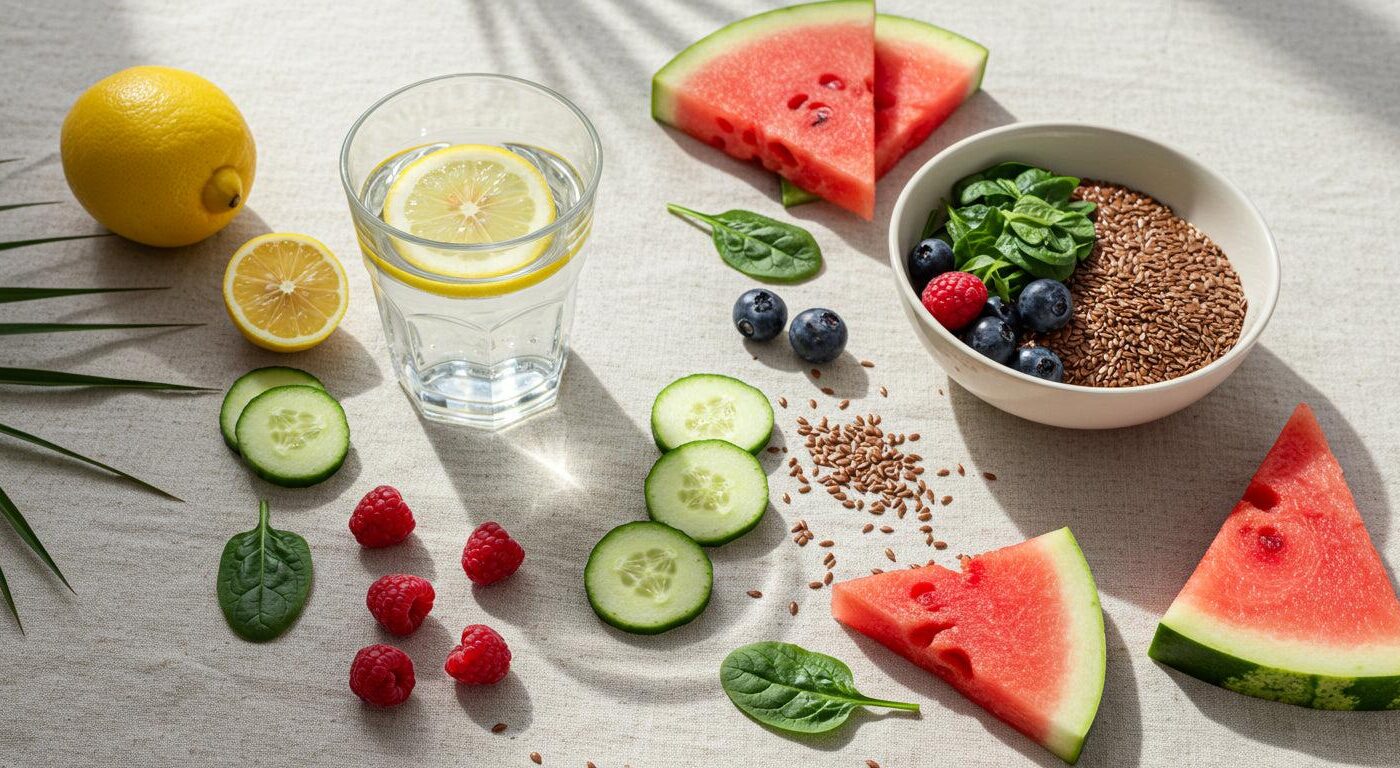
Summer brings longer days, warmer temperatures, outdoor activities, and an abundance of seasonal fruits and vegetables. While this season offers opportunities to enjoy fresh foods and active lifestyles, hot weather also presents important nutritional and health challenges.
Increased sweating can affect fluid and electrolyte balance. High temperatures may reduce appetite in some people, while improper food storage can increase the risk of foodborne illness.
Older adults deserve particular attention because aging, chronic health conditions, and certain medications can make it more difficult to maintain normal body temperature and hydration.
Traditional Chinese wellness philosophy has long emphasized adapting daily routines and food choices to seasonal conditions. Summer foods such as mung beans, winter melon, cucumber, and watermelon remain popular in many East Asian dietary traditions.
Modern nutritional science provides a practical framework for understanding their benefits. These foods can contribute fluids, fiber, protein, vitamins, and minerals, but they should not be considered substitutes for proven methods of preventing or treating heat-related illness.
This guide explains how to build a nutritious summer diet, maintain hydration, reduce food safety risks, and support healthy aging during hot weather.
1. Why Nutrition Matters During Summer
The human body maintains its internal temperature through physiological mechanisms involving circulation, sweating, and heat exchange with the environment.
When temperatures rise, sweating becomes increasingly important for heat regulation.
Evaporation of sweat from the skin helps release excess body heat. However, this process also results in the loss of water and electrolytes.
In humid conditions, sweat evaporates less efficiently, making it harder for the body to cool itself.
Physical exertion, prolonged outdoor exposure, certain medications, and existing medical conditions can further increase vulnerability to heat-related problems.
Nutrition supports normal physiological function, but eating specific foods cannot compensate for prolonged exposure to dangerous heat.
The most important summer health priorities include adequate hydration, access to cool environments, appropriate physical activity, balanced meals, and safe food handling.
Does Hot Weather Increase Nutritional Requirements?
Summer does not automatically increase every person’s requirement for calories, protein, vitamins, or minerals.
Nutritional needs depend on individual circumstances.
Someone performing strenuous outdoor work may require more fluid, electrolytes, and energy than someone spending most of the day in an air-conditioned building.
Sweating primarily causes losses of water and electrolytes, particularly sodium and chloride. Although sweat can contain small amounts of other nutrients, routine vitamin supplementation is not generally necessary simply because the weather is hot.
Protein remains essential for maintaining muscles and other body tissues, but hot weather alone does not justify a universal recommendation to increase protein intake.
The goal is to match food and fluid intake to actual physiological needs.
2. Hydration: The Foundation of Summer Health
Adequate hydration is one of the most important components of summer wellness.
Water contributes to normal circulation, digestion, temperature regulation, and cellular function.
During hot weather, fluid requirements may rise because of increased sweating.
The amount needed varies according to age, body size, physical activity, environmental conditions, diet, and health status.
How Much Water Should You Drink?
There is no single fluid intake target that is ideal for every adult under all conditions.
For many healthy people, drinking regularly, responding to thirst, and paying attention to environmental and activity-related needs are practical starting points.
People who exercise or work in hot environments may need a more structured hydration plan.
Older adults may not experience thirst as reliably as younger adults and may need reminders or ready access to appropriate beverages.
Water is generally the best everyday beverage.
Unsweetened tea, milk, and other suitable drinks can also contribute to total fluid intake.
Fruits, vegetables, soups, and other foods with high water content provide additional fluid.
Individuals with heart failure, advanced kidney disease, or prescribed fluid restrictions should follow individualized medical guidance rather than general hydration recommendations.
Recognizing Dehydration
Possible signs of dehydration include:
- Increased thirst
- Dry mouth
- Reduced urination
- Darker urine
- Headache
- Fatigue
- Dizziness
These signs are not specific to dehydration and may have other causes.
Severe dehydration can become dangerous, particularly in older adults and people with chronic illnesses.
Persistent dizziness, confusion, fainting, or inability to drink adequately requires prompt medical attention.
Can Drinking Too Much Water Be Harmful?
Yes. Consuming excessive quantities of water, particularly during prolonged exercise, can sometimes contribute to dangerously low blood sodium levels.
This condition, known as hyponatremia, may cause headache, nausea, confusion, seizures, or other serious complications.
A sensible hydration strategy avoids both inadequate and excessive fluid intake.
For long-duration activities involving heavy sweating, fluid and electrolyte replacement should reflect the conditions and the person’s needs.
3. Electrolytes: When Are They Necessary?
Electrolytes are minerals that carry electrical charges in body fluids.
They contribute to nerve signaling, muscle contraction, fluid balance, and other physiological functions.
Important electrolytes include sodium, potassium, chloride, calcium, and magnesium.
Sweat contains sodium and chloride, along with smaller and variable amounts of other electrolytes.
Sodium and Summer Sweating
Heavy sweating can increase sodium losses.
During prolonged exercise or physically demanding work in hot conditions, replacing sodium may be appropriate.
However, routine salt supplementation is not necessary for everyone.
Most people already obtain sodium from ordinary foods, and excessive sodium intake can contribute to high blood pressure.
Homemade salt tea or salt water should not be promoted as a universal summer health drink.
People with hypertension, kidney disease, or heart failure may need particular caution regarding sodium consumption.
Potassium-Rich Foods
Potassium supports normal muscle, nerve, and cellular function.
Useful dietary sources include:
- Beans and lentils
- Potatoes and sweet potatoes
- Bananas and oranges
- Leafy vegetables
- Tomatoes
- Dairy products
These foods can contribute to a balanced diet during summer and throughout the year.
However, consuming large amounts of potassium does not automatically prevent heatstroke.
People with kidney disease or taking medications that affect potassium balance may need individualized dietary advice.
Are Sports Drinks Necessary?
Sports drinks may be useful during some prolonged or intensive activities involving substantial fluid and electrolyte losses.
For ordinary daily activities, water and regular meals are generally sufficient.
Many commercial sports drinks contain added sugars, so routine consumption without a clear need may increase calorie intake.
Oral rehydration solutions are designed for specific circumstances, such as certain forms of dehydration, and are not interchangeable with ordinary flavored beverages.
4. Summer Food Safety: Preventing Foodborne Illness
Food safety becomes especially important during warm weather because bacteria can multiply rapidly when perishable foods are stored at unsafe temperatures.
Meat, poultry, seafood, eggs, dairy products, cooked rice, and prepared dishes may become unsafe if handled improperly.
Foodborne illness can cause nausea, vomiting, diarrhea, abdominal pain, and dehydration.
Older adults and individuals with weakened immune systems may experience more serious complications.
Keep Perishable Foods at Safe Temperatures
The U.S. Department of Agriculture recommends refrigerating perishable foods within two hours.
When the surrounding temperature exceeds 90°F (approximately 32°C), the maximum time outside refrigeration is reduced to one hour.
Cold perishable foods should generally be maintained at or below 40°F (4°C).
Large portions of cooked food should be divided into shallow containers to cool more quickly.
Refrigeration slows bacterial growth but does not make previously mishandled food safe.
Separate Raw and Ready-to-Eat Foods
Raw meat, poultry, and seafood can carry harmful microorganisms.
Use separate cutting boards and utensils for raw animal products and foods that will be eaten without further cooking.
Wash hands, utensils, and preparation surfaces appropriately.
Avoid allowing raw meat juices to come into contact with salads, fruit, cooked dishes, or other ready-to-eat foods.
Wash Fruits and Vegetables Safely
Rinse fresh produce under safe running water before preparation or consumption.
Scrub firm produce when appropriate.
Washing can reduce dirt and some contamination, but it does not guarantee complete removal of harmful microorganisms.
Soap, household detergents, and disinfectants should not be used to wash produce.
People at increased risk of foodborne illness may benefit from choosing thoroughly cooked vegetables instead of certain raw preparations.
Do Garlic and Vinegar Kill Harmful Bacteria?
Garlic and vinegar can add flavor to summer dishes.
Certain components have demonstrated antimicrobial activity under laboratory conditions.
However, adding garlic or vinegar to a salad does not reliably eliminate harmful foodborne pathogens.
These ingredients cannot replace washing, refrigeration, separation of raw and cooked foods, or appropriate cooking.
Handle Leftovers Carefully
Leftovers should be refrigerated promptly and stored in suitable containers.
Most properly refrigerated cooked leftovers should be used within three to four days.
Reheat leftovers thoroughly according to applicable food safety guidance.
If perishable food has been left at unsafe temperatures for too long, reheating may not eliminate every hazard.
When food safety is uncertain, discarding the food is generally safer than tasting it to check whether it has spoiled.
5. Building a Balanced Summer Diet
Hot weather can make heavy meals less appealing for some people.
However, a summer diet should still provide sufficient calories, protein, healthy fats, carbohydrates, vitamins, and minerals.
Light meals can be nutritious when they include a variety of food groups.
Choose Protein-Rich Foods
Fish, eggs, tofu, chicken, yogurt, beans, and lentils can provide protein without requiring excessively rich meals.
For older adults, adequate protein intake is important for preserving muscle mass and physical function.
Cold protein-containing dishes may be convenient, but they must be stored safely.
Include Whole Grains and Other Quality Carbohydrates
Oats, brown rice, barley, whole-grain bread, potatoes, and legumes can provide dietary energy and fiber.
There is no scientific reason to eliminate carbohydrates because of hot weather.
Portion sizes should reflect activity and individual energy requirements.
Choose Healthy Fats
Olive oil, nuts, seeds, avocados, and fish can contribute unsaturated fatty acids.
These foods provide important nutrients, but total energy intake still matters.
For people with reduced summer appetite, modest portions of nutrient-dense foods may be useful.
Eat a Variety of Vegetables and Fruits
Vegetables and fruits provide vitamins, minerals, fiber, water, and numerous naturally occurring plant compounds.
For people older than 10 years, the World Health Organization recommends aiming for at least 400 grams of fruits and vegetables and at least 25 grams of naturally occurring dietary fiber daily.
Fresh produce is valuable, but properly stored frozen or canned options can also contribute to dietary quality.
6. The Best Summer Foods: Nutritional Benefits and Practical Uses
Several foods traditionally associated with summer have genuine nutritional value.
Their benefits should be understood through their nutrient composition and place within a balanced diet rather than attributed to unverified detoxifying or medicinal effects.
Watermelon
Watermelon has a high water content and provides vitamin C, carotenoids, and other plant compounds.
It can be a refreshing component of a summer snack or meal.
However, watermelon is not a replacement for sufficient drinking water during heavy exertion or treatment for serious heat illness.
Cucumber
Cucumbers contain substantial amounts of water and can be served in salads, chilled dishes, or alongside other vegetables.
Their mild flavor makes them convenient for summer meals.
Cucumber should not be described as a medically proven detoxification treatment.
Tomatoes
Tomatoes provide vitamin C, potassium, and carotenoids, including lycopene.
They can be consumed fresh or cooked as part of a balanced diet.
Tomatoes pair well with whole grains, legumes, and protein-containing foods.
Mung Beans
Mung beans provide plant protein, carbohydrates, fiber, and minerals.
Traditional mung bean soup can be an enjoyable summer dish.
Preparing it with little or no added sugar can improve its nutritional profile.
Although mung bean soup is culturally associated with cooling the body, it has not been established as a treatment for heatstroke.
Winter Melon
Winter melon is widely used in Chinese and other East Asian cuisines, particularly in light soups.
Its high water content and versatility make it suitable for warm-weather meals.
Winter melon soup can contribute fluids and vegetables, but it should not be considered a proven preventive treatment for dehydration or heat illness.
Bitter Melon
Bitter melon is used in many Asian cuisines and provides fiber and micronutrients.
Some studies have investigated its potential effects on glucose metabolism, but evidence is insufficient to recommend it as a replacement for diabetes treatment.
Concentrated bitter melon products may have different safety considerations from ordinary culinary use.
Tofu and Soy Foods
Tofu, soy milk, and edamame offer useful plant-based protein.
Calcium-set tofu can also contribute dietary calcium.
These foods are convenient additions to salads, soups, rice dishes, and other summer meals.
Berries and Citrus Fruits
Berries, oranges, and other fruits provide water, fiber, vitamin C, and additional nutrients.
Whole fruit is generally preferable to frequently drinking large amounts of fruit juice because it retains more fiber and is often more filling.
7. Traditional Summer Foods and Herbal Teas: What Does Science Say?
Traditional Chinese wellness practices often classify summer foods according to concepts such as cooling, heat-clearing, dampness-reducing, or supporting digestive balance.
These categories are culturally important but do not correspond directly to established measurements in modern nutritional science.
Foods and beverages may still be enjoyed for their flavor, hydration contribution, and nutritional content.
Chrysanthemum Tea
Chrysanthemum tea is traditionally consumed as a cooling herbal beverage.
It may contribute to fluid intake when prepared with safe water.
However, reliable clinical evidence does not establish that it prevents heatstroke or treats infections.
People with relevant plant allergies should exercise caution.
Green Tea
Green tea contains polyphenols and caffeine.
Unsweetened green tea can contribute to daily fluid intake.
However, large quantities of caffeinated beverages may be unsuitable for people who experience sleep disturbances, palpitations, or other caffeine-related symptoms.
Highly concentrated green tea extracts are not equivalent to ordinary brewed tea and can carry additional safety concerns.
Plum Drinks
Traditional sour plum beverages can be refreshing.
Their nutritional profile depends on preparation and the amount of added sugar.
They should be treated as optional beverages rather than medical remedies.
Herbal Decoctions and Special Summer Soups
Recipes involving lotus leaves, chrysanthemum, winter melon, or other traditional ingredients may have culinary or cultural significance.
However, evidence is insufficient to recommend them as treatments for heat illness, infectious disease, or metabolic disorders.
Herbal products can interact with medicines or vary in purity and composition.
Older adults and people taking prescription medications should seek qualified advice before using concentrated herbal preparations.
8. Special Summer Nutrition Considerations for Older Adults
Older adults face increased vulnerability during heat waves.
Age-related physiological changes, reduced thirst sensation in some individuals, mobility limitations, chronic medical conditions, and medication effects may contribute to this risk.
Nutrition and hydration are important, but a safe environment is equally essential.
Make Fluids Readily Available
Keep suitable beverages accessible throughout the day.
Some older adults may benefit from reminders to drink.
However, those following prescribed fluid restrictions should not increase intake without medical guidance.
Protect Protein and Energy Intake
Reduced appetite can lead to inadequate food consumption.
Smaller, more frequent meals may be easier to manage.
Examples include yogurt, tofu, eggs, cooked vegetables, soft grains, and suitable protein-rich soups.
Adjust Food Texture and Temperature
Cool meals may be more comfortable during hot weather.
Properly refrigerated foods are generally acceptable for older adults unless an individual medical or swallowing condition requires modification.
There is no universal scientific rule that older adults must avoid all chilled fruit or cold beverages.
Review Medication-Related Heat Risks
Some medications may affect sweating, fluid balance, blood pressure, alertness, or temperature regulation.
Older adults should not independently stop prescribed medicines during hot weather.
A healthcare professional can help identify relevant risks and appropriate precautions.
Maintain a Cool Environment
A nutritious meal cannot prevent heatstroke in an excessively hot environment.
Air conditioning, access to cooling centers, light clothing, and avoiding strenuous activity during extreme heat are important protective measures.
9. Recognizing Heat Exhaustion and Heatstroke
Heat-related illnesses can develop when the body cannot adequately cope with environmental heat.
Heat Exhaustion
Symptoms may include heavy sweating, weakness, headache, dizziness, nausea, and other signs of heat strain.
Someone with possible heat exhaustion should stop activity, move to a cooler environment, and begin appropriate cooling.
If the person is fully alert and able to swallow, drinking suitable fluids may help.
Worsening symptoms, persistent vomiting, or failure to improve warrants urgent medical assessment.
Heatstroke
Heatstroke is a life-threatening medical emergency.
Warning signs may include confusion, altered mental status, fainting, seizures, or very high body temperature.
Sweating may still be present.
If heatstroke is suspected, call emergency services immediately and begin rapid cooling while awaiting help.
Move the person to a cooler area, remove unnecessary clothing, and use cold-water immersion or other effective cooling methods when safe and available.
Do not delay emergency care to prepare a traditional drink or herbal remedy.
Do not give oral fluids to someone who is unconscious, confused, or unable to swallow safely.
10. A Practical One-Day Summer Meal Plan
A balanced summer meal plan can be simple, refreshing, and nutritionally adequate.
Breakfast
Plain yogurt or a fortified soy alternative with oatmeal, berries, and a small portion of nuts.
This combination provides protein, carbohydrates, fiber, and healthy fats.
Lunch
A whole-grain bowl with tofu or grilled chicken, cucumber, tomatoes, leafy greens, and olive oil.
Store prepared ingredients safely and keep perishable items chilled until serving.
Afternoon Snack
Fresh watermelon or another whole fruit.
Optional snacks should reflect appetite, activity level, and overall energy needs.
Dinner
Steamed fish or beans with brown rice, cooked vegetables, and a light winter melon soup.
This meal provides protein, dietary fiber, and other important nutrients.
Beverages
Water should remain the primary beverage.
Unsweetened tea and other suitable fluids may contribute to hydration.
People exercising or working intensively in hot environments may need individualized fluid and electrolyte replacement.
11. Common Summer Nutrition Mistakes
Assuming everyone needs extra salt.
Electrolyte replacement should reflect actual sweat losses and individual health circumstances. Routine salt supplementation can be inappropriate, particularly for people with certain chronic diseases.
Believing herbal teas prevent heatstroke.
Traditional beverages may be enjoyable, but they cannot replace adequate cooling, hydration, and emergency care.
Relying only on fruit instead of balanced meals.
Fruit contributes valuable nutrients and water, but adequate protein, energy, and other nutrients remain necessary.
Leaving leftovers unrefrigerated.
Perishable foods can become unsafe quickly during hot weather, even when they look and smell normal.
Assuming vinegar or garlic sterilizes food.
These ingredients may add flavor but cannot substitute for correct food safety procedures.
Taking extra vitamins because of sweating.
Heavy sweating does not automatically justify high-dose vitamin supplementation.
Ignoring early signs of heat illness.
Headache, dizziness, nausea, weakness, and changes in mental status during heat exposure deserve attention.
Frequently Asked Questions
What are the best foods to eat during summer?
Water-rich fruits and vegetables, whole grains, legumes, eggs, fish, tofu, yogurt, and other nutritious foods can support a balanced summer diet. Variety matters more than choosing a single cooling food.
Should everyone drink salt water in summer?
No. Most people can meet sodium needs through ordinary meals. Additional electrolytes may be useful in specific situations involving prolonged heavy sweating, but routine salt water is not recommended for everyone.
Can mung bean soup prevent heatstroke?
No. Mung bean soup can provide food energy and fluids, but it cannot prevent or treat heatstroke.
Do older adults need to avoid cold foods?
Not necessarily. Properly prepared and stored chilled foods can be part of a healthy diet. Individual digestive, dental, or swallowing needs may influence food choices.
Does sweating cause major vitamin loss?
Sweat primarily contains water and electrolytes. Ordinary summer sweating does not typically cause clinically important vitamin deficiencies in someone consuming an adequate diet.
Are sports drinks better than water?
For most ordinary activities, water is sufficient. Sports drinks may be helpful during prolonged, demanding activity involving considerable sweat loss.
Can summer diets help with healthy aging?
Yes. Adequate nutrition, hydration, muscle-supporting protein, and safe food handling contribute to healthy aging. These strategies should be combined with appropriate heat protection and physical activity.
Conclusion
Summer nutrition is about more than eating cooling foods or drinking extra beverages.
A healthy summer diet provides adequate energy, protein, healthy fats, fiber-rich carbohydrates, vitamins, minerals, and fluids while adapting to changes in temperature and activity.
Watermelon, cucumber, tomatoes, mung beans, winter melon, and other traditional summer foods can contribute to a varied and enjoyable eating pattern.
However, their benefits should be understood through their nutritional composition rather than unproven claims of detoxification or heatstroke prevention.
Food safety is especially important during hot weather, and older adults require particular attention to hydration, nutrition, and access to cool environments.
The most effective summer wellness strategy combines balanced nutrition, safe food preparation, sensible hydration, appropriate physical activity, and prompt recognition of heat-related illness.
These habits support health not only during summer, but throughout the year.
References and Further Reading
- World Health Organization. Healthy Diet. Updated January 26, 2026.
https://www.who.int/news-room/fact-sheets/detail/healthy-diet - Centers for Disease Control and Prevention. Heat and Older Adults (Aged 65+).
https://www.cdc.gov/extreme-heat/risk-factors/extreme-heat-and-older-adults-aged-65.html - Centers for Disease Control and Prevention. Heat-Related Illnesses.
https://www.cdc.gov/niosh/heat-stress/about/illnesses.html - U.S. Department of Agriculture, Food Safety and Inspection Service. Leftovers and Food Safety.
https://www.fsis.usda.gov/food-safety/safe-food-handling-and-preparation/food-safety-basics/leftovers-and-food-safety - U.S. Department of Agriculture, Food Safety and Inspection Service. Keep Food Safe! Food Safety Basics.
https://www.fsis.usda.gov/food-safety/safe-food-handling-and-preparation/food-safety-basics/steps-keep-food-safe
Editorial Note: Traditional Chinese summer wellness practices are discussed for cultural and educational purposes. They should not be interpreted as proven treatments for heat-related illnesses or other medical conditions.
Educational content only. Not medical advice.


Summer Hydration

Balanced Summer Meals

Summer Food Safety

Healthy Aging in Summer
This article is for general education and does not replace individualized care from a qualified health professional. Seek appropriate advice for persistent, severe, or concerning symptoms.
Read the full medical disclaimer

