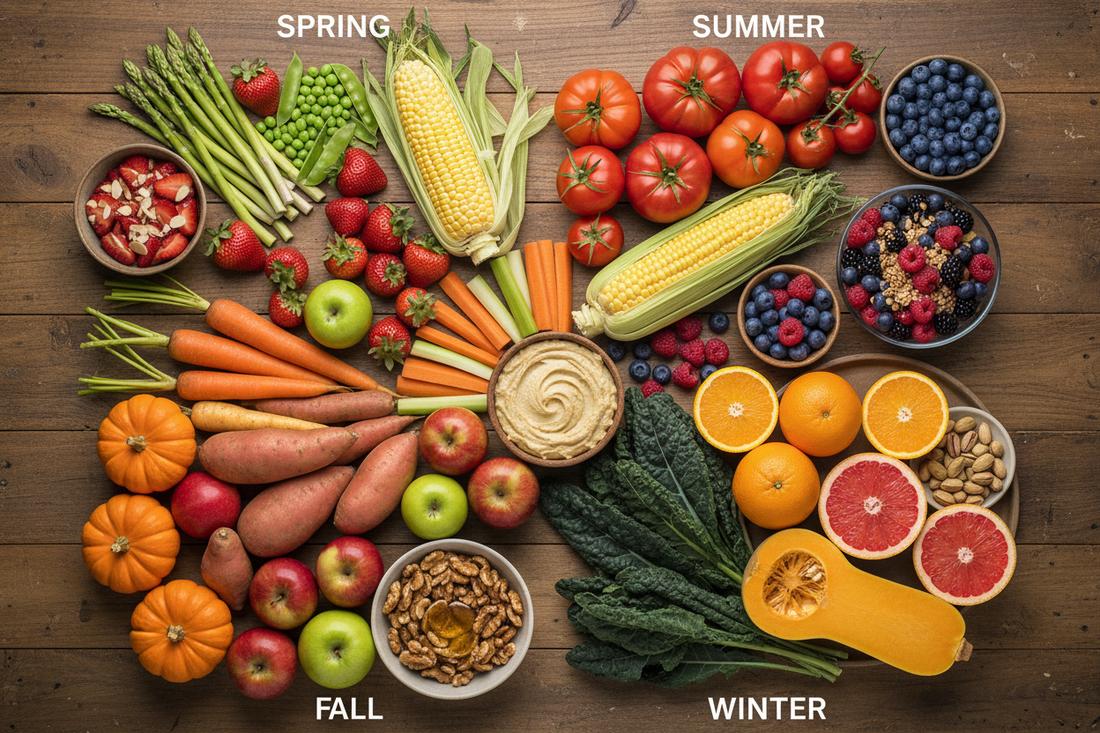
The changing seasons influence much more than the weather. Temperature, daylight, humidity, food availability, and daily routines can all affect how people feel, what they eat, and how they maintain their health.
For centuries, traditional Chinese wellness philosophy has emphasized the importance of living in harmony with seasonal changes. This idea, often described as seasonal living or following the rhythms of nature, encourages people to adjust their daily habits as the environment changes.
Modern nutritional science approaches seasonal health from a different perspective. Rather than classifying foods solely according to traditional warming or cooling properties, it focuses on nutrient adequacy, hydration, food safety, energy requirements, and individual health conditions.
These approaches can be discussed together when their different purposes are clearly understood.
A seasonal approach to nutrition does not require a completely different diet every three months. Instead, it encourages thoughtful adjustments in food choices, meal preparation, hydration, and daily routines while preserving the foundations of balanced nutrition.
This becomes particularly important in later life, when changes in appetite, physical activity, mobility, and chronic health conditions may make nutritional planning more challenging.
1. Why Seasonal Nutrition Matters
Human physiology responds to environmental conditions through several interconnected mechanisms.
Changes in temperature affect thermoregulation. Hot weather increases the body’s need to dissipate heat, while cold exposure can increase the energy required to maintain normal body temperature.
Daylight influences circadian rhythms and patterns of sleep and activity. Seasonal food availability may also affect dietary variety and access to fresh produce.
However, seasonal changes do not automatically create the same nutritional requirements for everyone.
A physically active person working outdoors during winter may require more energy than someone living in a comfortably heated home. Likewise, a person exercising in humid summer weather may lose substantially more fluid through sweating than someone spending the day in an air-conditioned environment.
Seasonal nutrition should therefore be understood as an adaptable approach to healthy eating rather than a collection of rigid food rules.
Seasonal Living in Traditional Chinese Wellness
In traditional Chinese thought, the relationship between human health and seasonal changes is often described through the concept of harmony between humanity and nature.
The Huangdi Neijing, or Yellow Emperor’s Inner Canon, contains classical discussions of seasonal rhythms and the importance of adjusting human activities to environmental conditions.
Traditional concepts such as yin and yang, and the classification of foods as warming, cooling, or neutral, form part of this historical framework.
These concepts remain culturally significant, but they should not be confused with experimentally validated measurements of nutrient composition or biological effects.
For example, ginger soup may be comforting in cold weather, while fresh watermelon may be refreshing in summer. Their practical value can be understood through taste, fluid content, temperature, and nutritional composition without assuming that they directly regulate an objectively measurable balance of yin and yang.
The most useful modern interpretation of seasonal living is to remain attentive to changing circumstances while maintaining sound nutritional habits.
2. Spring Nutrition: Fresh Foods, Variety, and Renewed Routines
Spring is often associated with longer days, milder temperatures, and a wider selection of seasonal vegetables.
In traditional Chinese wellness culture, spring represents renewal and growth. Meals commonly emphasize fresh greens, young vegetables, and relatively light preparations.
From a nutritional perspective, spring provides an opportunity to increase dietary variety and build consistent eating habits.
Focus on Vegetables and Whole Foods
Leafy greens, asparagus, peas, spring onions, and other seasonal vegetables can contribute vitamins, minerals, dietary fiber, and diverse plant compounds.
Fresh vegetables are nutritious, but frozen and appropriately prepared canned vegetables can also support a healthy diet.
The key is variety rather than relying on one supposedly restorative spring food.
Include Quality Protein
Protein remains important regardless of season, especially for older adults who may be vulnerable to reduced muscle mass.
Eggs, fish, tofu, beans, poultry, and dairy foods can provide essential amino acids.
Combining protein-rich meals with appropriate physical activity helps support muscle maintenance.
Spring Meal Ideas
A nutritious spring breakfast might include oatmeal, plain yogurt, and berries.
Lunch could feature tofu with spring vegetables and brown rice.
Dinner may include steamed fish, mushrooms, green vegetables, and a whole-grain side dish.
These meals are examples rather than mandatory seasonal prescriptions.
Spring Nutrition Considerations for Older Adults
Older adults experiencing reduced appetite may benefit from smaller, nutrient-dense meals.
Spring is also a useful time to resume outdoor activity when weather conditions permit.
Walking, gentle resistance exercise, and balance activities can complement a nutritious diet.
Food alone cannot prevent age-related muscle loss or replace the benefits of appropriate physical activity.
3. Summer Nutrition: Hydration, Heat Safety, and Nutrient-Rich Meals
Hot weather presents one of the clearest examples of why seasonal dietary adjustments can be useful.
As environmental temperatures rise, sweating becomes an important mechanism for dissipating body heat.
Fluid losses can increase substantially, particularly during physical activity or prolonged exposure to heat.
Older adults deserve special attention because they may adapt less effectively to sudden temperature changes, and certain medical conditions or medications can increase vulnerability to heat-related illness.
Hydration Is the First Priority
Water supports circulation, temperature regulation, digestion, and many other physiological processes.
During hot weather, it is important to have regular access to safe drinking water.
Plain water is a suitable primary beverage for most people.
Water-rich foods such as watermelon, cucumber, tomatoes, oranges, and soups can also contribute to fluid intake.
Individuals who spend long periods exercising or working in the heat may need to replace electrolytes as well as fluid.
However, electrolyte supplements are not routinely necessary for everyone, and people with kidney disease, heart failure, or medically prescribed fluid restrictions require individualized guidance.
Understanding Electrolyte Losses
Sweat contains water and electrolytes, particularly sodium and chloride, with smaller and variable amounts of other minerals.
Heavy sweating can increase electrolyte losses.
Foods such as beans, potatoes, vegetables, and fruits provide potassium as part of a balanced diet.
Nevertheless, not everyone who sweats needs additional potassium, salt tablets, or sports drinks.
Excessive electrolyte supplementation may be harmful, particularly in people with certain medical conditions or taking medications that affect electrolyte balance.
Refreshing Summer Foods
Summer meals can emphasize foods that are appealing, hydrating, and easy to prepare.
Examples include chilled bean salads, fresh fruit, yogurt, cooked and cooled whole grains, vegetable dishes, and protein-rich soups.
Traditional foods such as mung bean soup can fit into a balanced diet. Mung beans provide plant protein, fiber, and other nutrients.
Yet mung bean soup should not be promoted as a proven treatment for heatstroke or serious dehydration.
Sweetened plum beverages and other traditional summer drinks may be enjoyable occasionally, but their added sugar content should be considered.
Food Safety During Hot Weather
High temperatures can increase the risk of food spoilage when perishable foods are improperly stored.
Cooked meat, seafood, dairy foods, and other perishable items should not be left at room temperature for extended periods.
Older adults, particularly those with weakened immune systems, may face greater consequences from foodborne illness.
Safe refrigeration, thorough cooking, clean food preparation surfaces, and proper hand hygiene remain essential.
Summer Nutrition for Older Adults
Some older adults experience reduced appetite during hot weather.
Cold or room-temperature foods may be more appealing, provided they are stored safely.
Small meals containing adequate protein, vegetables, whole grains, and fluids can help maintain nutritional intake.
Nutrition must also be combined with effective heat protection, including access to cool indoor environments and appropriate changes to outdoor activities.
Severe heat-related illness is a medical emergency and cannot be treated with special foods or beverages alone.
4. Autumn Nutrition: Fiber, Balanced Meals, and Comfortable Hydration
Autumn often brings cooler temperatures, changing daylight patterns, and a new selection of seasonal produce.
Traditional Chinese wellness culture sometimes associates autumn with dryness and recommends foods believed to support moisture and balance.
Modern nutrition offers a more direct interpretation: continue drinking adequate fluids, maintain dietary variety, and choose foods that provide useful nutrients.
Autumn Fruits and Vegetables
Apples, pears, pumpkins, squash, sweet potatoes, and seasonal greens can be valuable components of a balanced diet.
Whole fruits provide dietary fiber and water along with vitamins and naturally occurring plant compounds.
Pumpkins and orange-fleshed squash are sources of carotenoids, including beta-carotene.
Sweet potatoes provide carbohydrates, fiber, and micronutrients.
Nutritional benefits depend on the food and overall diet, not simply on whether a food is traditionally classified as moistening.
Nuts, Seeds, and Healthy Fats
Walnuts, almonds, sesame seeds, and other nuts and seeds provide unsaturated fats, protein, and minerals.
They can be included in moderate portions as part of a balanced diet.
For older adults with chewing difficulties, ground nuts or suitable nut butters may be easier to consume than whole nuts.
Traditional Autumn Foods
Foods such as lotus seeds, tremella mushrooms, red dates, and longan fruit have long histories in East Asian cuisine.
They may be enjoyed for their flavor, texture, and cultural significance.
However, claims that these foods specifically replenish internal fluids, strengthen organs, or prevent seasonal disease require clinical evidence and should not be presented as established medical facts.
Dried fruits can provide nutrients, but their concentrated sugars and calorie content should be considered.
Honey should also be treated as a source of free sugars rather than as an essential seasonal health supplement.
Autumn Meal Ideas
Breakfast may include warm oatmeal with chopped pear and walnuts.
Lunch can feature lentil soup, whole-grain bread, and vegetables.
Dinner might include baked fish or tofu with roasted pumpkin, greens, and brown rice.
A nutritious autumn diet does not need to be elaborate. Simple meals prepared from diverse ingredients can support health effectively.
5. Winter Nutrition: Adequate Energy, Protein, and Bone Health
Winter brings shorter days and, in many regions, colder temperatures.
Cold exposure may increase energy expenditure because the body must maintain its core temperature.
However, it is inaccurate to assume that everyone’s resting metabolic rate automatically rises by a fixed percentage throughout winter.
Actual energy requirements depend on indoor heating, clothing, time spent outdoors, physical activity, and individual physiology.
For people living and working in temperature-controlled environments, seasonal differences in calorie needs may be relatively modest.
Warm Meals and Nutrient-Dense Foods
Warm soups, stews, cooked vegetables, and whole-grain dishes can provide comfort during cold weather.
These meals can also help people consume a variety of nutrients.
A winter meal might include beans or lentils, carrots, leafy greens, and chicken or tofu.
Fish, eggs, dairy products, and other protein-rich foods remain useful options.
There is no scientific requirement to increase consumption of fatty meat simply because the weather is cold.
Protein and Muscle Preservation
Maintaining adequate protein intake is particularly relevant for older adults.
Reduced physical activity, illness, or poor appetite can contribute to muscle loss.
Including protein-containing foods across meals helps maintain dietary adequacy.
Some older adults may benefit from protein targets above the usual adult baseline, but individual needs depend on health status and should be assessed appropriately.
Vitamin D and Bone Health
Vitamin D supports calcium absorption and normal bone metabolism.
In regions with limited winter sunlight, vitamin D status may deserve particular attention.
Fatty fish, fortified foods, and appropriate supplements when indicated can help meet vitamin D needs.
Calcium-rich foods, including dairy products and fortified alternatives, also support bone health.
Routine high-dose vitamin D supplementation is not recommended without an appropriate indication.
Winter Vegetables and Fruits
Frozen vegetables, stored root vegetables, citrus fruits, cabbage, and legumes can help maintain dietary variety when fresh local produce is less available.
Frozen vegetables can be nutritionally valuable and sometimes more convenient or affordable than fresh alternatives.
Adequate fiber intake remains important for digestive health throughout winter.
Cold Weather Safety for Older Adults
Older adults may have a reduced ability to recognize or respond to falling body temperature.
Cold-related illness, including hypothermia, is a serious concern.
Warm meals may improve comfort, but they cannot replace adequate indoor heating, suitable clothing, and protection from prolonged cold exposure.
People with chronic health conditions may need additional precautions.
6. Seasonal Nutrition Priorities for Older Adults
Aging can introduce nutritional challenges that persist across all four seasons.
Some individuals experience reduced appetite, difficulties chewing or swallowing, changes in taste or smell, or limited ability to shop and prepare meals.
Certain medications may also affect appetite, fluid balance, or nutrient absorption.
These factors may be more important than the season itself.
Prioritize Nutrient Density
Older adults may need fewer calories because of reduced activity or changes in body composition, while still requiring sufficient vitamins, minerals, and protein.
Nutrient-dense foods provide important nutrients without relying on excessive calories.
Vegetables, fruits, whole grains, legumes, dairy or fortified alternatives, fish, eggs, and other protein sources form a useful foundation.
Maintain Adequate Protein
Protein supports tissue maintenance and muscle function.
A lack of dietary protein, especially when combined with inactivity or illness, may contribute to reduced muscle mass.
Protein requirements should be individualized, particularly in the presence of kidney disease or other medical conditions.
Support Bone Health
Calcium, vitamin D, protein, and regular muscle-strengthening or weight-bearing activity contribute to bone health.
Men and women can both develop osteoporosis.
People with significant fracture risk factors may need professional assessment rather than relying on particular seasonal foods.
Maintain Hydration Throughout the Year
Dehydration is not exclusively a summer problem.
Older adults may drink less because of reduced thirst, mobility limitations, or concerns about urinary frequency.
Regular access to suitable beverages and water-containing foods can support adequate hydration.
People with fluid restrictions should follow their prescribed plan.
Adapt Meals to Appetite and Physical Ability
Soft foods, soups, stews, yogurt, tofu, and cooked vegetables may be useful when chewing is difficult.
People experiencing unintended weight loss, swallowing problems, or persistent poor appetite should receive appropriate evaluation.
Seasonal dietary changes should never delay assessment of a significant health problem.
7. A Practical Four-Season Nutrition Plan
A useful seasonal meal plan begins with consistent nutritional principles and adapts ingredients to availability, temperature, preferences, and individual needs.
Spring
Choose a variety of greens, legumes, eggs, tofu, fish, and whole grains.
Emphasize regular meals and adequate energy intake as outdoor activity increases.
Summer
Prioritize hydration, safe food handling, fruits, vegetables, and protein-rich meals.
Adjust fluid and electrolyte replacement to activity levels and medical circumstances.
Autumn
Enjoy seasonal fruits, squash, beans, nuts, and whole grains.
Maintain fiber intake and adequate hydration as temperatures decline.
Winter
Prepare satisfying soups, stews, whole grains, vegetables, and protein-rich dishes.
Pay attention to vitamin D adequacy, bone health, and protection from cold environments.
8. Traditional Seasonal Tonics: What Does Science Say?
Traditional Chinese dietary culture includes many seasonal preparations described as tonics.
Examples include ginger-based soups in winter, mung bean dishes in summer, and foods such as red dates, lotus seeds, or tremella mushrooms in autumn.
These foods can have culinary and nutritional value.
However, traditional classifications such as warming, cooling, yin-nourishing, or yang-strengthening do not by themselves establish a medically proven effect.
A food’s nutritional value is better assessed through its nutrient composition, safety, preparation, and contribution to the overall diet.
Animal products or medicinal ingredients described historically as powerful tonics are not automatically healthier than ordinary foods.
Some may contain high amounts of saturated fat, sodium, or other substances that are unsuitable for certain individuals.
Herbal preparations may also interact with medications or vary in composition and quality.
Older adults should be particularly cautious about combining medicinal herbs with prescription medications without qualified professional advice.
The most sustainable approach is to appreciate traditional food culture while making health decisions based on reliable evidence.
Frequently Asked Questions
Should people eat differently in every season?
Minor adjustments can be helpful, particularly for hydration, food availability, and comfort. However, the foundations of a healthy diet remain consistent throughout the year.
Do older adults need more food during winter?
Not necessarily. Energy needs may increase with significant cold exposure, but indoor temperatures, physical activity, and individual health determine actual requirements.
Is mung bean soup a proven treatment for summer heat?
No. Mung bean soup can be part of a balanced diet and may contribute fluid, but it is not a treatment for heatstroke or severe dehydration.
Which foods are best for autumn dryness?
Water, whole fruits, vegetables, and other foods contributing to hydration and nutritional adequacy are sensible choices. No specific food has been conclusively shown to correct a traditional diagnosis of autumn dryness.
Should older adults take seasonal vitamin supplements?
Supplements should address individual nutritional needs or clinically relevant deficiencies. Age or season alone does not justify routine high-dose supplementation.
Is traditional seasonal eating compatible with modern nutrition?
Yes, when traditional food practices are treated as cultural and culinary choices rather than substitutes for evidence-based medical advice. Seasonal produce and balanced meals can fit comfortably within both approaches.
Conclusion
The four seasons bring changes in temperature, daylight, food availability, and everyday routines. These changes can influence hydration, appetite, physical activity, and the practical challenges of maintaining good nutrition.
Traditional Chinese wellness philosophy encourages awareness of seasonal rhythms, while modern nutritional science provides evidence-based guidance on nutrients, food safety, hydration, and healthy aging.
Spring can inspire greater dietary variety. Summer calls for particular attention to heat safety and fluid intake. Autumn offers opportunities to enjoy fiber-rich seasonal produce. Winter highlights the importance of adequate nutrition, bone health, and protection from cold.
For older adults, the most important lesson is not to rely on a different tonic for every season. It is to maintain consistent nutritional adequacy while adapting meals and routines to changing needs.
Healthy seasonal living begins with a varied diet, adequate hydration, safe food preparation, regular physical activity, and appropriate medical care.
References and Further Reading
- World Health Organization. Healthy Diet. 2026. https://www.who.int/news-room/fact-sheets/detail/healthy-diet
- Centers for Disease Control and Prevention. About Heat and Your Health. https://www.cdc.gov/extreme-heat/prevention/
- Centers for Disease Control and Prevention. Heat and Older Adults (Aged 65+). https://www.cdc.gov/heat-health/risk-factors/heat-and-older-adults-aged-65.html
- MedlinePlus. Nutrition for Older Adults. https://medlineplus.gov/nutritionforolderadults.html
- National Institute of Diabetes and Digestive and Kidney Diseases. Health Tips for Older Adults. https://www.niddk.nih.gov/health-information/weight-management/healthy-eating-physical-activity-for-life/health-tips-for-older-adults
- National Institute on Aging. Hypothermia: A Cold Weather Hazard. https://www.nia.nih.gov/news/hypothermia-cold-weather-hazard
Editorial Note: Traditional Chinese seasonal wellness concepts are presented for historical and cultural understanding. They should not be interpreted as established biological mechanisms or proven treatments.
Educational content only. Not medical advice.


Summer Nutrition

Autumn Nutrition

Winter Nutrition
This article is for general education and does not replace individualized care from a qualified health professional. Seek appropriate advice for persistent, severe, or concerning symptoms.
Read the full medical disclaimer

