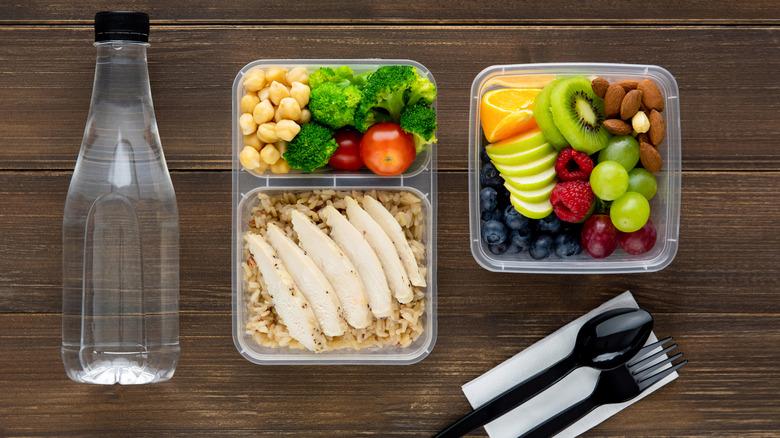
The food we eat influences how we feel, move, think, and recover throughout the working day. However, nutritional requirements are not identical across occupations.
An office employee who spends most of the day at a computer has different energy demands from a construction worker, agricultural laborer, or person performing strenuous tasks outdoors. Similarly, night-shift employees face challenges involving sleep, meal timing, and circadian rhythms, while workers exposed to extreme heat or cold may require specific hydration and energy-management strategies.
These differences make occupational nutrition an important part of workplace health.
The purpose of occupational nutrition is not to prescribe a special supplement for every profession. It is to ensure that people receive adequate energy, protein, healthy fats, carbohydrates, vitamins, minerals, and fluids in ways that match their work demands.
Good nutrition can support physical performance, concentration, muscle recovery, and long-term metabolic health.
It cannot, however, replace workplace safety controls, adequate rest, appropriate protective equipment, or medical care.
This guide explains practical nutritional strategies for six common occupational situations, drawing on modern nutrition principles and occupational health guidance.
1. Nutrition for Office Workers and People Who Perform Mental Work
Modern office workers, researchers, teachers, software developers, writers, and other professionals may spend many hours performing cognitively demanding tasks while remaining physically inactive.
These activities require sustained attention, memory, decision-making, and mental flexibility.
Although intellectual work is demanding, it does not necessarily produce a large increase in total calorie expenditure comparable to strenuous physical labor.
For many desk-based workers, the more important nutritional challenge is obtaining sufficient nutrients without consistently consuming more calories than the body needs.
How the Brain Uses Energy
The brain accounts for only a small proportion of total body weight but uses a substantial share of the body’s energy at rest.
Under ordinary dietary conditions, glucose is a major energy source for the brain.
During prolonged fasting or substantial carbohydrate restriction, the brain can also use ketone bodies, while the body maintains necessary glucose through several metabolic pathways.
Therefore, it is inaccurate to assume that every office worker must consume large amounts of sugar to maintain concentration.
The body normally regulates blood glucose within an appropriate range.
People with diabetes, especially those taking glucose-lowering medications, may require additional attention to meal timing and blood glucose management.
Choose Quality Carbohydrates
Whole grains, beans, vegetables, and whole fruits provide carbohydrates together with dietary fiber and micronutrients.
Oats, brown rice, whole-grain bread, lentils, and other minimally processed foods can help form balanced meals.
Highly sweetened beverages and snacks may provide energy but contribute relatively little dietary fiber and can increase overall calorie intake.
For most desk-based workers, choosing satisfying, nutrient-rich meals is more useful than routinely consuming sugar to stimulate the brain.
Protein and Cognitive Health
Protein supplies essential amino acids needed to maintain tissues and produce many enzymes and signaling molecules.
Foods such as eggs, yogurt, fish, tofu, beans, and poultry can help meet daily protein requirements.
However, simply increasing protein intake beyond individual needs has not been established as a reliable way to improve intelligence, memory, or concentration.
Adequate protein is part of good overall nutrition, not a standalone treatment for cognitive fatigue.
Healthy Fats and Brain Function
The nervous system contains lipids that are important for cell membrane structure and signaling.
Omega-3 fatty acids, including DHA, contribute to normal brain biology.
Fatty fish, walnuts, flaxseeds, and other foods can contribute beneficial fats to the diet, although their fatty acid compositions differ.
Eating animal brains is not necessary for brain health.
Similarly, claims that consuming lecithin-rich foods directly improves intellectual performance or cures nervous exhaustion are not supported by sufficiently strong clinical evidence.
Vitamins and Minerals
B vitamins contribute to energy metabolism and nervous system function.
Vitamin B12 deficiency, for example, can cause neurological symptoms and cognitive difficulties.
However, taking large doses of B vitamins does not reliably improve mental performance in people without a deficiency.
A varied diet generally provides a better foundation than supplements marketed as brain boosters.
The Importance of Movement
Office nutrition should be considered alongside physical activity.
Long periods of sitting may contribute to unfavorable health outcomes.
Regular movement breaks, walking, and muscle-strengthening activities can complement dietary improvements.
A nutritious lunch cannot fully compensate for consistently inadequate physical activity or sleep.
2. Nutrition for Physically Demanding Jobs
Construction workers, warehouse employees, delivery workers, industrial laborers, and others performing demanding physical tasks may use substantially more energy during their working day than sedentary employees.
However, calorie requirements vary widely.
The demands of carrying heavy materials throughout an eight-hour shift differ from those of standing at a workstation or operating machinery.
For this reason, fixed calorie targets should not be assigned solely on the basis of a job title.
Matching Energy Intake to Physical Work
Physically demanding work requires adequate energy availability.
Carbohydrates and fats are major energy sources, while protein supports muscle maintenance and tissue repair.
Workers performing prolonged physical labor may benefit from larger meals or additional snacks.
Whole grains, rice, potatoes, oats, beans, and fruit can provide carbohydrates.
Nuts, seeds, and unsaturated oils provide energy-dense fats.
Appropriate portions should reflect actual work intensity, body size, and total daily activity.
Protein for Muscle Maintenance
Workers who repeatedly lift, carry, push, or perform other demanding tasks place significant mechanical demands on their muscles.
Adequate protein supports maintenance and recovery.
Good sources include eggs, dairy foods, tofu, beans, fish, poultry, and lean meat.
Individual protein needs depend on body size, physical workload, exercise habits, and health status.
Consuming excessive protein is not a substitute for sufficient calories, proper recovery, or safe work practices.
Practical Meals for Physical Workers
A balanced breakfast may include eggs, oats, fruit, and yogurt.
Lunch might contain rice or potatoes, beans or chicken, vegetables, and a suitable source of healthy fat.
Portable snacks such as fruit, nuts, whole-grain sandwiches, or yogurt may help workers meet their energy needs during demanding shifts.
Food storage should be planned carefully, particularly at outdoor worksites without reliable refrigeration.
Nutrition Cannot Neutralize Workplace Toxins
Some physical occupations involve exposure to lead, mercury, solvents, dust, or other hazardous substances.
Adequate nutrition supports normal health but does not remove the need for occupational exposure controls.
There is no reliable dietary strategy that makes unsafe chemical exposure harmless.
Reducing exposure through elimination, substitution, engineering controls, safe work procedures, appropriate protective equipment, and occupational medical surveillance is essential.
Workers should not rely on protein supplements, vitamin C, special diets, or herbal remedies to protect themselves from toxic workplace substances.
For lead exposure, nutrition may be considered as part of general health management, but it does not replace exposure prevention, workplace monitoring, or clinically indicated treatment.
3. Nutrition and Hydration for Workers in Hot Environments
Outdoor construction workers, agricultural laborers, firefighters, foundry employees, kitchen workers, and others may perform physically demanding activities in hot environments.
Heat exposure can increase sweat losses and the risk of dehydration and heat-related illness.
Humidity, direct sunlight, protective clothing, workload, and limited access to rest can increase heat strain.
Appropriate nutrition and hydration are important, but effective heat protection must also include workplace safety measures.
Hydration During Hot Work
Sweating helps the body regulate temperature.
During prolonged physical activity in hot conditions, workers can lose substantial amounts of fluid.
The appropriate replacement amount depends on the workload, environmental conditions, sweat losses, and individual circumstances.
For moderate activities in hot conditions lasting less than two hours, the U.S. National Institute for Occupational Safety and Health recommends approximately one cup (8 fluid ounces, or about 240 milliliters) of water every 15–20 minutes.
NIOSH also advises that workers generally should not exceed approximately six cups of fluid per hour.
These recommendations are occupational guidance for particular conditions, not a universal drinking prescription.
People with medically prescribed fluid restrictions need individualized advice.
Electrolyte Replacement
Sweat contains water and electrolytes, especially sodium and chloride.
During several hours of heavy sweating, beverages containing balanced electrolytes may be appropriate.
Ordinary meals can also provide sodium and other minerals.
There is no justification for recommending that every hot-environment worker consume 15–25 grams of added salt daily.
Excessive sodium intake can be harmful, particularly for people with hypertension, kidney disease, or heart failure.
Electrolyte management should be based on exposure conditions, sweat losses, and individual health requirements.
Potassium and Other Minerals
Potassium supports normal muscle and nerve function.
Beans, potatoes, fruits, and vegetables can help supply potassium as part of a balanced diet.
However, not every worker exposed to heat develops potassium deficiency.
Potassium supplements should not be taken routinely without an appropriate indication.
Similarly, high-dose zinc supplements or zinc sulfate solutions should not be used to prevent heat illness.
Excess zinc can cause gastrointestinal symptoms, copper deficiency, and other adverse effects.
Protein and Calorie Requirements
Physically demanding work in the heat may increase total energy requirements.
However, heat exposure alone does not establish a universal need to increase protein or calories by a fixed percentage.
Workers should consume enough food to support their actual workload, body composition, and recovery.
Balanced meals containing carbohydrates, protein, vegetables, and healthy fats are generally appropriate.
Heat Acclimatization and Rest
New or returning workers should gradually adapt to demanding work in hot environments.
Employers should provide suitable rest breaks, accessible drinking water, shaded or cooled recovery areas, and training on recognizing heat illness.
Heatstroke is a medical emergency.
Confusion, collapse, seizures, or severely altered mental status during heat exposure require emergency assistance and rapid cooling.
No food, supplement, or electrolyte beverage can substitute for urgent treatment.
4. Nutrition for Workers in Cold Environments
Workers in cold-storage facilities, transportation, construction, agriculture, forestry, and other outdoor occupations may face prolonged exposure to low temperatures.
Cold environments can increase heat loss and, depending on the intensity and duration of exposure, raise energy requirements.
However, calorie needs vary considerably.
A worker performing heavy activity outdoors in freezing weather may require substantially more energy than someone operating equipment in a heated vehicle.
Energy Requirements in the Cold
The body uses energy to maintain normal internal temperature.
Shivering increases heat production through muscle activity.
Workers experiencing sustained cold exposure alongside demanding physical activity may need additional food energy.
Carbohydrates, fats, and protein can all contribute to an adequate diet.
Whole grains, potatoes, legumes, nuts, dairy foods, and suitable protein sources offer practical options.
It is unnecessary to prescribe extremely high fat intake or insist that most dietary fat come from animal sources.
Healthy Portable Snacks
Portable foods may be useful when workers have limited access to regular meals.
Options include:
- Whole-grain sandwiches
- Nuts and seeds
- Fruit
- Oat-based snacks
- Yogurt or suitable fortified alternatives
- Bean or lentil dishes
- Warm soups stored at safe temperatures
Food and beverage containers should be suitable for the working environment.
Healthy Fats Instead of Excess Animal Fat
Unsaturated fats from nuts, seeds, vegetable oils, and fish can contribute energy and essential fatty acids.
Very high intakes of saturated fats are not required for cold resistance.
Similarly, sugary snacks can provide energy, but should not routinely displace nutrient-rich meals.
Avoid Alcohol for Warmth
Alcohol can produce a temporary sensation of warmth but may increase heat loss and impair judgment.
Alcohol should not be used as a strategy for preventing hypothermia.
Safe clothing, dry footwear, insulated gloves, appropriate shelter, and warming breaks are more reliable protective measures.
Cold Stress and Occupational Safety
Cold stress may lead to frostbite, hypothermia, and other cold-related injuries.
Workers should recognize warning signs such as unusual fatigue, confusion, impaired coordination, numbness, and changes in skin sensation.
Employers should implement appropriate cold-stress prevention measures.
Nutrition supports general health, but safe work conditions remain the primary protection.
5. Nutrition for Night-Shift Workers
Night-shift employees include healthcare professionals, emergency responders, security personnel, factory workers, transportation staff, and people working in continuous-service industries.
Working at night can create a mismatch between external work schedules and the body’s internal circadian rhythms.
This may affect sleep, appetite, digestion, meal timing, and metabolic regulation.
Night-shift workers also face practical challenges involving access to healthy meals and opportunities for adequate rest.
Why Meal Timing Matters
The body regulates many metabolic processes according to circadian rhythms.
Glucose tolerance, digestive function, appetite-related signals, and sleep-wake patterns can vary across the day.
Regularly eating large meals during the biological night may be less favorable for metabolic regulation than consuming a greater share of food during the daytime.
However, individual responses vary, and work schedules may limit available choices.
The goal is to develop a realistic eating pattern that supports sufficient nutrition without unnecessarily disrupting sleep.
Plan Meals Around the Shift
A practical approach is to eat a balanced meal before starting work.
During the night shift, smaller meals or snacks may be more comfortable than large, heavy meals.
Examples include yogurt, fruit, vegetable soup, whole-grain sandwiches, eggs, nuts, or tofu.
Some occupational health guidance suggests reducing food intake between midnight and 6 a.m. where feasible.
This is not a requirement to remain hungry during a demanding shift.
Workers should adapt meal timing according to their workload, sleep schedule, individual health, and ability to eat regularly.
Avoid Heavy Meals Before Sleep
Large meals shortly before the main sleep period may worsen digestive discomfort or interfere with sleep for some people.
A smaller meal or snack may be more appropriate if hunger would otherwise disrupt rest.
Caffeine and Sleep
Caffeine may temporarily improve alertness.
However, consuming caffeine too close to the intended sleep period can interfere with sleep quality and duration.
Night workers should consider the timing and amount of caffeine they consume.
Energy drinks containing large amounts of caffeine and added sugar are not substitutes for sufficient sleep.
Vitamin D and Night Work
Night-shift workers may spend less time outdoors during daylight hours.
This may contribute to inadequate vitamin D status in some individuals.
However, working at night does not automatically mean that every person needs extra vitamin D or vitamin A.
Supplementation decisions should reflect dietary intake, risk factors, and medical circumstances.
Sleep Is Essential
No dietary pattern can completely eliminate the effects of chronic sleep deprivation.
Employers and workers should prioritize suitable rest opportunities, sleep-supportive environments, and safe scheduling practices.
Persistent excessive sleepiness or difficulty maintaining alertness may require occupational or medical assessment.
6. Nutrition for Agricultural Workers and Farmers
Agricultural work may involve planting, harvesting, irrigation, animal care, carrying equipment, and operating machinery.
Physical demands vary according to the task, season, equipment, and working environment.
Some agricultural activities require substantial energy expenditure, while mechanized tasks may be less physically demanding.
Agricultural workers therefore need flexible nutritional strategies rather than one fixed calorie target.
Fueling Long Working Days
Grains, potatoes, beans, fruits, and other carbohydrate-containing foods provide energy for physical work.
Whole grains offer additional dietary fiber and micronutrients.
Adequate dietary fats help provide energy, while protein supports tissue maintenance and recovery.
For workers involved in intensive harvesting or prolonged manual labor, additional snacks may be useful.
Affordable Protein Sources
Adequate protein intake does not require expensive animal products.
Beans, lentils, soybeans, tofu, eggs, dairy foods, and suitable fish or meat can help meet nutritional needs.
Soy foods are particularly useful because they provide substantial amounts of protein and all nine essential amino acids.
The protein content of dry soybeans is high, but comparisons between dried beans, cooked beans, and fresh meat must account for their different water contents.
Protecting Nutrients During Cooking
Cooking methods influence the retention of some vitamins and minerals.
Using modest amounts of water, avoiding unnecessarily long cooking times, and incorporating a variety of preparation techniques may help preserve nutritional quality.
However, food safety takes priority.
Meat, eggs, seafood, and other potentially hazardous foods must be cooked and stored appropriately.
Some vegetables become easier to digest after cooking.
Hydration During Agricultural Work
Agricultural workers exposed to heat may face substantial fluid losses.
Safe drinking water should be readily accessible.
Fluid intake should be adjusted to workload, environmental conditions, and sweat losses.
During prolonged heavy sweating, electrolyte replacement may be appropriate.
Workers should not routinely consume excessive salt or mineral supplements without a clear need.
Meal Planning During Harvest Seasons
Long harvest days can make regular meals difficult.
Portable foods such as whole-grain sandwiches, cooked beans, fruit, nuts, and refrigerated dairy products may help workers maintain adequate intake.
Food should be stored at appropriate temperatures.
During hot weather, perishable foods require particular attention because of the risk of bacterial growth.
Agricultural Chemicals and Nutrition
Agricultural workers may be exposed to pesticides, solvents, dust, and other hazardous substances.
No dietary supplement or traditional detoxification food can reliably prevent poisoning from unsafe exposure.
Protective equipment, safe handling procedures, workplace training, and appropriate exposure controls are essential.
Suspected pesticide poisoning requires prompt medical evaluation.
7. Comparing Nutritional Priorities Across Occupations
Different jobs create different nutritional challenges.
Office workers often benefit from focusing on dietary quality, appropriate energy intake, and regular physical activity.
Physically demanding workers may need additional calories, carbohydrates, protein, and practical meal opportunities.
Workers in hot environments require particular attention to hydration, electrolyte management when appropriate, heat acclimatization, and cooling breaks.
Cold-environment workers may need additional energy during sustained cold exposure, together with adequate protective clothing and safe warming facilities.
Night-shift workers benefit from thoughtful meal timing, nutritious portable foods, caffeine awareness, and sleep-supportive routines.
Agricultural workers may face combinations of physical exertion, heat exposure, seasonal demands, and challenges involving food availability and safe storage.
Across all occupations, nutritional requirements should be individualized.
8. A Practical Workplace Nutrition Plan
The following examples illustrate how meal choices can be adapted to different working conditions.
For Desk-Based Workers
Breakfast: Oatmeal with yogurt, fruit, and nuts.
Lunch: Whole grains, vegetables, and fish or tofu.
Snack: Fresh fruit or unsalted nuts.
Dinner: Beans, vegetables, and a suitable protein source.
For Physically Demanding Workers
Breakfast: Eggs, whole-grain bread, fruit, and milk or a fortified alternative.
Lunch: Rice or potatoes with chicken, tofu, or beans and vegetables.
Snack: Whole-grain sandwiches, nuts, or fruit.
Dinner: Fish, legumes, vegetables, and sufficient carbohydrates to match energy needs.
For Hot-Environment Workers
Before work: A balanced meal and appropriate hydration.
During work: Accessible drinking water, rest breaks, and electrolyte replacement when indicated by prolonged heavy sweating.
After work: A nutritious meal containing protein, carbohydrates, vegetables, and fluids.
For Cold-Environment Workers
Before work: A balanced breakfast with adequate calories.
During work: Appropriate snacks and suitable warm beverages.
After work: A satisfying meal containing whole grains, vegetables, protein, and healthy fats.
For Night-Shift Workers
Before the shift: A substantial balanced meal.
During the shift: Smaller nutritious snacks or meals as needed.
Before daytime sleep: Avoid excessively large meals; use a light snack if appropriate.
For Agricultural Workers
Before work: A carbohydrate-rich breakfast with protein.
During work: Safe drinking water, rest breaks, and portable food.
After work: A balanced recovery meal with adequate energy and protein.
These examples are not fixed meal prescriptions. Portion sizes, timing, and food choices should reflect individual needs.
9. Common Occupational Nutrition Mistakes
Assuming Mental Work Requires Large Amounts of Sugar
The brain uses glucose, but normal glucose regulation does not require frequent consumption of sugary snacks.
Balanced meals are generally preferable to relying on sweets for concentration.
Assuming Every Physical Worker Needs 4,000 Calories
Energy needs vary widely and should reflect actual physical workload.
An unnecessarily high calorie intake can contribute to unwanted weight gain.
Using High-Dose Salt Supplements in Hot Weather
Heavy sweating may increase sodium losses, but routine excessive salt intake is unsafe.
Hydration and electrolyte replacement should be appropriate to actual working conditions.
Drinking Zinc Sulfate Solutions to Prevent Heat Illness
Zinc sulfate is not an established preventive treatment for occupational heat stress.
Improperly prepared or excessive supplementation may cause harm.
Eating Large Amounts of Animal Fat to Prevent Cold Injury
Adequate energy is important, but excessive saturated fat does not prevent frostbite or hypothermia.
Drinking Alcohol to Stay Warm
Alcohol can increase heat loss and impair safety-related judgment.
Using Vitamin Supplements to Compensate for Toxic Exposure
Food and supplements do not replace effective protection from lead, mercury, pesticides, or other occupational hazards.
Trying to Replace Sleep With Caffeine or Special Foods
Caffeine and food may affect short-term alertness, but they cannot fully compensate for chronic sleep deprivation.
Frequently Asked Questions
Do office workers need special brain foods?
No individual food reliably improves intelligence or concentration in everyone. Balanced meals, adequate sleep, physical activity, and correction of nutritional deficiencies are more important.
How much protein do manual laborers need?
Requirements depend on body weight, work intensity, activity outside work, and health status. Some highly active workers may benefit from higher protein intake than the usual adult baseline, but needs should be individualized.
Should outdoor workers drink salt water?
Not routinely. Workers experiencing prolonged heavy sweating may require electrolyte replacement, but indiscriminate salt supplementation is not recommended.
Can food protect workers from lead or mercury poisoning?
No. Adequate nutrition supports normal health, but preventing exposure through workplace controls is essential.
Do cold-environment workers need a high-fat diet?
Not necessarily. Workers exposed to prolonged cold may require additional energy, but this can come from a balanced diet rather than excessive animal fat.
What should night-shift workers eat?
Nutritious meals before work and smaller, balanced meals or snacks during the shift may be helpful. Meal timing should support both energy needs and adequate daytime sleep.
Are soy foods suitable for agricultural workers?
Yes. Soybeans, tofu, and other soy products provide valuable protein and can be practical, affordable components of a balanced diet.
Conclusion
Occupational nutrition recognizes that people working under different physical, environmental, and scheduling conditions may have different nutritional requirements.
Office workers often need to focus on dietary quality and managing prolonged sedentary behavior. Physically demanding workers may need more energy and appropriate recovery nutrition. Heat-exposed workers require safe hydration practices and protection from heat illness, while cold-exposed workers need suitable energy intake and environmental safeguards.
Night-shift employees benefit from attention to meal timing and sleep, and agricultural workers need practical food plans that account for seasonal workloads and environmental exposure.
Across every occupation, the most reliable foundation remains a varied diet containing sufficient energy, high-quality protein, healthy fats, fiber-rich carbohydrates, vitamins, minerals, and fluids.
Good nutrition supports working health, but it cannot replace safe workplace conditions, adequate rest, exposure prevention, or appropriate medical care.
The healthiest occupational diet is not the one with the most supplements or the highest calorie content. It is the one that meets the worker’s actual needs while supporting long-term well-being.
References and Further Reading
- World Health Organization. Healthy Diet. Updated January 26, 2026.
https://www.who.int/news-room/fact-sheets/detail/healthy-diet - Centers for Disease Control and Prevention, National Institute for Occupational Safety and Health. Heat Stress: Workplace Recommendations.
https://www.cdc.gov/niosh/heat-stress/recommendations/index.html - CDC/NIOSH. Cold and Work: Types, Causes, Preparation. Updated July 14, 2026.
https://www.cdc.gov/niosh/cold-stress/about/ - CDC/NIOSH. Diet Suggestions for Night-Shift Nurses.
https://www.cdc.gov/niosh/work-hour-training-for-nurses/longhours/mod9/08.html - CDC/NIOSH. Information for Employers: Lead Exposure Prevention.
https://www.cdc.gov/niosh/lead/prevention/information-for-employers.html - CDC/NIOSH. Adjusting to Work in the Heat: Why Acclimatization Matters.
https://www.cdc.gov/niosh/bulletin/2014/acclimatization.html
Editorial Note: This article provides general occupational nutrition education. Specific workplace risks require appropriate occupational health assessment, employer safety measures, and applicable regulatory compliance.
Educational content only. Not medical advice.


Office Workers

Physical Labor

Hot Environments

Cold Environments

Night-Shift Workers

Agricultural Workers
This article is for general education and does not replace individualized care from a qualified health professional. Seek appropriate advice for persistent, severe, or concerning symptoms.
Read the full medical disclaimer

