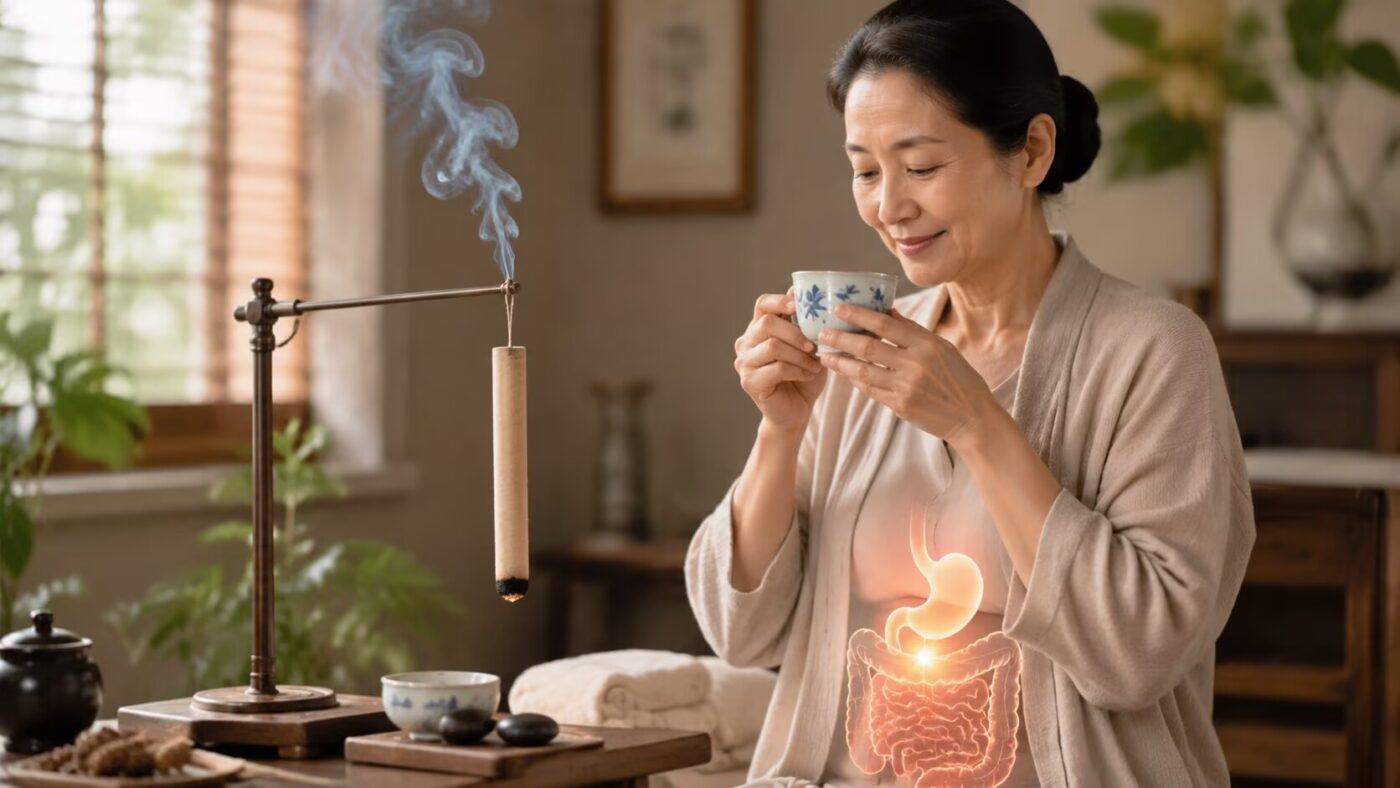
As people get older, many notice that their digestion becomes more sensitive. Foods and drinks that once caused no problems—such as ice cream, cold beverages, or fruit taken directly from the refrigerator—may suddenly lead to discomfort.
Some people report experiencing bloating, stomach discomfort, loose stools, or a feeling that their abdomen does not tolerate cold foods well, especially during hot weather when cold drinks are more tempting.
From the perspective of traditional Eastern wellness practices, this condition is often associated with the concept of “Spleen and Stomach Qi Deficiency with Cold Sensitivity.” In traditional Chinese medicine (TCM), the spleen and stomach are considered central to digestion and energy transformation. When digestive function is believed to be weakened, some people may feel more sensitive to cold foods and environments.
Modern health science also recognizes that digestive sensitivity can be influenced by many factors, including diet patterns, stress, gut health, sleep quality, age-related changes, and individual tolerance.
Why Cold Foods May Feel Uncomfortable for Some People
Cold foods themselves are not harmful for everyone. Many healthy people can enjoy chilled drinks and refrigerated foods without any issues.
However, some individuals may notice discomfort after consuming large amounts of cold foods, particularly when:
The digestive system is already sensitive
Meals are irregular
Stress levels are high
Sleep quality is poor
The diet lacks balance
Common experiences may include temporary stomach discomfort, bloating, or changes in bowel habits.
Listening to your body and understanding your own tolerance is an important part of maintaining long-term digestive wellness.
Traditional Wellness Practice: Supporting Digestive Comfort with Moxibustion
In traditional Chinese wellness practices, moxibustion is a technique that uses the warmth generated from burning dried mugwort (moxa) near specific areas of the body.
One commonly discussed point is Zhongwan (CV12), located on the midline of the upper abdomen between the chest and the navel.
Traditional practitioners often associate Zhongwan with digestive support and stomach wellness. In traditional practice, gentle warming methods such as moxibustion are sometimes used as part of a broader approach to maintaining digestive balance.
A traditional moxibustion session may involve:
Keeping the moxa stick at a comfortable distance from the skin
Applying gentle warmth rather than intense heat
Allowing the area to gradually warm
Paying attention to comfort and avoiding burns
The goal is relaxation and warmth, not forcing the body to respond.
A Holistic Approach to Digestive Wellness
Whether using traditional practices or modern lifestyle approaches, digestive health is usually supported by consistent daily habits.
Helpful habits may include:
Eat According to Your Body’s Needs
Some people feel better with warm meals and drinks, while others tolerate cold foods well. Understanding your personal response can help you create a comfortable eating pattern.
Maintain Regular Meal Times
A stable eating schedule can help support healthy digestive rhythms.
Prioritize Sleep and Stress Management
Poor sleep and chronic stress can influence appetite, digestion, and overall well-being.
Choose Balanced Nutrition
A diet rich in vegetables, quality protein, whole grains, and healthy fats supports overall health.
Important Safety Note
Moxibustion is a traditional wellness practice and should not replace professional medical care.
If you experience persistent stomach pain, frequent diarrhea, unexplained weight loss, blood in stool, severe digestive problems, or ongoing symptoms, consult a qualified healthcare professional.
When practicing moxibustion at home, always prioritize safety:
Avoid excessive heat
Prevent burns
Use proper ventilation
Stop immediately if discomfort occurs
Final Thoughts
Digestive sensitivity can change throughout life. Instead of focusing only on avoiding certain foods, a healthier approach is to understand your body, maintain balanced habits, and explore safe wellness practices that support your overall quality of life.
Traditional practices such as moxibustion represent one part of Eastern wellness philosophy, emphasizing warmth, balance, and harmony between lifestyle and the body.
A healthy digestive system is often built through small, consistent choices made every day.
This article is for general education and does not replace individualized care from a qualified health professional. Seek appropriate advice for persistent, severe, or concerning symptoms.
Read the full medical disclaimer