Belly massage for bloating and constipation may help some people feel more comfortable when temporary bloating, gas, or bowel irregularity is present.Temporary bloating, constipation, intestinal gas, posture, and abdominal muscle tension can all change the appearance and sensation of your abdomen. This is why some people notice that their stomach looks flatter in the morning but becomes more distended later in the day.
Gentle abdominal massage and comfortable hip movement will not “burn belly fat” or detox the body, but they may help some people feel less bloated, support bowel regularity, relax abdominal tension, and improve overall comfort. Understanding what these techniques can and cannot do is the key to using them safely.
Why Your Lower Belly May Look Bloated
Abdominal size naturally changes throughout the day. Food, fluids, intestinal contents, and gas all contribute to these fluctuations.
Constipation is one common reason the abdomen may feel heavier or more distended. When bowel movements become less frequent or stools are difficult to pass, intestinal contents can remain in the digestive tract longer. Gas may also accumulate, contributing to pressure, fullness, or visible bloating.
This is different from gaining abdominal fat. Fat accumulation develops over time, while bloating can fluctuate considerably within hours or days.
Other possible contributors include eating quickly, carbonated drinks, certain fermentable foods, changes in gut motility, menstrual-cycle changes, stress, and prolonged sitting.
Can Belly Massage Help With Constipation?
Gentle abdominal massage has been studied as a complementary approach for constipation. Some research suggests that abdominal massage may help improve bowel movement frequency and reduce constipation-related discomfort in certain people.
The idea is relatively simple. The large intestine travels around the abdomen, and gentle rhythmic pressure may encourage movement through the digestive tract while helping the abdominal wall relax.
Massage should not be painful. More pressure does not necessarily produce better results.
A comfortable approach is to place your hands on the abdomen and make slow, gentle clockwise circles. This direction roughly follows the path of the colon.
Try this for several minutes while breathing slowly and allowing your abdomen to relax.
Belly Massage for Bloating
Massage may also provide temporary relief from the sensation of abdominal tightness or fullness.
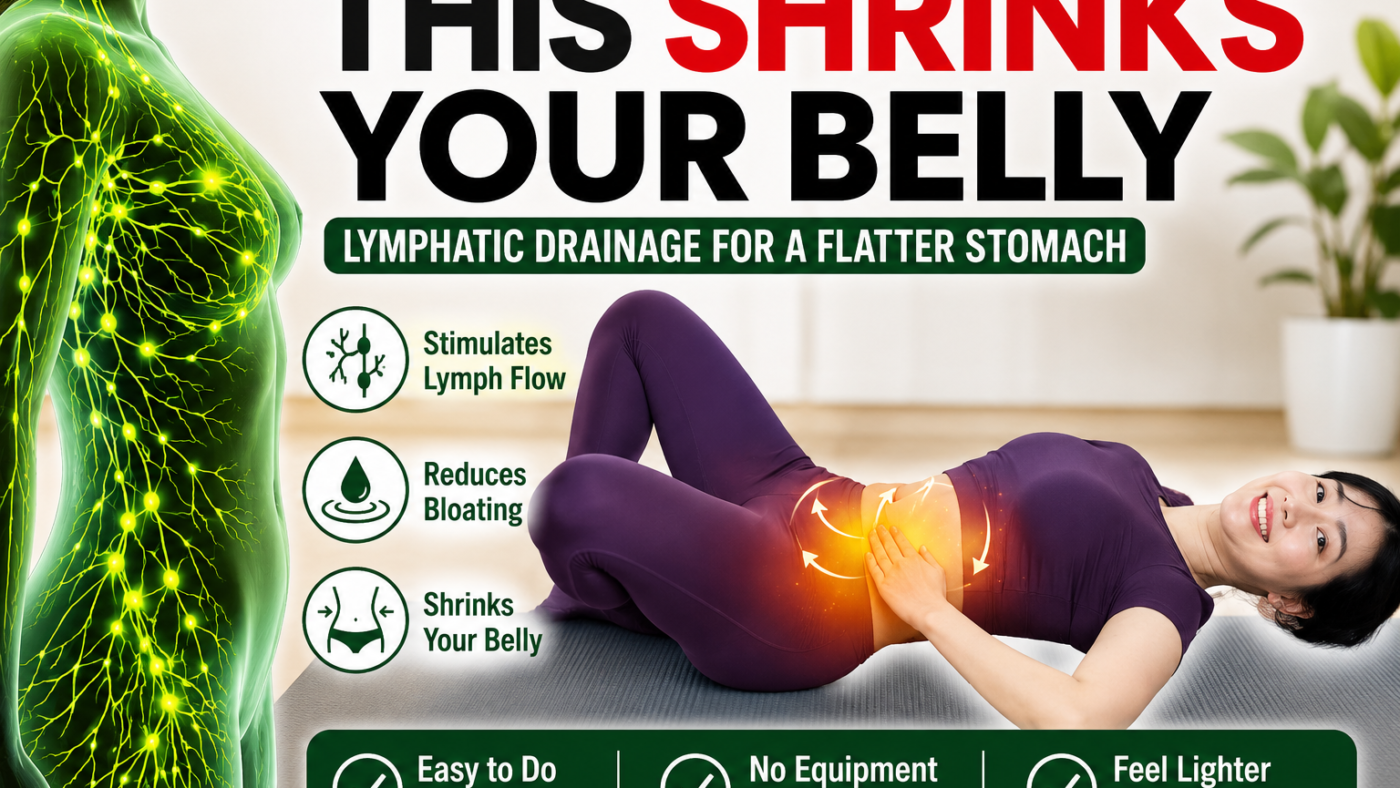
Lie comfortably on your back with your knees slightly bent. Place one or both palms over your abdomen and breathe slowly into the belly.
As you exhale, allow the abdominal muscles to soften.
Then use light circular movements around the abdomen rather than aggressively pushing deeply into the tissues.
The objective is comfort and relaxation—not forcing gas, stool, fluid, or supposed “toxins” out of the body.
If massage makes your symptoms worse, stop.
Add Gentle Hip Movement
Your digestive system does not operate independently from the rest of your body. Physical activity is associated with healthier gastrointestinal motility, and prolonged inactivity can contribute to constipation in some people.
Gentle hip and pelvic movements therefore make a useful addition to an abdominal relaxation routine.
One simple movement is the knee-to-chest stretch.
Lie on your back and slowly bring one knee toward your chest while keeping the other leg comfortable. Hold the position without forcing the hip. Breathe normally, release, and repeat on the opposite side.
You can also bring both knees toward the chest and gently rock from side to side if that feels comfortable.
These movements should feel like mobility exercises rather than intense stretching.
Try a Relaxed Butterfly Position
Lie on your back, bend your knees, and bring the soles of your feet together. Allow your knees to fall outward only as far as feels comfortable.
Do not bounce or force the knees toward the floor.
Stay in this position while taking several slow breaths. Relaxing the hips, inner thighs, and abdominal wall can be particularly pleasant after prolonged sitting.
If you experience hip, groin, or pelvic pain, skip this movement.
Diaphragmatic Breathing May Help You Relax
Stress and digestive symptoms can interact through the gut-brain axis. When you are tense, you may unconsciously tighten your abdominal muscles or change your breathing pattern.
Slow diaphragmatic breathing is an easy way to encourage relaxation.
Place one hand over your abdomen. Inhale slowly through your nose and allow the belly to expand naturally. Exhale without aggressively pulling the stomach inward.
Continue for several breaths.
This will not directly eliminate abdominal fat, but it may help reduce unnecessary abdominal tension and make the entire routine more comfortable.
Can These Exercises Actually Flatten Your Stomach?
This distinction is important.
If your abdomen looks larger because of temporary bloating, gas, constipation, or muscular tension, reducing those factors may make your stomach feel or appear less distended.
That does not mean massage has removed abdominal fat.
Body-fat reduction requires a longer-term change in energy balance and cannot be targeted to one specific area through massage. Nutrition, regular physical activity, resistance training, sleep, and other lifestyle factors play much larger roles in long-term body composition.
Be cautious of claims that a massage can “melt belly fat,” permanently flatten the abdomen, or remove several pounds of toxins.
A Simple 10-Minute Belly Comfort Routine
You can combine the techniques into a short routine:
- Spend 1–2 minutes breathing slowly and relaxing your abdomen.
- Perform gentle clockwise abdominal circles for 2–3 minutes.
- Bring one knee toward your chest and hold comfortably, then switch sides.
- Bring both knees toward your chest and gently rock from side to side.
- Rest in a comfortable butterfly position for about one minute.
- Finish with another minute of relaxed diaphragmatic breathing.
None of these movements should produce sharp pain.
The goal is not to punish your abdomen into becoming flatter. The goal is to encourage comfortable movement, relaxation, and healthy digestive habits.
What Helps Constipation Beyond Massage?
Massage works best, if it helps at all, as part of a broader routine.
Adequate hydration, regular physical activity, and sufficient dietary fiber are important for many people. Fruits, vegetables, legumes, whole grains, nuts, and seeds can contribute fiber, although suddenly increasing fiber dramatically can sometimes worsen gas and bloating.
Regular bathroom habits can also help. Avoid repeatedly ignoring the urge to have a bowel movement.
If constipation persists despite lifestyle changes, discuss it with a healthcare professional rather than continually increasing the intensity of abdominal massage.
When You Should Not Massage Your Abdomen
Abdominal pain should never automatically be assumed to be constipation or harmless bloating.
Avoid deep abdominal massage and seek medical advice when appropriate if you have severe or unexplained abdominal pain, persistent vomiting, significant abdominal swelling, fever, blood in the stool, unexplained weight loss, or an inability to pass stool or gas.
People who are pregnant, have recently undergone abdominal surgery, have a known abdominal or gastrointestinal condition, or have been advised to avoid abdominal pressure should ask a healthcare professional before trying massage.
New or persistent changes in bowel habits also deserve medical evaluation.
The Bottom Line
Gentle belly massage is not a fat-loss treatment or a detox technique. Your liver, kidneys, lungs, digestive system, and other organs already perform the body’s essential waste-processing functions.
But abdominal massage can still have a useful role.
For some people, gentle massage combined with movement, hydration, appropriate fiber intake, and regular physical activity may support bowel comfort and help relieve temporary constipation or bloating.
And when bloating decreases, the abdomen may naturally look less distended.
That is a realistic benefit—and there is no need to exaggerate it into a miracle cure.
FAQ
Can belly massage reduce bloating?
It may help some people feel less bloated, particularly when constipation or abdominal tension contributes to the discomfort. Results vary, and persistent bloating should be medically evaluated.
Does abdominal massage help you poop?
Some studies suggest abdominal massage may support bowel movement frequency and improve constipation symptoms in certain people. It should be used as a complementary strategy rather than a replacement for medical treatment when constipation is persistent or severe.
Can belly massage burn abdominal fat?
No. Massage does not selectively burn abdominal fat. A temporarily flatter appearance after massage is more likely related to changes in bloating, bowel contents, posture, or muscular tension.
Which direction should you massage your stomach?
A commonly used technique involves gentle clockwise circles following the approximate direction of the large intestine. Massage should remain comfortable and should never cause significant pain.
How often can you perform abdominal massage?
A short, gentle routine can be performed regularly if it feels comfortable. Stop if you develop pain, nausea, dizziness, or worsening digestive symptoms.
Medical Disclaimer:
This article is for educational and informational purposes only and is not intended to diagnose, treat, cure, or prevent any disease. Abdominal bloating, constipation, and pain can have many causes. Seek professional medical advice for persistent, severe, or unexplained symptoms.
This article is for general education and does not replace individualized care from a qualified health professional. Seek appropriate advice for persistent, severe, or concerning symptoms.
Read the full medical disclaimer