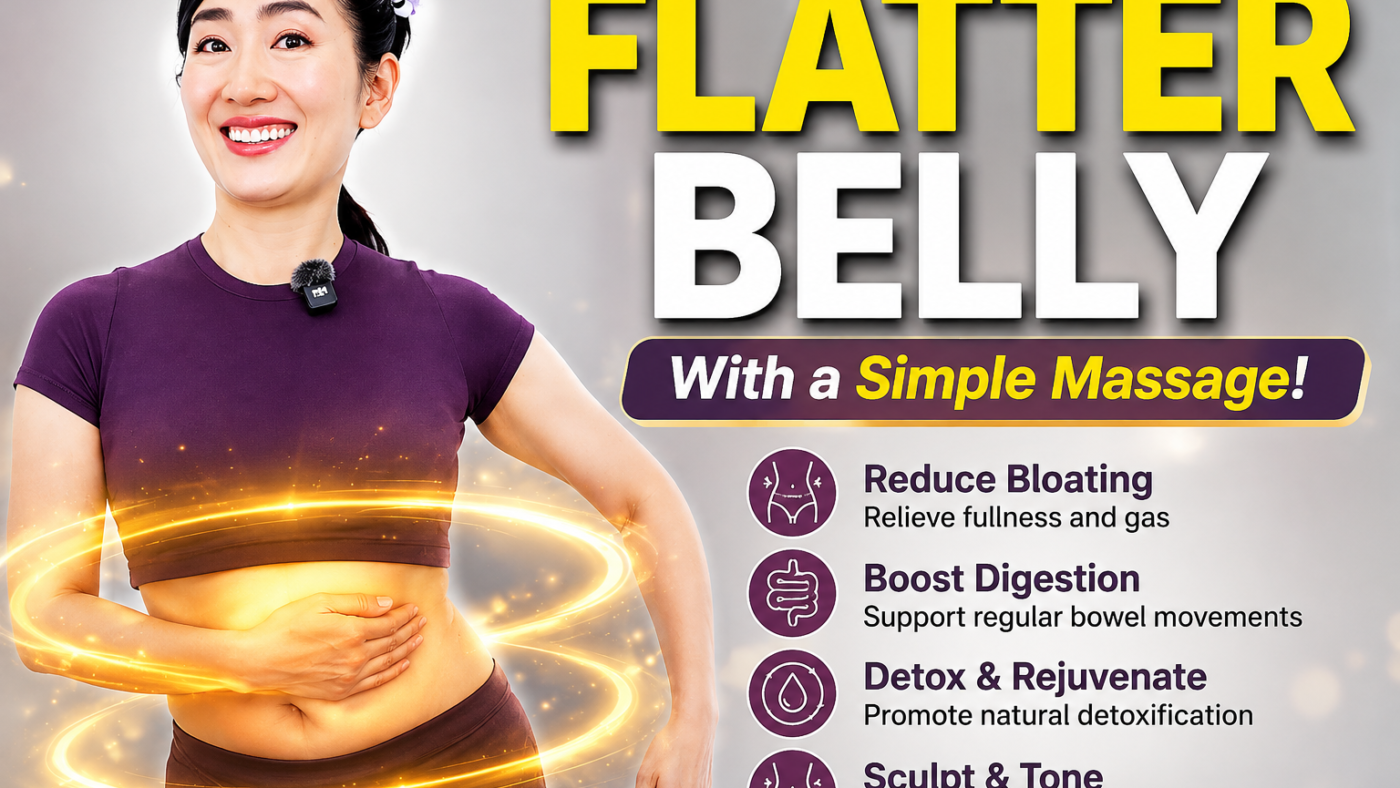
A bloated or protruding lower belly is not always explained by body fat alone. Digestive discomfort, constipation, abdominal muscle tension, posture, gas, and changes in bowel habits can all affect how the abdomen feels and looks. Gentle belly massage may help some people feel more comfortable by promoting relaxation, increasing awareness of abdominal tension, and supporting normal bowel movement patterns.
Abdominal massage is not a fat-loss shortcut, and it cannot physically “melt” belly fat, remove toxins, or permanently flatten the stomach overnight. However, when used carefully, it may be a useful wellness practice for people who experience mild constipation, temporary bloating, abdominal tightness, or stress-related digestive discomfort.
Why Your Belly Can Look or Feel Bigger
The abdomen changes throughout the day. Meals, hydration, bowel movements, menstrual cycles, stress, posture, and physical activity can all influence abdominal fullness.
Constipation is one common cause of temporary abdominal distension. When stool remains in the colon longer than usual, people may experience fullness, pressure, gas, or a visibly larger abdomen. Gas can create similar symptoms, especially after large meals or foods that are poorly tolerated.
Posture also matters. A relaxed or weak abdominal wall, prolonged sitting, or an exaggerated curve in the lower back can make the abdomen appear more prominent even when body-fat levels have not changed.
For this reason, a “belly pooch” should not automatically be treated as a fat problem.
Can Belly Massage Help With Constipation?
Gentle abdominal massage has been studied as a complementary approach for constipation. Massage does not replace adequate fiber, hydration, physical activity, medications when prescribed, or evaluation of persistent symptoms, but it may help some people encourage bowel movement and reduce feelings of abdominal discomfort.
The proposed benefit is primarily mechanical and relaxing. Gentle pressure and circular movements over the abdomen may stimulate sensory receptors, encourage movement within the gastrointestinal tract, and help reduce abdominal muscle guarding.
Some people also find that massage encourages them to slow down their breathing. That relaxation response may be useful because stress can influence gastrointestinal function through the gut-brain connection.
Does Belly Massage Reduce Bloating?
It may help with certain types of temporary bloating, particularly when bloating is associated with gas or constipation.
A massage cannot remove abdominal fat in a few minutes. What it may do is help relieve trapped gas, encourage bowel activity, and reduce muscular tension. If abdominal distension decreases afterward, the stomach may temporarily look flatter because the underlying bloating has improved.
That is very different from losing body fat.
Long-term reduction of abdominal fat still depends primarily on overall nutrition, energy balance, physical activity, sleep, metabolic health, and other individual factors.
A Gentle Belly Massage Routine
Start in a comfortable standing, seated, or lying position. Lying down with the knees slightly bent is often the easiest position because it allows the abdominal muscles to relax.
Warm your hands first. If desired, apply a small amount of a skin-compatible oil or lotion so your hands move smoothly without pulling the skin. Almond, coconut, or olive oil may be suitable for some people, but anyone with sensitive skin should patch-test first.
Place your palms gently over the abdomen and begin with broad, slow strokes. Keep the pressure comfortable. Abdominal massage should never feel sharp, forceful, or intensely painful.
Next, use slow circular movements around the abdomen. The goal is relaxation rather than digging deeply into the tissues. Breathe slowly while allowing the stomach to soften during each exhalation.
You can continue for approximately five to ten minutes, adjusting the duration according to comfort.
Try Clockwise Circular Massage
Many abdominal massage routines use clockwise circles because this generally follows the direction in which contents travel through much of the large intestine.
Begin with light pressure on the lower right side of the abdomen, gradually move upward toward the ribs, across the upper abdomen, and then downward on the left side.
The movement should remain slow and comfortable.
There is no benefit to pressing hard enough to cause pain. Strong pressure does not make the technique more effective and may irritate sensitive tissues.
Add Gentle Side-Waist Massage
Bloating can sometimes be accompanied by tension around the sides of the abdomen and lower ribs.
Place the palms or fingertips along the side waist and gently rub upward and downward. Keep your shoulders relaxed and breathe naturally.
This does not “drain fat” from the waist, but it may make the surrounding muscles and soft tissues feel less tense.
Lower-Abdominal Relaxation
Place your hands several centimeters below the belly button and take several slow breaths.
Rather than pushing deeply, allow the abdominal wall to soften as you breathe out. Gentle contact alone may help you become more aware of unnecessary tension.
Many people unconsciously hold their abdominal muscles tight throughout the day, particularly during periods of stress.
Learning to alternate between gentle abdominal engagement and complete relaxation may support better breathing and body awareness.
Combine Massage With Diaphragmatic Breathing
Breathing may be one of the most useful additions to an abdominal massage routine.
Place one hand over your chest and the other over your abdomen. Inhale slowly through your nose and allow the lower ribs and belly to expand naturally.
Exhale gradually without force.
Repeat for several minutes.
Diaphragmatic breathing may reduce muscular tension and encourage relaxation of the nervous system. For people whose digestive symptoms worsen during stress, this may be particularly valuable.
Walking Can Help Too
Massage should not be viewed in isolation.
A short walk after meals may support normal gastrointestinal movement and help reduce feelings of fullness or gas. Regular physical activity is also associated with better bowel function in many people.
Even ten or fifteen minutes of gentle walking can be a practical addition to a digestive wellness routine.
Hydration and Fiber Still Matter
If constipation is contributing to abdominal discomfort, massage alone will rarely solve the underlying problem.
Adequate fluid intake helps stool remain softer and easier to pass. Dietary fiber can also support regular bowel movements, although rapidly increasing fiber may temporarily worsen bloating in some people.
Fiber-rich foods include vegetables, fruit, legumes, whole grains, nuts, and seeds.
Increase fiber gradually and drink sufficient fluids alongside it.
What Belly Massage Cannot Do
Several popular claims about abdominal massage go beyond available evidence.
Massage cannot physically lift internal organs into a permanently different position. It does not remove “toxins” stored in abdominal fat, dissolve body fat through the lymphatic system, or permanently reduce waist size overnight.
It also cannot treat serious gastrointestinal diseases.
Temporary changes in abdominal circumference after massage are more plausibly explained by reduced gas, bowel movement, hydration changes, muscular relaxation, or measurement variation.
Those changes should not be confused with fat loss.
When You Should Avoid Abdominal Massage
Avoid forceful abdominal massage if you have severe or unexplained abdominal pain, recent abdominal surgery, an abdominal hernia, active inflammatory bowel disease, suspected bowel obstruction, significant gastrointestinal bleeding, or another condition for which pressure on the abdomen may be unsafe.
Pregnant individuals should ask their healthcare professional before beginning abdominal massage.
Stop immediately if massage causes sharp pain, dizziness, nausea, worsening symptoms, or unusual discomfort.
When Bloating or Constipation Needs Medical Attention
Occasional constipation and bloating are common, but persistent symptoms deserve attention.
Seek medical evaluation if abdominal symptoms are accompanied by severe pain, vomiting, fever, blood in the stool, unexplained weight loss, persistent changes in bowel habits, inability to pass stool or gas, or significant abdominal swelling.
New or worsening symptoms should not automatically be attributed to “toxins,” aging, or sluggish digestion.
The Bottom Line
Gentle abdominal massage can be a simple addition to a digestive wellness routine. It may help some people relax the abdominal wall, reduce temporary bloating, encourage bowel movement, and feel more comfortable.
The most realistic approach combines massage with hydration, appropriate fiber intake, regular movement, stress management, and attention to persistent gastrointestinal symptoms.
Think of belly massage as a relaxation and digestive-support technique rather than a fat-loss treatment. Used gently and consistently, it may help your abdomen feel calmer, softer, and more comfortable without relying on exaggerated promises.
FAQ
Can belly massage actually relieve constipation?
It may help some people stimulate bowel activity and reduce discomfort, especially when combined with hydration, fiber, and regular movement.
Can abdominal massage flatten your stomach?
It cannot directly burn abdominal fat. Temporary flattening may occur when gas, constipation, or abdominal tension improves.
How long should I massage my abdomen?
About five to ten minutes of gentle massage is usually enough for a wellness routine. Stop if you experience pain or worsening symptoms.
Should belly massage be clockwise?
Many techniques use clockwise movements because they broadly follow the direction of the large intestine.
Can belly massage remove toxins?
There is no good evidence that abdominal massage removes stored toxins or melts fat through the lymphatic system.
Medical Disclaimer: This article is for educational purposes only and is not intended to diagnose, treat, cure, or prevent any disease. Persistent constipation, abdominal swelling, severe pain, bleeding, vomiting, unexplained weight loss, or other concerning symptoms should be evaluated by a qualified healthcare professional.
This article is for general education and does not replace individualized care from a qualified health professional. Seek appropriate advice for persistent, severe, or concerning symptoms.
Read the full medical disclaimer