If your hips feel stiff after sitting all day, your lower back feels tight when you get out of bed, or your legs simply do not move as freely as they once did, a short bedtime mobility routine may be one of the easiest habits to add to your evening.
You do not need an intense workout.
You do not need to force yourself into deep stretches.
And you certainly do not need to “detox” your body through painful massage.
Instead, gentle hip movement, lower-body strengthening and relaxing stretches can help maintain mobility, reduce stiffness and prepare your body for a more comfortable night.
This bedtime hip mobility routine combines easy leg movements, hip-opening exercises, glute activation and gentle abdominal massage into a practical sequence that can be performed on the floor or bed.
For adults over 40, this type of routine may be especially useful because hip mobility and lower-body strength often become increasingly important for everyday activities such as walking, getting up from a chair, climbing stairs and maintaining balance.
Why Hip Mobility Matters More With Age
The hip is one of the largest joints in the body.
It connects the pelvis to the femur and allows the legs to move in several directions, including:
- Flexion
- Extension
- Abduction
- Adduction
- Internal rotation
- External rotation
When hip mobility becomes limited, other areas may compensate.
For example, reduced hip motion can change the way you walk, squat, bend and turn.
That may contribute to extra stress around the lower back or knees in some people.
However, it is important not to oversimplify this relationship.
Hip stiffness is not automatically the cause of back pain, knee pain or other musculoskeletal problems. Pain is complex and may involve many factors, including injury, arthritis, muscle weakness, movement habits and underlying medical conditions.
Still, maintaining comfortable hip mobility is a reasonable part of healthy aging.
Does Better Hip Mobility Help With Weight Loss?
This is where many viral videos exaggerate.
Stretching your hips does not directly burn significant amounts of body fat.
Opening your hips before bed will not cause your whole body to suddenly become slimmer.
But mobility can still support weight management indirectly.
If your hips move comfortably, you may find it easier to:
- Walk
- Exercise
- Squat
- Climb stairs
- Perform resistance training
- Stay physically active throughout the day
Those activities affect overall energy expenditure much more than stretching alone.
So the realistic goal is not:
“Open your hips and fat melts away.”
A better way to think about it is:
“Improve mobility so staying active becomes easier.”
Can Hip Stiffness Cause Varicose Veins?
There is no good evidence that limited hip flexibility directly causes varicose veins.
Varicose veins occur when veins—usually in the legs—become enlarged and twisted, often because the valves inside them do not function efficiently.
Risk factors can include:
- Age
- Family history
- Pregnancy
- Prolonged standing
- Obesity
- Hormonal factors
Regular movement and calf-muscle activity can support circulation in the legs, but stretching the hip is not a treatment for varicose veins.
Visible varicose veins accompanied by pain, swelling, skin changes or ulcers should be evaluated by a healthcare professional.
Bedtime Hip Mobility Routine
This routine should feel comfortable.
Move slowly.
Do not force any joint into pain.
A yoga mat, bed or carpeted floor is ideal.
1. Gentle Leg Shakes
Lie comfortably on your back or sit in a supported position.
Let your legs relax.
Shake them gently for about 20–30 seconds.
The movement should be loose rather than forceful.
Think of this as a transition from your day into your evening routine.
2. Bent-Knee Hip Rotation
Bend both knees.
Allow one knee to move gently inward toward the floor.
Return to the middle.
Repeat several times.
Then switch sides.
Keep the movement within a comfortable range.
If you experience pinching inside the hip joint, reduce the range or stop.
3. Seated Hip “Steps”
Sit comfortably with your knees bent.
Alternately move one knee and then the other, as though your legs were taking small seated steps.
Keep your spine relaxed.
This is more about controlled hip motion than intensity.
Continue for about 20–30 seconds.
4. Relaxed Leg Shaking
Lie on your back.
Lift your legs only as much as feels comfortable.
Gently shake them.
This can create a pleasant sensation after prolonged sitting or standing.
It does not “heal capillaries,” but movement can temporarily increase local blood flow.
5. Butterfly Hip Mobilization
Sit with the soles of your feet together.
Let your knees fall outward naturally.
Do not push them toward the floor.
Move the knees gently up and down like butterfly wings.
Take slow breaths.
The purpose is comfortable motion through the inner thighs and hips.
Important
Your knees do not need to touch the floor.
Flexibility varies greatly from person to person.
6. Leg Circles
Lie on your back.
Lift one leg slightly.
Make a slow circle from the hip.
The circle does not need to be large.
Perform several repetitions in one direction.
Then reverse.
Switch legs.
This movement challenges controlled hip rotation.
Avoid arching your lower back excessively.
7. Gentle Groin Contact
Place your palms lightly over the crease where the thighs meet the pelvis.
Relax.
Take several slow breaths.
You may perform very gentle rubbing if it feels pleasant.
There is no need to press deeply into lymph nodes.
More pressure does not produce better lymphatic drainage.
What Is Lymphatic Drainage?
The lymphatic system helps transport fluid, immune cells and metabolic by-products throughout the body.
Normal muscle movement already helps support lymphatic circulation.
Gentle massage may temporarily influence superficial fluid movement, but it does not “flush toxins” from the body.
Your liver, kidneys, lungs and gastrointestinal system perform most of the body’s actual waste-processing functions.
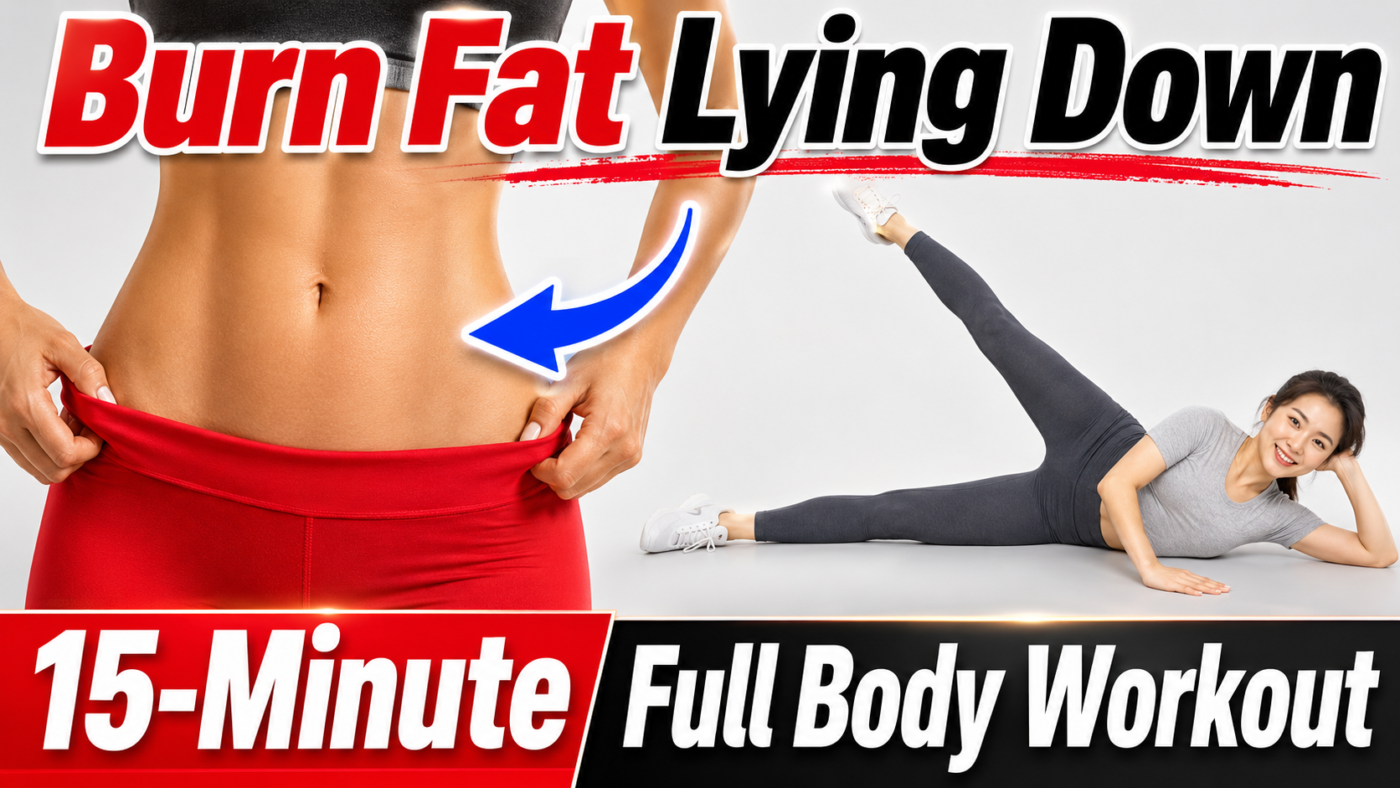
8. Side-Lying Leg Raise
Lie on one side.
Keep your lower leg slightly bent if that feels more stable.
Slowly raise the upper leg.
Do not swing.
Pause briefly.
Lower it with control.
Repeat approximately 8–12 times.
Turn over and repeat on the other side.
Why This Exercise Matters
Side-lying leg raises primarily challenge muscles around the outer hip.
Maintaining these muscles may help support:
- Hip stability
- Pelvic control
- Walking mechanics
- Balance
9. Glute Bridge
Lie on your back.
Bend your knees.
Place your feet comfortably on the floor.
Gently tighten your buttocks and lift your hips.
Do not force your lower back into an exaggerated arch.
Pause.
Slowly lower.
Perform about 8–12 repetitions.
Why Train the Glutes?
The gluteal muscles are among the body’s major lower-body muscles.
They contribute to:
- Walking
- Rising from a chair
- Climbing stairs
- Hip extension
- Pelvic stability
Strengthening them is generally more meaningful for function and energy expenditure than passive massage.
10. Knee-to-Chest Rock
Remain on your back.
Bring one knee comfortably toward your chest.
Hold behind your thigh or over your shin.
Make very small rocking motions.
Keep breathing.
Switch legs.
Avoid pulling aggressively.
11. Supine Spinal Twist
Lie on your back.
Bring one knee toward your torso.
Guide it gently across your body.
Extend the opposite arm outward.
Turn your head only if that feels comfortable.
Take several slow breaths.
Return to the center.
Repeat on the opposite side.
This can produce a gentle stretch through the hips, buttocks and trunk.
12. Happy Baby Variation
Lie on your back.
Bend your knees.
Reach toward your thighs, calves, ankles or feet—whichever is easiest.
Allow the knees to move outward.
Do not force them toward the floor.
Hold for approximately 20–30 seconds while breathing slowly.
This position can provide a comfortable stretch through the hips and inner thighs.
Can This Routine Make Your Waist Smaller?
Not directly.
Stretching and mobility exercises cannot selectively remove fat around the abdomen.
They may make the body feel:
- Less stiff
- More upright
- More relaxed
- Easier to move
Improved posture can sometimes make the abdomen appear different immediately.
But actual fat loss requires a sustained energy deficit over time.
For people trying to reduce body fat, the most important factors remain:
- Nutrition
- Daily movement
- Resistance training
- Aerobic activity
- Sleep
- Long-term consistency
Should You Massage Your Abdomen Before Bed?
Gentle abdominal massage may feel relaxing.
Place your hands over your abdomen.
Move slowly in circles.
Use light pressure.
Some people find abdominal massage comfortable for constipation or general abdominal tension, but results vary.
Do not describe lumps or firmness in the abdomen as “toxins.”
Persistent abdominal hardness, unexplained swelling, severe constipation, abdominal pain or changes in bowel habits deserve medical evaluation.
Can Abdominal Massage Improve Bowel Movements?
Some people report improved comfort or bowel activity from abdominal massage, and it has been studied in certain constipation settings.
However, it should be considered a supportive technique rather than a cure.
Adequate fiber, fluid intake, physical activity and appropriate medical treatment remain more important.
What You May Notice After One Session
It is reasonable to experience an immediate change in how your body feels.
You might notice:
- Less stiffness
- Easier hip movement
- Relaxed legs
- Reduced muscle tension
- A pleasant feeling of warmth
- Easier transition into sleep
That is different from losing fat after one session.
One bedtime routine cannot produce meaningful body-fat loss.
This distinction is important.
How Often Should You Do This Routine?
A simple starting schedule is:
10–15 minutes, 3–5 evenings per week.
You can also perform selected movements every night if they feel comfortable.
There is no need to complete every exercise every time.
Consistency matters more than intensity.
Should You Stretch Before Bed?
Gentle stretching can fit very well into an evening routine.
Bedtime is generally not the time for highly intense exercise if that makes it harder for you to relax.
Focus on:
- Slow movements
- Comfortable breathing
- Low intensity
- Relaxation
- Controlled range of motion
Who Should Be Careful?
Stop the exercise and seek professional advice if you experience:
- Sharp hip pain
- Sudden groin pain
- Numbness
- Tingling
- Significant leg weakness
- New swelling in one leg
- Severe back pain
- Loss of bladder or bowel control
People with recent hip surgery, hip replacement, severe arthritis, osteoporosis, acute injuries or significant mobility limitations should ask a qualified healthcare professional which movements are appropriate.
Bedtime Hip Mobility After 40
Mobility routines become especially valuable when they help preserve activities that matter in everyday life.
The real goal is not extreme flexibility.
You do not need to perform the splits.
You do not need your knees touching the floor in a butterfly stretch.
Useful mobility means being able to:
- Walk comfortably
- Bend safely
- Reach the floor when necessary
- Get out of a chair
- Turn
- Climb stairs
- Maintain balance
Those abilities are far more important than performing dramatic stretches.
Combine Mobility With Strength
For better long-term results, combine this bedtime routine with lower-body strengthening during the week.
Useful exercises may include:
- Sit-to-stands
- Squats to a chair
- Glute bridges
- Step-ups
- Calf raises
- Side leg raises
- Walking
Strength and mobility complement each other.
Stretching alone is not enough to maintain muscle.
The Bottom Line
A bedtime hip mobility routine can be a simple and enjoyable way to keep the hips, legs and lower back moving.
It may help you feel less stiff and more comfortable.
It can also make other types of physical activity easier.
But realistic expectations matter.
This routine does not:
- Detox your body
- Cure varicose veins
- Melt body fat overnight
- Permanently flatten your abdomen after one session
- Dramatically increase metabolism by itself
Its real value is more practical:
better mobility, lower-body activation, relaxation and a sustainable movement habit.
And those are worthwhile benefits on their own.
Frequently Asked Questions
Can a bedtime hip routine help with weight loss?
Not directly. Stretching burns relatively few calories, but better mobility may make walking and exercise easier, indirectly supporting weight management.
Can I do hip stretches every night?
Gentle stretches can often be performed regularly if they are comfortable and pain-free.
How long should the routine take?
About 10–15 minutes is enough for a practical evening routine.
Does butterfly stretching reduce belly fat?
No. Butterfly stretching improves hip and inner-thigh mobility but cannot selectively remove abdominal fat.
Does shaking the legs improve circulation?
Muscle movement temporarily supports blood flow, but leg shaking should not be considered treatment for circulatory disease.
Can hip exercises reduce back pain?
They may help some people, particularly when restricted movement or weakness contributes to symptoms, but back pain has many possible causes.
Will hip stretching prevent varicose veins?
There is insufficient evidence that hip stretching prevents varicose veins.
Is abdominal massage good for constipation?
It may help some people as a supportive technique, but persistent constipation should be appropriately assessed.
Are glute bridges good after 40?
They can be an accessible way to train the gluteal muscles if performed comfortably and with appropriate technique.
Should stretches hurt?
No. You may feel mild tension, but sharp or increasing pain is a reason to stop.
Medical Disclaimer:
This article is for educational purposes only and is not medical advice. Exercise within a comfortable range and stop if you experience sharp pain, numbness, significant weakness, dizziness or worsening symptoms. People with recent surgery, joint replacement, acute injury, severe arthritis, osteoporosis or other significant medical conditions should consult an appropriate healthcare professional before beginning a new exercise routine.
This article is for general education and does not replace individualized care from a qualified health professional. Seek appropriate advice for persistent, severe, or concerning symptoms.
Read the full medical disclaimer