Armpit pain and heart health are sometimes linked in popular wellness advice, but tenderness under the arm does not necessarily indicate a heart problem.Cardiovascular and cerebrovascular diseases remain major health concerns worldwide.
Because heart disease and stroke can have serious consequences, many people look for simple daily practices that might help protect cardiovascular health.
One commonly shared idea suggests that tenderness or a sense of blockage in the armpit may indicate poor heart function, and that repeatedly pinching or massaging the armpit can improve circulation or even prevent cardiovascular disease.
Although this idea may sound simple and appealing, it is important to understand what current medical evidence actually supports.
Armpit Pain Does Not Tell You How Healthy Your Heart Is
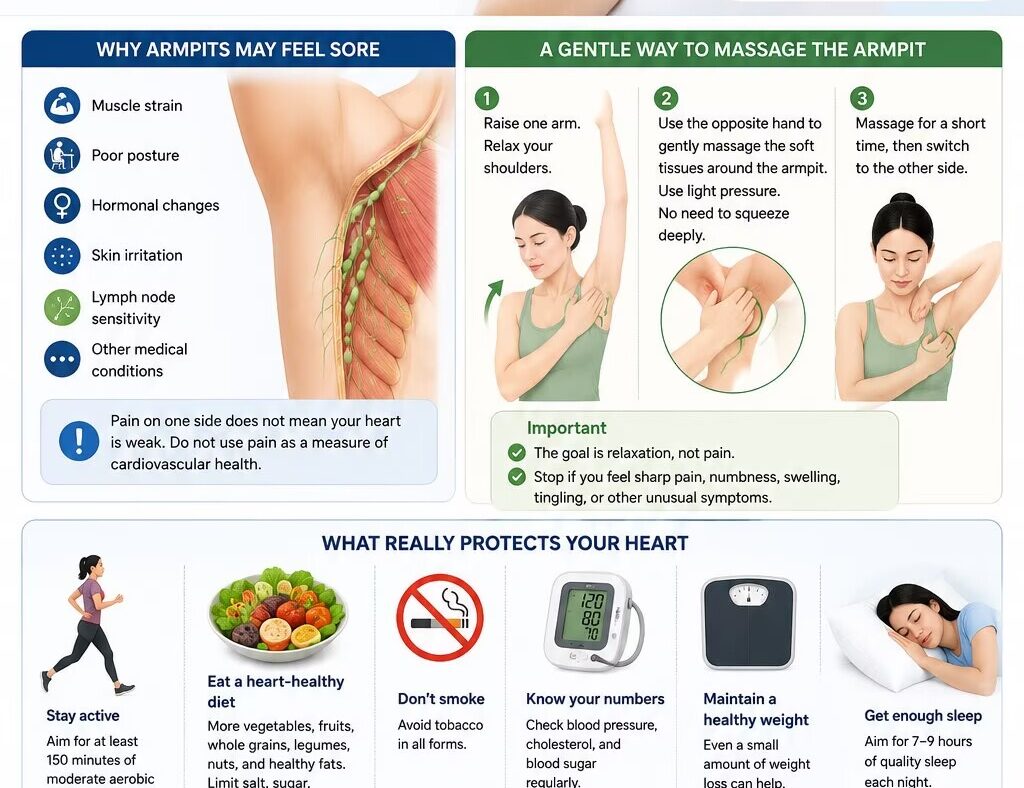
The armpit contains skin, muscles, soft tissues, lymph nodes, blood vessels, and nerves. Because several structures are concentrated in this area, tenderness or discomfort can occur for many different reasons.Understanding armpit pain and heart health requires looking at symptoms in context rather than relying on a single tender area.
Feeling more tenderness on the left side than the right does not mean that the heart is weak.
Likewise, the intensity of armpit pain cannot be used to determine cardiovascular health.
Repeatedly squeezing or massaging the area until the discomfort disappears is also not a reliable way to measure whether cardiovascular risk has improved.When discussing armpit pain and heart health, it is important to separate relaxation practices from proven cardiovascular prevention.
Heart and blood vessel health is assessed using factors such as blood pressure, cholesterol levels, blood sugar, smoking status, body weight, age, family history, physical activity, and existing medical conditions.
High blood pressure, elevated cholesterol, diabetes, and smoking are among the most important established cardiovascular risk factors.
Can Pinching the Armpit Prevent Heart Disease or Stroke?
There is currently no strong clinical evidence showing that repeatedly pinching or massaging the armpit can prevent coronary artery disease, heart attack, or stroke.
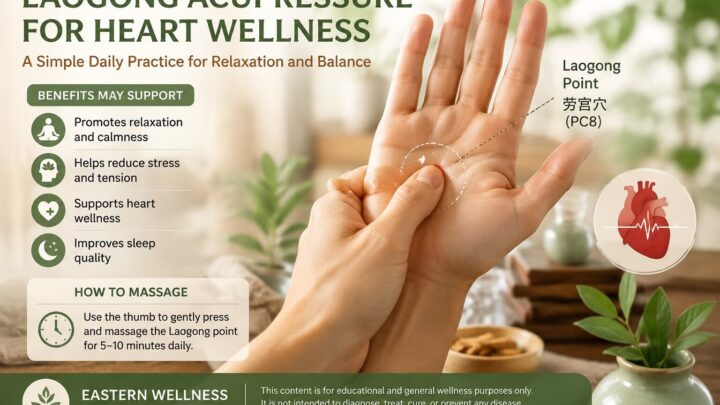
Some studies have explored acupressure and other complementary techniques for specific symptoms or physiological measures such as blood pressure and heart rate.
However, these approaches are generally studied as supportive practices in specific populations. They should not be interpreted as proof that ordinary armpit massage can prevent cardiovascular disease.
If gentle massage around the armpit feels comfortable and relaxing, it may be used as a simple form of self-care.
It should not be considered a treatment for heart disease.
It should also never replace prescribed medications, cardiovascular screening, or professional medical care.
How to Try Gentle Armpit Massage More Safely
If you enjoy this type of relaxation practice, keep the pressure light and comfortable.
Relax your shoulders and gently raise one arm.
Using the opposite hand, lightly massage the soft tissues around the armpit.
There is no need to squeeze deeply or search for a painful point.
The goal should be relaxation rather than pain.
After a short period, switch to the other side.
Stop if you experience significant pain, persistent numbness, unusual swelling, tingling, weakness, or other concerning symptoms.
Do not repeatedly press a painful area in an attempt to force a supposed blockage to disappear.
Pain is not evidence that the technique is working.
What Actually Helps Protect Cardiovascular Health?
When it comes to preventing heart disease and stroke, long-term lifestyle habits matter far more than any single massage technique.
Regular physical activity is one of the most important foundations of cardiovascular health.
For many adults, activities such as brisk walking, cycling, swimming, and other forms of moderate aerobic exercise can help support heart and blood vessel function when performed regularly and appropriately.
Healthy eating is equally important.
A heart-supportive dietary pattern generally emphasizes vegetables, fruits, whole grains, legumes, nuts, and other nutrient-rich foods while limiting excessive sodium, added sugars, saturated fats, and trans fats.
Avoiding tobacco is another major step toward reducing cardiovascular risk.
Regular monitoring of blood pressure, cholesterol, and blood glucose is also important, particularly for adults with known cardiovascular risk factors.
When abnormalities are identified, they should be managed with appropriate lifestyle changes and medical treatment when necessary.
Do Not Ignore Genuine Warning Signs
Confusion about armpit pain can sometimes lead to unnecessary anxiety.
It can also create a more dangerous problem if someone develops genuine cardiovascular symptoms but relies on massage instead of seeking medical attention.
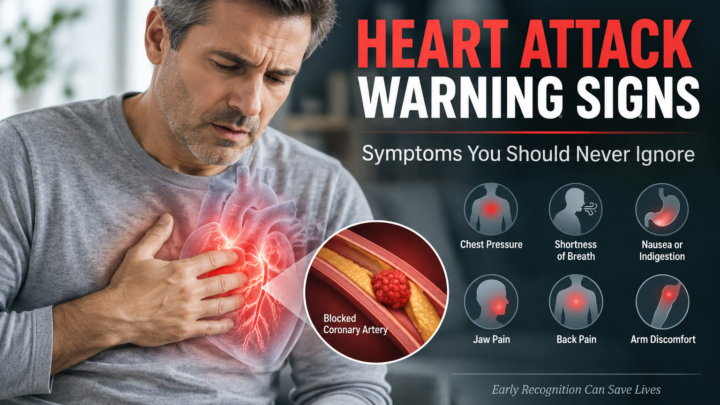
Heart-related symptoms can vary from person to person.
Possible warning signs may include chest pressure, squeezing, heaviness, or pain, especially when associated with shortness of breath, unusual sweating, nausea, dizziness, weakness, or discomfort spreading toward the arm, shoulder, back, neck, or jaw.
Stroke warning signs can include sudden facial weakness, weakness or numbness on one side of the body, difficulty speaking, confusion, vision changes, severe dizziness, or a sudden severe headache.
Symptoms that are sudden, severe, or concerning require prompt medical assessment.
Massage and acupressure should never be used as substitutes for emergency evaluation.
The Most Important Principle to Remember
Gentle massage can be a pleasant form of relaxation.
Relaxation, however, is not the same as medical treatment.
Armpit tenderness cannot diagnose heart disease, and repeatedly pinching the armpit has not been shown to prevent heart attack or stroke.
The most effective approach to cardiovascular health is much less dramatic but far more reliable.
Stay physically active.
Eat a balanced diet.
Avoid smoking.
Get adequate sleep.
Maintain a healthy weight when possible.
Know your blood pressure, cholesterol, and blood sugar levels.
Work with qualified healthcare professionals when cardiovascular risk factors need treatment.
Good health rarely depends on one special point, one massage technique, or one so-called miracle exercise.
It is usually built through simple, safe, evidence-informed habits practiced consistently over time.
This article is intended for general health education and informational purposes only. It is not intended to diagnose, treat, cure, or prevent any medical condition and should not replace individualized advice from a physician or other qualified healthcare professional.
If you experience sudden or persistent chest pain, chest pressure, severe shortness of breath, fainting, sudden weakness or numbness, difficulty speaking, or other serious symptoms, seek appropriate medical attention immediately.
This article is for general education and does not replace individualized care from a qualified health professional. Seek appropriate advice for persistent, severe, or concerning symptoms.
Read the full medical disclaimer