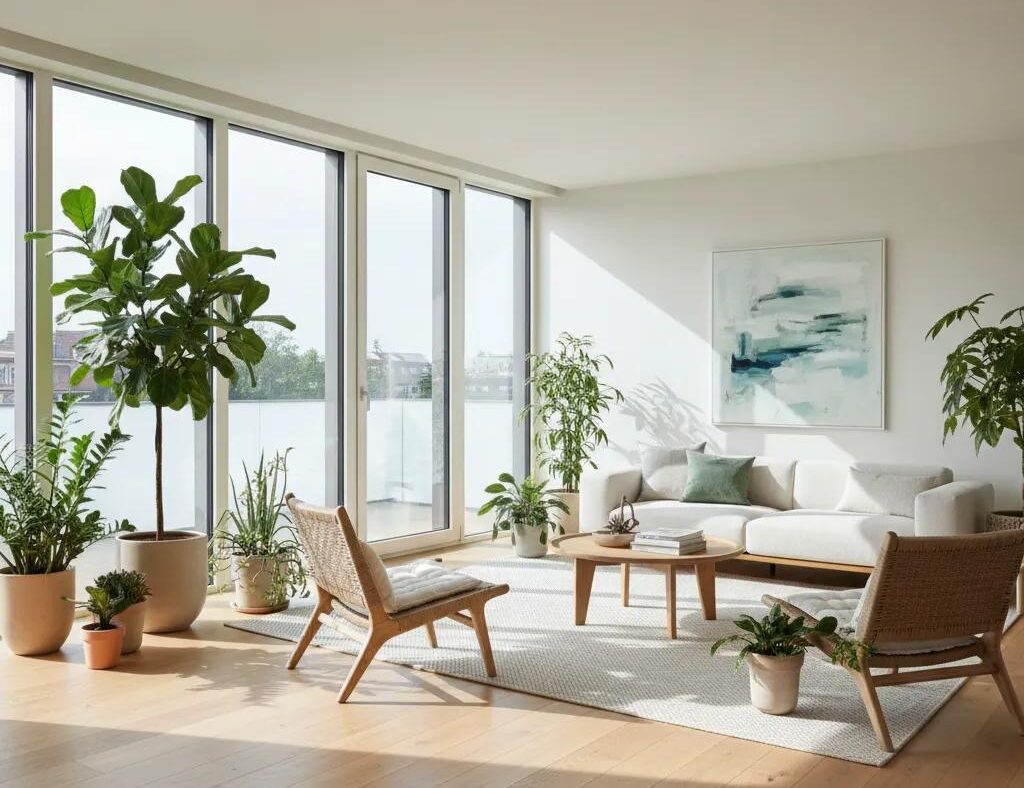
Learning how to create a healthy home begins with understanding the everyday factors that influence indoor air quality, ventilation, humidity, temperature, and household safety. A healthier living environment is not simply about cleanliness or interior design. It involves reducing harmful indoor pollutants, choosing safer building materials, controlling moisture, and creating comfortable spaces that support long-term well-being.A healthy home is more than a clean or beautifully decorated space. The indoor environment can influence respiratory health, sleep, physical comfort, injury risk, and overall well-being.
Building materials, furniture, cooking appliances, moisture, tobacco smoke, combustion equipment, and inadequate ventilation may introduce pollutants or other hazards into residential spaces.
Children, older adults, and people with asthma or other chronic conditions may be especially vulnerable to certain indoor environmental risks.
Fortunately, many improvements do not require an expensive renovation.
The most effective approach combines control of pollution sources, appropriate ventilation, moisture management, safe temperatures, and practical home maintenance.
This guide explains how to create a healthier indoor environment using recommendations from public health and environmental health authorities.
1. How to Create a Healthy Home: Start With Indoor Air Quality
People spend substantial amounts of time indoors.
Indoor air may contain particles, gases, allergens, and other pollutants from multiple sources.
Potential contaminants include particulate matter from cooking, tobacco smoke, mold spores, volatile organic compounds, carbon monoxide, and radon.
The health significance depends on the substance, concentration, duration of exposure, and individual susceptibility.
Understanding how to create a healthy home also means reducing everyday exposure to cooking fumes, combustion pollutants, and excess moisture. Effective kitchen ventilation is one of the most practical ways to improve indoor environmental quality.
A home that looks clean may still contain harmful pollutants.
Likewise, a strong fragrance is not evidence that indoor air is healthy.
Ultimately, how to create a healthy home is a question of prevention, practical maintenance, and informed decisions. Better ventilation, humidity control, safer materials, and appropriate safety equipment can all contribute to a healthier living environment.
2. Choose Building and Decorating Materials Carefully
Some paints, adhesives, coatings, flooring products, and manufactured wood materials can release volatile organic compounds.
Formaldehyde is one chemical of concern in certain pressed-wood products and related materials.
When renovating, consider materials with credible low-emission certifications and relevant regulatory compliance documentation.
Water-based products may offer advantages for some applications, but they are not automatically free of potentially harmful emissions.
Follow manufacturer instructions for installation, curing, and ventilation.
Product labeling and independent testing information are more reliable than claims based solely on whether an item is described as natural, environmentally friendly, or solid wood.
3. Pay Attention to Furniture and Pressed-Wood Products
Particleboard, medium-density fiberboard, plywood, and other engineered wood products are widely used in furniture and cabinetry.
Their emissions depend on the adhesive system, manufacturing quality, surface treatments, and applicable standards.
Solid wood is not automatically free of emissions because stains, coatings, and other finishes may also release pollutants.
Select products that meet relevant emission standards and use appropriate ventilation during and after installation.
When indoor formaldehyde levels are a concern, professional assessment may be more informative than relying on odor alone.
4. Improve Ventilation
Ventilation can help reduce indoor pollutant concentrations when outdoor air quality is suitable.
Opening windows may be helpful under favorable outdoor conditions.
However, windows should not be opened indiscriminately during severe outdoor air pollution, wildfire smoke events, or extreme temperatures.
Mechanical ventilation systems and properly maintained heating, ventilation, and air-conditioning equipment can provide more controlled air exchange.
Kitchen and bathroom exhaust systems should vent outdoors where appropriate.
Ventilation strategies must be matched to climate, building design, and pollution sources.
5. Reduce Cooking-Related Air Pollution
Cooking can produce fine particles and other pollutants, especially when food is heated to high temperatures or when combustion fuels are used.
Using a properly installed, externally vented kitchen range hood can help remove cooking emissions.
Turn on the ventilation system before or during cooking and continue using it as appropriate afterward.
Avoid unnecessarily overheating cooking oils or repeatedly allowing food to burn.
Clean filters and maintain appliances according to their instructions.
For households where outdoor venting is not feasible, filtration may help reduce particles, but it is not equivalent to removing all combustion gases at the source.
6. Make the Home Smoke-Free
Secondhand tobacco smoke contains harmful substances and contributes to serious health risks.
Smoking in another room or opening a window does not reliably eliminate indoor exposure.
The most protective policy is not to smoke inside the home.
This is particularly important for households with children, pregnant people, or individuals with respiratory and cardiovascular conditions.
7. Control Moisture and Prevent Mold
Moisture control is one of the most important components of healthy housing.
Water leaks, condensation, poorly ventilated bathrooms, and inadequate building maintenance can encourage mold growth.
The U.S. Environmental Protection Agency recommends keeping indoor relative humidity around 30%–50% when practical.
This is different from the older claim that humidity should remain between 40% and 70% throughout the year.
Excessively high humidity can contribute to mold and dust mite problems.
Repair leaks promptly, dry wet materials, maintain bathroom ventilation, and use dehumidifiers where appropriate.
Avoid using humidifiers without cleaning them according to manufacturer instructions.
8. Reduce Dust, Allergens, and Dust Mites
Dust and household allergens may contribute to symptoms in susceptible individuals.
Practical steps include washing bedding regularly, using appropriate vacuum filtration, damp-dusting surfaces, and reducing persistent moisture.
Drying bedding outdoors may be useful under suitable circumstances, but sunlight alone is not a complete method of eliminating dust mites or allergens.
People with confirmed dust mite allergies may benefit from additional measures recommended by allergy specialists.
9. Maintain Safe Indoor Temperatures
Extreme indoor cold and heat can pose health risks.
For colder climates, WHO housing guidance identifies 18°C as a generally accepted minimum indoor temperature for protecting the health of the general population during cold seasons.
Some vulnerable groups may require warmer conditions.
During hot weather, safe indoor temperatures depend on climate, individual vulnerability, and available cooling measures.
There is no single 17°C–27°C range that should be treated as an adequate international safety standard for every home and every person.
Older adults, infants, and people with chronic illnesses may require additional protection during heat waves or cold spells.
Energy-efficient insulation should be combined with appropriate ventilation and moisture management.
10. Install Smoke and Carbon Monoxide Alarms
Smoke alarms can provide early warning of fires.
Carbon monoxide alarms are also important, especially in homes with fuel-burning appliances, fireplaces, or attached garages.
Carbon monoxide is colorless and odorless.
Exposure can cause headache, dizziness, nausea, confusion, unconsciousness, and death.
Combustion appliances should be installed, maintained, and vented appropriately.
Never operate fuel-burning generators inside a home, garage, or other enclosed space.
If carbon monoxide exposure is suspected, leave the area immediately and contact emergency services.
11. Consider Radon and Other Hidden Hazards
Radon is a naturally occurring radioactive gas that can enter buildings from the ground.
Long-term radon exposure increases lung cancer risk.
Radon cannot be reliably detected by smell or appearance.
Testing is therefore important in areas where radon exposure may occur.
The appropriate testing methods and action levels depend on local guidance.
Older buildings may also have hazards associated with lead-based paint or asbestos-containing materials.
Disturbing suspected hazardous building materials during renovation can increase exposure risk.
Professional assessment and safe handling are essential.
12. Improve Lighting and Reduce Noise
Adequate lighting supports visibility, daily activity, and fall prevention.
Older adults may benefit from brighter, evenly distributed lighting in stairs, bathrooms, and corridors.
Nightlights may help reduce nighttime fall risks.
Excessive noise can disrupt sleep and contribute to stress.
Noise control may involve window improvements, equipment maintenance, insulation, and household routines.
However, a universal requirement that every room remain below exactly 50 decibels is not an adequate substitute for context-specific acoustic guidance.
13. Design for Safety and Accessibility
A healthy home should support the needs of the people living in it.
Useful features include nonslip flooring, secure handrails, safe stairways, adequate lighting, and clear walking routes.
For older adults or people with mobility limitations, grab bars, accessible bathrooms, and reduced trip hazards may improve safety.
Home accessibility should be incorporated into renovation plans whenever possible.
A comfortable environment should also provide adequate privacy and opportunities for rest.
14. A Practical Healthy Home Checklist
A well-maintained home should address several core priorities.
Indoor air quality: Reduce pollution sources and use appropriate ventilation.
Construction materials: Select compliant products with reliable emission information.
Cooking: Use effective ventilation and avoid unnecessary smoke generation.
Tobacco smoke: Maintain a smoke-free indoor environment.
Humidity: Control moisture and repair leaks promptly.
Temperature: Protect residents from excessive heat and cold.
Carbon monoxide: Maintain fuel-burning appliances and install appropriate alarms.
Radon: Test according to local recommendations.
Cleaning: Control dust and allergens without excessive use of fragranced chemicals.
Lighting: Provide safe illumination in frequently used areas.
Noise: Reduce unnecessary sources of disruptive noise.
Accessibility: Adapt the home to the needs of children, older adults, and people with disabilities.
Frequently Asked Questions
Does opening windows always improve indoor air quality?
No. Ventilation is useful when outdoor conditions are appropriate, but opening windows during severe outdoor pollution or extreme temperatures may introduce other risks.
Is solid wood furniture always safer than engineered wood?
No. Emissions depend on adhesives, finishes, manufacturing standards, and other factors. Product certification and quality matter.
What is a reasonable indoor humidity range?
The U.S. EPA recommends approximately 30%–50% relative humidity when practical.
Can houseplants eliminate indoor air pollution?
Ordinary houseplants should not be relied upon to remove harmful indoor pollutants at meaningful rates in typical living spaces.
Is there a universal healthy indoor temperature?
No. Requirements vary by climate and individual health needs. WHO identifies approximately 18°C as a broadly accepted minimum in cold seasons for the general population in temperate and colder climates.
Is a home safe if it has no unusual smell?
Not necessarily. Carbon monoxide and radon cannot be reliably detected through smell, and other contaminants may also be present without noticeable odors.
Conclusion
A healthy home begins with reducing hazards rather than adding decorative wellness products.
Better building materials, safe ventilation, kitchen exhaust, moisture management, smoke-free rooms, appropriate temperatures, and reliable safety alarms can all contribute to healthier living conditions.
Particular attention should be given to children, older adults, and people with chronic health conditions.
The most effective improvements are evidence-based, practical, and adapted to the home’s construction, climate, and household needs.
Creating a healthier home is an ongoing process of prevention, maintenance, and informed decisions.
References
- World Health Organization. WHO Housing and Health Guidelines. https://www.who.int/publications/i/item/9789241550376
- U.S. Environmental Protection Agency. Improving Your Indoor Environment. https://www.epa.gov/indoor-air-quality-iaq/improving-your-indoor-environment
- U.S. Environmental Protection Agency. What Can I Do to Improve Indoor Air Quality in My Home? https://www.epa.gov/indoor-air-quality-iaq/what-can-i-do-improve-indoor-air-quality-my-home
- U.S. Environmental Protection Agency. The Inside Story: A Guide to Indoor Air Quality. https://www.epa.gov/indoor-air-quality-iaq/inside-story-guide-indoor-air-quality
Educational content only. Not medical advice.
This article is for general education and does not replace individualized care from a qualified health professional. Seek appropriate advice for persistent, severe, or concerning symptoms.
Read the full medical disclaimer