
Neck circumference and visceral fat may be more closely connected than many people realize. While most of us pay attention to fat around the belly, hips, or thighs, growing research suggests that the size of the neck may also provide useful clues about metabolic health.
A larger neck circumference does not automatically mean that someone has excess visceral fat or a medical condition. However, because neck size can reflect upper-body fat accumulation, researchers are increasingly studying it as a simple screening marker for cardiometabolic risk.When people think about excess body fat, they usually focus on the belly, hips, thighs, or waist.
But there is another measurement that may reveal more about metabolic health than many people realize: neck circumference.
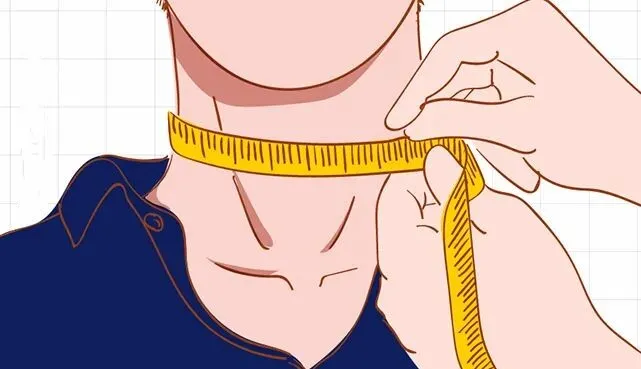
Emerging research suggests that a larger neck circumference is associated with greater visceral fat accumulation and several markers of metabolic dysfunction. Because it is quick, inexpensive, and easy to measure at home, neck circumference is increasingly being studied as a practical screening tool for cardiometabolic risk.
It is not a diagnosis. But it may be a useful warning sign worth paying attention to.
What Does Neck Circumference Tell Us?
Neck circumference reflects fat accumulation around the upper body.
Unlike body mass index, which mainly compares body weight with height, neck circumference provides additional information about where fat is stored.
This matters because fat distribution can influence health.
Visceral fat—the fat stored deep inside the abdomen around internal organs—is particularly metabolically active. Excess visceral fat is associated with insulin resistance, abnormal blood lipids, inflammation, type 2 diabetes, and cardiovascular disease.
Researchers are therefore interested in whether a simple neck measurement could help identify people who are more likely to carry excessive visceral fat.

The 39.5 cm and 35.5 cm Findings
A 2026 study published in Metabolites examined 1,139 adults with type 2 diabetes.
Researchers compared neck circumference with visceral fat area and several metabolic markers.
They found that neck circumference was positively associated with visceral fat accumulation.
The researchers identified the following sex-specific thresholds as the most useful cutoffs for detecting abnormal visceral fat within the study population:
Men: greater than 39.5 cm, or about 15.6 inches
Women: greater than 35.5 cm, or about 14.0 inches
In men, a larger neck circumference was also associated with higher fasting insulin, greater insulin resistance, higher triglycerides, and other metabolic abnormalities.
These numbers should not be treated as universal diagnostic limits.
The participants already had type 2 diabetes, and neck circumference varies according to ethnicity, age, body size, muscle mass, and other factors. The measurement is best viewed as one piece of a larger metabolic-health picture.
Why Can Neck Fat Matter?
Upper-body fat is metabolically active tissue.
Fat cells do much more than simply store energy. They release fatty acids, hormones, and signaling molecules that can influence inflammation, insulin sensitivity, blood pressure, and lipid metabolism.
When excess fat accumulates around the neck and upper body, it may accompany increased abdominal and visceral fat.
This helps explain why researchers have repeatedly found relationships between larger neck circumference and metabolic risk.
The association does not mean that neck fat itself causes every related disease. Rather, a larger neck may sometimes serve as an easily visible marker of broader fat distribution and metabolic changes occurring throughout the body.
Cardiovascular Health
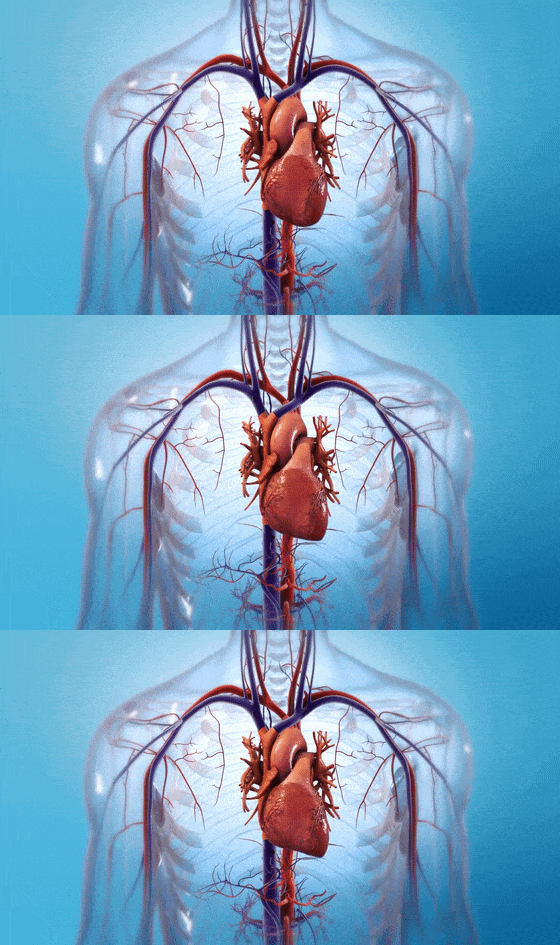
A larger neck circumference has also been investigated in people at elevated cardiovascular risk.
A 2025 study involving more than 3,000 people with hypertension found that participants with a neck circumference greater than 40 cm had a higher incidence of cardiovascular events during follow-up.
The association was particularly relevant in certain higher-risk groups, including people with obesity or obstructive sleep apnea.
Again, this does not mean that a 40 cm neck automatically predicts heart disease.
Blood pressure, cholesterol, blood glucose, smoking, physical activity, family history, age, and overall body composition remain essential parts of cardiovascular risk assessment.
Neck Circumference and Sleep Apnea
Neck size is also relevant to obstructive sleep apnea.
During sleep, muscles surrounding the upper airway naturally relax. In susceptible people, excess soft tissue around the throat may contribute to narrowing or collapse of the airway.
This can repeatedly interrupt breathing and reduce blood oxygen levels during the night.
Warning signs of obstructive sleep apnea can include:
Loud or persistent snoring
Gasping or choking during sleep
Witnessed pauses in breathing
Morning headaches
Dry mouth after waking
Difficulty concentrating
Persistent daytime sleepiness
A larger neck circumference alone cannot diagnose sleep apnea, but when combined with these symptoms it may justify further medical evaluation.
What About Diabetes and Insulin Resistance?
One of the most consistent areas of research involves neck circumference and glucose metabolism.
Upper-body fat tends to release relatively large amounts of free fatty acids into the circulation.
When excessive, these fatty acids may interfere with the body’s response to insulin.
Over time, insulin resistance can contribute to elevated blood glucose and eventually type 2 diabetes in susceptible individuals.
This is one reason neck circumference is increasingly being studied alongside more familiar measurements such as BMI and waist circumference.
Uric Acid and Gout
Larger neck circumference has also been associated in observational research with higher uric acid levels and hyperuricemia.
However, the relationship is likely part of a broader metabolic pattern involving obesity, insulin resistance, kidney function, dietary habits, and other factors.
Neck circumference should therefore never be used to diagnose gout or elevated uric acid.
A blood test remains necessary when hyperuricemia or gout is suspected.

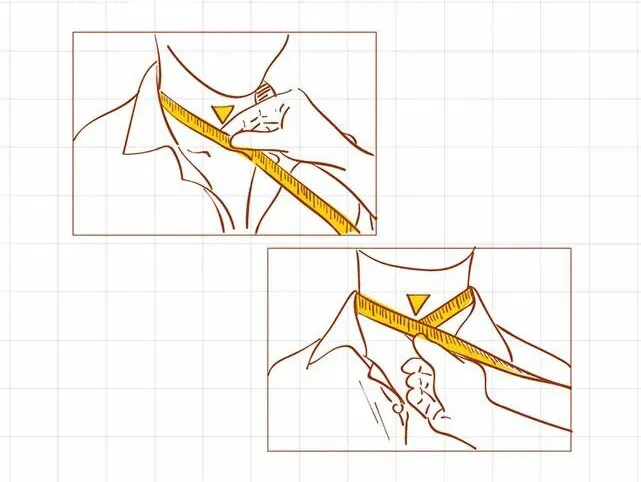
How to Measure Your Neck Circumference
A soft measuring tape is all you need.
Stand upright with your shoulders relaxed.
Keep your head level and look straight ahead.
Wrap the measuring tape horizontally around the neck.
Place it around the lower part of the neck, approximately below the Adam’s apple in men.
Keep the tape comfortably against the skin without compressing it.
Make sure the tape remains level all the way around.
Record the measurement and, if you are monitoring changes over time, repeat it under similar conditions.
Consistency matters more than repeatedly adjusting the measurement location in search of a particular number.
There Is No Single Universal “Healthy” Neck Size
This point is important.
Unlike blood pressure or fasting glucose, neck circumference does not yet have one universally accepted cutoff that applies to every adult.
Studies have proposed different thresholds according to sex, ethnicity, age, obesity status, and the disease being investigated.
For that reason, measurements such as 39.5 cm for men and 35.5 cm for women should be understood as research-based screening thresholds from a specific population—not universal diagnostic standards.
A person’s neck may also be naturally larger because of skeletal structure, muscle mass, thyroid enlargement, or other anatomical differences.
If Your Neck Is Getting Larger, Look at the Bigger Picture
One measurement matters less than the overall trend.
If your shirt collars gradually feel tighter, necklaces feel shorter, or your neck circumference is steadily increasing alongside abdominal weight gain, it may be worth checking other indicators of metabolic health.
Useful measurements may include:
Waist circumference
Body weight and BMI
Blood pressure
Fasting blood glucose
HbA1c
Triglycerides
HDL and LDL cholesterol
Liver health markers
Uric acid when clinically appropriate
Together, these provide much more useful information than neck circumference alone.
Improving Body Composition Starts With Daily Habits
If increasing neck circumference reflects overall fat gain, reducing total and visceral fat may gradually reduce neck size as well.
There is no special exercise capable of selectively burning fat from the neck.
Fat loss occurs throughout the body.
Build Meals Around Minimally Processed Foods
Base most meals on vegetables, whole grains, legumes, fruit, fish, eggs, lean meat, nuts, seeds, and other nutrient-dense foods.
Foods rich in fiber and protein generally improve satiety and can make calorie control easier.
Reducing frequent consumption of sugary drinks, heavily processed snacks, deep-fried foods, and excessive refined carbohydrates may also help improve metabolic health.
Pay Attention to Cooking Methods
Steaming, boiling, baking, stewing, grilling, and light stir-frying often require less added fat than deep-frying.
Small reductions in unnecessary cooking oil can make a significant difference over time, especially when combined with other sustainable dietary changes.
Increase Everyday Movement
Formal exercise is helpful, but daily activity matters too.
Walking more frequently, taking movement breaks during prolonged sitting, climbing stairs, gardening, and performing household activities all contribute to daily energy expenditure.
For most adults, combining regular aerobic activity with resistance training provides broader metabolic and functional benefits than relying on either one alone.
Protect Your Muscle Mass
Muscle is metabolically important tissue.
Strength training two or more days per week can help maintain muscle during weight loss, improve physical function, and support better glucose metabolism.
Exercises may include squats, resistance-band movements, body-weight exercises, machines, or appropriately selected free weights.
Training should match individual fitness levels and medical conditions.
Sleep Matters Too
Poor sleep can influence hunger regulation, insulin sensitivity, stress hormones, and body weight.
If a large neck circumference is accompanied by loud snoring, daytime sleepiness, or repeated nighttime breathing interruptions, discussing possible sleep apnea with a healthcare professional may be especially important.
When Should You See a Doctor?
Consider medical evaluation if your neck circumference increases rapidly or if neck enlargement is accompanied by:
A visible or palpable neck lump
Difficulty swallowing
Difficulty breathing
Persistent hoarseness
Unexplained weight changes
Severe snoring or suspected sleep apnea
High blood pressure
Elevated blood glucose
Abnormal cholesterol or triglycerides
Other signs of metabolic disease
Conditions such as thyroid enlargement can also increase neck size and require a completely different type of evaluation.
The Bottom Line
Your neck may reveal more about metabolic health than you think.
Research increasingly supports neck circumference as a simple marker associated with upper-body fat, visceral adiposity, insulin resistance, and cardiometabolic risk.
In one 2026 study of adults with type 2 diabetes, neck circumferences above 39.5 cm in men and 35.5 cm in women were identified as useful thresholds for detecting abnormal visceral fat.
But these numbers are not universal diagnostic boundaries.
Neck circumference works best as a screening clue, not a verdict.
If your neck measurement is increasing—especially together with abdominal weight gain, high blood pressure, abnormal blood sugar, high triglycerides, or symptoms of sleep apnea—it may be a useful signal to look more closely at your overall metabolic health.
Sometimes, one of the simplest measurements can provide a valuable reason to start paying attention sooner.
FAQ
What neck circumference may indicate excess visceral fat?
One recent study involving adults with type 2 diabetes identified neck circumference values above 39.5 cm in men and 35.5 cm in women as useful screening thresholds for abnormal visceral fat. These values are research-based reference points, not universal diagnostic cutoffs.
Can neck circumference tell me if I have too much visceral fat?
Not by itself. Neck circumference can provide a useful screening clue, but visceral fat and metabolic health should be evaluated together with factors such as waist circumference, blood pressure, blood glucose, cholesterol, triglycerides, and overall body composition.
Why is a larger neck associated with metabolic problems?
A larger neck can reflect greater upper-body fat accumulation. Upper-body fat is metabolically active and may be associated with increased free fatty acids, inflammation, insulin resistance, and abnormal lipid metabolism.
Is neck circumference linked to sleep apnea?
Yes. A larger neck circumference is associated with increased risk of obstructive sleep apnea because excess soft tissue around the throat may contribute to narrowing of the airway during sleep.
Can losing weight reduce neck circumference?
If a larger neck is related to excess body fat, overall fat loss may gradually reduce neck circumference. There is no reliable way to selectively burn fat only from the neck.
How should I measure my neck circumference?
Stand upright with your shoulders relaxed and head level. Wrap a flexible measuring tape horizontally around the lower part of the neck without compressing the skin. Measure at the same location each time for consistency.
Should I see a doctor if my neck is getting larger?
Medical evaluation may be appropriate if neck enlargement is sudden, unexplained, or accompanied by a lump, difficulty swallowing, breathing problems, persistent hoarseness, severe snoring, abnormal blood sugar, or other concerning symptoms.
Medical Disclaimer: This article is for educational purposes only and does not provide medical diagnosis or treatment. Neck circumference alone cannot determine whether you have excessive visceral fat, diabetes, cardiovascular disease, sleep apnea, or any other medical condition. Consult a qualified healthcare professional if you have symptoms or concerns about your metabolic health.
This article is for general education and does not replace individualized care from a qualified health professional. Seek appropriate advice for persistent, severe, or concerning symptoms.
Read the full medical disclaimer

