Gentle lymphatic massage has become increasingly popular among women looking for relief from puffiness, a feeling of heaviness, abdominal tension, or swelling—especially during perimenopause and beyond.
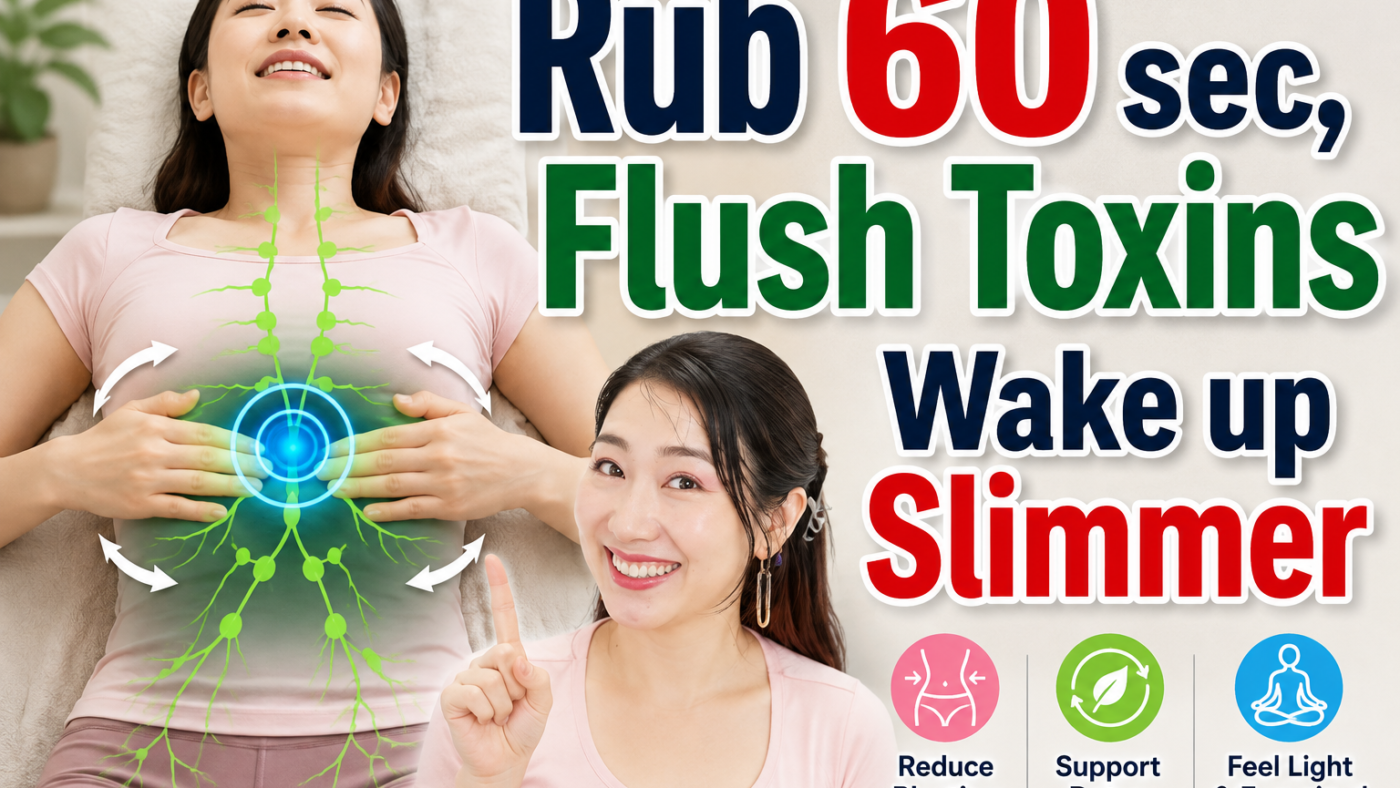
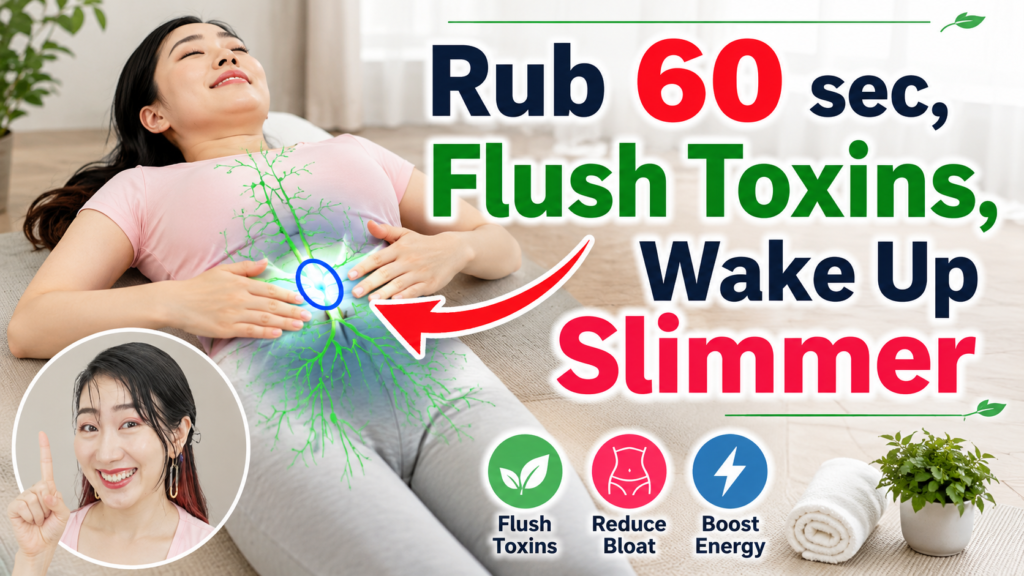
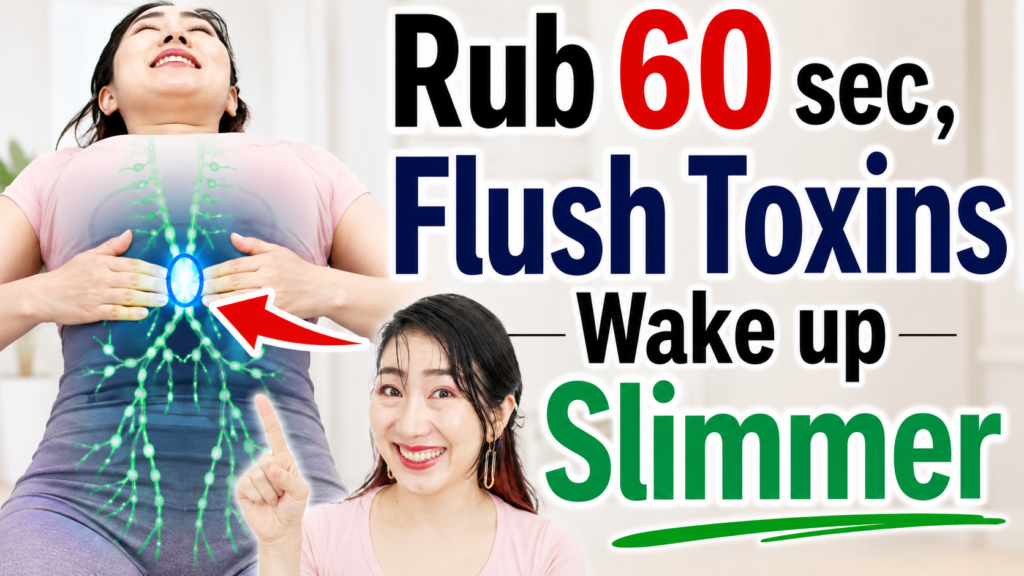
The idea sounds appealing: massage a few key areas, stimulate the lymphatic system, “flush out toxins,” flatten the belly, and restore energy.
Some of those claims go far beyond what science supports.
The lymphatic system is real and essential. Gentle manual techniques can sometimes help move lymphatic fluid, particularly in people with medically diagnosed lymphedema. Deep breathing, regular movement, and muscle contractions also naturally assist lymph flow.
But the lymphatic system is not a hidden garbage tank, the abdomen does not store emotional toxins, and pressing deeply into the belly cannot directly “clean out” the cisterna chyli.
A safer and more useful approach is to understand what lymphatic self-massage may realistically do—and what it cannot.
What Is the Lymphatic System?
The lymphatic system is a network of vessels, lymph nodes, tissues, and organs that helps maintain fluid balance, supports immune function, and transports certain fats absorbed from the digestive tract.
Lymphatic vessels collect excess fluid from tissues and eventually return it to the bloodstream.
Unlike the cardiovascular system, the lymphatic system does not have a central pump like the heart.
Movement of lymph is supported by several mechanisms, including:
- skeletal muscle contractions
- breathing and pressure changes in the chest and abdomen
- movement of nearby tissues
- valves inside lymphatic vessels
- normal contractions of lymphatic vessel walls
This is one reason regular walking, gentle exercise, and deep breathing can support normal fluid movement.
What Is the Cisterna Chyli?
The cisterna chyli is a normal anatomical structure located deep inside the abdomen.
It is a dilated lymphatic sac that receives lymph from parts of the lower body and intestine before lymph continues upward through the thoracic duct.
It is especially involved in transporting chyle, a milky lymphatic fluid containing dietary fats absorbed from the intestines.
What it is not is a storage container for emotional stress, “toxins,” belly fat, or metabolic waste waiting to be squeezed out.
Its anatomy also varies considerably between individuals.
Because it lies deep inside the body, you cannot reliably locate or directly massage the cisterna chyli by pressing two fingers above the belly button.
A person may certainly feel abdominal muscles, connective tissue, the abdominal wall, or internal pressure when pressing the abdomen, but that does not mean they are touching the cisterna chyli.
Can the Cisterna Chyli Become “Blocked With Toxins”?
There is no good evidence that ordinary aging, shallow breathing, menopause, stress, or poor sleep causes the cisterna chyli to fill with toxins until it enlarges from the size of a finger to the size of a fist.
Lymphatic obstruction can occur in real medical conditions, but that is very different.
Lymphedema, for example, can develop when lymphatic drainage is impaired because of surgery, radiation treatment, cancer, infection, congenital abnormalities, or other causes.
That type of lymphatic disorder requires proper medical assessment.
It should not be treated as a home “detox” problem.
Does Your Body Need Lymphatic Detoxing?
Your body already has highly specialized systems for processing and eliminating metabolic waste.
The liver modifies and processes many substances.
The kidneys filter the blood and produce urine.
The lungs remove carbon dioxide.
The gastrointestinal tract eliminates material through stool.
The lymphatic system contributes to fluid balance and immune function, but describing massage as “flushing toxins out of the body” oversimplifies human physiology.
A gentle massage may help some people feel relaxed, less tense, or temporarily less puffy.
That is different from detoxification.
What Manual Lymphatic Drainage Actually Is
Manual lymphatic drainage, often abbreviated MLD, is a specialized massage technique involving very light, rhythmic movements.
It is most established as part of treatment programs for lymphedema.
Professional lymphatic drainage is not deep tissue massage.
Lymphatic vessels are relatively superficial, so trained therapists generally use gentle skin-stretching movements rather than strong pressure.
For people who have lymphedema after cancer treatment or surgery, manual lymphatic drainage may be used alongside compression garments, exercise, skin care, and other therapies.
That does not mean everyone needs lymphatic drainage.
Healthy lymphatic systems normally function without special massage.
Can Gentle Self-Massage Help Puffiness?
Possibly.
Light massage can temporarily change local fluid distribution and may help some people feel less swollen or congested.
This is one reason facial massage can sometimes make the face appear slightly less puffy for a short period.
But temporary fluid movement should not be confused with fat loss.
If your waist measures slightly smaller immediately after massage, possible explanations include changes in posture, abdominal muscle tension, gas, digestive contents, hydration, or temporary shifts in fluid.
You have not lost several inches of abdominal fat in one night.
Body fat cannot disappear through massage.
Can Lymphatic Massage Flatten the Belly?
Not by removing fat.
Massage cannot selectively burn abdominal fat or visceral fat.
A relaxed abdominal wall may look or feel different after massage, and reducing bloating can sometimes change abdominal appearance.
But lasting fat loss requires changes in overall energy balance over time.
Diet, physical activity, sleep, muscle mass, hormones, medications, and general health all influence body composition.
A massage routine may complement a healthy lifestyle, but it is not a substitute for it.
Why Women May Feel More Puffy Around Perimenopause
Some women report changes in bloating, body composition, sleep, joint comfort, and fluid retention during perimenopause and menopause.
Hormonal changes can influence body fat distribution and may interact with sleep, stress, physical activity, and appetite.
However, swelling should not automatically be blamed on menopause.
Persistent swelling can have many causes.
If one leg suddenly becomes swollen, red, warm, painful, or noticeably larger than the other, seek medical attention promptly because blood clots are one possible cause.
Persistent swelling in both legs also deserves medical evaluation if the cause is unclear.
Gentle Neck Massage
If you want to begin with relaxation, lie down or sit comfortably.
Using your fingertips, gently stroke or massage the soft muscles along the sides of your neck.
Move from below the ear toward the collarbone using very light pressure.
Avoid pressing hard on the front or side of the neck.
The goal is relaxation—not “squeezing toxins out.”
Gentle neck massage may help reduce the sensation of muscle tension.
Stop if you experience pain, dizziness, tingling, or unusual symptoms.
Gentle Collarbone Massage
Place your fingertips lightly above or around the collarbone.
Use small, gentle skin movements.
Do not dig deeply beneath the collarbone.
Major blood vessels, nerves, and other important structures run through this region.
The left side of the body does have an important lymphatic connection: the thoracic duct drains lymph from much of the body into the venous circulation near the left side of the neck.
However, this does not mean that “70 percent of all lymph is stored in the left collarbone” or that aggressively massaging this area clears the entire body.
Keep the movement light and comfortable.
Gentle Underarm Massage
The underarm region contains lymph nodes.
Very gentle skin movements around the area may feel relaxing.
However, underarm massage has not been proven to prevent breast cancer.
Breast cancer risk reduction is based on evidence-supported factors such as appropriate screening, maintaining a healthy body weight, physical activity, limiting alcohol, avoiding tobacco, and discussing individual risk factors with a healthcare professional.
Never replace breast screening or medical evaluation with lymphatic massage.
If you notice a new breast lump, underarm lump, persistent swelling, nipple changes, or unexplained breast symptoms, seek medical advice.
Add Gentle Upper-Body Stretching
Lie down comfortably or sit upright.
Interlace your fingers if comfortable and reach your arms overhead.
Take a slow breath.
Then relax the arms.
Repeat several times.
Movements of the shoulders, chest, and arms create muscle contractions that naturally contribute to circulation and lymphatic movement.
This is one reason regular movement matters more than trying to manipulate a single “lymph point.”
Why Diaphragmatic Breathing May Be Helpful
One of the most useful elements in this type of routine is slow diaphragmatic breathing.
As the diaphragm moves during breathing, pressure changes occur in the chest and abdomen.
These pressure changes help support movement of venous blood and lymphatic fluid.
Diaphragmatic breathing can also promote relaxation.
Lie on your back with your knees comfortably bent.
Place one hand on your abdomen.
Inhale gently through your nose.
Allow the abdomen and lower ribs to expand naturally.
Exhale slowly.
Do not force the breath.
Repeat for one to three minutes.
You do not need to press deeply into your abdomen while doing this.
Gentle Abdominal Self-Massage
If abdominal massage feels pleasant and you have no medical reason to avoid it, use broad, gentle movements.
Place your palms on the abdomen.
Move them slowly in comfortable circles.
Pressure should remain mild.
Think of this as relaxation massage rather than lymphatic “detox.”
Some people also use abdominal massage for constipation or abdominal tension, but evidence varies depending on the condition.
If abdominal pain is unexplained, severe, new, or persistent, do not massage through it.
Seek medical evaluation instead.
Do Not Try to Deeply Press the Cisterna Chyli
This is one of the most important changes from many online routines.
Avoid trying to push your fingers deeply into the upper abdomen to find a supposed lymphatic reservoir.
The abdomen contains major blood vessels and many internal organs.
There is no need to compress deep structures to support normal lymphatic function.
If massage causes pain, nausea, dizziness, pulsating sensations, or tenderness, stop.
Gentle is enough.
Gentle Knee-to-Chest Stretch
Lie comfortably on your back.
Bend one knee.
Bring the knee slowly toward your chest while keeping the opposite leg relaxed.
Hold the thigh or shin wherever comfortable.
Take several slow breaths.
Then switch sides.
This can provide a mild stretch through the hip and lower back.
The movement may also feel soothing after long periods of sitting.
It does not “flush toxins” from the lower body, but it does encourage mobility and muscle movement.
Gentle Hip Circles
Lie on your back with your knees bent.
Move both knees slowly through a small circular range.
Keep your pelvis relaxed.
Reverse direction.
This movement can help mobilize the hips and pelvis and reduce the sensation of stiffness.
Make the circles smaller if your hips or lower back feel uncomfortable.
Relaxation at the End of the Routine
Finish by lying comfortably on your back.
Let your arms rest beside you with your palms facing upward if that feels natural.
Relax your jaw.
Relax your shoulders.
Take slow breaths.
Spend one or two minutes simply noticing your body.
The value of this final stage is not that your body has become “fully detoxed.”
Its value is nervous-system relaxation and a deliberate transition out of the exercise session.
That benefit is real enough without adding mystical claims.
Gentle Side-to-Side Rocking
Bring both knees toward your torso if comfortable.
Hold behind the thighs or around the knees.
Rock gently from side to side.
The movement may massage the muscles of the lower back against the floor and help the hips relax.
Move slowly.
If you have osteoporosis, significant spinal disease, recent surgery, or severe back pain, ask a healthcare professional whether this movement is appropriate.
Can Massage Improve Your Skin Glow?
Massage temporarily increases local blood flow to the skin and may make the skin appear slightly more flushed or refreshed.
Reducing temporary facial puffiness can also change how facial contours look.
But long-term skin health depends far more on factors such as:
- sun protection
- adequate nutrition
- avoiding smoking
- sufficient sleep
- hydration
- appropriate skin care
- managing medical conditions
Massage can be part of a pleasant wellness routine.
It is not an anti-aging treatment capable of reversing skin aging.
Can Massage Improve Nutrient Absorption?
There is no evidence that lymphatic massage makes your body “absorb every last drop” of vitamins or supplements.
Nutrient absorption occurs primarily in the digestive tract.
The lymphatic system does play an important role in transporting certain dietary fats and fat-soluble substances after intestinal absorption, but massage does not make the intestine extract dramatically more nutrients from food.
If you have a true nutrient deficiency, the appropriate response is to identify the cause—not to massage the abdomen harder.
Can It Improve Fatigue?
A relaxing massage or breathing routine may make someone feel calmer or temporarily refreshed.
But persistent fatigue can have many medical causes, including anemia, thyroid disorders, sleep apnea, medication effects, depression, infection, nutritional deficiencies, and other conditions.
Do not assume chronic fatigue is caused by “stagnant lymph.”
If fatigue is persistent or unexplained, medical evaluation is more appropriate.
What About Leg Heaviness and Swelling?
Regular walking and calf muscle contractions help move blood and lymph upward from the lower legs.
For many healthy people, simply moving more frequently is one of the most practical strategies.
Try:
- short walking breaks
- ankle pumps
- calf raises
- avoiding very long periods of sitting
- changing position regularly
If swelling is persistent or significant, it is important to identify the cause.
Massage should not be used to hide a symptom that needs diagnosis.
When You Should Not Perform Lymphatic Self-Massage
Talk to a healthcare professional before attempting lymphatic drainage techniques if you have:
- known heart failure
- serious kidney disease
- active infection
- unexplained swelling
- a history of blood clots
- suspected deep vein thrombosis
- active cancer requiring medical management
- recent surgery
- significant abdominal disease
People who have undergone lymph-node removal or cancer treatment should receive individualized guidance from a certified lymphedema therapist or qualified clinician.
A Simple 10-Minute Relaxation Routine
You do not need an aggressive detox program.
A gentle routine might look like this:
1 minute: slow diaphragmatic breathing
1 minute: gentle neck relaxation
1 minute: light collarbone-area massage
1 minute: gentle shoulder and arm movements
2 minutes: light abdominal circles
1 minute: knee-to-chest stretch, alternating sides
1 minute: gentle hip circles
2 minutes: relaxed breathing while lying down
Nothing needs to hurt.
Nothing needs to be squeezed deeply.
And nothing needs to “release toxins” for the routine to be worthwhile.
What Actually Supports a Healthy Lymphatic System?
For most healthy adults, the fundamentals are simple.
Move regularly.
Walk.
Perform resistance exercise appropriate for your ability.
Avoid remaining completely sedentary for long periods.
Maintain a healthy body weight.
Stay appropriately hydrated.
Take care of your skin.
Manage medical conditions.
And seek professional care if persistent swelling develops.
Your lymphatic system is designed to work continuously.
It does not need a detox product to switch it on.
The Bottom Line
Gentle massage, stretching, breathing, and movement can be relaxing and may temporarily reduce the sensation of puffiness or muscular tension.
That makes them perfectly reasonable wellness practices for many people.
But they should not be promoted as methods for squeezing toxins from the cisterna chyli, preventing breast cancer, melting abdominal fat, removing several inches from the waist overnight, or reversing aging.
The cisterna chyli is a real anatomical structure.
It is not a toxin tank.
Lymphatic drainage is a real therapeutic technique.
It is not magic detoxification.
And your body does not need to be “purified” before it can become healthy.
The most useful approach is much simpler:
Move regularly.
Breathe deeply.
Massage gently if it feels good.
Respect symptoms that need medical attention.
And let scientifically grounded habits—not detox promises—support your health as you age.
Frequently Asked Questions
What is the cisterna chyli?
The cisterna chyli is a lymphatic structure located deep in the abdomen. It collects lymph from parts of the lower body and intestinal region before that lymph moves upward through the thoracic duct.
Can I massage the cisterna chyli directly?
Not reliably. It lies deep within the abdomen and varies in anatomy. Deep pressing around the abdomen is unnecessary and may be uncomfortable or unsafe. Gentle surface massage is a better approach.
Does lymphatic massage remove toxins?
“Detox” is not an accurate medical description of lymphatic massage. Manual lymphatic drainage may help move lymphatic fluid in certain conditions, but the liver, kidneys, lungs, and gastrointestinal tract are primarily responsible for processing and eliminating metabolic waste.
Can lymphatic massage reduce belly fat?
No. Massage cannot selectively remove abdominal fat. It may temporarily change fluid distribution or muscle tension, but fat loss requires sustained changes in overall energy balance.
Can lymphatic massage reduce swelling?
Specialized manual lymphatic drainage can be helpful for some people with lymphedema when used as part of a medically supervised treatment program. Unexplained swelling should first be assessed to determine its cause.
Can underarm massage prevent breast cancer?
No. There is no evidence that massaging lymph nodes in the underarm prevents breast cancer. Follow appropriate screening recommendations and discuss individual risk with a healthcare professional.
Is diaphragmatic breathing good for lymph flow?
Breathing creates pressure changes in the chest and abdomen that contribute to normal lymph and venous circulation. Slow diaphragmatic breathing can also support relaxation.
Can I do this routine during perimenopause?
Many healthy women can perform gentle breathing, stretching, and massage. However, menopause does not make lymphatic detox necessary. Persistent swelling, unexplained fatigue, abdominal pain, or other concerning symptoms should be evaluated medically.
Medical Disclaimer
This article is for educational purposes only and is not medical advice, diagnosis, or treatment. Swelling, persistent fatigue, abdominal pain, breast symptoms, unexplained weight changes, or other new symptoms can have medical causes that require professional evaluation. People with cancer, heart failure, kidney disease, active infection, blood-clot risk, recent surgery, lymphedema, or other significant medical conditions should consult an appropriate healthcare professional before attempting lymphatic massage or abdominal massage.
References
National Cancer Institute. Information on lymphedema, lymphatic anatomy, cancer treatment, and management of lymphatic swelling.
Cleveland Clinic. Patient education on the lymphatic system, lymphatic drainage massage, and lymphedema.
Mayo Clinic. Clinical information on lymphedema, swelling, and conditions requiring medical evaluation.
National Health Service (NHS). Guidance on lymphedema treatment, exercise, skin care, compression, and specialized lymphatic drainage.
International Society of Lymphology. Consensus guidance on diagnosis and treatment of peripheral lymphedema.
This article is for general education and does not replace individualized care from a qualified health professional. Seek appropriate advice for persistent, severe, or concerning symptoms.
Read the full medical disclaimer