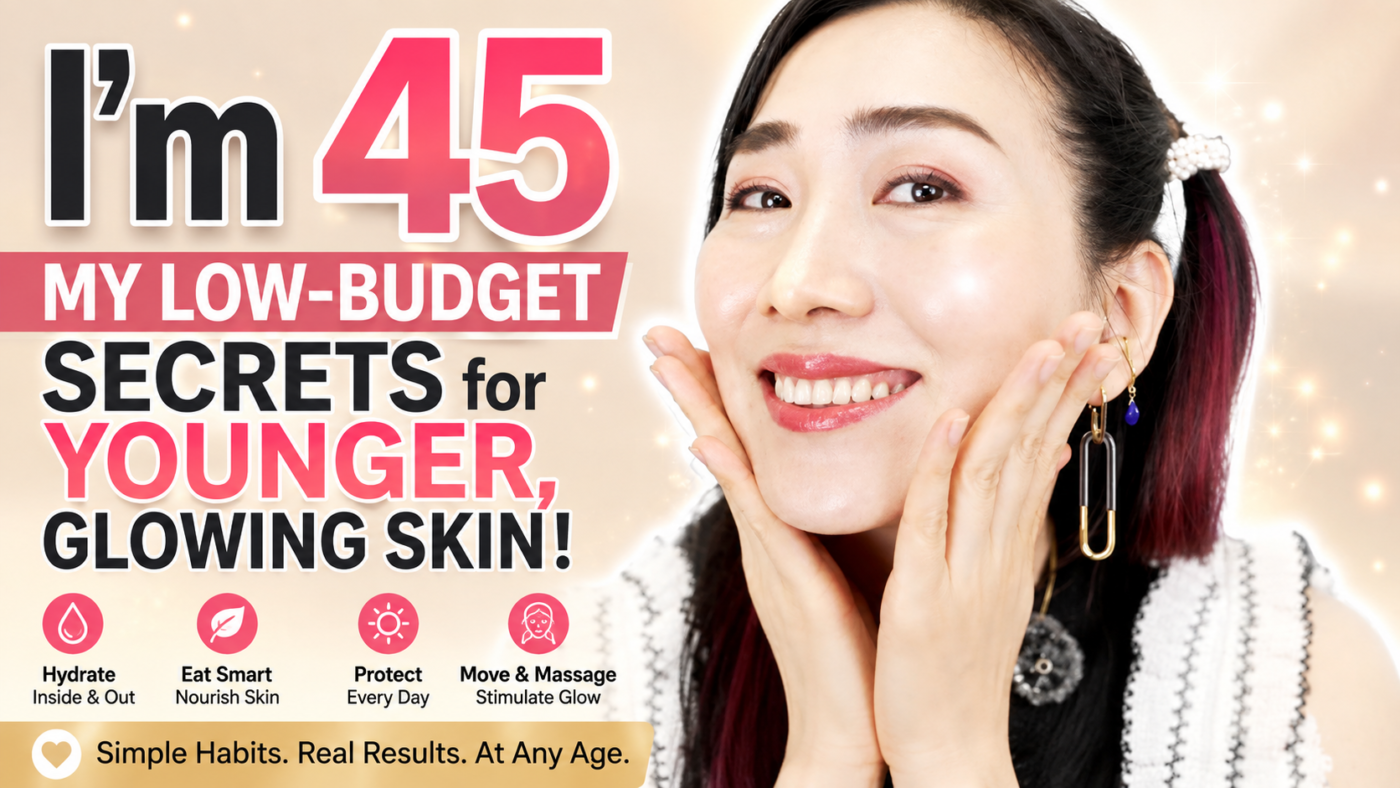
Younger-looking skin is not only about genetics or expensive skincare. Daily habits such as sun protection, nutrition, hydration, movement, sleep and gentle skin care can make a meaningful difference over time.Healthy-looking skin is not determined by genetics alone. Your genes influence skin type, pigmentation, collagen structure and how your skin responds to aging, but everyday habits can make a meaningful difference in hydration, texture, sun damage and overall appearance. The good news is that many of the most useful habits do not require luxury serums, expensive treatments or complicated routines.
1. Stay Well Hydrated
Water supports normal circulation, temperature regulation and skin function. When you are dehydrated, your skin may temporarily look duller or drier, although simply drinking excessive amounts of water will not erase wrinkles or permanently tighten skin.
Drink regularly throughout the day and use thirst, urine color, activity level and climate as practical guides. Water, unsweetened tea, soups and water-rich foods can all contribute to hydration. People with kidney, heart or other conditions requiring fluid restriction should follow their clinician’s advice.
2. Build Your Diet Around Whole Foods
Skin is continuously renewing itself and requires adequate protein, vitamins, minerals and essential fats. A balanced diet rich in vegetables, fruits, whole grains, legumes, nuts, seeds, fish, eggs and other minimally processed foods provides many of the nutrients involved in normal skin maintenance.
Fiber-rich foods are particularly useful for digestive health. Oats, beans, vegetables, berries, seeds and whole grains can help support regular bowel movements and a diverse gut microbiome.
Smoothies can also be useful, but they are not “detox” treatments. Your liver, kidneys, lungs and gastrointestinal system perform the body’s actual detoxification work.
3. Eat Enough Protein
Protein supplies amino acids used throughout the body, including in structural proteins such as collagen and elastin.
Rather than relying on one universal number, protein needs should be individualized according to body size, age, activity level and health status. Spreading protein across meals can make adequate intake easier.
Useful sources include eggs, fish, poultry, dairy foods, soy foods, beans, lentils, nuts and seeds.
4. Reduce Excess Added Sugar and Highly Processed Foods
You do not need to eliminate every dessert to have healthy skin. However, a diet dominated by sugary drinks, sweets, refined carbohydrates and heavily processed foods can crowd out nutrient-rich foods and may contribute to metabolic problems.
The practical goal is moderation rather than perfection.
A mostly whole-food diet with occasional treats is more realistic and sustainable than extreme restriction.
5. Make Sun Protection Your Most Important Anti-Aging Habit
If you want to protect the appearance of your skin over the long term, ultraviolet protection matters far more than most expensive cosmetic products.
UV radiation contributes to pigmentation changes, uneven texture, loss of elasticity and premature skin aging.
Use broad-spectrum sunscreen on exposed skin, particularly when the UV index is elevated. Hats, sunglasses, shade and protective clothing provide additional protection.
Sun protection should not be limited to summer. UVA exposure occurs throughout the year and can penetrate clouds and windows.
6. Moisturize Consistently
Dryness can make fine lines and rough texture look more noticeable. A simple moisturizer helps reduce water loss from the outer layer of the skin and supports the skin barrier.
You do not need an elaborate routine.
A basic approach may be enough:
Morning: gentle cleansing if needed, moisturizer and sunscreen.
Evening: gentle cleansing followed by moisturizer.
Sheet masks can temporarily increase hydration, but they are optional rather than essential.
7. Consider Evidence-Based Vitamin C Skincare
Topical vitamin C is one of the better-studied cosmetic ingredients. Properly formulated vitamin C products may help support antioxidant protection and improve the appearance of uneven pigmentation and photoaged skin over time.
Results depend on formulation, concentration, stability and consistent use.
Vitamin C should complement sunscreen rather than replace it.
Dietary vitamin C from fruits and vegetables also supports normal collagen synthesis, but taking very large doses does not automatically create younger-looking skin.
8. Exercise for Your Skin as Well as Your Body
Regular physical activity benefits cardiovascular health, metabolic health, muscle function, sleep and stress management. Those benefits can indirectly support healthier-looking skin.
You do not need extreme workouts.
A combination of walking or other aerobic activity, resistance training and mobility work is a strong foundation.
Strength training becomes particularly valuable with age because preserving muscle supports mobility, glucose regulation, bone health and long-term independence.
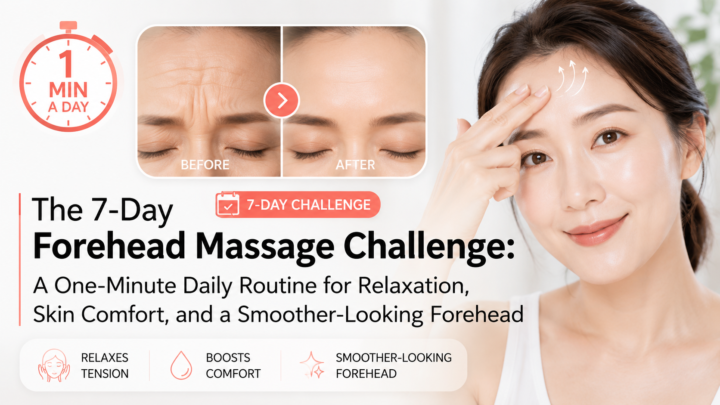
9. Facial Massage Can Be Relaxing, but Keep Expectations Realistic
Gentle facial massage may temporarily increase warmth, reduce muscle tension and make the face feel more relaxed. It may also temporarily reduce the appearance of mild puffiness in some people.
However, facial massage cannot permanently reposition facial fat, rebuild lost bone, erase deep wrinkles or produce the same effects as medical procedures.
Use clean hands and enough moisturizer or facial oil to reduce friction. Avoid aggressive pulling, pinching or repeated heavy pressure, especially around the eyes.
If you experience persistent facial swelling, pain, sudden asymmetry or unexplained changes, seek medical evaluation rather than attempting to massage the problem away.
10. Sleep, Stress Management and Enjoyment Matter
Skin health is closely connected with overall health. Chronic sleep deprivation, smoking, excessive alcohol consumption and prolonged stress can all affect the way the skin looks and feels.
Aim for regular sleep, meaningful physical activity and time for activities you enjoy.
Travel, hobbies, friendships, learning new skills and maintaining social connections may not be skincare treatments, but they can improve quality of life and help reduce chronic stress.
The goal should not be to become obsessed with looking younger. A healthier approach is to create habits that support your body while allowing your skin to age naturally.
What Actually Makes the Biggest Difference?
If your budget is limited, prioritize the fundamentals before purchasing expensive devices or treatments:
Sun protection, adequate sleep, balanced nutrition, regular exercise, sufficient protein, appropriate hydration, gentle skincare and avoiding smoking.
These habits are less glamorous than miracle treatments, but they have far more value for long-term health.
Skin also changes gradually. Cell turnover, collagen remodeling and pigmentation changes take time, and the rate varies considerably with age and individual biology.
Do not judge an entire routine after three days.
Give sensible habits weeks or months to work.
The Bottom Line
You cannot completely control how your skin ages, and no routine can turn biological age backward. But genetics are only one part of the picture.
Protecting your skin from excessive UV exposure, eating well, exercising, sleeping adequately, managing stress and using simple evidence-based skincare can meaningfully influence how healthy your skin looks and feels over time.
The most effective beauty routine is often not the most expensive one.
It is the one you can safely maintain for years.Healthy habits can support younger-looking skin over time.
Sleep and hydration also play an important role in maintaining younger-looking skin.
Consistency matters more than expensive products when your goal is younger-looking skin.
FAQ
Can lifestyle really make skin look younger?
Lifestyle cannot reverse biological aging, but sun protection, nutrition, sleep, exercise and appropriate skincare can reduce preventable damage and support healthier-looking skin.
Does drinking more water remove wrinkles?
Adequate hydration supports normal skin function, but drinking extra water does not erase established wrinkles.
Is facial massage good for aging skin?
Gentle facial massage may temporarily reduce tension and puffiness, but it does not permanently lift sagging tissue or replace medical treatments.
What is the most important anti-aging skincare habit?
Consistent protection from excessive ultraviolet exposure is one of the most important measures for preventing premature photoaging.
Do I need expensive skincare products?
No. A basic routine consisting of gentle cleansing, moisturizer and broad-spectrum sunscreen can provide a strong foundation.
Medical Disclaimer
This article is for educational and informational purposes only and is not intended to diagnose, treat, cure or prevent any disease. Skin changes may have many causes. Consult a qualified healthcare professional or dermatologist if you have persistent, sudden or concerning symptoms.
This article is for general education and does not replace individualized care from a qualified health professional. Seek appropriate advice for persistent, severe, or concerning symptoms.
Read the full medical disclaimer