Beautiful skin is often marketed as something that comes from a bottle. Serums, moisturizers and treatments certainly have their place, but skin is also a living organ influenced by sleep, nutrition, hydration, hormones, sun exposure, stress and overall health. Traditional Chinese wellness has long emphasized a similar inside out philosophy, sometimes expressed through the idea of nourishing the body internally while caring for appearance externally.
That does not mean every traditional explanation should be interpreted literally as modern medicine. Concepts such as qi, blood, heat, dampness and organ clocks belong to traditional Chinese medical frameworks. The most useful approach is to preserve the practical lifestyle wisdom while separating it from claims that have not been scientifically established.
1. Enjoy Traditional Wellness Drinks Without Treating Them as Medicine
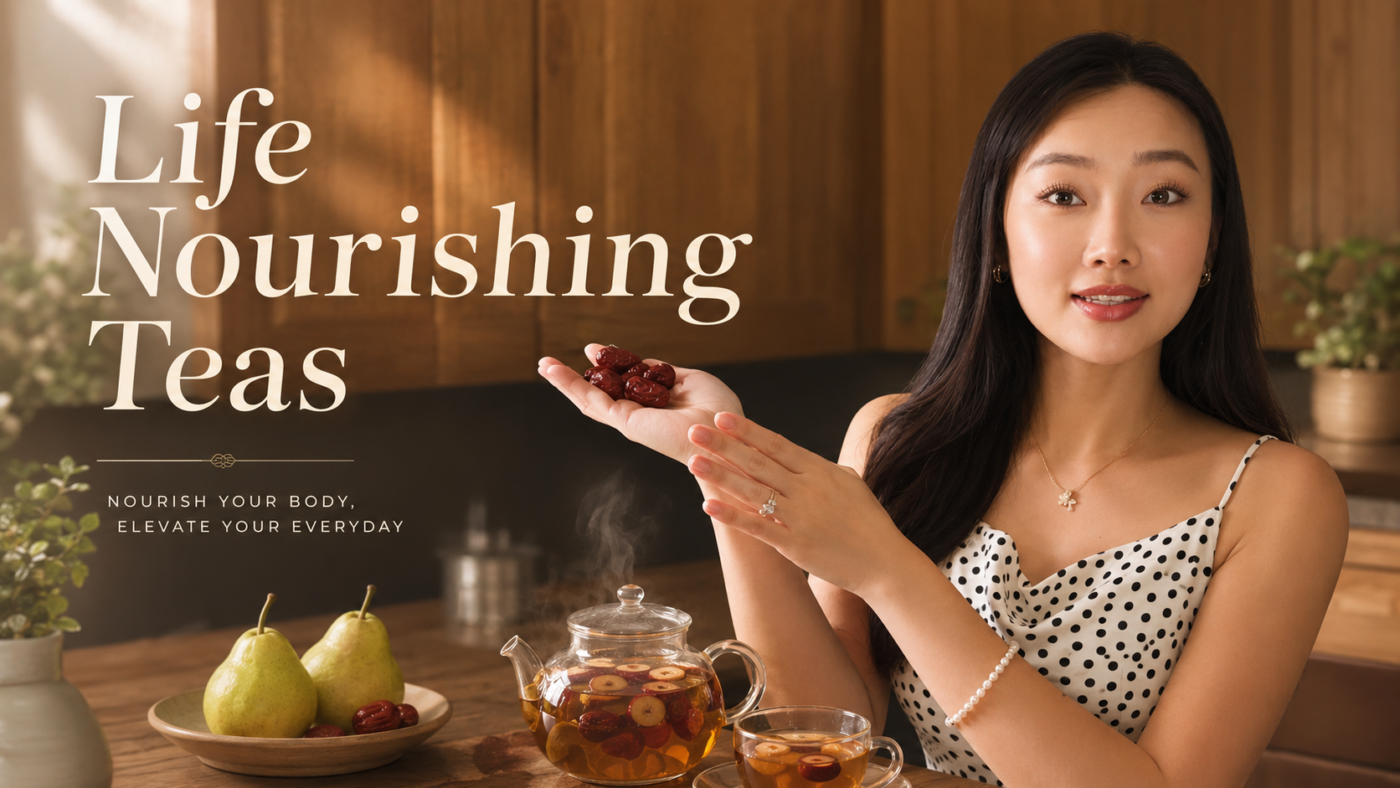
One comforting Chinese inspired drink is pear and jujube tea. Pears provide natural sweetness and plant compounds, while dried jujubes are commonly used in Chinese cooking and traditional wellness culture.
A simple version can be made with two pears, several dried jujubes and water. Remove the hard jujube pits for easier preparation, chop the fruit, bring the water to a boil and then simmer everything gently until the fruit softens and the drink develops a mild sweetness.
You can drink the liquid and eat the softened fruit if you like. Eating the fruit also allows you to retain more of its fiber rather than discarding it after boiling.
Traditional Chinese Medicine may describe jujubes as nourishing qi or blood, but this should not be interpreted as treatment for anemia or blood loss. Anyone with suspected iron deficiency, heavy menstrual bleeding or persistent fatigue should seek appropriate medical assessment rather than relying on herbal beverages.
The greatest value of a drink like this is much simpler. It is warm, pleasant, naturally flavored and can replace heavily sweetened beverages.
2. Build Your Diet Around Qing Dan Principles
A useful Chinese dietary concept is qing dan. It is sometimes translated as light or bland, but that translation can be misleading. In practice, it often means relatively simple meals that do not depend on excessive oil, sugar, salt or heavy sauces.
A modern version of qing dan can include vegetables, fruit, legumes, whole grains, fish, eggs, tofu, lean meats, nuts and other minimally processed foods.
Steaming, simmering, boiling, roasting and stir frying with moderate amounts of oil can all be part of a nutritious eating pattern.
This does not mean grilled food is automatically harmful to your skin or that every fried food must be completely banned. Overall dietary pattern matters much more than one cooking method.
The goal is not dietary perfection. It is to make nutrient dense foods the normal foundation of your meals.
3. Reduce Excess Added Sugar Without Becoming Afraid of Fruit
Skin aging is influenced by many factors, including ultraviolet exposure, smoking, genetics, sleep, hormonal changes and nutrition.
Very high intakes of added sugar are not ideal for general metabolic health, and chronic high blood sugar can contribute to processes involving glycation that affect proteins such as collagen.
But that does not mean eating a banana, orange or handful of berries damages the skin.
Whole fruit is different from candy, sugary drinks and heavily sweetened desserts because it provides water, fiber, vitamins and plant compounds.
A practical strategy is to keep naturally sweet foods easily available.
Bananas, mandarins, blueberries, raspberries, strawberries and other fruits can make it easier to satisfy a desire for sweetness without relying exclusively on cookies, candy or sugary drinks.
Your environment matters. What is easiest to reach is often what gets eaten.
4. Support Digestive Health With Fiber and Variety
Digestive health and skin health are increasingly studied together, but the relationship is complex.
It is inaccurate to say that toxins become trapped in the body when someone does not have a bowel movement every day. Normal bowel frequency varies considerably between healthy individuals.
What matters more is whether your bowel habits are comfortable and consistent for you.
Fiber rich foods can support normal digestive function. Useful sources include oats, beans, lentils, vegetables, fruit, whole grains, nuts and seeds.
Broccoli and oats are excellent options, but there is no need to rely on any single food.
Fermented foods such as yogurt may also fit into a healthy dietary pattern if you tolerate dairy well. Berries can add fiber and plant compounds.
The gut produces and interacts with many signaling molecules, including serotonin, but the popular statement that more than 90 percent of your happiness comes from your gut is misleading. Serotonin produced in the gastrointestinal tract has important physiological roles, but it does not simply travel into the brain and determine happiness.
The gut skin connection is an interesting area of research, but it should not be simplified into a single cause and effect claim.
5. Make Sleep Part of Your Beauty Routine
If there is one beauty habit that deserves more attention, it is sleep.
Short or disrupted sleep can affect how people perceive their skin and appearance the following day. Poor sleep can also influence appetite, energy, mood and food choices, creating indirect effects on overall health.
Traditional Chinese Medicine sometimes associates particular nighttime hours with specific organs. For example, some traditional systems describe an organ clock in which different meridians are emphasized at different times.
This is a traditional theoretical model rather than an established biomedical timetable. There is no modern medical evidence that everyone’s liver and gallbladder uniquely repair themselves between exactly 11 p.m. and 2 a.m.
The useful principle is more general.
Protect enough time for sleep.
Maintain a reasonably regular sleep schedule.
Reduce bright light and stimulating activity as bedtime approaches.
Keep your sleeping environment dark, quiet and comfortable.
Put your phone down if late night scrolling repeatedly keeps you awake.
A book, gentle stretching or a calming evening routine may make the transition easier.
Healthy skin does not require a magical bedtime, but chronic sleep deprivation is not a beauty strategy.
6. Move Your Body for Health, Not to Sweat Out Toxins
Exercise can create a temporary rosy appearance because skin blood flow and body temperature increase during physical activity.
That is normal.
But sweating should not be described as detoxification.
The body’s primary systems for processing and eliminating waste involve organs such as the liver and kidneys. Sweat mainly helps regulate body temperature.
You also do not need to force yourself to sweat heavily for a workout to count.
Walking, strength training, cycling, swimming, tai chi, qigong, dancing and many other activities can support health.
The broader beauty benefit is indirect but important. Regular physical activity supports cardiovascular health, metabolic health, sleep, mood and healthy aging.
Those benefits matter far more than chasing a temporary post workout glow.
Hydrate According to Your Needs
Adequate hydration supports normal body function, and dehydration can make the skin feel dry or less comfortable.
However, everyone does not need exactly 10 glasses of water every day.
Fluid requirements vary according to body size, climate, activity level, pregnancy, diet, health conditions and other factors.
Drink regularly and respond to thirst. People exercising heavily or living in hot environments may need more.
It is also incorrect to say that tea and coffee automatically dehydrate you. Ordinary amounts of coffee and tea still contribute to overall fluid intake for most habitual consumers.
Water remains an excellent default beverage because it contains no added sugar or calories, but it is not the only beverage that contributes to hydration.
Excessive water intake can also be dangerous, so more is not always better.
Can Drinking More Water Shrink Your Pores?
No.
Pore size is strongly influenced by genetics, oil production, age and skin structure.
Drinking adequate water supports normal hydration, but it does not physically close or permanently shrink pores.
Skin may sometimes appear more plump when adequately hydrated, which can make texture look somewhat different. That is not the same as changing actual pore anatomy.
This distinction is important because beauty advice should set realistic expectations.
External Skincare Still Matters
Inside out wellness does not mean skincare is useless.
The strongest beauty routine combines internal health habits with sensible external care.
A gentle cleanser can remove dirt, sunscreen and excess oil.
A suitable moisturizer can support the skin barrier.
Daily broad spectrum sunscreen is one of the most important tools available for preventing premature photoaging.
People with acne, eczema, rosacea, pigmentation disorders or other persistent skin conditions may benefit from professional dermatologic treatment.
Diet should complement appropriate medical care rather than replace it.
Be Careful With Medication Stories
The original story describes someone experiencing mood symptoms while taking medication for a skin condition.
That type of experience should never be generalized to all dermatologic treatment.
Different medications have very different side effect profiles.
Anyone who develops significant mood changes, depression, anxiety or other concerning symptoms after starting a medication should contact the prescribing healthcare professional promptly rather than stopping treatment or replacing it with tea and diet advice on their own.
Beauty should never come at the expense of medical safety.
A Simple Inside Out Skin Routine
For breakfast or lunch, include a source of protein and plant foods.
Throughout the day, eat a variety of vegetables and fruit.
Choose water as your main beverage while allowing unsweetened tea and coffee according to preference and tolerance.
Include fiber rich foods regularly.
Move your body most days.
Protect your sleep.
Use sunscreen during daylight exposure.
Keep skincare gentle and consistent.
Enjoy traditional pear and jujube tea because it is comforting and delicious, not because you expect it to cure a medical condition.
That is what sustainable beauty looks like.
Frequently Asked Questions
Does pear and jujube tea make your skin glow?
There is no strong evidence that pear and jujube tea specifically produces glowing skin. It can, however, be a pleasant unsweetened beverage and both fruits can be part of a nutritious diet.
Do jujubes replenish blood after menstruation?
Traditional Chinese Medicine may describe jujubes in terms of nourishing qi and blood, but they are not a treatment for anemia. Significant menstrual blood loss or suspected iron deficiency should be medically evaluated.
Does sugar cause wrinkles?
Chronically high blood sugar can contribute to glycation processes affecting collagen, but skin aging is multifactorial. Added sugar should be moderated for overall health without treating all carbohydrates or fruit as harmful.
Do toxins cause bad skin?
The word toxins is often used too vaguely in wellness content. Acne, dullness and other skin concerns can have many causes, including genetics, hormones, inflammation, medications, skincare practices and environmental exposure.
Do you need to have a bowel movement every day?
No. Healthy bowel frequency varies. Persistent constipation, pain, bleeding or major changes in bowel habits should be discussed with a healthcare professional.
Does sweating detox the skin?
Sweat primarily regulates body temperature. Exercise has many health benefits, but sweating should not be treated as a method of removing unspecified toxins.
Does coffee dehydrate you?
Normal coffee consumption contributes to fluid intake for most people. Very high caffeine intake can have other effects, but coffee does not automatically cancel out hydration.
How much water should I drink for glowing skin?
There is no universal number that guarantees glowing skin. Drink enough to maintain normal hydration according to your body, activity level and environment.
Does sleep improve skin?
Adequate sleep supports overall health and may help the skin look and feel better, while chronic sleep deprivation can affect appearance, mood and other health behaviors.
Bottom Line
Glowing skin does not come from one tea, one mask or one beauty trick. Healthy looking skin reflects a combination of genetics, sun protection, sleep, nutrition, hydration, movement, appropriate skincare and overall health.
Traditional Chinese wellness offers a useful philosophy here: care for yourself consistently from the inside and outside.
Keep the nourishing food.
Keep the warm pear tea.
Keep the gentle routines.
Keep the movement.
But leave behind exaggerated claims about toxins, organ clocks, mandatory water targets and miracle foods.
The most sustainable glow comes from habits your whole body benefits from.
Affiliate Disclosure
This article may contain affiliate links. If you purchase through one of these links, we may earn a small commission at no additional cost to you. Affiliate relationships do not influence our commitment to providing balanced and educational wellness information.
Medical Disclaimer
This article is for general educational and informational purposes only and is not intended to diagnose, treat, cure or prevent any disease or medical condition. Traditional Chinese Medicine concepts discussed here represent traditional wellness frameworks and should not be interpreted as modern medical diagnoses. Persistent skin problems, digestive symptoms, abnormal menstrual bleeding, mood changes or other health concerns should be discussed with an appropriately qualified healthcare professional.
This article is for general education and does not replace individualized care from a qualified health professional. Seek appropriate advice for persistent, severe, or concerning symptoms.
Read the full medical disclaimer