The preschool years are an important period of physical growth, brain development, expanding independence, and the formation of lifelong eating habits.
Between approximately three and five years of age, children become increasingly capable of participating in family meals, exploring new foods, using utensils, and expressing their food preferences.
However, their nutritional needs are not simply smaller versions of adult requirements.
Young children need sufficient energy, protein, healthy fats, carbohydrates, vitamins, and minerals to support normal growth and development. They also need a positive mealtime environment that encourages curiosity, independence, and a healthy relationship with food.
For many families, one of the greatest challenges during this stage is selective eating, commonly called picky eating.
A child may enjoy a particular food one day and reject it the next. Some children prefer familiar textures, while others are reluctant to try vegetables or mixed dishes.
These behaviors are often part of normal childhood development, although persistent or severe feeding difficulties sometimes require professional assessment.
This guide explains the essential nutritional needs of preschool children, how to build balanced meals, ways to manage picky eating without pressure, and practical safety considerations for everyday feeding.
1. Understanding the Nutritional Needs of Preschool Children
Preschool children continue to grow and develop, although their growth rate is generally slower than during infancy.
They require a balanced diet that supports bones, muscles, blood formation, immune function, and neurological development.
Energy needs vary according to age, body size, growth patterns, and physical activity.
There is no single calorie intake that is appropriate for every preschool child.
A highly active five-year-old may require more food than a smaller, less active three-year-old.
Rather than calculating a fixed amount of food for every child, caregivers should focus on providing regular opportunities to eat a variety of nutritious foods while monitoring growth over time.
Growth charts and routine pediatric assessments are more informative than judging nutritional adequacy from one meal or one day’s appetite.
Calories and Energy Requirements
Children need sufficient calories to maintain normal growth and daily activity.
However, excessively high calorie intake is not beneficial simply because a child is growing.
Preschool energy needs can vary substantially, and individualized estimates are best made using age, growth, body size, and activity level.
Parents should avoid forcing children to finish large portions in order to meet an arbitrary calorie target.
Likewise, restrictive diets designed for adults are generally inappropriate for young children unless specifically recommended for a medical condition.
The goal is steady growth supported by adequate, varied nutrition.
2. Protein: Supporting Muscles, Tissues, and Development
Protein provides amino acids required for building and maintaining body tissues.
It also contributes to enzymes, hormones, immune proteins, and other essential biological processes.
Children can obtain protein from both animal and plant foods.
Suitable choices include eggs, yogurt, milk, fish, poultry, lean meat, tofu, beans, lentils, and other soy products.
How Much Protein Do Preschoolers Need?
Under commonly used U.S. dietary reference values, children aged one to three years have a protein Recommended Dietary Allowance of approximately 13 grams daily, while children aged four to eight years have a recommendation of approximately 19 grams daily.
These figures represent general reference intakes for healthy children, not maximum limits or meal-by-meal targets.
There is no need to prescribe extremely high protein intakes for all preschool children.
Most children who consume adequate calories and a varied diet can meet their protein needs through ordinary foods.
Healthy Protein-Rich Meals
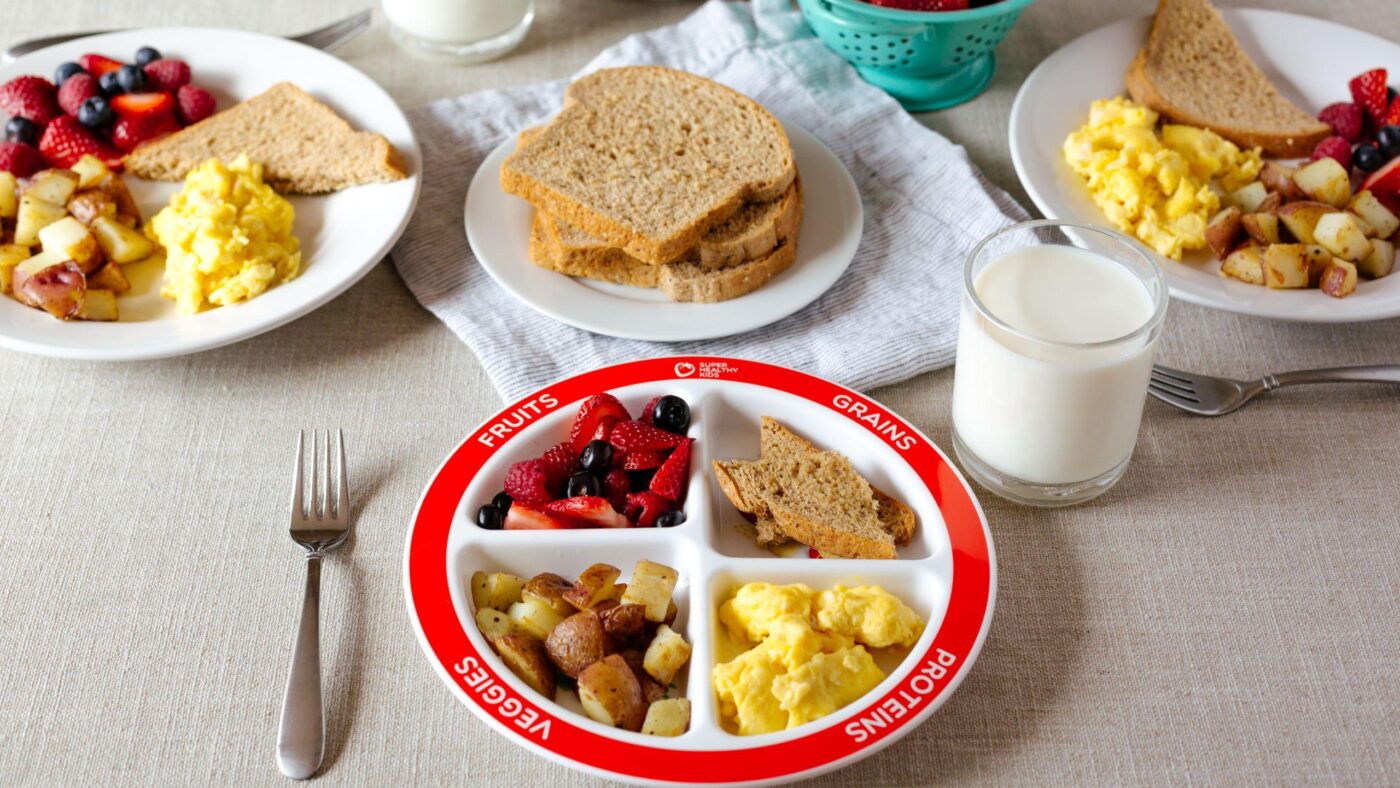
Breakfast might include scrambled eggs, whole-grain toast, and fruit.
Lunch could combine tofu or chicken with rice and vegetables.
Dinner may include fish, soft beans, potatoes, and cooked vegetables.
Portion sizes should be appropriate for the child’s appetite and developmental stage.
3. Healthy Fats for Growth and Brain Development
Dietary fat provides energy and essential fatty acids.
It also supports the absorption of vitamins A, D, E, and K and contributes to cell membrane structure.
Young children need appropriate amounts of dietary fat as part of a balanced eating pattern.
Healthy sources include avocados, fish, vegetable oils, and carefully prepared nuts or nut butters.
Omega-3 Fatty Acids
Omega-3 fatty acids have important biological functions, including roles in cell membranes and neurological development.
Fish can provide DHA and EPA, while some plant foods supply alpha-linolenic acid.
Parents should select fish that are lower in mercury and serve portions appropriate for the child’s age.
Fish must be thoroughly cooked and carefully checked for bones.
Avoid Unnecessary Fat Restriction
Young children should not automatically follow very low-fat adult diets.
At the same time, routinely serving excessive amounts of fried foods, highly processed snacks, or foods rich in saturated fat is not necessary for healthy development.
The overall quality and balance of dietary fats matter.
4. Carbohydrates and Fiber: Energy for Play and Learning
Carbohydrates provide energy for physical activity and many normal physiological processes.
Whole grains, fruit, vegetables, beans, and starchy foods can all contribute useful carbohydrates.
Fiber supports digestive health and bowel regularity.
Nutritious choices include oatmeal, whole-grain bread, brown rice, potatoes, sweet potatoes, beans, vegetables, and fruit.
Choose Quality Carbohydrates
The nutritional quality of carbohydrate-rich foods differs considerably.
Whole fruit provides fiber, water, vitamins, and minerals.
Sugar-sweetened beverages provide energy but relatively few additional nutrients.
Whole grains and legumes often supply more dietary fiber than refined grain products.
Children can enjoy occasional treats within an overall balanced diet, but sweetened foods should not routinely replace nutritious meals.
Preventing Constipation
Adequate fiber, fluids, and regular physical activity can help support normal bowel function.
However, persistent constipation may require pediatric assessment.
Parents should not assume that increasing fiber alone will resolve every case of childhood constipation.
5. Essential Vitamins and Minerals
Several micronutrients are particularly important during the preschool years.
Calcium
Calcium supports the development and maintenance of bones and teeth.
Under U.S. dietary reference values, children aged one to three years need approximately 700 milligrams daily, while children aged four to eight years need approximately 1,000 milligrams.
Useful sources include milk, yogurt, cheese, calcium-fortified soy beverages, and calcium-set tofu.
The suitability of dairy alternatives depends on their nutritional composition.
Not all plant-based beverages provide the same levels of protein, calcium, or vitamin D.
Vitamin D
Vitamin D supports calcium absorption and bone health.
For children aged one year and older, the U.S. Recommended Dietary Allowance is 15 micrograms, equivalent to 600 international units, daily.
Sources include certain fatty fish and vitamin D-fortified foods.
Supplement needs should be discussed with a pediatric healthcare professional when dietary intake, sun exposure, or medical risk factors raise concerns.
High-dose vitamin D should not be given without appropriate guidance.
Iron
Iron is necessary for producing hemoglobin and supporting normal neurological development.
U.S. reference recommendations are approximately 7 milligrams daily for ages one to three years and 10 milligrams daily for ages four to eight years.
Iron-containing foods include lean meat, beans, lentils, fortified cereals, tofu, and certain vegetables.
Vitamin C-containing foods can help improve absorption of non-heme iron from plant sources.
Iron deficiency can affect health and development, but concentration difficulties or unusual behavior should not automatically be attributed to iron deficiency.
Iron supplementation should be based on appropriate clinical advice because excessive iron can be dangerous.
Vitamin A
Vitamin A supports normal vision, immune function, and cellular development.
Carrots, sweet potatoes, leafy greens, eggs, and certain dairy foods can contribute vitamin A or provitamin A carotenoids.
Routine high-dose vitamin A supplements are unnecessary for children with adequate intake and may be harmful.
B Vitamins and Vitamin C
B vitamins participate in energy metabolism and normal nervous system function.
Vitamin C contributes to collagen synthesis, iron absorption, and normal immune function.
A varied diet containing whole grains, legumes, fruits, vegetables, eggs, dairy foods, or suitable alternatives generally helps meet these requirements.
6. Building a Balanced Preschool Diet
A nutritious preschool diet includes foods from several major groups.
Vegetables and Fruits
Offer a variety of colors, flavors, and textures.
Cooked carrots, peas, broccoli, soft fruit, berries prepared safely, and other produce can provide useful nutrients.
Repeated exposure to different vegetables and fruits can help children become familiar with them.
Grains and Starchy Foods
Include whole grains regularly while offering a variety of other suitable carbohydrate-rich foods.
Oatmeal, rice, potatoes, whole-grain bread, and pasta can form part of family meals.
Protein Foods
Offer eggs, fish, chicken, tofu, beans, lentils, and other protein sources according to dietary preferences and food allergies.
Dairy and Fortified Alternatives
Milk, yogurt, cheese, and nutritionally appropriate fortified alternatives can provide calcium and other nutrients.
The quantity and type should reflect the child’s age, overall diet, and individual needs.
Healthy Fats
Include suitable amounts of unsaturated fats through foods such as avocado, fish, oils, and safely prepared nut products.
7. Creating a Healthy Meal and Snack Routine
Many preschool children do well with three regular meals and one or two planned snacks.
However, meal timing should be adapted to family routines and individual appetite.
There is no need for every child to obtain precisely 30 percent of daily calories at breakfast or to follow another rigid distribution.
A predictable routine helps children understand when food will be available.
Breakfast
Whole-grain toast with scrambled eggs and soft fruit.
Morning Snack
Plain yogurt with fruit.
Lunch
Rice or another grain with tofu or chicken and cooked vegetables.
Afternoon Snack
A banana or sliced fruit with an age-appropriate source of protein or healthy fat.
Dinner
Fish, beans, or lean poultry with vegetables and potatoes or whole grains.
These examples are flexible, and parents can substitute culturally familiar foods with similar nutritional roles.
Avoid allowing frequent grazing on snacks or sugary drinks to displace regular meals.
At the same time, children should not be deliberately deprived of adequate food as punishment for refusing a particular dish.
8. Understanding Picky Eating in Preschool Children
Picky eating is common during early childhood.
Children may reject unfamiliar foods, prefer predictable textures, or become less interested in eating during periods of slower growth.
Some children refuse foods based on appearance, smell, temperature, or how ingredients are arranged.
These preferences do not necessarily indicate a nutritional deficiency or a behavioral problem.
Food acceptance develops gradually.
Parents can help by creating a calm, supportive eating environment.
Why Children Reject New Foods
Young children may be cautious about unfamiliar tastes and textures.
A child may also be less hungry at some meals because of variations in activity, growth, or previous food intake.
Developmental differences, sensory sensitivities, dental problems, food allergies, and medical conditions can also influence eating behavior.
The appropriate response depends on the underlying reason.
Not every refusal should be treated as stubbornness.
9. How to Help Picky Eaters Without Pressure
The most effective strategies focus on patience, repetition, modeling, and respecting the child’s developing independence.
Offer New Foods Repeatedly
Children may need many opportunities to become comfortable with an unfamiliar food.
Parents can continue offering small portions without pressuring the child to eat them.
A food that is rejected today may be accepted later.
Combine Familiar and Unfamiliar Foods
Serve a new vegetable alongside foods the child already enjoys.
This reduces the pressure associated with an entirely unfamiliar meal.
The child can explore the new food without being required to finish it.
Let Children Participate
Age-appropriate food preparation can help children become interested in meals.
Young children may assist with washing vegetables, choosing fruit, arranging plates, or stirring ingredients under supervision.
Participation can increase familiarity with foods.
Model Positive Eating Behaviors
Children learn through observation.
When parents and caregivers eat a variety of foods and approach meals positively, children have opportunities to observe healthy eating habits.
Offer Limited Choices
Instead of asking whether the child wants vegetables at all, caregivers might offer a choice between two suitable options.
For example, a child may choose between cooked carrots and peas.
Giving age-appropriate choices can support independence.
Avoid Pressure and Punishment
Forcing children to eat, threatening punishment, shaming them, or using food as a test of obedience can create negative mealtime experiences.
Parents should not insist that a child swallow food after showing distress, gagging, or difficulty managing the texture.
A useful approach is for caregivers to decide what, when, and where food is offered while allowing the child to respond to hunger and fullness cues.
This does not mean allowing unlimited access to sweets or abandoning a predictable routine.
It means combining appropriate structure with responsive feeding.
Avoid Using Dessert as a Reward
Promising sweets in exchange for eating vegetables may increase the emotional value of dessert and make other foods seem like unpleasant obligations.
Instead, offer balanced meals without turning specific foods into rewards or punishments.
10. Food Safety and Choking Prevention
Food preparation should reflect the child’s developmental abilities, not simply chronological age.
Preschool children can still choke on certain foods.
Potential hazards include whole grapes, cherry tomatoes, popcorn, whole nuts, hard candies, large pieces of raw carrots, and thick spoonfuls of nut butter.
Prepare Foods Safely
Cut grapes and cherry tomatoes into appropriately small pieces.
Cook or soften hard vegetables when necessary.
Avoid giving whole nuts to children who cannot safely manage them.
Spread nut butter thinly rather than offering thick spoonfuls.
Remove bones from fish and cut meat into suitable pieces.
Children should sit upright and remain supervised while eating.
Running, playing, or riding in a vehicle while eating can increase choking risks.
Food allergies should also be considered. A history of allergic reactions requires individualized guidance.
11. When Picky Eating Needs Professional Attention
Although selective eating is common, some situations deserve further assessment.
Parents should seek advice from a pediatric healthcare professional when a child experiences:
- Poor weight gain or weight loss
- Significant difficulty chewing or swallowing
- Frequent choking, coughing, or gagging during meals
- Persistent vomiting or pain associated with eating
- An extremely restricted range of accepted foods
- Signs of dehydration or suspected nutritional deficiencies
- Intense distress that regularly disrupts feeding
- A sudden major change in eating behavior
These problems may involve medical, developmental, sensory, or feeding-related factors.
In some cases, assessment by a pediatric dietitian, feeding specialist, or other qualified professional may be appropriate.
Persistent feeding difficulties should not be managed through punishment or deliberate food deprivation.
12. Common Preschool Nutrition Mistakes
Using Adult Portion Sizes
Young children have smaller stomach capacities and different energy requirements from adults.
Start with age-appropriate portions and allow additional food according to appetite.
Assuming More Protein Always Means Better Growth
Children need adequate protein, but excessive intake does not guarantee greater height or muscle development.
Making Children Finish Every Meal
Children’s appetites vary.
Respecting appropriate hunger and fullness cues can support a healthier relationship with food.
Offering Sugary Drinks Frequently
Sugar-sweetened drinks can contribute excess energy and displace more nutritious beverages.
Water and suitable milk or fortified alternatives are generally better everyday choices.
Treating All Snacks as Harmful
Planned nutritious snacks can contribute important energy and nutrients.
The concern is frequent grazing on nutrient-poor foods rather than snacks themselves.
Ignoring Choking Hazards
Foods commonly served to adults may need to be cut, cooked, or otherwise modified for young children.
Forcing Children to Eat Disliked Foods
Pressure may increase distress and food refusal.
Repeated, low-pressure exposure is generally more appropriate.
Giving Supplements Without a Clear Need
Excessive intake of certain vitamins and minerals can be harmful.
Supplement decisions should reflect individual nutritional needs and professional guidance.
Frequently Asked Questions
How many meals should a preschool child eat each day?
Many children do well with three meals and one or two planned snacks. The exact schedule can vary according to age, appetite, and family routine.
How much protein does a preschool child need?
U.S. dietary reference values recommend approximately 13 grams daily for children aged one to three years and 19 grams daily for ages four to eight years. Individual needs may vary.
Should parents force picky eaters to finish vegetables?
No. Repeated exposure, positive modeling, and a calm mealtime environment are preferable to force, punishment, or shame.
Is picky eating normal at age three or four?
Yes. Selective eating is common in early childhood. However, severe food restriction, poor growth, or swallowing difficulties warrant professional assessment.
Are vegetarian diets suitable for preschool children?
Well-planned vegetarian diets can meet children’s nutritional requirements. Attention may be needed for nutrients such as iron, vitamin B12, calcium, vitamin D, zinc, and protein, depending on the foods included.
Should preschool children take a multivitamin every day?
Not necessarily. Many children can obtain sufficient nutrients through food. Supplements may be appropriate when dietary restrictions, deficiencies, or health conditions create specific needs.
How can parents make vegetables more appealing?
Offer vegetables in different textures and preparations, provide small portions, involve children in food preparation, and allow repeated exposure without pressure.
When should parents worry about a child’s eating habits?
Seek professional advice when restricted eating affects growth, causes significant distress, results in suspected deficiencies, or involves persistent choking, vomiting, or swallowing difficulties.
Conclusion
The preschool years provide an important opportunity to establish healthy eating habits that can support growth, development, and long-term well-being.
Children need adequate energy, protein, healthy fats, carbohydrates, vitamins, and minerals, but nutritional requirements vary with age, activity, and individual growth patterns.
Balanced family meals, a predictable eating routine, suitable portions, and safe food preparation can help meet these needs.
Picky eating is often a normal developmental experience rather than a failure of parenting or discipline.
Caregivers can support food acceptance by offering variety, modeling healthy habits, involving children in meal preparation, and avoiding pressure or punishment.
The goal is not to make every child eat every food.
It is to create a safe, supportive environment in which children can gradually develop the skills, confidence, and dietary variety needed for lifelong healthy eating.
References and Further Reading
- Centers for Disease Control and Prevention. Tips to Help Your Picky Eater. Updated April 14, 2026.
https://www.cdc.gov/nutrition/features/help-picky-eater.html - Centers for Disease Control and Prevention. Picky Eaters and What to Do.
https://www.cdc.gov/infant-toddler-nutrition/foods-and-drinks/picky-eaters.html - Centers for Disease Control and Prevention. Choking Hazards. Updated March 11, 2026.
https://www.cdc.gov/infant-toddler-nutrition/foods-and-drinks/choking-hazards.html - National Institutes of Health, Office of Dietary Supplements. Iron: Health Professional Fact Sheet.
https://ods.od.nih.gov/factsheets/Iron-HealthProfessional/ - National Institutes of Health, Office of Dietary Supplements. Calcium: Health Professional Fact Sheet.
https://ods.od.nih.gov/factsheets/Calcium-HealthProfessional/ - National Institutes of Health, Office of Dietary Supplements. Vitamin D: Health Professional Fact Sheet.
https://ods.od.nih.gov/factsheets/VitaminD-HealthProfessional/ - National Academies of Sciences, Engineering, and Medicine. Dietary Reference Intakes for Calcium and Vitamin D.
https://www.nationalacademies.org/read/13050/chapter/24
Editorial Note: Nutrition recommendations vary by age, growth patterns, medical conditions, and developmental needs. General reference values should not replace individualized pediatric assessment.
Educational content only. Not medical advice.


Balanced Preschool Breakfast

Positive Food Experiences

Balanced Lunch Ideas

This article is for general education and does not replace individualized care from a qualified health professional. Seek appropriate advice for persistent, severe, or concerning symptoms.
Read the full medical disclaimer