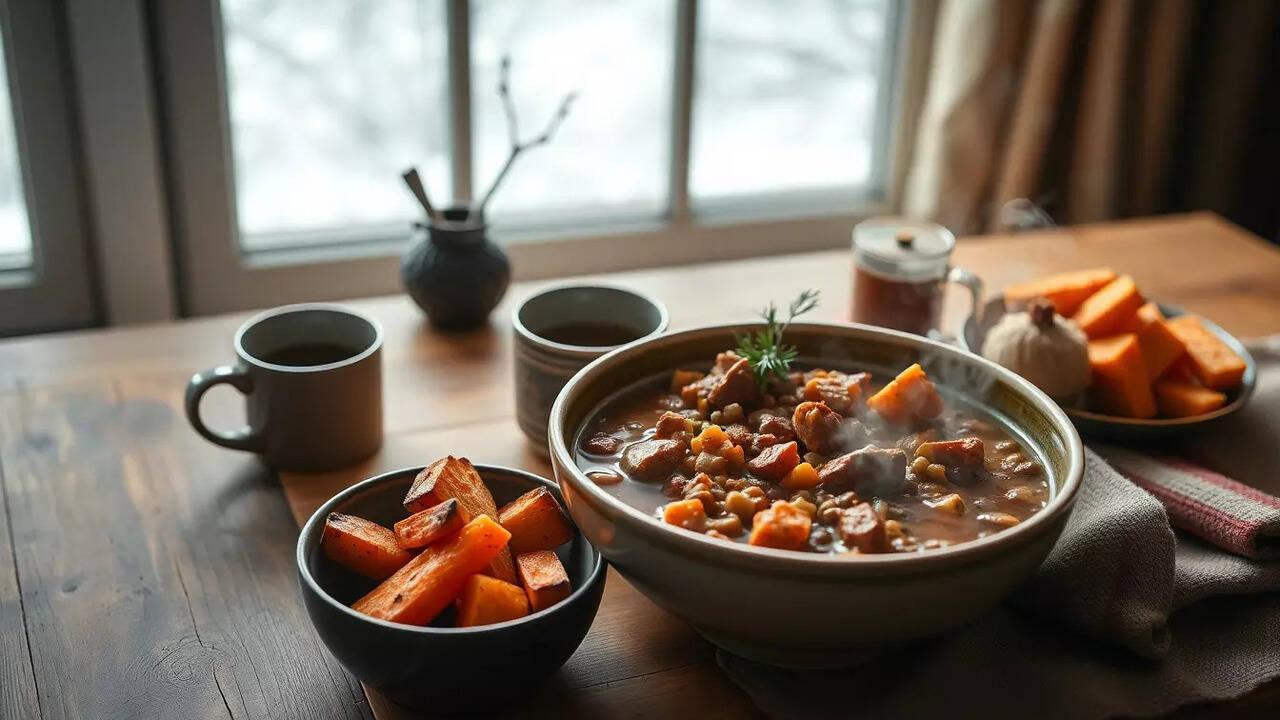
Winter brings shorter days, colder temperatures, and changes in daily routines. For many people, it is also a season of warm meals, nourishing soups, hearty vegetables, and traditional family recipes.
In traditional Chinese wellness philosophy, winter is associated with rest, conservation, and preparation for renewal. Seasonal dietary traditions often emphasize warming foods and restorative meals, particularly for older adults.
Modern nutritional science offers a different but complementary perspective. Food provides the energy and essential nutrients necessary for normal body temperature regulation, immune function, muscle maintenance, and metabolic health. However, no particular winter tonic, animal organ, or herbal preparation can guarantee protection against cold-related illness.
For older adults, winter nutrition deserves special attention because reduced mobility, limited food access, chronic health conditions, and inadequate heating may increase vulnerability during cold weather.
The most effective winter wellness approach combines balanced nutrition, adequate hydration, physical activity, safe indoor temperatures, and appropriate preventive healthcare.
This guide explains how to maintain good nutrition throughout winter, make healthier seasonal food choices, and understand traditional Chinese dietary practices through an evidence-based lens.
1. Why Winter Nutrition Matters
When the surrounding environment becomes cold, the body relies on several physiological mechanisms to maintain its internal temperature.
Blood vessels near the skin may constrict to reduce heat loss. Shivering can generate additional heat through muscle activity. Hormonal and metabolic responses may also contribute to thermoregulation.
These processes require energy.
However, it is inaccurate to assume that winter automatically causes everyone to burn substantially more calories.
The effect of cold weather on energy expenditure depends on several factors, including clothing, indoor heating, physical activity, duration of cold exposure, and individual physiology.
A person performing strenuous outdoor work in freezing conditions may require more dietary energy than someone spending most of the day indoors.
For adults living in comfortably heated environments, seasonal differences in calorie requirements may be relatively modest.
The central nutritional goal is therefore to consume enough energy to support health without routinely overeating.
Does the Body Need More Food During Winter?
Not necessarily.
The body may use additional energy during significant cold exposure, but the amount varies considerably.
Eating large quantities of fatty foods is not a reliable substitute for warm clothing or adequate heating.
For people with low body weight, poor appetite, or increased nutritional needs, additional energy may be appropriate.
For those who are less active during winter, habitual overeating can contribute to unwanted weight gain.
Energy intake should reflect actual needs rather than the assumption that all cold-weather diets must be high in calories.
2. Protein: Supporting Muscles, Immunity, and Recovery
Protein is necessary for maintaining muscles, repairing tissues, producing enzymes, and supporting normal immune function.
Adequate protein intake becomes particularly important for older adults, who may experience gradual losses of muscle mass and strength.
Winter can create additional challenges when reduced outdoor activity, illness, or poor appetite leads to lower overall food intake.
Healthy Sources of Protein
Nutritious protein choices include fish, eggs, poultry, lean meat, milk, yogurt, tofu, soybeans, lentils, and other legumes.
These foods provide essential amino acids and contribute additional nutrients.
Fish may supply omega-3 fatty acids, dairy foods can provide calcium, and legumes offer fiber along with plant protein.
Combining different protein sources throughout the week improves dietary variety.
How Much Protein Do Older Adults Need?
A commonly used baseline recommendation for healthy adults is approximately 0.8 grams of protein per kilogram of body weight daily.
Some older adults may benefit from higher intakes, particularly when preserving muscle mass or recovering from illness.
However, the appropriate amount depends on body size, physical activity, nutritional status, and medical conditions.
People with certain kidney disorders may require individualized recommendations.
Rather than relying on protein supplements or consuming excessive meat, older adults can often improve their diets by including protein-rich foods at regular meals.
Protein Does Not Replace Cold Protection
Protein contributes to normal physiological function, but consuming large amounts does not create immunity to cold temperatures.
Maintaining a safe indoor environment and protecting the body from prolonged cold exposure remain essential.
3. Healthy Fats and Energy Balance in Winter
Dietary fat provides concentrated energy and supports cell membranes, essential fatty acid intake, and absorption of vitamins A, D, E, and K.
Warm winter meals sometimes contain large quantities of fatty meat, butter, or other sources of saturated fat.
Although these foods can provide energy, routinely consuming excessive saturated fat may increase LDL cholesterol and contribute to cardiovascular risk.
A healthier approach is to obtain more dietary fat from unsaturated sources.
Useful choices include olive oil, canola oil, nuts, seeds, avocados, and oily fish.
Walnuts and sesame seeds are traditional winter ingredients that can fit into a balanced diet.
However, their health benefits do not depend on claims that they directly warm the kidneys or restore internal yang energy.
They are valuable because of their nutrient composition.
Is Animal Fat Necessary for Staying Warm?
No.
The body requires sufficient energy, but that energy can come from a balanced combination of carbohydrates, protein, and fats.
There is no requirement to consume large amounts of lard, fatty meat, or other saturated fats to maintain body temperature.
Warm clothing, shelter, and appropriate heating are more reliable forms of cold protection.
4. Winter Vegetables and Fruits: Preventing Nutritional Gaps
In regions with limited winter agricultural production, fresh produce may be less readily available or more expensive.
However, a nutritious winter diet does not require fresh vegetables to be grown locally.
Frozen vegetables, properly stored produce, canned legumes, root vegetables, and citrus fruits can all contribute valuable nutrients.
Cabbage and Leafy Vegetables
Cabbage, bok choy, kale, and other leafy vegetables provide fiber and important vitamins and minerals.
They can be steamed, stir-fried, added to soup, or served alongside whole grains.
Cabbage is particularly versatile and can be included in affordable winter meals.
Carrots and Sweet Potatoes
Carrots and orange-fleshed sweet potatoes provide beta-carotene, which the body can convert into vitamin A.
Vitamin A contributes to normal vision, immune function, and the maintenance of epithelial tissues.
Sweet potatoes also provide carbohydrates and dietary fiber.
However, sweet potatoes should not be described as proven treatments for winter infections or internal toxins.
Potatoes
Potatoes provide carbohydrates, potassium, and vitamin C, although nutrient content varies with preparation.
Boiled or baked potatoes can be part of a balanced diet.
Fried potato products may contain much higher amounts of added fat and sodium.
Citrus Fruits
Oranges, mandarins, and other citrus fruits provide vitamin C, water, and additional nutrients.
Vitamin C supports normal immune function and collagen synthesis.
Adequate vitamin C intake helps prevent deficiency, but consuming large doses does not guarantee protection against colds or influenza.
Frozen Vegetables
Frozen vegetables can be nutritious, affordable, and convenient.
Freezing helps preserve many nutrients, although specific changes depend on the food and processing method.
Keeping a variety of frozen vegetables available can make it easier to maintain dietary quality when fresh produce is limited.
5. Important Vitamins and Minerals During Winter
Winter nutritional concerns should focus on actual dietary adequacy rather than assuming that cold weather automatically causes widespread deficiencies.
Vitamin D
Vitamin D contributes to calcium absorption and normal bone health.
The body’s production of vitamin D in the skin depends partly on ultraviolet B exposure.
In some regions, shorter winter days, reduced outdoor exposure, and other environmental factors may limit vitamin D synthesis.
Older adults may also have a reduced capacity to produce vitamin D through the skin.
Dietary sources include fatty fish, fortified dairy foods, fortified plant-based alternatives, and some other fortified products.
Vitamin D supplements may be appropriate for certain individuals, but routine high-dose supplementation is not recommended without a suitable indication.
Calcium
Calcium is essential for bone and muscle function.
Dairy products, calcium-fortified soy beverages, calcium-set tofu, and certain fish with edible bones can contribute calcium.
Both older men and women can develop osteoporosis.
Adequate calcium and vitamin D, sufficient protein, and appropriate weight-bearing or resistance exercise support bone health.
Iron
Iron contributes to the production of hemoglobin, which transports oxygen in red blood cells.
Dietary sources include meat, poultry, seafood, beans, lentils, and fortified cereals.
Iron deficiency should not automatically be assumed when an older person experiences fatigue or feels cold.
Unexplained anemia requires medical evaluation because it may have causes unrelated to inadequate iron intake.
Taking iron supplements without an established need can be harmful.
Potassium and Sodium
Potassium and sodium contribute to fluid balance, nerve signaling, and muscle function.
Most adults should emphasize potassium-rich foods such as vegetables, fruits, beans, and potatoes while avoiding excessive sodium intake.
Cold weather alone is not a reason to increase salt consumption.
Hyponatremia, or low blood sodium, is a medical condition with several possible causes. It should not be self-treated simply by adding more salt to meals.
People with kidney disease, heart failure, hypertension, or medications affecting electrolyte balance may need individualized advice.
6. Traditional Chinese Winter Nourishment: History and Modern Evidence
Winter nourishment, sometimes called dongling jinbu in Chinese wellness traditions, refers to the custom of consuming restorative foods or preparations during the cold season.
Traditional explanations frequently use concepts such as supporting yang, nourishing yin, strengthening the kidneys, and conserving vital energy.
These concepts form part of historical Chinese medical theory.
They are not directly equivalent to measurable physiological processes in contemporary medicine.
For example, traditional kidney yang does not simply refer to kidney filtration function, testosterone production, or the body’s metabolic rate.
Such distinctions are important when discussing traditional wellness practices responsibly.
Traditional Warming Foods
Foods frequently associated with winter nourishment include ginger, garlic, onions, rice, millet, beans, chicken, fish, and various meat dishes.
Many can be valuable ingredients in balanced meals.
Ginger and garlic add flavor, while beans and grains provide carbohydrates, protein, and fiber.
Warm soups can be comforting and may contribute to fluid intake.
However, a food’s serving temperature or traditional warming classification does not establish that it prevents hypothermia or strengthens immune defenses.
Lamb and Beef
Lamb and beef provide protein, iron, zinc, and vitamin B12.
They can be included in appropriate portions.
Choosing lean cuts and limiting excessive saturated fat can help improve the overall nutritional profile of a meal.
These meats are not medically necessary for winter health, and plant-based alternatives can also provide adequate protein when the diet is well planned.
Chicken Soup
Chicken soup may be appealing during cold weather or periods of reduced appetite.
It can provide fluids, protein, and nutrients depending on the ingredients.
A soup prepared with vegetables, beans, or whole grains can offer greater dietary variety.
However, chicken soup should not be represented as a cure for influenza, pneumonia, or other infections.
7. Do Winter Tonics and Herbal Wines Improve Health?
Traditional winter practices sometimes include ginseng wine, astragalus wine, medicinal soups, and combinations of animal products with concentrated herbs.
These preparations are often promoted for improving circulation, resistance to cold, sexual function, or general vitality.
Modern clinical evidence does not justify treating these claims as established facts.
Why Alcohol Is Not an Effective Way to Stay Warm
Alcohol may create a temporary sensation of warmth because it can increase blood flow near the skin.
However, this sensation is misleading.
Alcohol can contribute to heat loss and may impair judgment, making it a poor strategy for protecting the body during cold exposure.
Older adults should not be advised to drink alcohol every morning for winter protection.
People taking medications or living with certain chronic conditions may face additional alcohol-related risks.
Ginseng and Herbal Supplements
Ginseng has been studied for several possible physiological effects.
However, research findings are mixed, and evidence is insufficient to support many broad claims about immune enhancement, anti-aging, or winter disease prevention.
Ginseng can also cause adverse effects, including sleep disturbances, and may interact with medications.
Other herbal ingredients used in traditional winter tonics can have additional risks related to dose, preparation, contamination, or medication interactions.
A long history of traditional use does not establish safety for every person.
Animal Organ and Reproductive Tonics
Traditional lists of winter tonics sometimes include animal kidneys, reproductive organs, and products derived from wild animals.
These ingredients are not necessary for meeting human nutritional requirements.
Eating animal reproductive organs has not been reliably demonstrated to increase human testosterone, improve erectile function, or restore fertility.
Some wildlife-derived medicinal products may also raise serious conservation, legal, safety, and authenticity concerns.
There is no need to consume such products to maintain health during winter.
A Safer Alternative to Winter Tonic Culture
A balanced winter meal can include beans, tofu, fish, eggs, vegetables, whole grains, nuts, and appropriate amounts of lean meat.
This approach provides nutrients without relying on unverified pharmacological effects.
People considering medicinal herbs should discuss possible interactions and contraindications with a qualified healthcare professional.
8. Winter Nutrition for Older Adults
Older adults may face greater difficulties during winter because of reduced mobility, changes in appetite, limited food access, and underlying health conditions.
Adequate food intake is important, but nutrition alone cannot eliminate cold-weather risks.
Prevent Unintentional Weight Loss
Some older adults struggle to shop, cook, or eat regularly during cold weather.
Unintentional weight loss can indicate inadequate food intake or an underlying health problem.
Nutrient-dense meals and suitable snacks may help maintain adequate nutrition.
Persistent weight loss should be assessed rather than attributed solely to aging.
Maintain Muscle Strength
A balanced diet containing sufficient protein supports muscle maintenance.
Regular resistance exercise, adjusted to physical ability, is also important.
Reduced movement during winter can contribute to loss of strength and mobility.
Indoor walking, chair exercises, balance activities, and appropriately supervised strength training may be useful options.
Choose Easy-to-Prepare Foods
Warm oatmeal, vegetable soup, beans, eggs, yogurt, tofu, and soft cooked vegetables can provide practical nutrition.
For people with chewing difficulties, softer food textures may improve comfort.
Individuals with swallowing difficulties require appropriate assessment and tailored food consistency.
Stay Hydrated
Hydration remains important in winter.
Indoor heating, dry air, certain medications, and inadequate fluid intake may contribute to dehydration.
Water, unsweetened beverages, and soups can support fluid intake.
People with prescribed fluid restrictions should follow their care plans.
Maintain Food Safety
Winter does not eliminate the risk of foodborne illness.
Cooked foods should be stored appropriately, perishable ingredients should be refrigerated, and leftovers should be reheated safely.
Food safety is especially important for older adults who may experience more severe consequences from foodborne infections.
9. Protecting Older Adults From Hypothermia
Hypothermia occurs when body temperature falls dangerously low.
Older adults may be particularly vulnerable when they have inadequate heating, insufficient clothing, poor nutrition, or medical conditions affecting temperature regulation.
Warning signs may include shivering, unusual tiredness, confusion, slurred speech, clumsy movements, and drowsiness.
Hypothermia is a medical emergency.
If it is suspected, seek emergency assistance, move the person to a warm environment when safe, and remove wet clothing.
Use appropriate warming measures while awaiting professional care.
Do not give alcoholic beverages.
Do not give anything by mouth to someone who is unconscious or unable to swallow safely.
Warm food and drinks may improve comfort in ordinary cold conditions, but they cannot replace appropriate treatment for hypothermia.
10. A Practical Winter Meal Plan
Balanced winter meals can be warm, satisfying, and nutritionally complete.
Breakfast
Warm oatmeal with plain yogurt or fortified soy milk, walnuts, and a serving of fruit.
This provides carbohydrates, protein, fiber, and healthy fats.
Lunch
Chicken, tofu, or lentil soup with carrots, cabbage, mushrooms, and whole-grain bread.
This combination provides protein, vegetables, and dietary energy.
Afternoon Snack
An orange, apple, or other whole fruit with a small portion of unsalted nuts.
Snacks are optional and should reflect individual appetite and nutritional requirements.
Dinner
Baked fish or tofu with brown rice, steamed greens, and roasted sweet potatoes.
This meal provides protein, complex carbohydrates, fiber, and micronutrients.
Drinks
Water and suitable unsweetened beverages should remain available throughout the day.
Warm beverages can provide comfort but are not required for everyone.
11. Common Winter Nutrition Mistakes
Assuming everyone needs extra calories.
Calorie requirements depend on actual cold exposure, physical activity, and individual health.
Eating excessive amounts of fatty meat.
Adequate fat is necessary, but routinely consuming large quantities of saturated fat is not required for staying warm.
Increasing salt intake without a medical reason.
Cold weather does not justify routine sodium supplementation.
Relying on alcohol to prevent cold exposure.
Alcohol can increase heat loss and interfere with judgment.
Using herbal tonics instead of medical care.
Traditional preparations may contain active substances and should not replace established treatment.
Assuming animal organs improve sexual function.
There is insufficient reliable evidence that eating reproductive organs improves testosterone levels or fertility.
Neglecting vegetables during winter.
Frozen vegetables, root vegetables, cabbage, citrus fruits, and legumes can help maintain dietary quality.
Ignoring vitamin D and bone health.
Some individuals may be at greater risk of inadequate vitamin D intake or limited sunlight-related synthesis during winter.
Believing nutritious meals can prevent hypothermia by themselves.
Safe heating, suitable clothing, and protection from cold exposure are essential.
Frequently Asked Questions
Do people need more calories during winter?
Not necessarily. Significant cold exposure can increase energy requirements, but people living in heated environments may not need additional calories.
Which foods are best for winter nutrition?
Fish, eggs, tofu, legumes, whole grains, vegetables, fruits, nuts, and suitable dairy or fortified alternatives can provide balanced nutrition.
Can chicken soup prevent colds and influenza?
Chicken soup can provide fluids and nutrients, but it has not been established as a reliable way to prevent or cure viral respiratory infections.
Should older adults take vitamin D in winter?
Some older adults may need vitamin D supplementation depending on dietary intake, sun exposure, medical conditions, and other risk factors. Supplementation should be individualized.
Is drinking alcohol a good way to stay warm?
No. Alcohol can increase heat loss and impair judgment, potentially increasing the risk of cold-related injury.
Do traditional winter tonics improve immune function?
Some ingredients contain nutrients or biologically active compounds, but many broad claims about immune enhancement are not supported by strong clinical evidence.
Can eating animal kidneys or reproductive organs improve sexual health?
There is no reliable evidence that these foods directly improve testosterone production, erectile function, or fertility.
What is the most important winter health advice for older adults?
Maintain adequate nutrition, hydration, suitable indoor temperatures, physical activity, and appropriate management of medical conditions. Recognize the signs of hypothermia and seek urgent help when needed.
Conclusion
Winter nutrition should support the body’s essential physiological functions while accommodating colder temperatures, changing activity levels, and individual health needs.
Protein-rich foods help maintain muscles and tissues. Unsaturated fats contribute essential fatty acids. Whole grains, vegetables, fruits, and legumes provide fiber, vitamins, minerals, and dietary energy.
For older adults, maintaining adequate nutrition is particularly important, but food alone cannot protect against hypothermia, respiratory infections, or complications from chronic disease.
Traditional Chinese winter nourishment offers a rich cultural history of warming meals and seasonal food practices. These traditions can be appreciated while distinguishing culinary enjoyment from unproven medical claims.
The healthiest winter diet is not necessarily the richest, most expensive, or most heavily supplemented.
It is one that provides sufficient nutrients, uses safe ingredients, respects individual medical needs, and supports sustainable habits throughout the year.
Combined with warm clothing, safe housing, physical activity, and appropriate healthcare, balanced nutrition can help make winter a healthier and more comfortable season.
References and Further Reading
- World Health Organization. Healthy Diet. Updated January 26, 2026.
https://www.who.int/news-room/fact-sheets/detail/healthy-diet - Centers for Disease Control and Prevention. Preventing Hypothermia. Reviewed August 25, 2026.
https://www.cdc.gov/winter-weather/prevention/ - National Institutes of Health, Office of Dietary Supplements. Vitamin D: Health Professional Fact Sheet.
https://ods.od.nih.gov/factsheets/VitaminD-HealthProfessional/ - National Center for Complementary and Integrative Health. Asian Ginseng: Usefulness and Safety.
https://www.nccih.nih.gov/health/asian-ginseng - National Center for Complementary and Integrative Health. Herb-Drug Interactions: What the Science Says.
https://www.nccih.nih.gov/health/providers/digest/herb-drug-interactions-science
Editorial Note: Traditional Chinese winter nourishment practices are discussed for historical, cultural, and educational purposes. Their inclusion does not establish medical effectiveness.
Educational content only. Not medical advice.


Healthy Winter Meals

Protein & Muscle Health

Winter Vitamins & Minerals

Healthy Aging in Winter
This article is for general education and does not replace individualized care from a qualified health professional. Seek appropriate advice for persistent, severe, or concerning symptoms.
Read the full medical disclaimer

