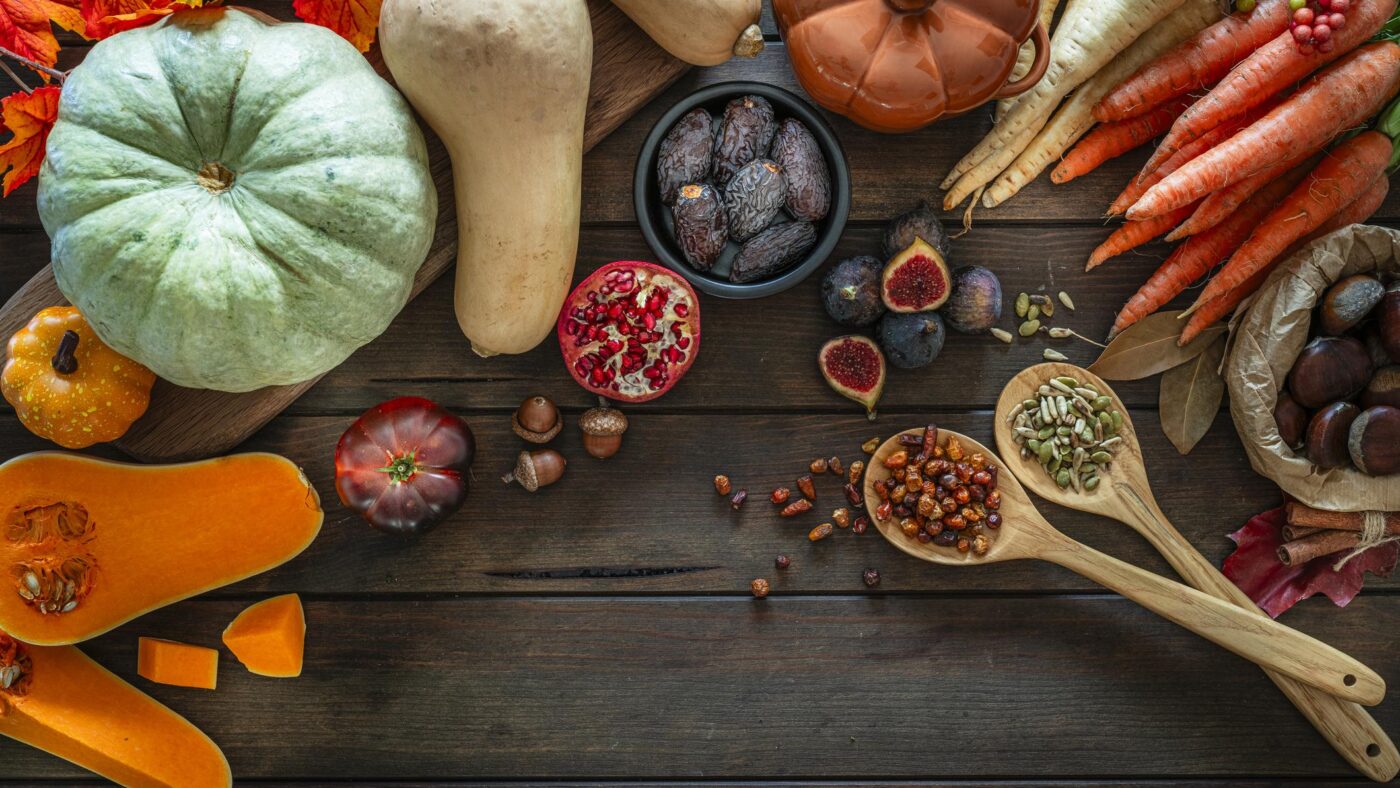
Autumn is a season of transition. As temperatures gradually decline, daylight hours shorten, and the landscape changes, daily routines and food preferences often shift as well.
Warm soups, freshly harvested vegetables, seasonal fruits, whole grains, nuts, and nourishing home-cooked meals become especially appealing.
In traditional Chinese wellness philosophy, autumn is associated with balance, reflection, and preparation for the colder months ahead. Classical dietary teachings often emphasize moderation, gentle nourishment, and foods traditionally described as supporting moisture and internal harmony.
Modern nutritional science offers a complementary perspective. Seasonal eating can encourage dietary variety, improve access to fresh produce, and make balanced meals more enjoyable. However, the health benefits of autumn foods depend on their actual nutrient composition and overall dietary context, not on unverified claims that particular ingredients can cure disease or regulate internal organs.
For older adults, autumn is also a useful time to review dietary habits, hydration, physical activity, and nutritional needs before winter.
This comprehensive guide explores evidence-based autumn nutrition, traditional Chinese seasonal food culture, practical dietary strategies for older adults, and the role of nutrition in managing common health concerns.
1. Understanding the Principles of Autumn Nutrition
Autumn dietary guidance is often influenced by the idea that humans should adapt their lifestyles to changes in the natural environment.
In traditional Chinese medicine, the five flavors—sour, bitter, sweet, pungent, and salty—are associated with different organ systems.
Classical texts describe relationships between sour flavors and the liver, pungent flavors and the lungs, bitter flavors and the heart, salty flavors and the kidneys, and sweet flavors and the spleen.
These relationships are part of a historical theoretical framework.
They should not be interpreted as scientifically established evidence that individual flavors directly nourish or regulate specific anatomical organs.
For example, eating pungent foods does not automatically improve lung function, and sweet foods do not necessarily strengthen the spleen.
Modern nutrition instead evaluates foods according to their nutrients, energy content, digestibility, safety, and effects within an overall dietary pattern.
What Changes During Autumn?
Seasonal changes may influence health through several pathways.
Cooler temperatures can affect clothing choices, outdoor activity, and energy expenditure. Shorter daylight hours may influence daily schedules and sleep patterns. Indoor heating, low humidity, or exposure to dry air can contribute to discomfort involving the skin, eyes, or airways.
In addition, autumn frequently coincides with changes in the circulation of certain respiratory viruses, although seasonal patterns vary by region.
Nutrition helps support normal body functions, but it cannot independently prevent seasonal infections or replace appropriate medical care.
The most useful autumn nutrition strategy is to maintain a balanced diet while making practical adjustments for changing weather, activity levels, appetite, and individual health conditions.
2. The Best Foods to Eat During Autumn
Autumn offers many nutritious foods that can be incorporated into balanced meals.
Traditional Chinese food culture frequently highlights pumpkin, lotus seeds, longan, black sesame, red dates, walnuts, and other seasonal ingredients.
These foods can be enjoyable components of a varied diet, but their nutritional value should be distinguished from traditional medicinal claims.
Pumpkin and Winter Squash
Pumpkin is a versatile autumn vegetable that provides carbohydrates, fiber, and carotenoids.
Orange-fleshed varieties are particularly rich in beta-carotene, which the body can convert into vitamin A.
Vitamin A supports normal vision, immune function, and the maintenance of epithelial tissues.
Pumpkin can be roasted, steamed, added to soup, or incorporated into whole-grain dishes.
Pumpkin is nutritious, but claims that it directly treats lung disease, relieves pain, or prevents pregnancy complications are not supported by adequate clinical evidence.
Walnuts
Walnuts provide unsaturated fats, plant protein, dietary fiber, and minerals.
They are also a source of alpha-linolenic acid, an essential omega-3 fatty acid.
Including walnuts as part of a balanced dietary pattern can contribute to overall nutritional quality.
However, walnuts should not be promoted as a proven treatment for insomnia, memory loss, chronic fatigue, or back pain.
Their benefits are best understood within a broader dietary pattern that supports cardiovascular and metabolic health.
Black Sesame Seeds
Black sesame seeds provide unsaturated fats, protein, minerals, and several naturally occurring plant compounds.
They can be added to oatmeal, whole-grain dishes, vegetables, and other foods.
Ground sesame seeds or sesame paste may be easier to consume for older adults who have difficulty chewing.
Although black sesame is traditionally associated with nourishing the body and supporting longevity, evidence does not establish that it can reverse aging or treat specific organ disorders.
Red Dates and Longan
Red dates, also known as jujubes, and longan fruit have longstanding roles in East Asian cooking.
They may be included in porridges, soups, and traditional desserts.
Dried versions provide concentrated carbohydrates and naturally occurring sugars.
They can contribute flavor and some nutrients, but claims that they cure anemia, improve neurological conditions, or restore vitality are not established.
People managing blood glucose should consider portion size and total carbohydrate intake.
Lotus Seeds
Lotus seeds are used in traditional soups, porridges, and desserts.
They provide carbohydrates and some protein and minerals.
Properly prepared lotus seeds can be part of a varied diet.
However, they should not be regarded as a treatment for insomnia, persistent diarrhea, reproductive problems, or heart disease.
Wild Rice Shoots and Other Vegetables
Wild rice shoots, leafy greens, mushrooms, and other vegetables offer dietary variety.
Vegetables contribute fiber, vitamins, minerals, and water.
Their specific nutrient composition varies considerably.
No individual vegetable should be expected to produce dramatic reductions in blood cholesterol or treat a chronic disease simply because of traditional dietary classification.
3. Autumn Dryness: What It Means and How Nutrition Can Help
Traditional Chinese wellness literature often describes autumn as a season associated with dryness.
The term autumn dryness may refer to symptoms such as dry lips, dry skin, throat discomfort, or a sensation of reduced moisture.
These experiences may occur in certain environments, especially when humidity is low or indoor heating becomes more common.
However, traditional autumn dryness is not a standardized diagnosis in modern medicine.
Dry mouth, persistent cough, or skin irritation can have many causes, including medications, allergies, dehydration, environmental exposure, and underlying medical conditions.
Maintaining Adequate Hydration
Water remains essential throughout the year.
Although people often associate dehydration with hot summer weather, inadequate fluid intake can also occur during cooler months.
Older adults may be particularly vulnerable if they experience reduced thirst, limited mobility, or difficulties accessing beverages.
Water, unsweetened drinks, soups, vegetables, and whole fruits can all contribute to fluid intake.
Individual requirements depend on activity, diet, medical conditions, and environmental factors.
People with prescribed fluid restrictions should follow their individualized care plans.
Pears and Other Water-Rich Fruits
Pears are popular in autumn cuisine.
They contain water, dietary fiber, and small amounts of several vitamins and minerals.
Eating whole pears can contribute to hydration and digestive health.
However, pears have not been established as a treatment for chronic cough, bronchitis, or lung disease.
Their nutritional benefits do not depend on the traditional classification of the fruit as cooling or moistening.
Tremella Mushrooms
Tremella, sometimes called snow fungus or white fungus, is commonly used in Chinese desserts and soups.
It contains carbohydrates, including polysaccharides, and can be enjoyed as a culinary ingredient.
Laboratory studies have investigated certain biological properties of tremella compounds, but this does not establish that eating tremella soup prevents seasonal dryness, treats respiratory disease, or slows human aging.
Sweetened tremella desserts should be consumed with consideration for total sugar intake.
Lily Bulbs
Edible lily bulbs are used in several traditional Asian dishes.
They provide carbohydrates and other nutrients and may be prepared in soups or cooked dishes.
Traditional claims involving lung nourishment, emotional calm, or improved sleep have not been adequately established through high-quality clinical trials.
Only food-grade, correctly identified edible varieties should be used.
Honey and Added Sugar
Honey is often recommended in traditional autumn dietary practices.
It can add sweetness and flavor, but nutritionally it is a source of free sugars.
There is no need to consume honey daily to maintain hydration or prevent illness.
Frequent high-sugar drinks and desserts may increase calorie intake and contribute to dental problems.
People who enjoy honey can use modest quantities while maintaining an overall balanced diet.
4. Autumn Nutrition for Older Adults
Older adults may experience nutritional challenges related to appetite, oral health, mobility, medication use, chronic disease, and changing body composition.
These concerns are not exclusive to autumn, but seasonal transitions offer a useful opportunity to review dietary habits.
Prioritize Protein
Protein contributes to muscle maintenance, tissue repair, and normal physiological function.
Inadequate intake, particularly when combined with low physical activity, may contribute to muscle weakness and loss of independence.
Useful protein sources include fish, eggs, poultry, milk, yogurt, tofu, beans, and lentils.
Older adults may benefit from distributing protein-containing foods across meals.
Those with certain medical conditions, particularly kidney disease, may require individualized advice.
Choose Easily Prepared, Nutrient-Dense Meals
Warm oatmeal, lentil soup, vegetable stews, tofu dishes, and soft cooked vegetables can be practical choices.
For people who have difficulty chewing, foods can be prepared with softer textures.
Persistent swallowing difficulties require assessment because of the risk of choking or aspiration.
Include Calcium and Vitamin D
Calcium and vitamin D contribute to normal bone health.
Dairy products, calcium-fortified alternatives, and calcium-set tofu can help provide calcium.
Fatty fish and appropriately fortified products may contribute vitamin D.
Individual supplementation needs should be assessed according to diet, health risks, and other relevant factors.
Maintain Physical Activity
Nutrition works alongside movement to support healthy aging.
Walking, balance exercises, and appropriate resistance training can help maintain physical function.
Older adults should choose activities that match their abilities and medical circumstances.
5. Should People Take Special Autumn Tonics?
Traditional Chinese wellness practices often recommend seasonal supplementation or nourishing foods during autumn.
The historical principle of gentle nourishment emphasizes moderation and avoiding excessively rich preparations.
This idea can be compatible with modern nutrition when it encourages balanced meals rather than unproven medicinal claims.
However, there is no reliable evidence that autumn is universally the best season for supplements or that healthy people must consume particular tonics to prevent winter disease.
For individuals with nutritional deficiencies, inadequate food intake, or increased requirements during illness, dietary intervention may be beneficial at any time of year.
The need for nutritional treatment should be based on individual circumstances rather than the calendar.
Why More Is Not Always Better
Traditional desserts containing glutinous rice, sugar, dried fruits, nuts, and animal fats can be energy-dense.
They may be enjoyed occasionally, but they are not universally suitable as daily restorative meals.
Older adults with diabetes, cardiovascular disease, or weight-management concerns may need particular attention to portion sizes and the nutritional composition of these dishes.
Similarly, high-dose herbal supplements may interact with medications or contain ingredients of uncertain quality.
A varied diet generally provides a safer foundation than routine use of concentrated seasonal tonics.
6. Autumn Diet and Common Health Conditions
Traditional food therapy sometimes recommends particular ingredients for symptoms such as indigestion, nocturia, fatigue, hypertension, insomnia, and chronic cough.
Although nutritious foods can support general health, they should not be presented as proven treatments for conditions requiring medical evaluation.
Digestive Discomfort
Warm porridges and soft cooked foods may be easier to tolerate for some people experiencing temporary digestive discomfort.
Oats, rice, yams, and other grains can provide dietary energy.
However, persistent indigestion may require evaluation for conditions such as gastroesophageal reflux disease, peptic ulcer disease, medication effects, or other disorders.
Yam and red date porridge is not a proven treatment for chronic indigestion.
Frequent Nighttime Urination
Waking repeatedly to urinate may result from several causes, including fluid timing, diabetes, sleep disorders, urinary tract conditions, prostate-related problems, or certain medications.
No specific porridge or autumn tonic has been reliably demonstrated to treat nocturia.
Management depends on identifying the underlying cause.
Persistent symptoms warrant medical evaluation, particularly when accompanied by pain, blood in the urine, excessive thirst, or other concerning changes.
High Blood Pressure
Healthy dietary patterns can help support blood pressure management.
The DASH dietary pattern emphasizes fruits, vegetables, whole grains, low-fat dairy or appropriate alternatives, and suitable protein sources.
Limiting excessive sodium intake is particularly important.
Traditional remedies involving kudzu root, red dates, or other herbal ingredients should not replace prescribed blood pressure treatment.
Herbal products may also interact with medications.
Sleep and Cognitive Health
Walnuts, whole grains, beans, and other nutritious foods can contribute to a healthy eating pattern.
However, large quantities of walnuts mixed with honey are not an established treatment for insomnia, memory decline, or nervous exhaustion.
Persistent sleep problems or cognitive changes should be assessed appropriately.
Sleep habits, physical activity, medical conditions, medications, and psychological factors can all influence sleep quality.
Chronic Cough and Respiratory Health
Autumn may coincide with increased exposure to respiratory pathogens in some regions.
Dry air, allergens, and air pollution can also contribute to respiratory discomfort.
Adequate nutrition and hydration support general health but cannot cure chronic bronchitis, asthma, or other respiratory disorders.
People experiencing persistent coughing, wheezing, fever, or breathlessness should seek appropriate medical advice.
Vaccination, hand hygiene, indoor air quality, and management of existing health conditions are important preventive strategies.
7. A Note on Ginkgo Seeds in Traditional Autumn Recipes
Some traditional autumn dishes, including certain versions of eight-treasure rice, contain ginkgo seeds.
Ginkgo seeds require particular caution.
Fresh or improperly prepared ginkgo seeds can contain toxic compounds, and serious poisoning has been reported after consumption.
Cooking does not guarantee that consuming substantial amounts is safe.
Children and other vulnerable individuals may face particular risks.
Ginkgo leaf extracts are different products and may also carry safety concerns, including interactions with anticoagulant medications.
For a safer autumn dessert, consider using ordinary food ingredients such as cooked grains, beans, raisins, and walnuts rather than adding ginkgo seeds for supposed medicinal benefits.
8. A Practical One-Day Autumn Meal Plan
A nourishing autumn meal plan can use seasonal produce while maintaining adequate protein, fiber, and healthy fats.
Breakfast
Warm oatmeal with sliced pear, chopped walnuts, and plain yogurt or a fortified soy alternative.
This meal provides carbohydrates, fiber, protein, and unsaturated fats.
Lunch
A vegetable and lentil soup containing pumpkin, carrots, leafy greens, and beans, served with whole-grain bread.
This combination offers plant protein, fiber, and a variety of micronutrients.
Afternoon Snack
A whole apple and a small serving of unsalted nuts.
Snacks are optional and should be adjusted according to appetite and total energy needs.
Dinner
Steamed fish or tofu with brown rice, mushrooms, and seasonal vegetables.
This meal combines protein, whole grains, and vegetables without relying on excessive added sugar or saturated fat.
Beverages
Water and suitable unsweetened beverages remain appropriate throughout the day.
People with fluid restrictions or specific medical requirements should follow individualized guidance.
9. Healthy Autumn Habits Beyond Food
Seasonal well-being involves more than diet.
Regular physical activity helps maintain strength, mobility, and cardiovascular fitness.
Consistent sleep schedules support overall health as daylight patterns change.
Appropriate clothing and indoor environmental conditions improve comfort during cooler weather.
Good food hygiene remains important, particularly when preparing cooked grains, mushrooms, and stored seasonal produce.
Older adults should also review preventive healthcare needs, including recommended vaccinations and management of chronic health conditions.
The goal is not to prevent every seasonal illness through food, but to support health through a combination of nutrition, daily habits, and evidence-based preventive care.
10. Common Autumn Nutrition Mistakes
Assuming traditional flavor classifications prove medicinal effects.
Traditional food classifications have cultural value but do not establish that specific flavors directly regulate anatomical organs.
Eating excessive quantities of nuts and dried fruits.
These foods can contribute useful nutrients, but large portions may substantially increase energy and sugar intake.
Using sweetened tonics to treat fatigue.
Persistent fatigue may have medical causes that require assessment.
Replacing blood pressure medication with herbal remedies.
Traditional preparations are not established substitutes for effective hypertension treatment.
Believing autumn foods cure respiratory disease.
A balanced diet supports overall health but cannot replace appropriate treatment for asthma, chronic bronchitis, or respiratory infections.
Using ginkgo seeds as a routine health supplement.
Ginkgo seeds can cause serious poisoning and should not be treated as harmless restorative ingredients.
Ignoring hydration in cooler weather.
Fluid intake remains important throughout the year, including during autumn and winter.
Frequently Asked Questions
What are the healthiest foods to eat in autumn?
Pumpkin, winter squash, pears, apples, beans, lentils, whole grains, vegetables, and nuts are nutritious choices. Dietary variety matters more than any single seasonal superfood.
Can pears and tremella prevent autumn dryness?
These foods may contribute fluids and nutrients, but they are not proven treatments for a medical condition described as autumn dryness. Persistent symptoms should be evaluated according to their actual cause.
Are walnuts good for brain health?
Walnuts provide beneficial fats and other nutrients. They can be included in a healthy dietary pattern, but eating walnuts has not been established as a treatment for dementia, insomnia, or memory disorders.
Should older adults take special tonics in autumn?
Not routinely. Nutritional supplements are most useful when they address an identified need. Balanced meals are generally the foundation of healthy eating.
Can traditional foods lower blood pressure?
Certain foods can contribute to blood pressure-friendly dietary patterns, but individual foods and herbal preparations should not replace established hypertension treatment.
Is eight-treasure rice healthy?
Eight-treasure rice can be enjoyed as an occasional traditional dessert. Recipes containing substantial added sugar or saturated fat should be consumed with portion awareness. Ginkgo seeds introduce additional safety concerns.
What is the best way to prepare for winter through nutrition?
Maintaining adequate protein, fiber, healthy fats, vitamins, minerals, and hydration is more useful than relying on seasonal tonics. Regular exercise and appropriate preventive healthcare are also important.
Conclusion
Autumn is an excellent season to enjoy nutritious food, refresh daily routines, and prepare for the cooler months ahead.
Traditional Chinese seasonal wellness emphasizes moderation, harmony, and thoughtful food choices. Modern nutritional science supports a practical approach centered on dietary variety, appropriate energy intake, adequate protein, healthy fats, fiber-rich carbohydrates, and sufficient hydration.
Pumpkin, pears, walnuts, sesame seeds, lotus seeds, and other traditional autumn ingredients can contribute to enjoyable and varied meals.
However, their nutritional benefits should not be confused with unproven claims that they cure disease, reverse aging, or replace medical treatment.
For older adults, the most valuable autumn nutrition strategies include maintaining muscle strength, supporting bone health, choosing nutrient-dense foods, managing chronic conditions, and avoiding unnecessary or potentially harmful supplements.
Healthy seasonal living is not about finding a miraculous autumn tonic. It is about developing sustainable habits that support well-being throughout the year.
References and Further Reading
- World Health Organization. Healthy Diet. Updated January 26, 2026.
https://www.who.int/news-room/fact-sheets/detail/healthy-diet - MedlinePlus. Nutrition for Older Adults.
https://medlineplus.gov/nutritionforolderadults.html - National Heart, Lung, and Blood Institute. DASH Eating Plan.
https://www.nhlbi.nih.gov/education/dash-eating-plan - National Center for Complementary and Integrative Health. Traditional Chinese Medicine: What You Need To Know.
https://www.nccih.nih.gov/health/traditional-chinese-medicine-what-you-need-to-know - National Center for Complementary and Integrative Health. Ginkgo: Usefulness and Safety.
https://www.nccih.nih.gov/health/ginkgo
Editorial Note: Traditional Chinese seasonal food concepts are included for cultural and educational purposes. Historical uses do not establish clinical effectiveness.
Educational content only. Not medical advice.


Pumpkin & Autumn Vegetables

Traditional Autumn Foods

Nutrient-Dense Autumn Meals

Nutrition for Older Adults
This article is for general education and does not replace individualized care from a qualified health professional. Seek appropriate advice for persistent, severe, or concerning symptoms.
Read the full medical disclaimer

