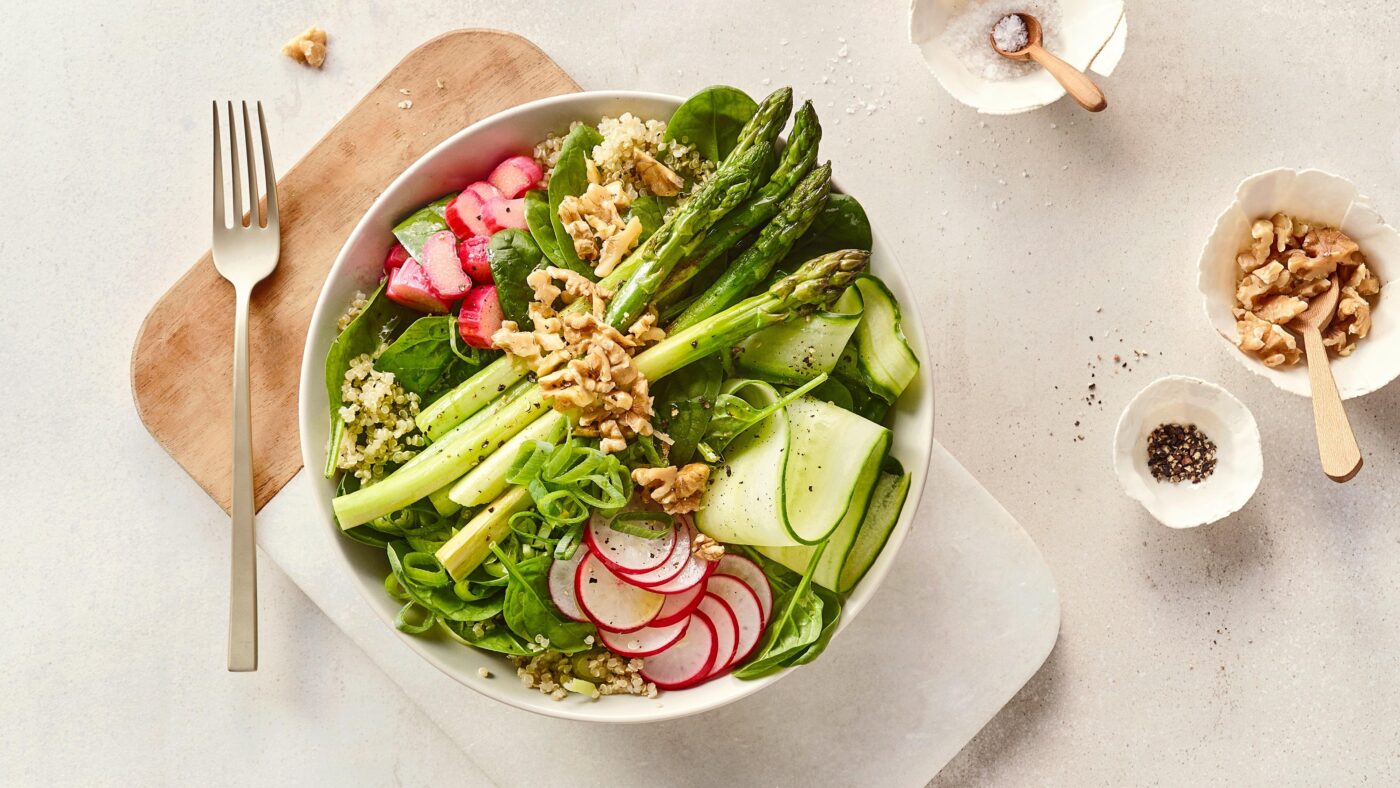
Spring is a season of renewal. As temperatures gradually rise, daylight hours lengthen, and fresh vegetables become more widely available, many people feel motivated to refresh their daily routines and eating habits.
In traditional Chinese wellness philosophy, spring represents growth, movement, and renewal. The Huangdi Neijing (Yellow Emperor’s Inner Canon) describes spring as a time when nature awakens and living things begin to flourish.
This traditional perspective encourages people to observe seasonal changes and adapt their lifestyles accordingly.
Modern nutrition offers a complementary, evidence-based approach. Rather than relying on the idea that particular foods can directly regulate seasonal energy or cure disease, it emphasizes adequate nutrition, dietary variety, hydration, food safety, and appropriate management of existing health conditions.
Spring provides an excellent opportunity to improve nutritional habits, particularly for older adults who may be managing reduced appetite, chronic conditions, or changes in physical activity.
1. Why Spring Is a Good Time to Improve Your Diet
The transition from winter to spring can bring substantial changes in temperature, daily activity, sunlight exposure, and food availability.
These changes may influence appetite, exercise habits, and meal preferences.
However, the body does not automatically require a high-calorie diet simply because early spring mornings remain cold.
Energy requirements depend on body size, age, activity level, environmental exposure, and overall health.
For someone working outdoors in cold conditions, energy expenditure may increase. For someone living in a temperature-controlled environment, seasonal changes in calorie needs may be relatively small.
A balanced spring diet should provide enough energy without encouraging unnecessary overconsumption.
The central goal is nutritional adequacy rather than eating more for the sake of seasonal nourishment.
Balancing Energy and Nutrient Intake
Whole grains, legumes, vegetables, fruits, protein-rich foods, and unsaturated fats form the basis of a nutritious eating pattern.
Foods such as oats, brown rice, soybeans, walnuts, sesame seeds, and peanuts can contribute energy and important nutrients.
Nuts and seeds provide healthy fats, protein, and minerals, but their concentrated energy content makes portion awareness useful.
People who are undernourished, recovering from illness, or experiencing unintentional weight loss may require additional energy and protein. Such needs should be assessed individually rather than attributed to spring itself.
2. Protein: Supporting Muscle Strength and Recovery
Protein plays an essential role in tissue maintenance, muscle function, immune processes, and recovery from illness.
Older adults deserve particular attention because insufficient protein intake, especially when combined with physical inactivity, can contribute to declining muscle mass and strength.
Useful protein sources include eggs, fish, poultry, lean meat, tofu, tempeh, milk, yogurt, beans, and lentils.
Many of these foods also supply vitamins and minerals needed for normal physiological function.
Does Methionine Improve Cold Resistance?
Methionine is one of the nine essential amino acids required for human health.
It participates in protein synthesis and several important metabolic pathways.
Although methionine is nutritionally essential, there is insufficient clinical evidence that eating additional methionine-rich foods specifically improves resistance to cold temperatures or prevents seasonal infections.
Meeting overall protein needs is more important than increasing a single amino acid in an otherwise adequate diet.
Practical Protein Choices for Spring
A simple spring meal might combine steamed fish with green vegetables and brown rice.
Another option is tofu with mushrooms, peas, and whole grains.
Eggs with vegetables and whole-grain toast provide a convenient breakfast.
These meals can help maintain dietary variety without relying on expensive nutritional supplements.
3. Vitamins and Minerals for Normal Immune Function
The immune system requires adequate nutrition to function normally.
Several nutrients, including vitamins A, C, D, and E, as well as zinc and other minerals, contribute to normal immune processes.
However, no ordinary food or vitamin can guarantee protection against viral or bacterial infection.
Correcting a nutritional deficiency is important, but taking excessive amounts of vitamins does not necessarily improve immune function in someone who already has adequate nutritional status.
Vitamin C
Vitamin C contributes to normal immune function, collagen synthesis, and antioxidant processes.
Good dietary sources include citrus fruits, kiwifruit, bell peppers, broccoli, and other vegetables and fruits.
Vitamin C deficiency can impair health, but consuming large quantities of vitamin C does not reliably prevent all respiratory infections.
Vitamin A and Carotenoids
Vitamin A supports normal vision, immune function, and the maintenance of epithelial tissues.
Carrots, leafy greens, sweet potatoes, and other colorful vegetables contain carotenoids, some of which the body can convert into vitamin A.
Preformed vitamin A is also found in certain animal foods.
High-dose vitamin A supplements can be harmful and should not be used without a clear indication.
Vitamin E
Vitamin E contributes to the protection of cells from oxidative damage and supports normal immune function.
Nuts, seeds, and vegetable oils are common sources.
There is no strong justification for routinely taking high-dose vitamin E supplements to prevent seasonal illness.
Zinc and Other Minerals
Zinc supports immune function, wound healing, and cellular metabolism.
Seafood, meat, beans, nuts, seeds, and whole grains provide dietary zinc.
An appropriate mix of foods generally offers a safer nutritional foundation than indiscriminate high-dose supplementation.
4. Traditional Chinese Spring Eating: Cultural Wisdom and Modern Interpretation
Traditional Chinese dietary guidance sometimes recommends adjusting food choices according to seasonal characteristics.
One classical principle advises reducing excessively sour flavors and emphasizing naturally sweet foods during spring, reflecting the historical relationship between seasonal changes and traditional concepts of liver and spleen function.
These concepts belong to a distinct system of traditional medical theory.
Modern anatomy and physiology do not establish that eating sour foods during spring increases liver activity or directly weakens the spleen.
For most healthy individuals, there is no reason to avoid nutritious sour foods such as citrus fruits or plain yogurt simply because it is spring.
Likewise, traditional references to sweetness should not be interpreted as a recommendation to consume extra sugar.
Naturally sweet foods such as fruit, pumpkin, and sweet potatoes can fit into a balanced diet, while excessive added sugar remains undesirable throughout the year.
Light Meals Without Unnecessary Restrictions
Spring meals can emphasize vegetables, legumes, whole grains, and moderate amounts of healthy fats.
Cooking methods such as steaming, simmering, roasting, and light stir-frying can help create varied, satisfying dishes.
However, raw vegetables, chilled foods, and spicy seasonings are not universally harmful.
Food tolerance depends on the individual.
People with digestive symptoms may benefit from modifying food texture, meal size, and seasoning according to personal experience and medical guidance.
5. Seasonal Vegetables and Wild Greens: Nutrition and Safety
Spring often introduces tender greens and seasonal vegetables.
Good choices may include bok choy, spinach, asparagus, peas, broccoli, and other locally available produce.
These foods contribute fiber, vitamins, minerals, and diverse plant compounds.
Wild greens also feature prominently in traditional spring cuisine.
However, wild plants should never be eaten unless they have been positively identified as edible and collected from a safe, uncontaminated environment.
Some poisonous plants resemble edible varieties.
Plants gathered near roads, industrial areas, or locations treated with pesticides may contain harmful contaminants.
Purchased vegetables from reliable suppliers are generally the safer choice when plant identification is uncertain.
Frozen vegetables can also be nutritious and practical when fresh produce is unavailable or expensive.
6. Spring Nutrition for Older Adults
Older adults may face nutritional challenges that deserve attention throughout the year.
Reduced appetite, difficulty chewing, limited mobility, chronic illnesses, and certain medications can make it harder to maintain adequate dietary intake.
Spring can provide an opportunity to review meal routines and address these challenges.
Prioritize Nutrient-Dense Foods
Nutrient-dense foods supply protein, vitamins, minerals, and other important nutrients relative to their energy content.
Useful choices include fish, eggs, dairy products, fortified alternatives, tofu, beans, vegetables, fruits, and whole grains.
Adapt Food Texture When Necessary
For individuals with chewing difficulties, cooked vegetables, soft tofu, yogurt, oatmeal, and tender protein foods may be easier to eat.
Persistent swallowing problems require professional assessment because they can increase the risk of choking and aspiration.
Support Muscle and Bone Health
Adequate protein, calcium, vitamin D, and physical activity contribute to muscle and bone health.
Gentle walking, balance training, and appropriately adapted resistance exercise may complement nutritional improvements.
Maintain Hydration
Cool weather does not eliminate the need for adequate fluids.
Water, unsweetened beverages, soups, and water-containing foods can contribute to hydration.
Individuals with heart failure, advanced kidney disease, or prescribed fluid restrictions should follow their individualized care plans.
7. Is Spring the Right Time for Nutritional Supplements?
Traditional spring health practices sometimes emphasize special tonics or restorative foods.
From a modern medical perspective, nutritional support is most useful when it addresses an identifiable need.
An older adult recovering from illness may benefit from a diet that provides sufficient energy, protein, and micronutrients.
Someone experiencing unintentional weight loss or persistent fatigue may need evaluation for underlying illness, medication effects, or nutritional deficiencies.
Supplements are not a substitute for diagnosis.
Foods such as buckwheat, barley, red beans, walnuts, sesame seeds, apples, and pears can contribute to a varied diet, but they should not be described as proven treatments for conditions such as anemia, asthma, chronic fatigue, or immune disorders.
The most appropriate approach is to improve the overall dietary pattern and seek individualized support when health problems are present.
8. Spring Health Concerns: What Diet Can and Cannot Do
Seasonal changes sometimes coincide with allergies, respiratory symptoms, changes in blood pressure, or digestive discomfort.
Nutrition can support overall health, but it cannot replace effective medical treatment.
Blood Pressure and Springtime Weather
Blood pressure can vary in response to temperature, physical activity, stress, medication use, and other factors.
Although some people experience seasonal changes in blood pressure, spring does not inevitably cause hypertension.
A dietary pattern rich in vegetables, fruits, whole grains, legumes, and appropriate protein sources can help support cardiovascular health.
The DASH dietary pattern is an established approach to improving blood pressure management.
Potassium-rich foods such as bananas, oranges, potatoes, beans, and leafy greens can contribute to a healthy dietary pattern.
However, eating bananas alone is not a treatment for hypertension.
Traditional remedies such as banana-peel tea, celery decoctions, or vinegar-soaked peanuts have not been established as reliable substitutes for blood pressure medication.
People with kidney disease or medications that affect potassium levels should seek guidance before substantially increasing potassium intake or using potassium supplements.
Regular blood pressure monitoring and adherence to prescribed treatment remain important.
Stomach and Duodenal Ulcers
Peptic ulcers are commonly associated with Helicobacter pylori infection or the use of nonsteroidal anti-inflammatory medicines such as ibuprofen and naproxen.
A special spring diet has not been shown to prevent or cure peptic ulcers.
Traditional preparations involving large quantities of honey, cabbage juice, milk, or medicinal herbs should not replace diagnosis and treatment.
Effective medical care may involve acid-suppressing medicines, treatment for H. pylori, and modification of ulcer-related medication risks.
Individual foods can be adjusted for comfort, but unnecessary restrictions on beans, vegetables, or ordinary protein foods are generally not required to heal an ulcer.
Symptoms such as vomiting blood, black stools, sudden severe abdominal pain, or fainting require urgent medical attention.
Chronic Bronchitis and Respiratory Symptoms
Coughing and respiratory discomfort may worsen during certain seasons because of pollen exposure, air pollution, respiratory infections, or weather changes.
Chronic bronchitis can have several causes, including long-term exposure to tobacco smoke and other inhaled irritants.
Maintaining adequate nutrition and hydration can support general health during respiratory illness.
Warm soup, fruit, and other comfortable foods may be helpful for maintaining fluid and energy intake.
Honey may offer limited symptomatic relief for some coughs in certain circumstances, but it is not a treatment for chronic bronchitis and should never be given to infants younger than one year.
No reliable evidence shows that eating pears, lotus seeds, walnuts, or other traditional foods can cure chronic bronchitis.
Likewise, fish and meat do not inherently produce pathological mucus simply because they are consumed.
Persistent cough, wheezing, shortness of breath, or worsening respiratory symptoms require appropriate medical assessment.
People with asthma, chronic obstructive pulmonary disease, or other established respiratory conditions should follow their prescribed management plans.
9. A Practical Spring Meal Plan
The following example illustrates how seasonal foods can fit into a balanced daily eating pattern.
Breakfast
Oatmeal topped with berries and walnuts, accompanied by plain yogurt or a fortified soy alternative.
This meal provides carbohydrates, fiber, protein, and unsaturated fats.
Lunch
Steamed fish or tofu with brown rice, bok choy, and mushrooms.
The combination provides protein, vegetables, and a substantial source of dietary energy.
Afternoon Snack
A whole apple or orange with a small portion of unsalted nuts.
Snacks are optional and should reflect appetite and overall energy requirements.
Dinner
A vegetable and lentil soup served with whole-grain bread, or a meal of chicken, peas, and roasted vegetables.
Portion sizes should be adjusted to individual nutritional needs.
Older adults who struggle with appetite may benefit from smaller, more frequent meals rather than relying on three large meals.
10. Simple Habits for Better Spring Wellness
Healthy seasonal living extends beyond the foods on the plate.
Consistent sleep schedules, regular physical activity, appropriate hydration, and stress management all contribute to well-being.
Spending time outdoors can support activity and enjoyment, although people with allergies should consider local pollen conditions.
Food safety also remains important as temperatures rise.
Perishable foods should be stored appropriately, and fresh produce should be washed before preparation.
For people with chronic medical conditions, spring is a useful time to review health routines without making unproven seasonal changes to prescribed treatment.
Frequently Asked Questions
What are the best foods to eat in spring?
Vegetables, fruits, whole grains, beans, nuts, seeds, and quality protein sources are excellent choices. Seasonal produce can add variety, but no single spring food is essential for everyone.
Should older adults eat more protein in spring?
Older adults should maintain adequate protein intake throughout the year. Additional protein may be appropriate in some circumstances, but needs depend on body size, activity, nutritional status, and medical conditions.
Can vitamin C prevent spring colds?
Vitamin C supports normal immune function, but consuming large amounts does not reliably prevent all respiratory infections.
Is it necessary to avoid sour foods in spring?
No. Avoiding sour foods is not a requirement of modern nutritional science. Nutritious foods such as citrus fruits and plain yogurt can be included according to individual tolerance.
Can bananas or celery juice treat high blood pressure?
No. These foods may contribute useful nutrients, but they are not substitutes for blood pressure monitoring, appropriate lifestyle changes, or prescribed treatment.
Does honey cure stomach ulcers?
No. Honey has not been established as a reliable treatment for peptic ulcers. Effective treatment depends on identifying and managing causes such as H. pylori infection or medication-related injury.
Are traditional spring tonics necessary?
Most healthy adults do not need special seasonal tonics. A balanced diet provides a more reliable foundation for maintaining nutritional health.
Conclusion
Spring offers an opportunity to renew healthy routines and enjoy a wider variety of nutritious foods.
Traditional Chinese wellness philosophy encourages people to remain attentive to seasonal rhythms, while modern nutrition emphasizes sufficient energy, quality protein, healthy fats, fiber-rich carbohydrates, and essential vitamins and minerals.
For older adults, maintaining adequate nutrition, hydration, muscle strength, and appropriate management of chronic conditions is particularly important.
Seasonal vegetables, fresh fruits, whole grains, legumes, and simple balanced meals can form the foundation of an enjoyable spring diet.
The most effective spring nutrition strategy is not to rely on restrictive food rules or traditional remedies for disease prevention. It is to build sustainable habits that support health throughout the year.
References and Further Reading
- World Health Organization. Healthy Diet. Updated 2026.
https://www.who.int/news-room/fact-sheets/detail/healthy-diet - American Heart Association. How Potassium Can Help Control High Blood Pressure.
https://www.heart.org/en/health-topics/high-blood-pressure/changes-you-can-make-to-manage-high-blood-pressure/how-potassium-can-help-control-high-blood-pressure/ - National Institute of Diabetes and Digestive and Kidney Diseases. Treatment for Peptic Ulcers (Stomach or Duodenal Ulcers).
https://www.niddk.nih.gov/health-information/digestive-diseases/peptic-ulcers-stomach-ulcers/treatment - National Institute of Diabetes and Digestive and Kidney Diseases. Eating, Diet, & Nutrition for Peptic Ulcers.
https://www.niddk.nih.gov/health-information/digestive-diseases/peptic-ulcers-stomach-ulcers/eating-diet-nutrition - American Heart Association. A Primer on Potassium.
https://www.heart.org/en/healthy-living/healthy-eating/eat-smart/sodium/potassium
Editorial Note: Traditional Chinese wellness concepts are discussed as cultural and historical perspectives. Their inclusion does not establish clinical effectiveness.
Educational content only. Not medical advice.


Spring Vegetables

Protein-Rich Spring Meals
This article is for general education and does not replace individualized care from a qualified health professional. Seek appropriate advice for persistent, severe, or concerning symptoms.
Read the full medical disclaimer

