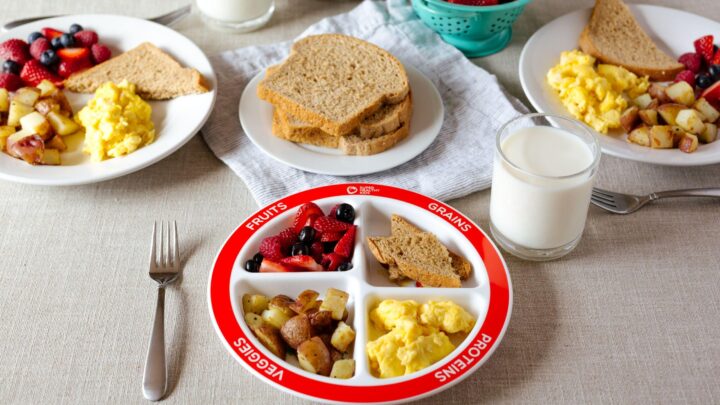
Period nutrition plays an important role in supporting menstrual health, energy levels, and overall well-being. During menstruation, some people experience cramps, fatigue, bloating, or changes in appetite, while others notice few symptoms. A balanced diet containing adequate iron, protein, calcium, and other essential nutrients can support general health throughout the menstrual cycle. This evidence-informed guide explores nine practical nutrition and self-care strategies, explains common period food myths, and highlights when menstrual symptoms deserve medical attention.Discover what to eat during menstruation, how iron and other nutrients support your body, which foods may help with comfort, and how to manage period symptoms without unnecessary dietary restrictions.
Menstruation is a normal biological process, but the experience can vary considerably from person to person. Some people notice little change in their energy or appetite, while others experience menstrual cramps, fatigue, bloating, headaches, digestive discomfort, or changes in mood.
These symptoms can raise questions about nutrition.
Should you eat more iron-rich foods during your period? Can cold drinks worsen menstrual cramps? Are spicy foods harmful? Do you need special supplements to replace menstrual blood loss?
The answers are often more straightforward than traditional dietary rules suggest.
Nutrition during your period is primarily about maintaining a balanced, satisfying diet, meeting your body’s nutritional needs, and addressing symptoms that affect your well-being.
There is no compelling evidence that everyone who menstruates must avoid cold foods, consume specific warming ingredients, or follow a strict menstrual diet.
Certain nutrients, particularly iron, deserve attention because menstrual blood loss can contribute to iron deficiency. But for most people, the best foundation is a varied diet throughout the entire menstrual cycle rather than intensive supplementation on a few selected days.
This guide explores the physiology of menstruation, nine practical nutrition and lifestyle strategies, and the warning signs that may indicate a need for medical assessment.
Understanding Menstruation: What Happens During Your Period?
The menstrual cycle is regulated by interactions between the hypothalamus, pituitary gland, ovaries, and uterus.
Hormonal changes help regulate ovarian follicle development, ovulation, and the growth and shedding of the uterine lining.
During a cycle in which pregnancy does not occur, changes in reproductive hormone levels cause the uterine lining to break down and leave the body through the vagina.
This process is called menstruation.
Menstrual fluid contains blood, endometrial tissue, mucus, and other components.
Menstruation is not the body releasing toxins or unhealthy blood. It is a normal physiological process.
When does menstruation begin?
The first menstrual period, called menarche, usually occurs after other signs of puberty have already begun.
In many populations, menstruation starts around ages 12–13, although variation is common.
The American College of Obstetricians and Gynecologists (ACOG) recommends evaluation when menstruation has not begun by age 15 or within approximately three years of breast development.
What is a normal menstrual cycle?
A cycle is counted from the first day of one menstrual period to the first day of the next.
Typical cycle lengths differ by age and stage of reproductive development.
| Menstrual characteristic | General reference |
|---|---|
| Adult cycle length | Often approximately 21–35 days |
| Adolescent cycle length | Typically 21–45 days |
| Menstrual bleeding duration | Usually 2–7 days |
| Timing of first period | Commonly around ages 12–13 |
| Early adolescent cycles | May be irregular during the first few years |
These are general reference ranges, not strict rules that define every individual’s health.
ACOG emphasizes that adolescent menstrual cycles are often more variable than adult cycles and that changes in bleeding patterns sometimes warrant assessment.
How much blood is normally lost during menstruation?
Average menstrual blood loss is often estimated at around 30–40 milliliters per cycle, although individual variation is substantial.
Historically, blood loss exceeding approximately 80 milliliters per cycle has often been used as a research definition of heavy menstrual bleeding.
In everyday healthcare, however, menstrual volume is difficult to measure accurately.
A more useful approach is to consider bleeding duration, the frequency of menstrual product changes, symptoms of anemia, and how much bleeding interferes with normal activities.
For example, routinely soaking menstrual products every one to two hours or bleeding for longer than seven days should prompt medical assessment.
1. Eat a Balanced Diet Throughout Your Menstrual Cycle
One of the most common misconceptions about menstrual nutrition is that the body requires a completely different diet during menstruation.
In reality, there is no universal menstrual meal plan that everyone needs to follow.
Nutritional needs depend on age, physical activity, health conditions, dietary pattern, and individual circumstances.
During menstruation, some people experience lower appetite, while others notice increased hunger or specific food cravings.
These experiences are not necessarily signs that something is wrong.
Build meals around nutritional variety
A balanced meal may contain a combination of:
- Vegetables and fruits for fiber, vitamins, and minerals.
- Whole grains or other carbohydrate-rich foods for energy.
- Protein-rich foods such as fish, eggs, tofu, beans, poultry, or lean meat.
- Dietary fats from foods such as nuts, seeds, olive oil, or avocado.
- Appropriate calcium-containing foods, including dairy products or fortified alternatives.
The goal is to maintain nutritional adequacy without creating unnecessary restrictions.
Do you need to eat extra food during menstruation?
Not necessarily.
Energy expenditure may change modestly across the menstrual cycle, but the size and timing of those changes vary between individuals.
There is no evidence-based requirement for everyone to increase calorie intake by a fixed amount during their period.
Instead, respond to appetite and hunger while maintaining regular access to adequate food.
People who experience reduced appetite may find smaller, more frequent meals easier to manage.
2. Prioritize Iron-Rich Foods to Support Healthy Blood Levels
Iron is one of the most relevant nutrients to consider in menstrual health.
It is an essential component of hemoglobin, the protein in red blood cells that transports oxygen throughout the body.
Menstrual blood loss contributes to iron requirements, especially among people with heavy periods.
If iron intake and body stores become insufficient, iron deficiency may develop.
More severe deficiency can lead to iron deficiency anemia.
How much iron do women need?
According to U.S. National Institutes of Health dietary reference values:
| Group | Recommended dietary iron |
|---|---|
| Girls aged 9–13 | 8 mg/day |
| Girls aged 14–18 | 15 mg/day |
| Adults aged 19–50 who menstruate | 18 mg/day |
| Adults aged 51 and older | 8 mg/day |
| Pregnancy | 27 mg/day |
These values represent the recommended total daily intake, not the amount of iron that must be replaced after each menstrual period.
Recommendations may differ for pregnancy, breastfeeding, certain medical conditions, and different national dietary standards.
Animal-based sources of iron
Animal foods such as lean meat, poultry, and seafood provide iron, including the more readily absorbed heme form.
These foods can contribute to meeting iron needs but are not essential for everyone.
Plant-based sources of iron
Plant-based options include lentils, chickpeas, beans, tofu, leafy greens, pumpkin seeds, and fortified breakfast cereals.
Plant foods generally contain nonheme iron, which is absorbed less efficiently than heme iron.
However, a carefully planned vegetarian or vegan diet can provide adequate iron.
Improve iron absorption with vitamin C
Vitamin C can enhance the absorption of nonheme iron.
Practical combinations include lentils with tomatoes, beans with bell peppers, tofu with broccoli, or iron-fortified cereal with berries.
These combinations can help support iron intake without relying on supplements.
Should everyone take iron tablets during menstruation?
No.
Routine iron supplementation is not necessary for everyone who menstruates.
Too much supplemental iron can cause gastrointestinal symptoms and, in excessive amounts, serious toxicity.
Someone experiencing heavy bleeding, persistent fatigue, pallor, dizziness, or reduced exercise tolerance may need assessment for iron deficiency.
Healthcare professionals may use a complete blood count and ferritin testing to evaluate anemia and iron stores.
Iron supplementation should be individualized according to clinical findings.
3. Include Calcium and Vitamin D for Bone Health
Calcium and vitamin D are essential for skeletal health and normal physiological functioning.
Their importance extends well beyond menstruation.
Calcium contributes to muscle and nerve function, while vitamin D helps regulate calcium absorption.
Foods that provide calcium
Good sources include milk, yogurt, cheese, calcium-set tofu, fortified plant beverages, and certain vegetables.
People who avoid dairy can obtain calcium through suitable fortified or naturally calcium-containing alternatives.
Vitamin D sources
Vitamin D can be obtained from certain fortified foods, oily fish, and supplements when indicated.
Sunlight exposure can contribute to vitamin D production, but excessive ultraviolet exposure is not recommended as a health strategy.
Can calcium supplements relieve menstrual symptoms?
Some studies have examined calcium supplementation for premenstrual symptoms, but results are not sufficiently consistent to justify recommending high-dose supplements to everyone.
Meeting normal calcium requirements remains important regardless of menstrual symptoms.
Supplementation may be considered when dietary intake is inadequate or a healthcare professional identifies an appropriate reason.
4. Choose Magnesium-Rich Foods as Part of a Varied Diet
Magnesium supports normal muscle function, nerve signaling, and numerous metabolic processes.
It is found in nuts, seeds, legumes, whole grains, and leafy vegetables.
Research has examined magnesium supplements for menstrual cramps and premenstrual symptoms, but evidence remains limited and inconsistent.
There is not enough reliable evidence to conclude that magnesium supplementation consistently prevents menstrual pain.
Nevertheless, including magnesium-containing foods is consistent with a nutritious dietary pattern.
Is more magnesium always better?
No.
Excess magnesium from supplements can cause diarrhea and other adverse effects.
High doses may be especially risky for people with impaired kidney function.
Food sources are generally a reasonable starting point for healthy individuals.
5. Stay Hydrated Without Following Rigid Drinking Rules
Fluid needs depend on body size, activity level, temperature, diet, and individual health.
There is no universal requirement to drink an extra fixed quantity of water simply because menstruation has begun.
Some people feel bloated during their menstrual cycle.
Others experience headaches, fatigue, or constipation that can become more uncomfortable when hydration is inadequate.
Drinking fluids regularly and adjusting intake to thirst and circumstances is generally sensible.
Are warm drinks better than cold drinks?
Warm beverages may feel soothing for someone experiencing cramps or abdominal discomfort.
However, there is no convincing clinical evidence that cold drinks or ice cream stop menstrual blood from flowing normally or directly cause menstrual disorders.
The temperature of a drink does not determine whether the uterus can shed its lining.
People can generally choose beverages based on comfort, preference, and individual digestive tolerance.
If a particular cold drink worsens someone’s gastrointestinal discomfort, avoiding it may be reasonable.
That is different from claiming that cold foods are medically harmful during menstruation.
6. Understand Food Cravings and Digestive Changes
Hormonal fluctuations across the menstrual cycle may influence appetite, food preferences, and gastrointestinal symptoms.
Some people notice stronger cravings for sweet or salty foods before their periods.
Others experience nausea, diarrhea, constipation, or abdominal bloating.
These changes are not necessarily signs of nutritional deficiency.
Should you avoid spicy or sour foods?
There is no strong clinical evidence that spicy or sour foods directly cause excessive menstrual bleeding.
However, spicy meals can worsen heartburn, diarrhea, or abdominal discomfort in some individuals.
If a particular food consistently aggravates your symptoms, adjusting your intake may improve comfort.
Otherwise, there is no reason to eliminate an entire category of food solely because you are menstruating.
What about sugar and salty foods?
A high-sodium meal may worsen perceived bloating in some people.
Large amounts of added sugar can displace more nutrient-dense foods when they dominate the diet, but occasional desserts do not need to be prohibited during menstruation.
Choose foods that are satisfying and provide adequate nutrition.
Can caffeine make symptoms worse?
Caffeine affects individuals differently.
Some people find that excessive caffeine worsens anxiety, sleep difficulties, or breast tenderness.
Reducing intake may be reasonable when these symptoms occur.
However, complete caffeine avoidance is not a universal menstrual health requirement.
Adolescents should be particularly cautious with high-caffeine drinks and energy products.
7. Use Safe, Evidence-Based Strategies for Menstrual Cramps
Menstrual cramps, or dysmenorrhea, commonly occur just before or during menstrual bleeding.
They are influenced by prostaglandins, substances involved in uterine contractions.
These contractions help shed the uterine lining but may also cause pain in the lower abdomen, back, or thighs.
Mild cramps are common.
Severe pain that interferes with school, work, sleep, or normal activities should not simply be accepted as inevitable.
Heat therapy
A heating pad or warm-water bottle wrapped in fabric and applied to the lower abdomen may help reduce menstrual discomfort.
Avoid excessive temperatures or falling asleep with an unsafe heating device.
Gentle exercise
Walking, cycling, yoga, or other comfortable movement may help some people manage cramps.
There is no general medical requirement to avoid exercise during menstruation.
Activity can be adjusted according to symptoms, fatigue, and personal preference.
Pain-relieving medicines
Nonsteroidal anti-inflammatory drugs (NSAIDs), such as ibuprofen, can reduce prostaglandin production and are commonly used for menstrual pain when medically appropriate.
However, these medicines may be unsuitable for people with certain medical conditions or medication interactions, including some gastrointestinal, kidney, bleeding, or pregnancy-related circumstances.
Follow package directions and consult a healthcare professional when uncertain.
The NHS identifies heat, gentle movement, and appropriate pain relief among commonly recommended measures for menstrual discomfort.
When cramps are not normal
Severe or progressively worsening menstrual pain can sometimes be associated with conditions such as endometriosis, adenomyosis, or uterine fibroids.
Pain that does not respond to usual treatments, occurs outside menstruation, or causes substantial disruption deserves assessment.
When pelvic pain is an emergency
Seek emergency care for sudden, severe pelvic pain accompanied by fainting, significant bleeding, or other serious symptoms. Severe one-sided pelvic pain, particularly when pregnancy is possible, requires urgent evaluation to exclude conditions such as ectopic pregnancy.
8. Support Menstrual Health With Sleep, Movement, and Stress Management
Nutrition is only one aspect of menstrual well-being.
Adequate sleep, suitable physical activity, emotional support, and access to healthcare also matter.
Sleep and fatigue
Some people report poorer sleep quality before or during menstruation.
Sleep disruption may worsen fatigue, pain sensitivity, and emotional functioning.
Maintaining a consistent sleep schedule, creating a comfortable sleeping environment, and avoiding excessive late-evening caffeine may be helpful.
Persistent or severe fatigue should not automatically be attributed to menstrual hormones.
Heavy bleeding, iron deficiency, sleep disorders, and other medical conditions may need consideration.
Physical activity
Regular, enjoyable exercise contributes to cardiovascular fitness, musculoskeletal health, and general well-being.
It is usually safe to continue normal exercise during menstruation when feeling well.
There is no evidence-based need for routine bed rest during an uncomplicated period.
Emotional changes
Some individuals experience irritability, sadness, anxiety, or increased emotional sensitivity before menstruation.
These experiences vary, and menstruation should not be treated as a condition that necessarily causes emotional instability.
Persistent symptoms that significantly affect daily functioning may warrant evaluation for premenstrual syndrome (PMS), premenstrual dysphoric disorder (PMDD), or another health condition.
9. Be Cautious With Herbal Remedies and Menstrual Supplements
Traditional dietary and herbal practices are often promoted for menstrual health.
Examples include red dates, longan, ginger drinks, brown sugar beverages, angelica root (Angelica sinensis), and motherwort (Leonurus species).
Some of these foods can be included in an ordinary diet according to personal preference.
However, foods and medicinal herbs should not be treated as equivalent.
Do red dates or brown sugar replace menstrual blood loss?
Red dates and brown sugar provide certain nutrients or energy, but neither has been shown to rapidly restore hemoglobin or correct iron deficiency anemia.
Brown sugar is primarily a source of sugar rather than a clinically effective iron treatment.
If iron deficiency is present, the important steps are to identify its cause, ensure appropriate nutritional intake, and use medically indicated treatment.
Can herbal preparations regulate menstruation?
Certain herbs have a history of use in traditional medical systems.
However, evidence for many specific menstrual claims remains limited.
Herbal preparations may contain biologically active compounds and can cause adverse effects, interact with medications, or be unsafe during pregnancy.
A delayed period should never automatically be treated with herbs intended to stimulate uterine activity, particularly when pregnancy is possible.
Can food help with menstrual comfort?
Yes, indirectly.
Warm meals, adequate hydration, familiar foods, regular eating, and sufficient energy intake may improve comfort and general well-being.
But there is no single food or herbal formula proven to normalize every menstrual cycle, prevent all cramps, or replace treatment for heavy bleeding.
A Practical Period-Friendly Meal Plan
The following example emphasizes iron-rich foods, protein, dietary variety, and practical meal preparation.
It is not a treatment plan or a recommendation to increase food intake beyond individual needs.

Breakfast
Oatmeal with yogurt or fortified soy milk, strawberries, and pumpkin seeds.
Provides energy, protein, fiber, and a combination of iron-containing foods with vitamin C.

Lunch
A lentil and whole-grain bowl with leafy vegetables, bell peppers, and tofu or chicken.
Combines iron-containing foods with vitamin C-rich vegetables and protein.

Snack
Fruit with nuts, yogurt, or another satisfying snack.
Helps maintain regular nourishment when appetite and schedules vary.

Dinner
Baked fish or beans with brown rice, broccoli, and roasted vegetables.
Contributes protein, micronutrients, and overall dietary variety.
Portion sizes, meal timing, and additional snacks should reflect hunger, activity, individual nutritional requirements, and health status.
Vegetarian and vegan alternatives can be used when carefully planned to provide adequate nutrients.
How to Recognize Heavy Menstrual Bleeding
Menstrual bleeding patterns vary, but certain symptoms should prompt evaluation.
| Symptom or pattern | Why it matters |
|---|---|
| Bleeding longer than seven days | May indicate abnormal or heavy menstrual bleeding |
| Soaking a pad or tampon approximately every hour for several hours | Suggests potentially significant blood loss |
| Passing large blood clots repeatedly | May occur with heavy bleeding |
| Fatigue, dizziness, pallor, or shortness of breath | May indicate iron deficiency or anemia |
| A substantial change in the usual bleeding pattern | May warrant investigation |
| Frequent bleeding between periods | Can reflect hormonal or other medical conditions |
The CDC identifies prolonged bleeding, frequent menstrual product changes, and interference with daily activities as important features of heavy menstrual bleeding.
What causes heavy menstrual bleeding?
Possible causes include ovulatory dysfunction, uterine fibroids, adenomyosis, bleeding disorders, and certain medications.
In adolescents, irregular ovulation is common, but an underlying bleeding disorder is an important consideration, particularly when heavy bleeding begins with the first menstrual periods.
Pregnancy-related bleeding must also be considered when relevant.
Healthcare professionals may recommend blood tests, pregnancy testing when appropriate, or additional investigations based on age and symptoms.
When to seek emergency help
Heavy bleeding accompanied by fainting, marked dizziness, severe weakness, chest discomfort, or difficulty breathing warrants urgent or emergency evaluation.
If bleeding is very heavy and ongoing, do not delay medical attention while attempting dietary or herbal treatment.
Menstrual Nutrition: Common Myths and Medical Facts
| Common belief | Evidence-informed explanation |
|---|---|
| Cold drinks stop menstrual blood from flowing | No convincing clinical evidence supports this claim |
| Spicy food automatically causes heavier periods | Not established; individual digestive discomfort can occur |
| Everyone needs iron supplements during menstruation | Supplements are appropriate for selected individuals, not universally |
| Brown sugar drinks rapidly replace menstrual blood | No reliable evidence supports this as an anemia treatment |
| Menstruation requires complete rest | Gentle or normal physical activity is generally safe when comfortable |
| Every irregular period means disease | Some variability is normal, especially during early adolescence |
| Severe period pain should always be tolerated | Significant or worsening pain deserves medical assessment |
| Herbal medicines are always safe because they are natural | Herbal products can cause side effects, toxicity, and drug interactions |
Frequently Asked Questions
What should I eat during my period?
Eat a varied, balanced diet that includes sufficient energy, protein, vegetables, fruits, whole grains, iron-rich foods, and healthy fats. There is no universal menstrual diet that everyone needs to follow.
Should I eat more iron-rich foods during menstruation?
Iron-rich foods are valuable throughout the menstrual cycle, particularly for people with heavy periods. A healthcare professional can determine whether iron testing or supplementation is needed.
Can I drink cold water during my period?
Yes. Cold water does not prevent normal menstrual blood flow. Choose a comfortable beverage temperature based on personal preference and digestive tolerance.
Should I avoid spicy foods during menstruation?
Not necessarily. Spicy food has not been established as a direct cause of heavy menstrual bleeding, although it may aggravate digestive symptoms in some individuals.
Which foods help reduce menstrual cramps?
No specific food reliably eliminates menstrual cramps. Balanced nutrition supports general well-being, while heat therapy, appropriate physical activity, and certain pain-relieving medications have more direct evidence for relieving period pain.
Does menstruation weaken the immune system?
The menstrual cycle involves hormonal and immunological changes, but menstruation itself should not be described as a general state of immune deficiency.
Can I exercise during my period?
Yes. Most people can continue ordinary physical activity during menstruation, adjusting intensity according to symptoms and personal comfort.
When should I see a doctor about heavy periods?
Seek assessment if bleeding lasts longer than seven days, requires frequent menstrual product changes, causes significant fatigue or dizziness, or repeatedly interferes with normal daily activities.
Final Thoughts: Menstrual Health Is About Balance, Not Restriction
Menstruation is a normal biological process, not an illness that requires strict dietary rules or routine medicinal supplementation.
A healthy nutritional approach emphasizes consistent access to nourishing foods, adequate iron intake, appropriate hydration, and individual comfort.
Most people do not need to avoid cold foods, eliminate spices, consume special warming tonics, or dramatically change their diet during menstruation.
At the same time, significant symptoms deserve attention.
Heavy menstrual bleeding can contribute to iron deficiency.
Severe cramps may require medical treatment.
Persistent menstrual irregularities can sometimes indicate underlying health conditions.
Understanding these distinctions helps people avoid unnecessary restrictions while recognizing when professional care may be beneficial.
The best menstrual nutrition plan is not a collection of prohibitions. It is a sustainable pattern of eating that supports health, comfort, and individual needs throughout the entire menstrual cycle.
References and Further Reading
- ACOG — Menstruation in Girls and Adolescents: Using the Menstrual Cycle as a Vital Sign.Clinicalguidanceonmenarche,cyclelength,andabnormalbleeding.
- ACOG — Heavy and Abnormal Periods.Patienteducationonnormalandabnormalmenstrualpatterns.
- NIH Office of Dietary Supplements — Iron.Dietaryironrequirements,foodsources,andsupplementationconsiderations.
- NIH — Iron: Health Professional Fact Sheet.Detailedevidenceonironmetabolismandrecommendedintake.
- CDC — About Heavy Menstrual Bleeding.Warningsigns,possiblecauses,andhealthcareassessment.
- ACOG — Screening and Management of Bleeding Disorders in Adolescents With Heavy Menstrual Bleeding.Guidanceonbleedingdisordersandadolescentmenstrualhealth.
- NHS — Period Pain.Recommendedself-care,painmanagement,andindicationsformedicalattention.
- NHS — Period Problems.Generalguidanceonmenstrualsymptomsandkeepingamenstrualdiary.
Author: Eastern Wellness Research Team
Editorial Note: This article updates traditional menstrual dietary advice using contemporary gynecological and nutrition guidance. It distinguishes established nutritional recommendations from traditional food beliefs and unproven herbal claims. Qualified gynecological or nutritional review is recommended before publication.
Medical Disclaimer: Educational content only. Not medical advice. This article provides general information about menstrual nutrition and self-care. It does not replace individualized gynecological evaluation, medical diagnosis, or treatment. Seek professional advice for heavy menstrual bleeding, severe menstrual pain, suspected iron deficiency, or unusual cycle changes. Severe bleeding, fainting, or acute pelvic pain may require emergency care.
This article is for general education and does not replace individualized care from a qualified health professional. Seek appropriate advice for persistent, severe, or concerning symptoms.
Read the full medical disclaimer