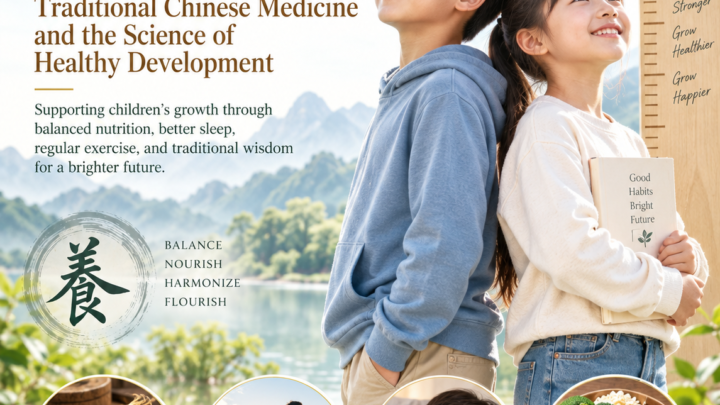
Teenage girl nutrition plays an important role in supporting healthy growth, puberty, bone development, menstrual health, and emotional well-being. During adolescence, the body needs sufficient energy, protein, calcium, iron, vitamin D, and other essential nutrients to support rapid physical changes. This evidence-informed guide explains how puberty affects nutritional needs and offers 10 practical strategies for balanced eating, physical activity, healthy sleep, and positive body image—without restrictive dieting or unnecessary supplements.Discover how puberty affects a teenage girl’s body, nutritional needs, bone development, menstrual health, sleep, and emotional well-being—and learn how to support healthy growth with balanced, evidence-based habits.
Adolescence is one of the most important periods of physical, emotional, and neurological development. For teenage girls, it brings changes in height, body composition, hormone activity, bone strength, reproductive development, and nutritional requirements.
These changes can happen quickly. A girl who has been growing steadily may suddenly experience a growth spurt, develop breast tissue, notice changes in body shape, or begin menstruating.
At the same time, school responsibilities, friendships, physical activity, sleep patterns, and social expectations can influence everyday health behaviors.
Good nutrition during puberty helps support normal growth, bone development, menstrual health, immune function, and overall well-being.
But healthy development is not simply about eating more or taking supplements.
It involves consuming enough energy, eating a varied diet, getting sufficient sleep, staying physically active, and having a supportive environment where body changes are treated as normal rather than something to fear or control.
This guide explains the science of puberty in girls, identifies essential nutrients, corrects common misconceptions, and offers practical advice for adolescents, parents, and caregivers.
1. What Is Puberty in Girls?
Puberty is the biological transition during which the body develops reproductive maturity and adult secondary sexual characteristics.
It is a gradual process, not a single event.
In most girls, puberty begins between approximately 8 and 13 years of age, although the timing and pace vary considerably.
Breast budding is often the first noticeable sign. Other changes, such as pubic and underarm hair growth, increased height velocity, and the eventual onset of menstruation, follow at different times.
The American Academy of Pediatrics notes that the timing of puberty varies between individuals and that differences in development are often entirely normal.
Puberty does not begin with the first menstrual period
One common misconception is that puberty starts when menstruation begins.
In reality, the first menstrual period—called menarche—usually occurs after puberty has already been underway for some time.
According to the American College of Obstetricians and Gynecologists (ACOG), menarche typically occurs about two to three years after breast budding.
This distinction matters because healthy nutrition, sleep, and appropriate activity should be supported throughout childhood and early adolescence, not only after menstruation begins.
Why puberty begins at different ages
The timing of puberty reflects an interaction among genetics, nutrition, hormonal regulation, general health, and environmental influences.
Differences in timing do not automatically indicate a medical problem.
However, unusually early or delayed development sometimes warrants evaluation to identify endocrine or other health conditions.
2. How Hormones Influence Growth and Development
Puberty involves coordinated communication among the brain, pituitary gland, ovaries, and other endocrine organs.
These hormonal systems influence growth, body composition, bone development, and the menstrual cycle.
The hypothalamic–pituitary–ovarian axis
The hypothalamus, a region of the brain involved in regulating many bodily functions, begins releasing signals that influence reproductive hormone production.
These signals stimulate the pituitary gland to produce luteinizing hormone (LH) and follicle-stimulating hormone (FSH).
LH and FSH act on the ovaries, supporting follicular development and reproductive hormone activity.
Estrogen plays an important role in breast development, changes in reproductive tissues, and bone maturation.
Progesterone becomes important in menstrual cycle regulation when ovulation occurs.
These changes develop progressively rather than appearing at the same time.
Growth hormone and IGF-1
Growth hormone, produced by the pituitary gland, works partly through insulin-like growth factor 1 (IGF-1) to support normal skeletal and tissue growth.
During puberty, growth hormone activity and sex hormones interact to produce the adolescent growth spurt.
Adequate nutrition supports these processes, but consuming extra protein, calcium, or supplements beyond what the body requires will not necessarily make someone taller.
Thyroid hormones
Thyroid hormones support metabolism, growth, and neurological functioning.
Untreated thyroid dysfunction can affect energy levels, growth patterns, and menstrual function.
However, iodine or thyroid supplements should not be taken simply to accelerate puberty or increase height.
Suspected hormonal problems require appropriate clinical assessment.
Puberty is not a process that should be accelerated
Parents may sometimes worry that a teenager is developing more slowly than her peers.
But encouraging faster maturation through excessive food intake, supplements, or unverified hormone products is neither necessary nor safe.
The goal is to support healthy development at an individual’s natural pace.
3. Physical Changes During Female Puberty
Puberty affects multiple body systems, including the skeleton, muscles, skin, breasts, and reproductive organs.
Understanding these changes can reduce unnecessary anxiety and help families distinguish normal variation from symptoms that deserve evaluation.
Height and the adolescent growth spurt
Girls generally experience a period of faster height growth during puberty.
The growth spurt often occurs relatively early in female pubertal development, before the first menstrual period.
After menarche, additional growth is common, although the rate typically slows.
The timing and amount of growth vary.
Genetics strongly influences adult height, but nutrition, chronic illness, endocrine function, and other environmental factors also matter.
A child’s future height cannot be predicted accurately using a single universal formula.
Estimates based on parental height provide only a rough guide.
Pediatric growth charts and longitudinal growth measurements are more useful for evaluating whether a child is growing appropriately.
Body weight and body composition
During puberty, girls naturally experience changes in fat distribution, muscle mass, and overall body proportions.
Increased body fat in areas such as the hips, thighs, and breasts is a normal component of female maturation.
This should not automatically be interpreted as unhealthy weight gain.
Restrictive dieting during a period of rapid growth may interfere with adequate nutrient intake and can negatively affect physical and psychological well-being.
Adolescent health assessment should consider growth patterns and general health rather than judging a teenager’s body by adult beauty standards.
Bone development
Adolescence is a major period of bone mineral accumulation.
Bone tissue is continuously remodeled, but childhood and adolescence are particularly important for building skeletal strength.
Calcium, vitamin D, protein, physical activity, and adequate total energy intake all contribute to bone health.
The growth plates near the ends of long bones eventually mature and close, limiting further increases in bone length.
However, skeletal mineral accumulation and remodeling continue after linear growth slows.
Adequate nutrition remains important beyond the teenage years.
Muscle development
Muscle tissue also develops during adolescence.
Physical activity, genetics, hormonal changes, and nutritional intake all influence strength and physical capacity.
Girls can develop substantial muscular strength through age-appropriate resistance exercise and physical activity.
Claims that girls are inherently incapable of demanding physical activities are inaccurate and may unnecessarily limit participation.
Training should emphasize technique, enjoyment, progressive improvement, and safety rather than appearance.
Brain development
The adolescent brain continues developing in complex ways.
Neural connectivity, myelination, learning processes, and systems involved in emotional regulation and decision-making continue changing through adolescence and into young adulthood.
Brain development does not stop at a particular birthday or when menstrual cycles begin.
Adequate nutrition, sleep, physical activity, supportive relationships, and access to learning opportunities all contribute to an environment that supports healthy development.
There is no single adolescence-only window after which intellectual development becomes impossible.
4. Breast Development and Other Secondary Sexual Characteristics
Breast development is often the earliest visible sign of puberty in girls.
It commonly begins with small, sometimes tender breast buds beneath the nipples.
One breast may begin developing earlier than the other.
Temporary asymmetry is common and usually does not indicate disease.
Breast development continues over several years, and final breast size varies substantially.
What influences breast size?
Genetics, hormones, body composition, and normal individual variation all influence breast development.
There is no reliable evidence that specific chest exercises, massage techniques, or particular foods can selectively increase breast tissue size during puberty.
Exercise can strengthen chest muscles and support physical fitness, but it does not directly control breast gland development.
Choosing comfortable clothing and supportive garments
Adolescents should be allowed to choose comfortable, appropriately fitting bras or other supportive clothing when desired.
A properly fitted sports bra may improve comfort during physical activity.
Painful compression or restrictive binding without appropriate guidance should be avoided.
Young people also benefit from reassurance that there is no single normal breast shape or size.
Pubic and underarm hair
Pubic and underarm hair commonly appear during puberty as hormone activity changes.
Body hair patterns vary.
Hair removal is a personal choice rather than a medical requirement, and teenagers should not feel pressured to alter their appearance.
5. Menstruation: What Is Normal During the Teenage Years?
Menstruation is a normal reproductive process in which the uterine lining is shed when pregnancy does not occur.
The first menstrual period is an important developmental milestone, but it does not mean that all aspects of physical or emotional development are complete.
When do girls usually start menstruating?
Menarche commonly occurs around age 12–13 in many populations, although individual timing varies.
ACOG recommends evaluation when menstruation has not begun by age 15, or within three years after breast development begins.
Menstrual timing can be influenced by general health, genetics, energy availability, and hormonal factors.
Irregular periods after menarche
Menstrual cycles are frequently irregular during the first years after menstruation begins because ovulation may not yet occur consistently.
According to ACOG, adolescent menstrual cycles typically range from 21 to 45 days, with bleeding usually lasting no more than seven days.
A cycle is counted from the first day of one menstrual period to the first day of the next.
Not every irregular cycle represents a medical problem, but prolonged gaps or unusually heavy bleeding deserve evaluation.
Warning signs that need medical attention
Medical assessment is appropriate when a teenager experiences menstrual bleeding that lasts longer than seven days, periods that repeatedly occur less than 21 days or more than 45 days apart, a gap of 90 days between periods, or bleeding heavy enough to soak through menstrual products every one to two hours.
Severe menstrual pain that disrupts normal activities also warrants assessment.
These problems should not simply be dismissed as a normal part of growing up.
Menstruation and iron needs
Menstrual blood loss increases iron requirements for many adolescent girls.
Insufficient dietary iron intake may contribute to iron deficiency, and heavy menstrual bleeding can increase the risk of iron deficiency anemia.
Symptoms of anemia may include fatigue, dizziness, reduced exercise tolerance, or shortness of breath.
A healthcare professional may recommend blood tests when deficiency is suspected.
Iron supplementation should be based on individual needs rather than automatically prescribed to every menstruating teenager.
6. Essential Nutrients for Teenage Girls
Adolescent nutrition should provide sufficient energy and a broad range of nutrients to support growth, physical activity, and everyday functioning.
The amount needed varies by age, growth stage, activity level, health status, and individual circumstances.
A useful approach is to emphasize dietary variety, nutritional adequacy, and regular access to satisfying meals rather than rigid food rules.
Protein: Supporting growth and tissue repair
Protein provides amino acids needed for normal tissue growth, muscle development, enzymes, hormones, and immune function.
Good sources include eggs, dairy foods, fish, poultry, lean meats, tofu, beans, lentils, nuts, and seeds.
Protein requirements differ with age and body size. For example, the U.S. recommended dietary allowance for protein is approximately 34 grams per day for children aged 9–13 and 46 grams per day for girls aged 14–18.
These are general reference values rather than individualized prescriptions.
The very high protein intakes sometimes promoted for teenagers are not necessary for routine growth.
Most adolescents can meet protein needs through ordinary meals without protein powders.
Carbohydrates and fats: Providing energy for development
Carbohydrates are important energy sources, particularly for the brain and physically active muscles.
Whole grains, potatoes, fruit, beans, and other carbohydrate-containing foods contribute energy, fiber, and various micronutrients.
Healthy dietary fats support energy needs and normal cellular functions.
Useful sources include nuts, seeds, olive oil, avocado, and oily fish.
Adolescents should not routinely follow restrictive low-carbohydrate or very-low-fat diets without an appropriate medical indication and professional supervision.
Calcium: Building strong bones
Calcium is essential for bone mineralization, normal muscle function, and nerve signaling.
Under U.S. dietary reference values, the recommended calcium intake for adolescents aged 9–18 is 1,300 mg per day.
Calcium-containing foods include milk, yogurt, cheese, calcium-set tofu, calcium-fortified plant beverages, and certain vegetables.
The calcium content of plant-based milk alternatives varies, so checking the label is useful.
Vitamin D: Supporting calcium absorption
Vitamin D helps regulate calcium absorption and bone metabolism.
Sources include certain fortified foods, oily fish, and vitamin D produced in the skin following ultraviolet exposure.
However, deliberate excessive sun exposure is not a safe strategy for vitamin D intake.
The usual U.S. recommended dietary allowance for vitamin D in children and adolescents aged 1–18 is 600 IU (15 micrograms) per day.
Supplementation may be appropriate for selected individuals, but dosage should reflect clinical circumstances and local guidance.
Iron: Especially important after menstruation begins
Iron is required for hemoglobin formation and oxygen transport.
The U.S. recommended dietary allowance is:
| Age | Iron requirement |
|---|---|
| Girls 9–13 years | 8 mg/day |
| Girls 14–18 years | 15 mg/day |
These amounts represent estimated total daily dietary intake, not the amount of iron lost during menstruation.
Iron-rich foods include lean meats, seafood, beans, lentils, and fortified grains.
Iron from plant foods is generally absorbed less efficiently than heme iron from animal sources.
Combining plant-based iron sources with vitamin C-rich foods, such as citrus fruit, peppers, or tomatoes, can improve nonheme iron absorption.
Iron tablets are not recommended indiscriminately, because excessive iron can be harmful.
Zinc: Supporting normal growth and immune function
Zinc contributes to normal growth, wound healing, and immune function.
It is found in meat, shellfish, dairy products, legumes, nuts, and whole grains.
A varied diet usually provides sufficient zinc for healthy adolescents.
High-dose zinc supplements are not appropriate for routine use without an identified need, as excessive zinc may interfere with copper metabolism and cause other adverse effects.
Folate and vitamin B12
Folate supports DNA synthesis and normal cell division.
Vitamin B12 contributes to red blood cell formation and neurological function.
Leafy vegetables, beans, and fortified grains can provide folate.
Vitamin B12 is naturally found mainly in animal-derived foods, although fortified plant-based foods and supplements are available.
Teenagers following vegan diets should pay particular attention to reliable vitamin B12 sources.
A practical nutrient reference table
Selected U.S. dietary reference values for adolescent girls
| Nutrient | Ages 9–13 | Ages 14–18 |
|---|---|---|
| Protein | 34 g | 46 g |
| Calcium | 1,300 mg | 1,300 mg |
| Iron | 8 mg | 15 mg |
| Zinc | 8 mg | 9 mg |
| Vitamin D | 600 IU | 600 IU |
| Vitamin B12 | 1.8 mcg | 2.4 mcg |
| Folate | 300 mcg DFE | 400 mcg DFE |
Reference values apply to generally healthy, nonpregnant adolescents and may differ under other national dietary standards. DFE means dietary folate equivalents. Individual medical conditions can change nutritional requirements.
These reference values are tools for nutritional planning, not targets that every family needs to calculate at each meal.
7. How Much Should a Teenage Girl Eat?
There is no single calorie target suitable for all teenage girls.
Energy needs depend on age, physical size, growth velocity, activity levels, and overall health.
A rapidly growing, physically active teenager may need substantially more energy than someone of the same age with different circumstances.
Trying to prescribe the same calorie intake for every girl can lead to undernutrition or unnecessary anxiety about food.
Why under-eating can be particularly harmful during puberty
Inadequate energy intake can affect growth, concentration, menstrual function, bone health, and physical performance.
Teenagers may unintentionally eat too little because of busy schedules, limited access to food, demanding sports training, or restrictive dietary choices.
Others may deliberately restrict food intake because of concerns about body weight or appearance.
When dietary restriction becomes persistent, professional support may be needed.
Avoid restrictive dieting during normal development
Weight and body shape naturally change during puberty.
These changes should not automatically trigger efforts to lose weight.
If a teenager’s growth or weight raises genuine health concerns, assessment should consider growth charts, medical history, overall nutrition, and psychological well-being.
A pediatric healthcare professional or appropriately qualified registered dietitian can help establish individualized recommendations.
8. Healthy Eating Patterns for School and Home
Healthy eating does not require expensive specialty foods or complicated recipes.
An ordinary, varied eating pattern can provide most nutrients teenagers need.
Breakfast
Breakfast may include whole-grain bread or oatmeal, eggs or yogurt, and fresh fruit.
For teenagers who do not feel hungry immediately after waking, a practical breakfast or substantial morning snack can be adapted to their schedule.
Lunch
Lunch can include rice, noodles, potatoes, or another grain-based food alongside vegetables and protein from fish, poultry, tofu, beans, or meat.
Adding fruit or dairy foods when appropriate can improve dietary variety.
Dinner
Dinner may feature vegetables, whole grains, and protein-rich foods, with healthy fats included as part of the meal.
Meals can reflect cultural food preferences and family traditions.
Snacks
Nutrient-dense snacks may include yogurt, fruit, nuts, cheese, whole-grain toast, or hummus with vegetables.
Snacks can be especially useful for active adolescents or those experiencing rapid growth.
An example day of balanced eating

Breakfast
Oatmeal with milk or fortified soy beverage, fruit, and an egg or another protein-rich option.

Lunch
Rice or another grain, vegetables, and chicken, tofu, beans, or fish.

Afternoon snack
Yogurt or a suitable alternative, fruit, and nuts or whole-grain toast.

Dinner
Fish, lentils, or another protein source with vegetables and potatoes, rice, or whole grains.
This is an illustrative meal pattern, not a prescribed meal plan. Portion sizes and additional snacks should reflect hunger, activity, growth, preferences, and medical needs.
9. Physical Activity and Healthy Development
Regular physical activity helps support bone strength, muscular fitness, cardiovascular health, coordination, and emotional well-being.
For children and adolescents aged 6–17, U.S. public health guidance recommends at least 60 minutes of moderate-to-vigorous physical activity daily, including appropriate muscle- and bone-strengthening activities during the week.
CDC
Physical activity can include walking, cycling, swimming, dancing, sports, active games, and age-appropriate strength training.
The aim should be to develop confidence, competence, and enjoyment.
Strength training is appropriate for girls
With suitable supervision and age-appropriate technique, resistance exercise can be part of a healthy activity program for adolescent girls.
There is no need to avoid strength training simply because of sex.
Exercise should not be used as punishment for eating or as a way to control normal pubertal changes.
Avoid excessive training without adequate nutrition
Adolescents who participate in demanding sports may require additional energy and recovery.
Persistent fatigue, recurrent injuries, declining performance, or menstrual disruption can indicate that the balance between training, nutrition, and recovery needs attention.
Low energy availability may contribute to relative energy deficiency in sport (REDs), which can affect bone health, menstrual function, and other physiological systems.
Professional assessment is important when these concerns arise.
10. Sleep and Emotional Well-Being During Puberty
Sleep is essential for learning, emotional regulation, physical recovery, and general health.
Hormonal changes during adolescence often shift sleep timing, making it more difficult for some teenagers to fall asleep early.
At the same time, school schedules and evening activities may reduce available sleep.
The CDC recommends 8–10 hours of sleep per 24 hours for teenagers aged 13–17, while children aged 6–12 generally need 9–12 hours.
Habits that may support healthy sleep
Maintaining reasonably consistent bedtimes and wake times, limiting late-evening stimulation, creating a comfortable sleep environment, and reducing caffeine intake late in the day may improve sleep opportunities.
Persistent insomnia, excessive daytime sleepiness, or loud snoring deserves medical attention.
Emotional health matters as much as nutrition
Adolescence often involves increased awareness of appearance, peer relationships, identity, and independence.
Girls may experience pressure from friends, family, social media, or cultural expectations about body shape.
Supportive adults can help by listening without judgment, avoiding appearance-based criticism, and encouraging realistic expectations.
Body-image concerns, persistent sadness, anxiety, withdrawal, or changes in eating behavior should be addressed with sensitivity.
Severe emotional stress can affect appetite, sleep, and daily functioning, but it should not be assumed to explain every growth or menstrual problem.
11. When Should Parents Seek Medical Advice About Puberty?
Most differences in pubertal timing are not signs of illness.
Nevertheless, certain patterns deserve professional assessment.
| Concern | When evaluation is appropriate |
|---|---|
| Early puberty | Breast development or other progressive signs before age 8 |
| Delayed puberty | No breast development by age 13 |
| Delayed first period | No menstruation by age 15, or within three years of breast budding |
| Menstrual irregularity | A gap of 90 days, very frequent cycles, or other persistent abnormalities |
| Heavy menstrual bleeding | Bleeding longer than seven days or soaking products very frequently |
| Poor growth | Growth markedly slows or crosses expected growth patterns |
| Suspected nutritional deficiency | Persistent fatigue, pallor, weakness, or other concerning symptoms |
| Possible eating disorder | Persistent food restriction, rapid weight changes, or distress around eating and body image |
These are general assessment triggers, not diagnostic criteria by themselves.
Parents should avoid comparing one daughter’s height, breast development, body shape, or menstrual timing with those of her peers.
Individual variation is expected.
Professional evaluation is intended to support health, not impose a standardized appearance.
Frequently Asked Questions
At what age does puberty usually begin in girls?
Puberty generally begins between ages 8 and 13, often starting with breast development. The timing and pace vary, and many differences are normal.
What is the most important nutrient for teenage girls?
No single nutrient is sufficient. Adequate energy, protein, calcium, vitamin D, iron, zinc, and other vitamins and minerals work together to support growth and development.
How much calcium does a teenage girl need?
Under U.S. dietary reference values, girls aged 9–18 need approximately 1,300 mg of calcium daily. Food sources are generally preferred, with supplementation considered when appropriate.
Why is iron important during puberty?
Iron supports hemoglobin production and oxygen transport. Menstruation increases iron requirements, and inadequate intake can contribute to iron deficiency anemia.
Can a teenage girl grow taller after her first period?
Yes. Many girls continue growing after menarche, although height growth typically slows. The amount of remaining growth varies according to pubertal timing and individual development.
Should teenage girls take multivitamins or protein supplements?
Most healthy teenagers can obtain necessary nutrients from a varied diet. Supplements may be appropriate for identified deficiencies, restricted diets, or specific medical circumstances, but routine high-dose supplementation is not recommended.
Can poor nutrition delay puberty?
Significant undernutrition or low energy availability can affect growth and reproductive hormone function. However, delayed puberty may have other causes, including genetic patterns or endocrine disorders, and may require medical evaluation.
How can parents support healthy body image during puberty?
Focus on health, comfort, strength, and overall well-being rather than weight or appearance. Avoid negative comparisons, encourage balanced eating and enjoyable activity, and maintain open, respectful communication.
Final Thoughts: Healthy Puberty Requires More Than Good Nutrition
Puberty is a natural developmental transition shaped by genetics, hormones, nutritional status, physical activity, sleep, and environmental influences.
For teenage girls, adequate nutrition is especially important because the body is supporting rapid growth, bone mineral accumulation, changes in muscle and fat distribution, and the development of menstrual function.
However, optimal adolescent health is not achieved through aggressive supplementation, restrictive diets, or attempts to accelerate physical maturation.
It develops through consistent access to nourishing food, appropriate activity, sufficient sleep, preventive healthcare, and emotional support.
Parents and caregivers play an important role by helping teenagers understand normal physical changes without creating anxiety about appearance or developmental timing.
The goal of adolescent nutrition is not to make every girl grow at the same rate or look a certain way. It is to give each individual the support and resources needed to develop as healthily as possible.
References and Further Reading
1.
American Academy of Pediatrics — Physical Development in Girls: What to Expect During Puberty
.Guidanceonpubertaltiming,breastdevelopment,andnormalphysicalchanges.
2.
ACOG — Menstruation in Girls and Adolescents: Using the Menstrual Cycle as a Vital Sign
.Clinicalguidanceonmenarche,menstrualcyclepatterns,andindicationsforassessment.
3.
ACOG — Heavy and Abnormal Periods
.Patienteducationaboutadolescentmenstruationandabnormalbleeding.
4.
NIH Office of Dietary Supplements — Calcium
.U.S.calciumrecommendationsandevidenceonbonehealth.
5.
NIH Office of Dietary Supplements — Iron
.Dietaryironrecommendations,foodsources,anddeficiencyrisks.
6.
NIH Office of Dietary Supplements — Vitamin D
.VitaminDrequirementsandbone-healthconsiderations.
7.
NIH Office of Dietary Supplements — Zinc
.Zincrequirements,dietarysources,andsupplementationsafety.
8.
CDC — Physical Activity Guidelines for School-Aged Children and Adolescents
.Recommendedactivitylevelsforyoungpeople.
9.
CDC — About Sleep
.Age-specificsleeprecommendations.
10.
American Academy of Pediatrics — A Teenager’s Nutritional Needs
Editorial Note: This article uses contemporary pediatric, nutritional, and adolescent-health guidance to correct outdated assumptions about puberty, female physical development, nutrient requirements, and menstruation. Nutrient reference values are based primarily on U.S. standards and may differ from recommendations in other countries. Medical review by a qualified pediatric or adolescent-health professional is recommended before publication.
Medical Disclaimer: Educational content only. Not medical advice. This article provides general educational information about puberty and adolescent nutrition. It is not intended to diagnose growth disorders, hormonal conditions, menstrual abnormalities, nutritional deficiencies, or eating disorders. Individual nutritional and healthcare needs should be discussed with a qualified healthcare professional.
This article is for general education and does not replace individualized care from a qualified health professional. Seek appropriate advice for persistent, severe, or concerning symptoms.
Read the full medical disclaimer