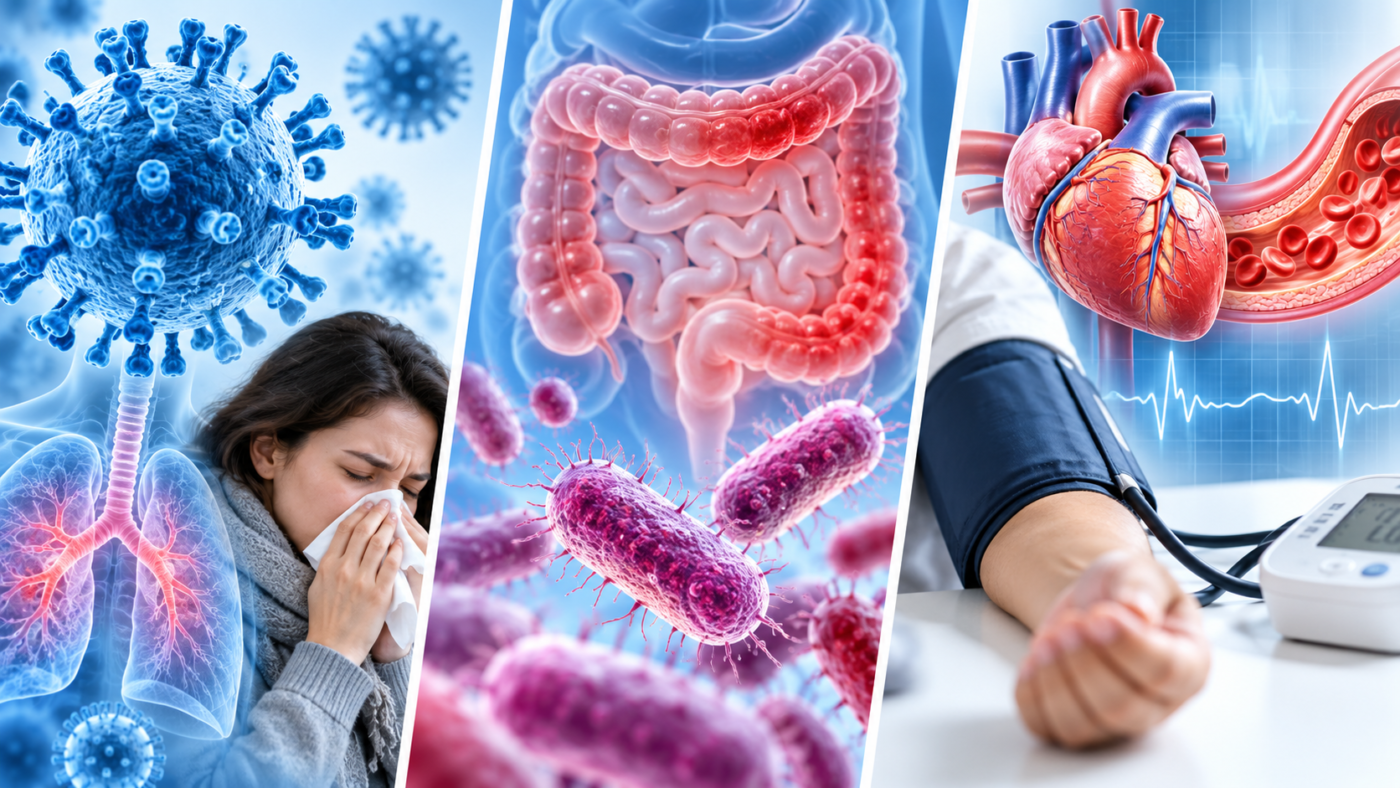
Understanding common diseases is an important part of protecting your health and making informed medical decisions. Influenza, shigellosis, and high blood pressure affect the body in very different ways, yet all require accurate diagnosis, appropriate treatment, and effective prevention. This evidence-informed health guide explores three important conditions, explaining their symptoms, possible complications, modern treatment options, warning signs, and practical ways to reduce health risks.Understand three important health conditions—seasonal influenza, bacterial dysentery, and hypertension—with updated medical guidance on diagnosis, effective treatments, prevention, and warning signs that should never be ignored.
Health information can help people recognize symptoms, understand their treatment options, and make informed decisions about medical care. However, medical knowledge changes, and treatments once considered routine may later prove ineffective, unnecessary, or potentially harmful.
This is particularly important when discussing infectious diseases and cardiovascular health.
Influenza is a contagious viral infection that can cause serious respiratory complications. Shigellosis, sometimes called bacillary dysentery, is a bacterial intestinal infection that may produce bloody diarrhea and dehydration. Hypertension is a frequently symptomless condition that can gradually damage the heart, brain, kidneys, and blood vessels.
Although these conditions differ considerably, they share a common principle: accurate diagnosis and appropriate, evidence-based treatment are more reliable than treating symptoms with unverified remedies or outdated medication regimens.
This guide explores how each condition develops, how healthcare professionals diagnose and manage it, which treatments have supporting evidence, and when urgent medical attention is necessary.
1. Influenza: Symptoms, Antiviral Treatment, and Prevention
Seasonal influenza, commonly known as the flu, is an acute respiratory infection caused by influenza viruses.
Seasonal epidemics are primarily caused by influenza A and influenza B viruses. Influenza C viruses generally cause milder illness and are not a major cause of seasonal epidemics.
Influenza viruses spread mainly through respiratory particles released when infected people breathe, speak, cough, or sneeze. Transmission may also occur when contaminated hands contact the mouth, nose, or eyes.
Influenza should not be confused with the common cold or bacterial respiratory infections.
While symptoms may overlap, influenza can produce more pronounced systemic illness and may lead to serious complications in vulnerable individuals.
Common symptoms of influenza
Influenza symptoms often begin abruptly.
Typical symptoms include fever or chills, cough, sore throat, nasal congestion, muscle aches, headache, and substantial fatigue.
Some individuals also experience vomiting or diarrhea, particularly children.
Not everyone with influenza develops a fever.
The incubation period is generally around two days, although it may range from approximately one to four days.
How serious can influenza become?
Most otherwise healthy people recover without developing major complications.
However, influenza can sometimes cause viral pneumonia, secondary bacterial pneumonia, worsening of existing chronic diseases, and other serious complications.
People at increased risk include older adults, young children, pregnant individuals, people with weakened immune systems, and those with certain chronic medical conditions.
Severe influenza may involve progressive breathing difficulties, low oxygen levels, altered mental status, or respiratory failure.
How is influenza diagnosed?
Clinicians consider symptoms, local influenza activity, examination findings, and individual risk factors.
Laboratory methods include molecular tests such as RT-PCR and other nucleic acid amplification tests, as well as rapid antigen tests.
Molecular tests are generally more sensitive than many rapid antigen tests.
A negative rapid antigen test does not reliably exclude influenza, particularly when influenza is circulating widely.
For hospitalized patients and people at increased risk of complications, clinicians may begin treatment without waiting for laboratory confirmation.
Antiviral medications: What works?
Prescription antivirals can reduce influenza illness severity or duration in appropriate patients.
Commonly used agents include:
| Medication | General role |
|---|---|
| Oseltamivir | Oral antiviral used for treatment in a range of age groups and clinical situations |
| Zanamivir | Inhaled antiviral; unsuitable for certain people with airway disease |
| Peramivir | Intravenous antiviral used in selected circumstances |
| Baloxavir | Single-dose oral antiviral for eligible patients with uncomplicated influenza |
Antiviral treatment generally offers the greatest benefit when initiated early, ideally within 48 hours of symptom onset.
However, treatment may still be beneficial when started later in hospitalized patients and those with severe or progressive illness.
The CDC recommends prompt antiviral treatment for people hospitalized with suspected influenza, those with severe or progressive illness, and people at higher risk of complications.
CDC
Treatment selection depends on age, pregnancy status, illness severity, underlying conditions, medication interactions, and other factors.
Why amantadine is no longer recommended for seasonal influenza
Amantadine and rimantadine were historically used against influenza A.
However, circulating seasonal influenza A viruses have developed widespread resistance to these medications.
As a result, the CDC does not recommend adamantanes for seasonal influenza treatment or prevention.
This illustrates why older medication recommendations should not be reused without checking current resistance patterns and professional guidelines.
Do antibiotics treat influenza?
Antibiotics do not treat influenza viruses.
They may be appropriate when a bacterial complication is diagnosed or strongly suspected, but routine antibiotic use for uncomplicated influenza provides no antiviral benefit.
Unnecessary antibiotics can cause adverse effects and contribute to antimicrobial resistance.
Supportive care during recovery
For uncomplicated influenza, supportive measures may include adequate rest, appropriate fluid intake, and medications for fever or discomfort when suitable.
Adults may use common fever-relieving medications according to product labeling and individual medical advice.
Children and teenagers with suspected or confirmed influenza should generally avoid aspirin because of its association with Reye syndrome.
People with chronic medical conditions, pregnancy, or significant symptoms should seek professional advice about suitable treatments.
When influenza requires urgent care
Seek urgent medical evaluation for worsening breathing difficulties, persistent chest pain, confusion, severe dehydration, or symptoms that improve and then return with significant deterioration.
Emergency care is appropriate for severe breathing problems, significant altered consciousness, or other life-threatening symptoms.
Preventing seasonal influenza
Annual influenza vaccination remains a central prevention strategy.
Vaccine recommendations vary by country, age, medical history, and product availability. Eligible individuals should follow current local immunization guidance.
Other measures include improving ventilation, staying home when ill, practicing respiratory hygiene, and using a well-fitting mask in appropriate high-risk circumstances.
No herbal medicine or supplement has been established as a substitute for influenza vaccination or indicated antiviral treatment.
2. Shigellosis: Understanding Bacterial Dysentery and Bloody Diarrhea
Shigellosis is an intestinal infection caused by bacteria belonging to the genus Shigella.
It spreads primarily through the fecal–oral route, including contaminated hands, food, water, surfaces, and certain forms of close contact.
Only a small number of organisms may be sufficient to cause infection, making Shigella highly contagious.
The disease occurs worldwide and may affect people of any age.
Young children, people in crowded environments, travelers, and individuals with particular exposures may face increased risk.
Symptoms of Shigella infection
Symptoms often begin one to two days after exposure, although the timing can vary.
Common findings include diarrhea, fever, abdominal cramps, and an urgent sensation of needing to pass stool even when the bowel is relatively empty. This sensation is known as tenesmus.
Some people develop mucus or blood in their stool.
Illness severity ranges from mild diarrhea to significant dehydration and systemic complications.
Not all patients develop bloody diarrhea.
Why bloody diarrhea needs medical attention
Blood in stool can result from several conditions, including Shigella infection, other bacterial pathogens, inflammatory bowel disease, and noninfectious intestinal disorders.
It is not possible to diagnose Shigella infection solely by the appearance of stool.
Children, older adults, and people with weakened immune systems may be particularly vulnerable to complications.
Severe cases can involve dehydration, neurological symptoms, or other serious consequences.
How is shigellosis diagnosed?
Healthcare professionals consider symptoms, exposure history, recent travel, possible outbreaks, and other risk factors.
Stool testing may identify Shigella through culture or molecular methods.
When antibiotic treatment is being considered, culture and antimicrobial susceptibility testing may help guide therapy, especially because drug resistance is an increasing concern.
Treatment: Rehydration comes first
Many uncomplicated cases of shigellosis improve without antibiotic treatment.
Maintaining hydration is essential.
Oral rehydration solution can help replace both fluids and electrolytes lost through diarrhea.
Severe dehydration, inability to drink safely, or other complications may require hospital treatment and intravenous fluids.
The CDC notes that many people recover within approximately five to seven days without antibiotics.
CDC
When are antibiotics needed?
Antibiotics may be prescribed for severe illness or selected patients in whom treatment provides meaningful benefit.
However, Shigella resistance patterns vary by location and strain.
Medicines such as azithromycin or ciprofloxacin may be used in selected circumstances, but their effectiveness cannot be assumed.
Treatment should be based on professional assessment and susceptibility information when available.
Self-prescribing antibiotics or using fixed regimens copied from older medical references can lead to treatment failure and unnecessary adverse effects.
Why some anti-diarrheal medicines should be avoided
Medications that slow intestinal movement, such as loperamide, are generally not recommended for bloody diarrhea associated with Shigella infection.
They may worsen the illness or increase the risk of complications.
The CDC specifically advises against loperamide and diphenoxylate with atropine in people with shigellosis.
Can herbal remedies treat bacterial dysentery?
Traditional preparations involving herbs such as Coptis, purslane, or honeysuckle have been used historically for intestinal symptoms.
Some plant compounds have demonstrated antimicrobial or anti-inflammatory effects in laboratory research.
However, laboratory findings do not establish that a traditional formula can reliably eliminate Shigella infection in humans.
Herbal preparations should not replace rehydration, appropriate testing, or indicated antibiotic therapy.
In addition, herbs and concentrated extracts may cause side effects, interact with prescribed medicines, or vary in purity and composition.
Consuming large quantities of raw garlic or medicinal herbs is not an established treatment for bacterial dysentery.
When should you seek urgent medical care?
Seek prompt assessment for bloody diarrhea, high fever, severe abdominal pain, or symptoms lasting more than several days.
Signs of dehydration include markedly reduced urination, dizziness, dry mouth, and unusual weakness.
Emergency assessment is appropriate for severe dehydration, confusion, fainting, shock, or other signs of critical illness.
Preventing Shigella transmission
Effective handwashing with soap and water is especially important after using the toilet, changing diapers, and before preparing food.
Safe food preparation and clean drinking water also reduce transmission risk.
People with diarrhea should avoid preparing food for others and follow local guidance about returning to school, childcare, or work.
Additional precautions may be needed in childcare, healthcare, and food-handling environments.
Unlike influenza, shigellosis does not currently have a routinely available licensed vaccine for general public use.
3. High Blood Pressure: Diagnosis, Treatment, and Long-Term Prevention
High blood pressure, or hypertension, occurs when pressure within the arteries remains elevated over time.
Unlike influenza and shigellosis, hypertension is not an infectious disease. It is a long-term cardiovascular risk factor that frequently requires ongoing management.
Uncontrolled hypertension can contribute to heart attack, stroke, heart failure, chronic kidney disease, and other serious complications.
According to the World Health Organization, approximately 1.4 billion adults aged 30–79 worldwide had hypertension in 2024, and many were unaware of their condition.
Why hypertension is often called a silent condition
Most people with hypertension experience no obvious symptoms.
Headaches, dizziness, palpitations, and fatigue are sometimes attributed to high blood pressure, but these symptoms are nonspecific and cannot establish the diagnosis.
A person may feel completely well while their blood pressure remains elevated for years.
The only reliable way to identify hypertension is through appropriate blood pressure measurement.
Understanding blood pressure readings
Blood pressure is recorded using two numbers:
- Systolic pressure: The pressure when the heart contracts.
- Diastolic pressure: The pressure when the heart relaxes between beats.
For example, a reading of 130/80 mmHg represents a systolic pressure of 130 and a diastolic pressure of 80.
Definitions vary across professional guidelines.
The 2025 American Heart Association and American College of Cardiology framework classifies adult office blood pressure as follows:
American Heart Association
| Category | Systolic | Diastolic |
|---|---|---|
| Normal | Below 120 | And below 80 |
| Elevated | 120–129 | And below 80 |
| Stage 1 hypertension | 130–139 | Or 80–89 |
| Stage 2 hypertension | 140 or higher | Or 90 or higher |
All readings are expressed in mmHg.
By comparison, WHO commonly uses persistently elevated readings of 140/90 mmHg or higher to define hypertension.
These differences reflect different guideline frameworks and treatment strategies, not necessarily disagreement about the health risks of elevated blood pressure.
A diagnosis should not ordinarily be made from one isolated measurement.
How to measure blood pressure correctly
Accurate measurement is essential because positioning, recent activity, and equipment can affect results.

Before measuring
- Avoid exercise, smoking, and caffeine for approximately 30 minutes.
- Empty your bladder.
- Sit quietly for at least five minutes.
- Keep your back supported and feet flat on the floor.
- Support the cuffed arm at heart level.
- Do not talk during the measurement.
Use a validated automatic upper-arm monitor with an appropriately sized cuff.
For home monitoring, healthcare professionals often recommend recording multiple readings over several days rather than interpreting one result in isolation.
A home blood pressure log can help identify trends, assess treatment response, and support clinical decisions.
The American Heart Association recommends home monitoring for people with diagnosed hypertension, while emphasizing that it does not replace professional care.
What causes high blood pressure?
Most cases are classified as primary hypertension, meaning that no single identifiable disease explains the condition.
Contributing factors can include age, genetics, excess body weight, high sodium intake, insufficient physical activity, alcohol consumption, and other environmental or metabolic influences.
Some patients have secondary hypertension, caused or worsened by an underlying condition or medication.
Potential causes include kidney disease, primary aldosteronism, obstructive sleep apnea, certain endocrine disorders, and selected medications.
A healthcare professional may investigate secondary causes when hypertension develops unusually early, is severe, or remains difficult to control despite appropriate treatment.
How hypertension is evaluated
Assessment typically includes a clinical history, examination, accurate blood pressure measurements, and an evaluation of cardiovascular risk.
Depending on the patient, testing may include:
- Kidney function and electrolyte measurements.
- Blood glucose or HbA1c.
- Blood lipid levels.
- Urine testing for kidney damage.
- Electrocardiography.
- Additional investigations when clinically indicated.
Not everyone needs cardiac imaging or extensive specialist testing.
Investigations should reflect individual risk factors and clinical findings.
Evidence-Based Lifestyle Strategies for Lowering Blood Pressure
Healthy lifestyle changes form a foundation of hypertension prevention and management.
They can improve cardiovascular health and may reduce blood pressure, but their effects vary.
Some individuals still need medication despite substantial lifestyle improvements.
1. Reduce excessive sodium intake
High sodium intake contributes to elevated blood pressure in many people.
The World Health Organization recommends adults consume less than 2 grams of sodium per day, equivalent to approximately 5 grams of salt.
Reducing heavily salted foods, processed meats, salty snacks, and excessive sodium in sauces or prepared meals may help.
Potassium-rich foods can support a healthy dietary pattern, but potassium supplements and potassium-based salt substitutes require caution in people with kidney disease or those taking certain medications.
2. Follow a heart-healthy dietary pattern
The DASH dietary pattern—Dietary Approaches to Stop Hypertension—emphasizes vegetables, fruits, whole grains, legumes, appropriate protein sources, and lower-sodium food choices.
It has substantial clinical evidence supporting its blood-pressure-lowering effects.
No single food, juice, or herbal preparation should be regarded as a replacement for a balanced dietary pattern.
For example, celery, bitter melon, or seaweed may be included in appropriate meals, but they are not proven substitutes for prescribed antihypertensive medication.
3. Include regular physical activity
Adults are generally encouraged to aim for at least 150 minutes of moderate-intensity aerobic activity per week, along with muscle-strengthening activity.
Walking, swimming, cycling, and other activities can support cardiovascular health.
People with significant heart disease, severe uncontrolled hypertension, or exercise-related symptoms should obtain individualized guidance before beginning vigorous exercise.
4. Support a healthy weight
For individuals living with excess body weight, sustainable weight reduction may improve blood pressure and related metabolic risk factors.
Approaches should be appropriate to a person’s health, nutritional needs, and circumstances.
Extreme dieting and unregulated weight-loss products are not recommended.
5. Reduce alcohol and avoid tobacco
Excessive alcohol intake can increase blood pressure.
Reducing or avoiding alcohol may improve cardiovascular health.
Smoking damages blood vessels and substantially increases cardiovascular risk, making tobacco cessation an important preventive measure.
6. Prioritize sleep and stress management
Chronic insufficient sleep and obstructive sleep apnea can contribute to cardiovascular risk.
Relaxation techniques, mindfulness, breathing exercises, and gentle movement may help some individuals manage stress.
However, relaxation should be viewed as a supportive practice rather than a substitute for antihypertensive treatment.
Prescription Medications for High Blood Pressure
Medication is frequently necessary when blood pressure remains elevated or cardiovascular risk is significant.
The 2025 AHA/ACC guideline identifies several commonly used first-line drug classes.
| Drug class | Examples | General mechanism |
|---|---|---|
| ACE inhibitors | Lisinopril, enalapril | Reduce angiotensin-mediated blood vessel constriction |
| Angiotensin receptor blockers (ARBs) | Losartan, telmisartan | Block angiotensin II receptors |
| Calcium channel blockers | Amlodipine | Help relax blood vessels |
| Thiazide-type diuretics | Chlorthalidone, hydrochlorothiazide | Promote sodium excretion and reduce blood pressure |
The choice of medication depends on blood pressure level, age, pregnancy status, kidney function, diabetes, cardiovascular history, potential adverse effects, and other individual considerations.
Some patients need more than one medication.
A clinician may use a combination tablet to simplify treatment and improve adherence.
Why blood pressure medication should not be stopped abruptly
Hypertension frequently causes no symptoms.
A person may assume treatment is no longer necessary because they feel well or because home readings have improved.
However, controlled blood pressure may reflect the medication’s effectiveness rather than resolution of the underlying condition.
Stopping medication without guidance can allow blood pressure to rise again.
Always discuss treatment changes with the prescribing healthcare professional.
Can Traditional Chinese Medicine Help Manage Hypertension?
Traditional Chinese Medicine includes practices such as herbal preparations, acupuncture, acupressure, Tai Chi, and qigong.
Some individuals use these approaches alongside conventional medical care to support relaxation, physical activity, or general well-being.
However, their effectiveness and safety must be evaluated separately.
Herbal medicine
Research into individual herbs and traditional formulas has reported possible blood-pressure effects, but the evidence is heterogeneous.
Many studies have limitations involving methodology, sample size, product standardization, and long-term safety.
Consequently, herbal treatments should not replace medications with established evidence for reducing cardiovascular risk.
Certain traditional ingredients may also contain toxic compounds or interact with prescription drugs.
In particular, preparations containing aristolochic acid or certain toxic aconite-derived ingredients can pose serious risks.
Do not use unidentified herbal mixtures, medicinal patches containing potentially toxic plants, or unverified blood-pressure remedies without appropriate professional assessment.
Acupuncture and acupressure
Some studies have examined acupuncture as an adjunctive treatment for blood pressure.
However, evidence remains insufficient to establish it as a reliable replacement for standard antihypertensive treatment.
Acupressure or massage may provide relaxation for some individuals, but any blood-pressure effect should not be assumed to be clinically meaningful or lasting.
Tai Chi, qigong, and gentle breathing
Tai Chi and qigong combine movement, breathing, and attention.
They may provide useful forms of physical activity and relaxation for suitable individuals.
Their potential benefits should be considered alongside exercise tolerance, balance, personal preference, and existing medical conditions.
They are best framed as supportive wellness activities rather than stand-alone treatments for hypertension.
When High Blood Pressure Becomes an Emergency
Very high blood pressure requires careful assessment.
A reading higher than 180 mmHg systolic and/or 120 mmHg diastolic is considered severe.
If this occurs, remain seated and repeat the measurement after at least one minute using appropriate technique.
If the reading remains severely elevated, seek prompt professional advice even if there are no symptoms.
Hypertensive emergency warning
Call emergency medical services immediately for very high blood pressure accompanied by chest pain, shortness of breath, severe neurological symptoms, sudden visual changes, confusion, or other signs of acute organ injury.
Do not attempt to lower blood pressure rapidly using extra doses of medication or unprescribed remedies.
A hypertensive emergency is defined by severe blood pressure elevation with acute target-organ damage, not by the number alone.
This distinction determines whether emergency hospital treatment or timely outpatient management is appropriate.
The American Heart Association’s 2025 guidance emphasizes appropriate assessment and treatment rather than rapid, unsupervised blood pressure reduction.
Comparing Influenza, Shigellosis, and Hypertension
Although all three conditions can significantly affect health, their causes, diagnostic approaches, and treatments are fundamentally different.
| Feature | Influenza | Shigellosis | Hypertension |
|---|---|---|---|
| Main cause | Influenza virus | Shigella bacteria | Multiple cardiovascular and metabolic factors |
| Infectious? | Yes | Yes | No |
| Main symptoms | Fever, cough, body aches, fatigue | Diarrhea, cramps, fever, sometimes bloody stool | Usually no symptoms |
| Diagnosis | Clinical assessment and respiratory testing when indicated | Stool testing | Repeated blood pressure measurement |
| Main treatment | Supportive care; antivirals when indicated | Rehydration; selective antibiotic therapy | Lifestyle changes and medications when indicated |
| Important complication | Pneumonia and respiratory failure | Severe dehydration and systemic illness | Stroke, heart attack, kidney damage |
| Prevention | Vaccination and respiratory infection precautions | Hand hygiene, safe food and water | Healthy lifestyle and blood pressure monitoring |
Seven Common Treatment Mistakes to Avoid
- Taking antibiotics for an uncomplicated viral influenza infection. Antibiotics do not treat influenza viruses.
- Using outdated influenza medications. Amantadine and rimantadine are not recommended for currently circulating seasonal influenza because of widespread resistance.
- Self-prescribing antibiotics for bloody diarrhea. The cause must be assessed, and antimicrobial resistance can affect treatment selection.
- Using medicines that slow intestinal movement during bloody diarrhea without medical advice. These may be inappropriate in bacterial dysentery.
- Assuming high blood pressure always causes noticeable symptoms. Hypertension is often silent.
- Stopping antihypertensive medicines once readings improve. Treatment changes require professional guidance.
- Replacing effective treatment with unverified herbal remedies. Traditional preparations may lack adequate clinical evidence and can sometimes cause toxicity or drug interactions.
Frequently Asked Questions
How can I tell whether I have influenza or a common cold?
Influenza often begins more abruptly and may cause pronounced muscle aches, fever, and fatigue. However, symptoms overlap, and diagnostic testing may be needed, especially in high-risk patients.
Can influenza be treated without antibiotics?
Yes. Influenza is a viral infection, and antibiotics are not routinely necessary. Supportive care and prescription antivirals are used when appropriate. Antibiotics may be indicated for a secondary bacterial infection.
Does everyone with influenza need antiviral medication?
No. Treatment decisions depend on illness severity, timing, underlying health conditions, and risk of complications. Prompt antiviral treatment is particularly important for hospitalized or high-risk patients.
Is bacterial dysentery always treated with antibiotics?
No. Many Shigella infections resolve without antibiotics. Rehydration is essential, while antibiotic therapy is considered for selected cases based on severity, clinical circumstances, and resistance patterns.
Is blood in stool always a sign of Shigella infection?
No. Bloody stool has multiple possible causes, including other infections, inflammatory bowel disease, and gastrointestinal bleeding. It requires appropriate medical evaluation.
Can hypertension be cured naturally?
Lifestyle improvements can substantially lower blood pressure in some people, but hypertension is commonly a long-term condition. Many individuals need ongoing medication to reduce the risk of cardiovascular complications.
What is the safest way to monitor blood pressure at home?
Use a validated upper-arm monitor with an appropriate cuff. Measure after resting, follow a consistent procedure, record readings over several days, and review the results with a healthcare professional.
Can Tai Chi or qigong replace high blood pressure medication?
No. These practices may support physical activity, relaxation, and general well-being, but they should not replace prescribed treatments with established evidence for cardiovascular risk reduction.
Final Thoughts: Safe Treatment Begins With Accurate Information
Influenza, shigellosis, and hypertension illustrate three different challenges in modern healthcare.
Influenza requires timely recognition of respiratory infection and appropriate antiviral treatment in selected patients.
Shigellosis demands careful attention to hydration, infection prevention, and antimicrobial resistance.
Hypertension requires accurate measurement, long-term risk assessment, and sustained management to prevent complications.
Across all three conditions, effective healthcare depends on matching the treatment to the underlying problem.
Medication choices should reflect current scientific evidence, individual risk factors, and professional clinical judgment.
Traditional wellness practices may have a supportive role when safe and appropriate, but they should not delay diagnosis or replace proven medical care.
The most effective approach to better health is not to use more remedies, but to understand the condition, choose evidence-based treatment, and recognize when professional care is necessary.
References and Further Reading
- CDC — Treating Flu with Antiviral Drugs.UpdatedJune26,2026.Publicguidanceoninfluenzaantiviraltreatment.
- CDC — Influenza Antiviral Medications: Summary for Clinicians.UpdatedMarch10,2026.Antiviraltreatmentrecommendationsforhigh-riskandhospitalizedpatients.
- CDC — Influenza Antiviral Drug Resistance.UpdatedJune26,2026.Guidanceonantiviralresistanceandwhyadamantanesarenotcurrentlyrecommended.
- CDC — Treatment of Shigella Infection.Guidanceonhydration,antibiotics,antimicrobialresistance,andmedicationprecautions.
- WHO — Hypertension.UpdatedSeptember25,2025.Globalinformationonhypertensiondiagnosis,prevention,andmanagement.
- American Heart Association — 2025 High Blood Pressure Guideline.UpdatedAugust14,2025.Keyrecommendationsforclassification,cardiovascularrisk,andtreatment.
- American Heart Association — Home Blood Pressure Monitoring.Guidanceonselectingadevice,accuratemeasurement,andmonitoringhypertension.
Author: Eastern Wellness Research Team
Editorial Note: This article has been updated using contemporary guidance from public health organizations and cardiovascular professional societies. Historical treatments and traditional remedies have been evaluated in the context of modern evidence, medication safety, and antimicrobial resistance. Clinical recommendations should be reviewed periodically as guidelines and treatment options evolve. This editorial review does not constitute independent physician verification.
Frequently Asked Questions
What are the differences between influenza, shigellosis, and hypertension?
Influenza is a contagious viral respiratory infection, shigellosis is a bacterial intestinal infection, and hypertension is a cardiovascular condition characterized by persistently elevated blood pressure. Their causes, treatments, and prevention strategies differ.
Can antibiotics treat influenza?
No. Influenza is caused by viruses, so antibiotics do not treat the infection itself. Antiviral medications may be prescribed for eligible patients, while antibiotics are reserved for appropriate bacterial infections or complications.
Is Shigella infection always treated with antibiotics?
No. Many cases improve with supportive care and rehydration. Antibiotics may be appropriate for selected patients, depending on illness severity and antimicrobial susceptibility.
Can shigellosis cause bloody diarrhea?
Yes. Shigella infection can cause abdominal cramps, fever, diarrhea, and sometimes blood or mucus in stool. Bloody diarrhea should receive prompt medical assessment.
Can someone have high blood pressure without symptoms?
Yes. Hypertension often causes no noticeable symptoms, even when blood pressure remains elevated for years. Accurate measurements are necessary for detection.
Can lifestyle changes lower blood pressure?
Yes. Reducing excessive sodium intake, staying physically active, following a balanced dietary pattern, and maintaining appropriate sleep and weight can help. Medication may still be necessary.
Are herbal remedies a substitute for prescription medicine?
No. Herbal remedies have not been established as reliable substitutes for indicated antiviral, antibiotic, or antihypertensive treatment. Some can cause toxicity or interact with prescription medications.
Medical Disclaimer: Educational content only. Not medical advice. This article is intended for general educational purposes and does not provide individualized diagnosis, prescription recommendations, or medical treatment. Consult a qualified healthcare professional for suspected influenza complications, bloody diarrhea, abnormal blood pressure readings, or other concerning symptoms. Seek emergency medical care for severe breathing difficulties, signs of shock, chest pain, stroke-like symptoms, or other potentially life-threatening conditions.
This article is for general education and does not replace individualized care from a qualified health professional. Seek appropriate advice for persistent, severe, or concerning symptoms.
Read the full medical disclaimer

