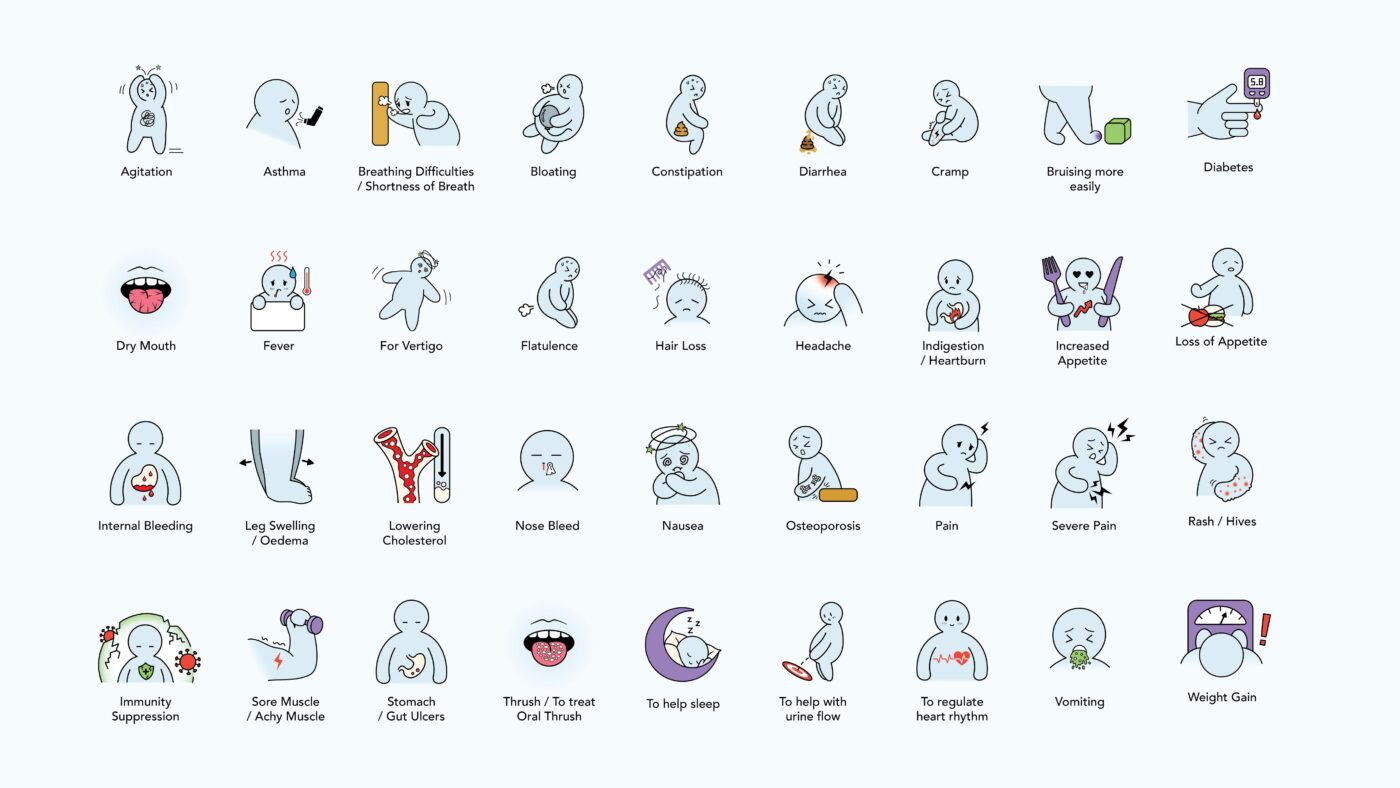
Common symptoms such as hair loss, persistent cough, heart palpitations, rectal bleeding, nosebleeds, lower back pain, and shortness of breath can have many different causes. Some are temporary and relatively harmless, while others may signal conditions requiring medical attention. This evidence-informed guide explains eight common symptoms, their possible causes, important warning signs, and when to seek medical help. Understanding these symptoms can improve health awareness, but it cannot replace a professional diagnosis.An evidence-informed guide to hair loss, cough, coughing up blood, heart palpitations, blood in stool, nosebleeds, back pain, and shortness of breath—with practical guidance on recognizing symptoms, understanding potential causes, and knowing when medical attention is needed.
Our bodies communicate through symptoms. A persistent cough, unexplained hair loss, an irregular heartbeat, or a sudden change in bowel habits can raise important questions about our health.
Some symptoms are caused by temporary, relatively minor conditions. Others may reflect illnesses that require medical investigation or urgent treatment.
The challenge is that the same symptom can have several different causes, and the appearance of a symptom alone is rarely enough to establish a diagnosis.
For example, a racing heartbeat may occur during exercise or emotional stress, but it can also result from an abnormal heart rhythm. Bright red blood after a bowel movement may come from hemorrhoids, but rectal bleeding can also occur with inflammatory bowel disease or colorectal cancer.
Understanding these distinctions can help people make better decisions about seeking care.
This guide examines eight common symptoms, explains their possible causes, highlights important warning signs, and describes how healthcare professionals may investigate them.
Rather than encouraging self-diagnosis, its purpose is to support symptom awareness, appropriate self-care, and timely medical evaluation.
When Symptoms Require Immediate Medical Attention
Before examining individual symptoms, it is important to understand that certain combinations of symptoms may indicate a medical emergency.
Seek emergency medical care if you experience any of the following:
- Severe or sudden difficulty breathing, especially with chest pain, confusion, or bluish or grayish skin.
- Coughing up a substantial amount of blood, particularly with chest pain, breathlessness, or faintness.
- Heavy rectal bleeding, large blood clots, or bleeding accompanied by signs of shock.
- A racing or irregular heartbeat accompanied by chest pain, fainting, or significant shortness of breath.
- Severe back pain associated with new bladder or bowel dysfunction, numbness around the groin, or progressive leg weakness.
- A nosebleed that is severe, causes weakness or dizziness, or does not stop after sustained first-aid measures.
These symptoms require prompt assessment because delays may increase the risk of serious complications.
1. Hair Loss: Understanding Thinning Hair and Excessive Shedding
Hair loss, medically known as alopecia, can involve gradual thinning, sudden shedding, isolated bald patches, or the loss of hair from other parts of the body.
It may affect the scalp, eyebrows, eyelashes, beard, or body hair.
While hair loss is often associated with aging and genetics, other medical and environmental factors can contribute.
What is considered normal hair shedding?
Hair follicles naturally cycle through growth, transition, resting, and shedding phases.
According to the American Academy of Dermatology, losing approximately 50–100 hairs per day is generally considered normal, although individual patterns vary.
Hair loss becomes more concerning when there is noticeable thinning, widening of the hair part, a receding hairline, new bald patches, or an abrupt increase in shedding.
Common causes of hair loss
Androgenetic alopecia (pattern hair loss)
This is the most common form of hair loss and is influenced by genetic and hormonal factors.
In men, it frequently presents as a receding hairline or thinning at the crown.
In women, it often appears as gradual thinning over the central scalp or a widening hair part.
Telogen effluvium
This condition involves increased shedding after a physiological or psychological stressor.
Potential triggers include significant illness, high fever, childbirth, major surgery, substantial weight loss, or certain medications.
Shedding often becomes noticeable weeks to months after the triggering event.
Many cases improve after the underlying trigger resolves, although recovery time varies.
Alopecia areata
Alopecia areata is an autoimmune condition in which the immune system targets hair follicles.
It often causes well-defined, round or oval bald patches.
More extensive hair loss is possible, and eyebrows or eyelashes may also be affected.
Nutritional deficiencies
Iron deficiency, insufficient protein intake, and certain other nutritional deficiencies may contribute to hair shedding.
However, supplements are not universally helpful. Testing and treatment should be guided by an individual’s medical circumstances.
Thyroid disorders
Both overactive and underactive thyroid conditions can affect the normal hair growth cycle.
Associated symptoms may include changes in energy, body weight, temperature tolerance, or bowel habits.
Scalp inflammation and infection
Fungal infections, inflammatory scalp disorders, and some forms of scarring alopecia can damage follicles.
Scarring forms require timely dermatological assessment because follicle destruction may lead to permanent hair loss.
Mechanical and treatment-related hair loss
Repeated traction from tight hairstyles can contribute to traction alopecia. Some medications, cancer treatments, and radiation exposure can also cause hair loss.
The American Academy of Dermatology emphasizes that identifying the specific cause is essential for choosing an effective treatment.
美国皮肤科学会
When to see a healthcare professional
Arrange an assessment if hair loss is sudden, extensive, unexplained, or accompanied by scalp redness, pain, scaling, or scarring.
A healthcare professional may examine the scalp, review medications and recent illnesses, and recommend selected blood tests or referral to a dermatologist.
Treatments depend on the diagnosis and may include topical medications, oral therapies, treatment of underlying conditions, or other specialist interventions.
2. Cough: Common Causes and Warning Signs
Coughing is a protective reflex that helps clear mucus, particles, and irritants from the respiratory tract.
Most coughs are temporary, often following a viral respiratory infection.
However, a cough that persists, worsens, or occurs alongside other concerning symptoms deserves further evaluation.
What causes a cough?
Respiratory infections
Common colds, influenza, COVID-19, and other infections can cause coughing.
A cough may continue for some time after the initial infection because airway irritation and sensitivity can persist.
Upper airway cough syndrome
Mucus drainage associated with rhinitis, allergies, or sinus inflammation may contribute to coughing or throat clearing.
Asthma
Asthma can cause coughing, wheezing, chest tightness, or shortness of breath.
Symptoms may worsen with physical activity, cold air, allergens, or respiratory infections.
Some people experience cough as a particularly prominent symptom.
Gastroesophageal reflux
Reflux can contribute to coughing in certain individuals, although the relationship is complex and should not be assumed without appropriate evaluation.
Chronic obstructive pulmonary disease (COPD)
COPD may cause long-standing cough, sputum production, and progressive breathlessness.
Smoking and exposure to harmful airborne substances are important risk factors.
Medication-related cough
Certain blood pressure medicines, particularly angiotensin-converting enzyme (ACE) inhibitors, may cause a persistent dry cough.
Other respiratory diseases
Pneumonia, tuberculosis, bronchiectasis, interstitial lung diseases, and lung cancer can also cause coughing.
These conditions require clinical assessment rather than diagnosis from cough characteristics alone.
Does sputum color identify a bacterial infection?
Not reliably.
Yellow or green mucus may reflect inflammation and does not, by itself, prove that antibiotics are necessary.
Likewise, a dry cough does not establish a specific diagnosis.
A clinician considers the entire symptom pattern, examination findings, risk factors, and, when necessary, diagnostic testing.
When should a cough be evaluated?
Seek medical advice if a cough lasts longer than three weeks, is becoming substantially worse, or occurs with unexplained weight loss, fever, chest discomfort, or breathing difficulties.
Coughing up blood requires particular attention.
Most acute coughs do not require antibiotics; these medicines should be used when there is an appropriate clinical indication.
3. Coughing Up Blood: Why Hemoptysis Should Never Be Ignored
Hemoptysis refers to blood originating from the lower respiratory tract that is expelled by coughing.
It can appear as streaks of blood mixed with mucus or as larger quantities of blood.
Blood seen in the mouth does not always come from the lungs. Bleeding from the nose, gums, throat, or digestive tract can sometimes resemble hemoptysis.
Determining the source is an important part of medical evaluation.
Possible causes of coughing up blood
Respiratory infections
Bronchitis, pneumonia, and some other respiratory infections may irritate or damage airway blood vessels.
Bronchiectasis
This condition involves abnormal widening of the airways and may cause chronic sputum production, recurrent infections, and episodes of bleeding.
Tuberculosis
Pulmonary tuberculosis can cause prolonged coughing, fever, night sweats, weight loss, and sometimes hemoptysis.
Not everyone experiences all of these symptoms.
Pulmonary embolism
A blood clot in the pulmonary circulation may cause sudden breathlessness, chest pain, rapid heartbeat, and occasionally coughing up blood.
This is a potentially life-threatening condition.
Lung cancer
Lung cancer can cause persistent or changing cough, hemoptysis, unexplained weight loss, or chest symptoms.
However, coughing up blood is not specific to cancer, and lung cancer can occur in people who have never smoked.
Other conditions
Certain autoimmune diseases, vascular abnormalities, bleeding disorders, and medications that affect blood clotting can also contribute.
When is coughing up blood an emergency?
Emergency warning
Coughing up more than a few small streaks or spots of blood requires emergency evaluation. Blood accompanied by chest pain, difficulty breathing, or a very rapid heartbeat also requires emergency care.
Even a few small streaks of blood should receive prompt medical assessment rather than being dismissed as harmless.
These recommendations are consistent with NHS guidance on hemoptysis.
nhs.uk
How doctors investigate hemoptysis
Depending on the presentation, evaluation may involve measuring oxygen saturation, reviewing medical history and medications, chest imaging, blood tests, or additional investigations.
Some patients require computed tomography or bronchoscopy.
Treatment is directed at the cause and severity of bleeding.
4. Heart Palpitations: Understanding a Racing, Pounding, or Irregular Heartbeat
Heart palpitations are sensations of being unusually aware of the heartbeat.
A person may feel that the heart is racing, fluttering, pounding, skipping beats, or beating irregularly.
Palpitations are common and are not always caused by heart disease.
Nevertheless, some episodes reflect clinically important arrhythmias.
Common noncardiac triggers
Temporary palpitations may occur with:
- Physical exertion.
- Emotional stress or anxiety.
- Caffeine or other stimulants.
- Alcohol consumption.
- Sleep deprivation.
- Certain medications.
Medical conditions such as anemia, thyroid dysfunction, dehydration, and electrolyte abnormalities can also contribute.
Heart-related causes
Premature heartbeats
Premature atrial or ventricular contractions may create the sensation of a skipped or extra beat.
They are often benign but sometimes warrant assessment.
Atrial fibrillation
Atrial fibrillation is an abnormal heart rhythm that can cause an irregular, sometimes rapid heartbeat.
It is clinically important because it may increase stroke risk and require individualized treatment.
Supraventricular tachycardia
Some abnormal heart rhythms begin and end abruptly, producing episodes of rapid heartbeat.
Other arrhythmias and structural heart conditions
Certain heart muscle diseases, valve disorders, and electrical abnormalities may also produce palpitations.
When should you seek help?
Seek emergency care for palpitations accompanied by chest pain, shortness of breath, fainting, or significant dizziness.
If palpitations recur, last more than a few minutes, become more frequent, or occur in someone with known heart disease, arrange medical evaluation.
A clinician may recommend an electrocardiogram, ambulatory heart monitoring, or relevant blood tests.
Can anxiety cause palpitations?
Yes. Anxiety can affect the autonomic nervous system and increase awareness of heartbeat.
However, not every episode of palpitations should be attributed to anxiety.
A person can experience anxiety and an underlying heart rhythm disorder simultaneously.
New or unexplained symptoms should be assessed according to their severity and circumstances.
5. Blood in Stool: Causes of Rectal Bleeding and Changes in Stool Color
Blood in stool can appear as bright red blood on toilet paper, streaks on the stool surface, blood mixed with stool, dark red bowel movements, or black, tar-like stool.
These differences can provide clues about the possible source of bleeding, but they cannot reliably identify the cause.
Bright red blood in stool
Bright red blood often comes from the lower digestive tract, particularly the rectum or anus.
Common possibilities include:
Hemorrhoids
Hemorrhoids are swollen vascular structures in or around the anus.
They may cause bright red bleeding, itching, discomfort, or swelling.
Anal fissures
An anal fissure is a small tear in the lining of the anal canal.
It frequently causes sharp pain during bowel movements and may produce bright red blood, especially following constipation or passage of hard stool.
Inflammatory bowel disease
Ulcerative colitis and Crohn’s disease can cause rectal bleeding, diarrhea, abdominal pain, and other symptoms.
Colorectal polyps and cancer
Polyps and colorectal cancer may cause visible or microscopic bleeding.
Other symptoms can include persistent bowel habit changes, unexplained weight loss, or iron deficiency anemia.
Importantly, colorectal cancer does not always produce obvious symptoms in its early stages.
Dark red or black stool
Dark red stool may indicate bleeding from the colon or other parts of the digestive tract.
Black, sticky, tar-like stool—known as melena—can indicate bleeding from the upper gastrointestinal tract, such as the stomach or duodenum.
Peptic ulcers are one possible cause.
However, some medicines, iron supplements, and foods can also darken stool without causing bleeding.
Because appearance alone cannot reliably distinguish these possibilities, suspected melena requires urgent medical assessment.
Bloody diarrhea
Diarrhea mixed with blood may occur with infectious colitis, inflammatory bowel disease, or other intestinal disorders.
Associated fever, dehydration, or significant abdominal pain can increase concern.
Rectal bleeding in children
Blood in a child’s stool should be discussed with a healthcare professional.
In infants and young children, causes range from anal fissures to infections and, less commonly, conditions such as intussusception.
Intussusception can cause intermittent severe abdominal pain, vomiting, lethargy, and sometimes blood or mucus in stool. It is a medical emergency, and the characteristic appearance of stool may be absent.
When is blood in stool an emergency?
Seek emergency care for heavy or continuous rectal bleeding, large clots, fainting, marked weakness, or signs of circulatory instability.
Black or dark red stool and bloody diarrhea require urgent medical advice.
Even small amounts of recurrent rectal bleeding warrant medical assessment rather than automatically being attributed to hemorrhoids.
nhs.uk
How healthcare professionals investigate rectal bleeding
Assessment may include reviewing bowel habits, medications, family history, associated symptoms, and relevant physical findings.
Depending on the clinical situation, investigations may include blood tests, stool tests, anorectal examination, or endoscopic procedures such as colonoscopy.
The choice of investigation depends on age, risk factors, severity, and other symptoms.
6. Nosebleeds: Common Causes, First Aid, and Warning Signs
Nosebleeds, medically called epistaxis, occur when blood vessels inside the nose rupture.
Most nosebleeds arise from the front portion of the nasal septum, where delicate blood vessels are close to the surface.
Many episodes are minor and stop with appropriate first aid.
However, recurrent, prolonged, or heavy bleeding can require medical evaluation.
Common causes of nosebleeds
Dryness and irritation
Dry indoor air, frequent nose blowing, and irritation of the nasal lining can contribute to bleeding.
Nose picking and minor trauma
Scratching the nasal lining or sustaining a minor injury can damage delicate blood vessels.
Nasal inflammation
Allergic rhinitis, infections, and inflammatory conditions can increase irritation and susceptibility to bleeding.
Medications
Anticoagulants and antiplatelet medications may increase the severity or duration of bleeding.
Some nasal medications can also contribute to dryness or irritation when used improperly.
Structural abnormalities
A deviated nasal septum, septal perforation, or other structural conditions may contribute to recurrent symptoms.
Bleeding disorders
Platelet abnormalities and inherited or acquired clotting disorders can increase bleeding risk.
High blood pressure
Hypertension may be associated with more difficult-to-control nosebleeds in some circumstances, but it should not be assumed to be the direct cause of every episode.
Persistent one-sided bleeding, especially with unilateral nasal obstruction or other unusual symptoms, also deserves examination to exclude less common structural or pathological causes.
How to stop a nosebleed safely

Correct first aid
- Sit upright and lean slightly forward.
- Pinch the soft part of the nose, just above the nostrils.
- Maintain uninterrupted pressure for 10–15 minutes.
- Breathe through the mouth.
- Avoid tilting the head backward or lying flat.
Leaning forward helps prevent blood from flowing backward into the throat.
NHS guidance recommends medical attention when bleeding continues beyond 10–15 minutes, is excessive, follows significant injury, or is accompanied by weakness or dizziness.
Preventing recurrent nosebleeds
Maintaining appropriate indoor humidity, avoiding aggressive nose blowing or picking, and addressing nasal dryness may be helpful.
People taking anticoagulants should not independently stop prescribed medication because of a nosebleed. Medication changes require professional guidance.
Repeated episodes may require an examination of the nose and, when indicated, additional testing.
7. Lower Back Pain: Musculoskeletal, Nerve, and Internal Causes
Lower back pain is one of the most common reasons people seek healthcare.
It can range from a mild ache to severe pain that limits movement, sleep, or ordinary activities.
Most episodes are related to musculoskeletal conditions and improve over time.
However, some forms of back pain originate from nerves, inflammatory disorders, internal organs, infections, or other significant conditions.
Common musculoskeletal causes
Nonspecific lower back pain
Many episodes cannot be attributed to a single identifiable anatomical abnormality.
Muscles, ligaments, joints, and other structures may contribute.
Muscle strain
An increase in physical activity, awkward movement, or unusual loading may trigger pain.
Lumbar disc herniation
A herniated disc can irritate or compress a spinal nerve.
Symptoms may include lower back pain accompanied by pain, tingling, numbness, or weakness radiating into a leg.
Degenerative changes
Age-related changes in spinal discs and joints are common.
However, imaging abnormalities do not always explain symptoms, and degenerative findings can occur in people without back pain.
Inflammatory spinal conditions
Certain inflammatory disorders may cause persistent back pain and stiffness, particularly after rest, with improvement after movement.
Clinical history and other findings help distinguish these conditions from common mechanical back pain.
When back pain may come from an internal organ
Kidney stones
Kidney stones can cause severe flank pain that may radiate toward the groin.
Nausea, vomiting, or blood in the urine may occur.
Kidney infection
A kidney infection may cause flank pain accompanied by fever, chills, and urinary symptoms.
Abdominal or pelvic disorders
Certain pelvic, gastrointestinal, and vascular conditions can produce pain that is perceived in the back.
Cancer or spinal infection
These are uncommon causes of back pain but should be considered when appropriate warning signs or risk factors are present.
Persistent or progressive pain, relevant medical history, systemic symptoms, and neurological changes may prompt further investigation.
Back pain warning signs
Seek immediate emergency assessment when back pain occurs with:
- New difficulty passing urine or loss of bladder or bowel control.
- Numbness around the genitals, buttocks, or anus.
- New or progressive weakness affecting the legs.
- Severe neurological symptoms involving both legs.
These findings may indicate serious nerve compression, including cauda equina syndrome.
NHS
Fever, significant trauma, severe unexplained pain, or a history of cancer can also require prompt medical assessment, depending on the circumstances.
Should you rest or remain active?
For uncomplicated lower back pain, prolonged bed rest is generally discouraged.
Gentle movement and a gradual return to normal activities may support recovery, provided they are appropriate to the person’s symptoms and medical circumstances.
Treatment may include education, activity modification, physical therapy, selected medications, or further investigations when indicated.
Routine imaging is not necessary for every episode of uncomplicated back pain.
8. Shortness of Breath: Understanding Dyspnea and Respiratory Warning Signs
Shortness of breath, medically known as dyspnea, is the sensation of difficult, uncomfortable, or insufficient breathing.
It may occur during exertion, while resting, when lying down, or during episodes of anxiety.
Mild breathlessness during strenuous physical activity can be expected.
But new, unexplained, severe, or worsening breathlessness may indicate a medical problem.
Respiratory causes of shortness of breath
Asthma
Asthma can cause episodic breathlessness, wheezing, coughing, and chest tightness.
Symptoms vary over time and may be triggered by allergens, exercise, cold air, or respiratory infections.
Chronic obstructive pulmonary disease
COPD commonly causes progressive breathlessness, sometimes with chronic cough and mucus production.
Pneumonia and other respiratory infections
Infection and inflammation may impair normal breathing.
Fever, cough, chest discomfort, and fatigue may accompany breathlessness.
Pulmonary embolism
A pulmonary embolism occurs when a clot obstructs part of the pulmonary circulation.
It may cause sudden breathlessness, chest pain, rapid heartbeat, or coughing up blood.
It can be life-threatening.
Pneumothorax
A collapsed lung may cause sudden chest pain and difficulty breathing.
Heart-related causes
Heart failure may cause breathlessness during exertion or when lying flat.
Some individuals experience orthopnea, meaning their breathing becomes more difficult in a lying position and improves when sitting upright.
Other possible findings include swelling of the lower limbs and reduced exercise tolerance.
Abnormal heart rhythms and certain heart valve conditions may also contribute to breathlessness.
Other medical causes
Anemia
A reduced capacity of the blood to carry oxygen may contribute to breathlessness, fatigue, and palpitations.
Metabolic disorders
Severe metabolic acidosis, including diabetic ketoacidosis, may cause deep, rapid breathing and other serious symptoms.
Medication or substance effects
Certain medications and substances may suppress or otherwise impair breathing.
Anxiety and panic attacks
Anxiety may produce rapid breathing, chest tightness, and a sensation of air hunger.
However, breathlessness should not automatically be attributed to anxiety without considering other causes.
When shortness of breath becomes an emergency
Seek emergency care immediately
Severe breathlessness, inability to speak in full sentences, chest tightness or pressure, new confusion, or bluish or grayish skin may indicate a life-threatening condition.
Sudden breathlessness accompanied by chest pain, fainting, or coughing up blood is also particularly concerning.
For less severe symptoms, seek timely assessment if breathlessness is new, worsening, occurs during ordinary activities, or becomes worse when lying down.
The NHS identifies these patterns as reasons for urgent or routine medical assessment according to severity.
nhs.uk
How shortness of breath is evaluated
Medical assessment may include vital signs, oxygen saturation, heart and lung examination, and selected tests.
Depending on the circumstances, clinicians may use electrocardiography, chest imaging, blood tests, or pulmonary function testing.
Treatment depends on the underlying cause.
Oxygen, inhaled medications, antimicrobial treatment, anticoagulation, or other interventions are appropriate only for specific clinical indications.
A Practical Symptom Guide: How Urgently Should You Seek Care?
The following table summarizes general warning signs. It cannot replace individualized medical triage, and the presence of multiple symptoms or significant underlying illness may change the urgency.
| Symptom | Arrange medical assessment | Seek emergency care |
|---|---|---|
| Hair loss | Sudden, patchy, extensive, or unexplained loss; inflamed or scarred scalp | Usually not an emergency in isolation |
| Cough | Lasting more than three weeks, worsening, or accompanied by concerning symptoms | Severe breathing difficulty or other emergency signs |
| Coughing up blood | Even small streaks warrant prompt assessment | More than a few streaks, or associated breathing difficulty or chest pain |
| Heart palpitations | Recurrent, prolonged, or increasingly frequent episodes | Chest pain, fainting, or shortness of breath |
| Blood in stool | Any unexplained or recurrent rectal bleeding | Heavy or continuous bleeding, large clots, or circulatory symptoms |
| Nosebleed | Recurrent bleeding or increased bleeding risk | Severe, persistent bleeding or associated weakness |
| Lower back pain | Persistent, progressive, or unusual pain | New bladder or bowel dysfunction, saddle numbness, or severe neurological symptoms |
| Shortness of breath | New, unexplained, or worsening symptoms | Severe breathlessness, chest pain, confusion, or cyanosis |
How to Prepare for a Medical Appointment
Clear symptom information can help healthcare professionals determine which causes are most likely and what investigations may be appropriate.
Before an appointment, consider documenting the following:
- Onset: When did the symptom begin? Was it sudden or gradual?
- Duration: Is it constant, intermittent
Frequently Asked Questions
What are the most common symptoms of illness?
Common symptoms include coughing, fatigue, pain, fever, dizziness, digestive changes, palpitations, and breathing difficulties. These symptoms may have several possible causes, and their significance depends on severity, duration, and associated findings.
Which symptoms should never be ignored?
Severe shortness of breath, significant bleeding, chest pain with fainting, sudden neurological changes, and new loss of bladder or bowel control with back pain require immediate medical assessment.
Can I diagnose myself using symptoms?
Symptoms can provide useful clues, but they rarely establish a diagnosis on their own. Many medical conditions share similar symptoms, so professional assessment and testing may be necessary.
Is coughing up blood always serious?
Coughing up blood can have several causes, including respiratory infections and more serious conditions. Even small streaks require prompt medical assessment, while larger amounts or associated breathing difficulties require emergency care.
Can stress cause physical symptoms?
Stress may contribute to palpitations, muscle tension, sleep disturbances, and some patterns of hair shedding. However, physical symptoms should not automatically be attributed to stress without considering other causes.
When should I seek medical advice for back pain?
Seek medical assessment for persistent, progressive, or unusual back pain. New bladder or bowel dysfunction, saddle numbness, or progressive leg weakness requires emergency evaluation.
What is the difference between a symptom and a diagnosis?
A symptom is something a person experiences, such as pain or dizziness. A diagnosis is a clinical conclusion based on medical history, examination, and, when needed, investigations.
This article is for general education and does not replace individualized care from a qualified health professional. Seek appropriate advice for persistent, severe, or concerning symptoms.
Read the full medical disclaimer

