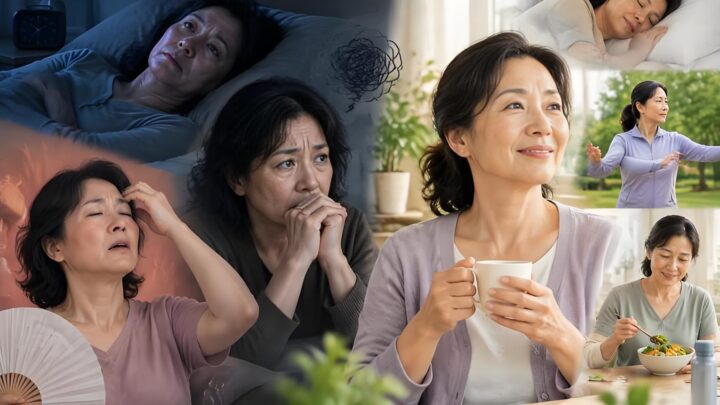
Aging is a natural part of life, but the way we age can be influenced by our daily choices.
Some people remain energetic, active, and mentally sharp well into their 60s and beyond, while others experience rapid declines in health at a much younger age.
The difference is often not age itself, but lifestyle.
Research on healthy aging suggests that nutrition, exercise, sleep, stress management, and social connection all play important roles in maintaining long-term vitality.
- True Anti-Aging Starts From Inside
Anti-aging is often associated with appearance, skincare, or cosmetic treatments.
However, healthy aging is mainly about maintaining internal function:
Supporting cellular repair;
Preserving muscle strength;
Protecting brain health;
Maintaining independence.
Looking younger begins with living healthier.
- Eat More Plant-Based Foods
Many long-living populations around the world share similar dietary patterns.
They tend to consume:
More vegetables;
Beans and legumes;
Whole grains;
Nuts;
Healthy fats.
A longevity-focused diet does not require completely avoiding meat.
Instead:
Increase plant foods;
Choose quality proteins;
Reduce processed foods and excess sugar.
- Keep Blood Sugar Stable
Large fluctuations in blood sugar can place stress on the body.
Helpful habits include:
Eating more fiber-rich foods;
Reducing refined carbohydrates;
Adding vegetables to every meal;
Staying physically active.
A simple plate rule:
Half vegetables, a quarter protein, and a quarter healthy carbohydrates.
- Movement Is Medicine
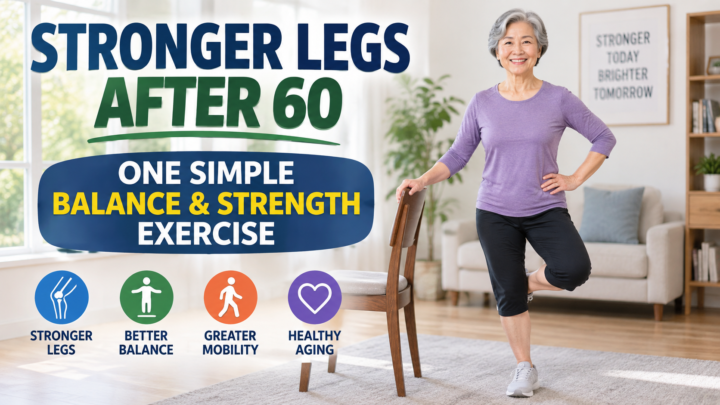
You do not need extreme workouts to support healthy aging.
Consistent movement matters more.
Helpful activities include:
Walking;
Brisk walking;
Light jogging;
Stretching;
Core exercises.
Regular exercise helps maintain:
Muscle strength;
Balance;
Metabolism;
Overall function.
- Prioritize Quality Sleep
Sleep is when the body repairs and restores itself.
Healthy sleep habits include:
Keeping a regular schedule;
Avoiding excessive screen time before bed;
Creating a relaxing sleep environment.
- Manage Stress and Protect Emotional Health
Chronic stress can negatively affect overall wellbeing.
Healthy stress management may include:
Creative hobbies;
Reading;
Music;
Art;
Spending time with loved ones.
Emotional balance is an important part of longevity.
- Genes Matter, But Lifestyle Matters Too
Your genes provide a foundation, but they do not completely determine your future health.
Lifestyle factors such as:
Nutrition;
Exercise;
Sleep;
Stress management;
can influence how your body functions over time.
- Supplements Should Support, Not Replace Healthy Habits
Supplements may be useful in certain situations, but they are not substitutes for a balanced lifestyle.
Choose supplements carefully:
Use reliable products;
Understand ingredients;
Avoid excessive intake;
Consider personal needs.
A healthy lifestyle always comes first.
The Real Secret to Aging Well
Healthy aging is not about stopping time.
It is about creating more years with:
Energy;
Strength;
Independence;
Mental clarity;
Joy.
The goal is not simply to live longer.
The goal is to live better.
by Eastern Wellness Research Team
Eastern Wellness Research Team focuses on exploring evidence-informed approaches to healthy aging, nutrition, movement, traditional wellness practices, and lifestyle strategies that support lifelong vitality.
This article is for educational purposes only and does not provide medical advice. Please consult qualified healthcare professionals regarding personal health conditions.
This article is for general education and does not replace individualized care from a qualified health professional. Seek appropriate advice for persistent, severe, or concerning symptoms.
Read the full medical disclaimer